



Edwardian Salon Seat
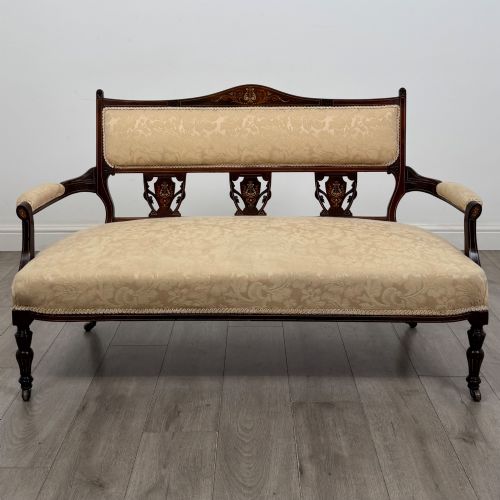
An edwardian salon seat offers formal elegance for a drawing room, combining slender timber frames with refined upholstery.

Edwardian Salon Seat
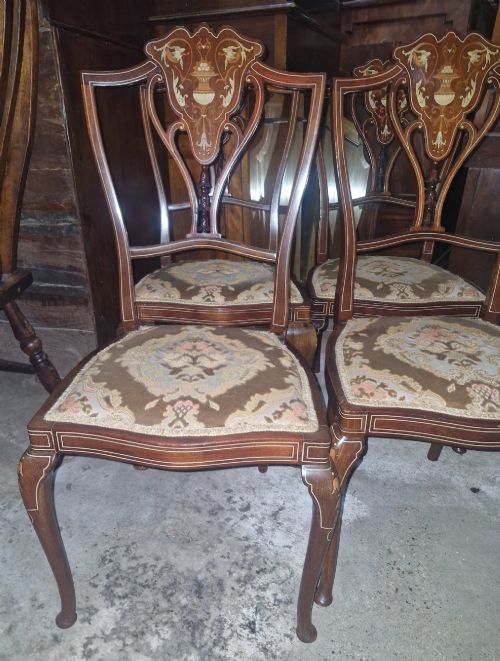
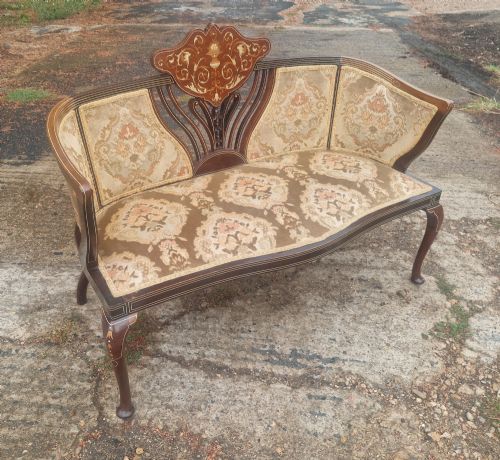
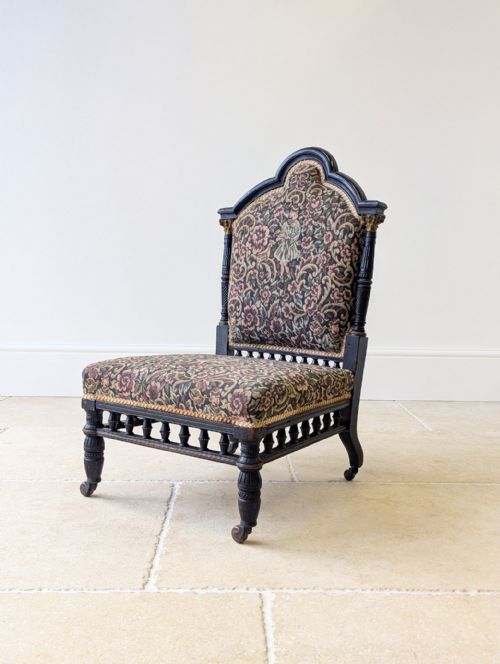
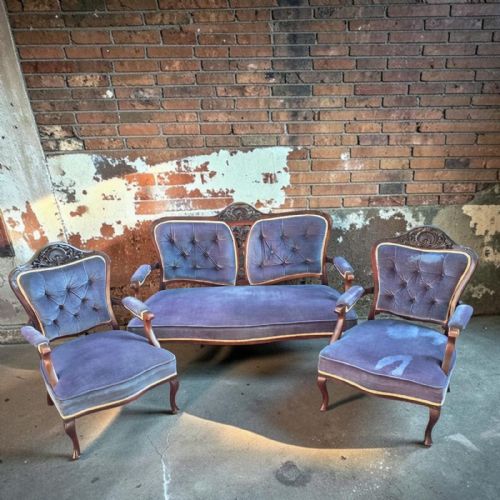
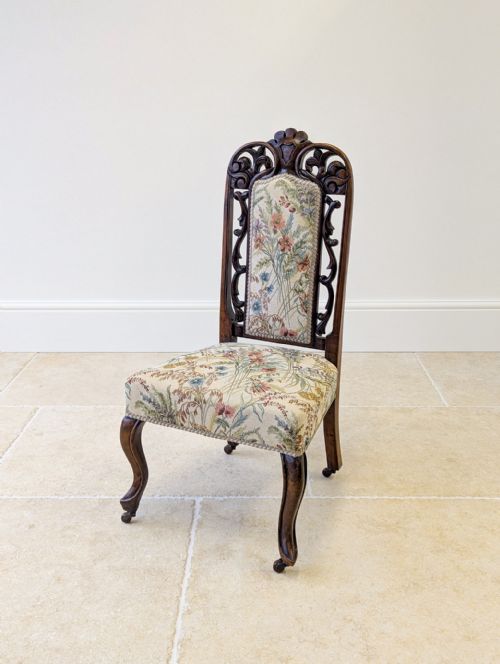
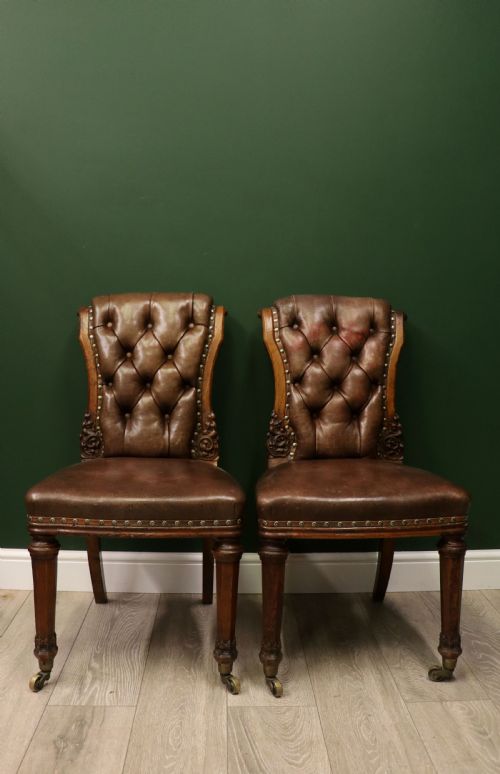
An edwardian salon seat brings together lighter formal seating forms from the turn of the twentieth century, alongside related Victorian and nineteenth-century pieces. Buyers encounter various seating types on this page, including armchairs, bedroom chairs, small sofas, and multi-piece salon suites.
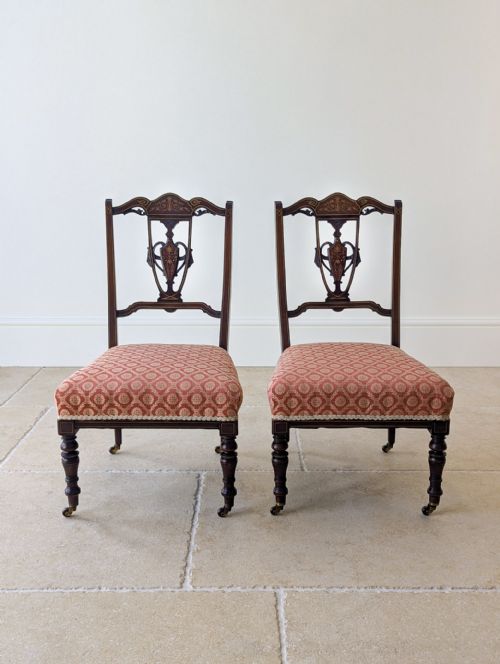
Mahogany and rosewood frame constructions predominate, frequently embellished with satinwood and marquetry inlay or stringing. Pieces range from single occasional chairs to matching pairs and full settees designed for parlour or bedroom placement.
Assessing Quality and Craftsmanship
The standard of an edwardian salon seat rests on the crispness of its timber carving and the precision of its marquetry or string inlay. Finer examples display meticulous attention to detail in the joinery of slender legs and supportive armrests.
Original upholstery choices and the retention of matching suites elevate specific pieces above standard single chairs. The integration of contrasting timbers like satinwood into mahogany or rosewood frames signals superior workshop production.
Listings feature mahogany, rosewood, and walnut frames decorated with marquetry inlay and satinwood.
Blyth & Sons
The Edwardian Salon Seat Glossary
- Marquetry inlay
- Decorative patterns formed by fitting small pieces of veneer into a prepared wooden surface. This technique adds pictorial or geometric ornamentation to table tops and chair backs.
- Salon suite
- A matched set of seating comprising a settee alongside multiple matching armchairs or side chairs. These suites furnished formal reception rooms in a unified style.
- Stringing
- Thin lines of contrasting timber inlaid into shallow channels on furniture surfaces. It outlines panels and structural borders with subtle precision.
Edwardian Salon Seat: Frequently Asked Questions
What is an edwardian salon seat?
An edwardian salon seat is a light, decorative chair or small sofa created around the turn of the twentieth century for formal entertaining and parlour use.
These pieces typically feature timber frames in mahogany or rosewood, often enhanced with inlay work and upholstered in traditional fabrics.
How were these seats used?
Owners placed these chairs in drawing rooms, salons, and bedrooms to provide comfortable yet formal seating for guests during social calls.
Matching suites allowed homeowners to coordinate their reception rooms with uniform seating arrangements.
Can these seats be re-upholstered?
Many examples are suitable for re-upholstering, allowing owners to update worn fabrics while preserving the historic wooden frame.
Care should be taken to respect the original construction methods during any restorative work.