

Antique Wood Games
Antique wood games bring mechanical ingenuity and social history into the room, spanning card tables, roulette boards and cribbage boxes.
Antique Wood Games
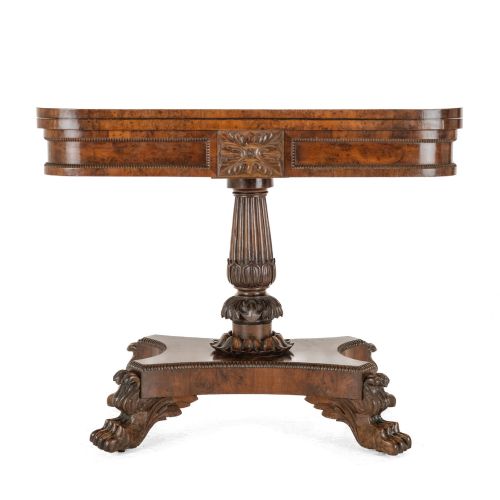
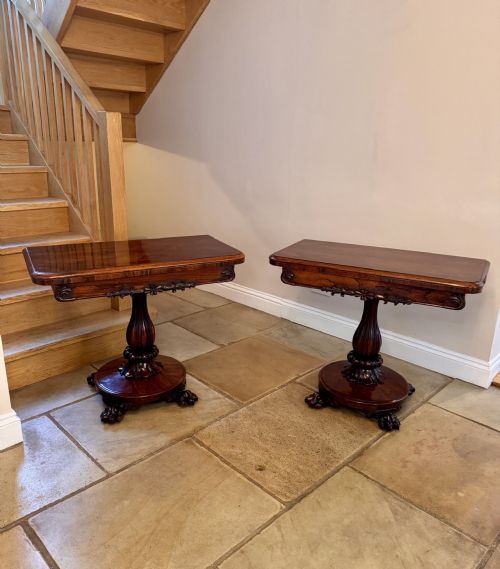
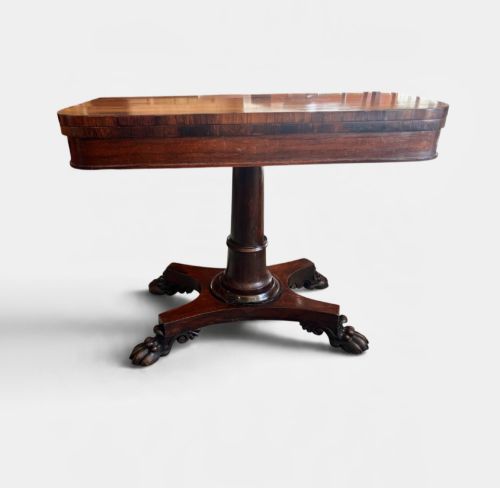
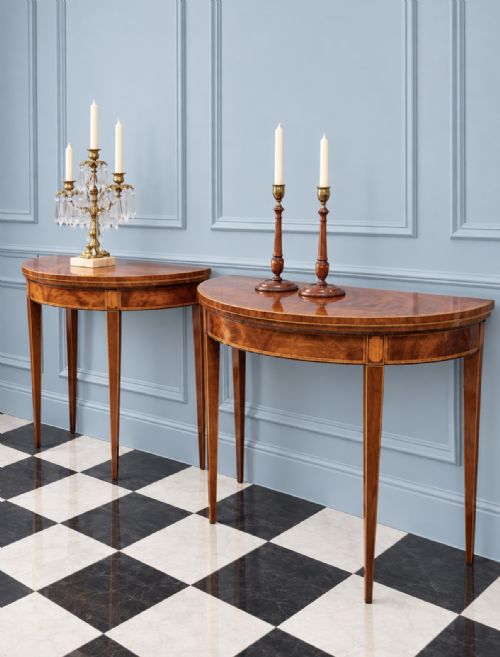
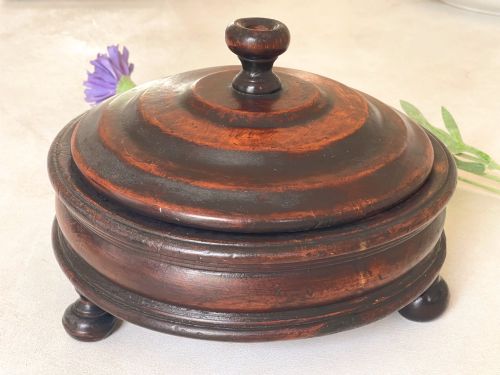
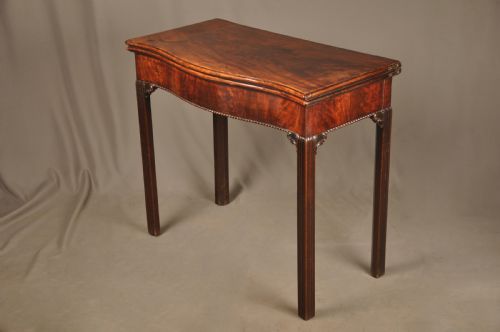
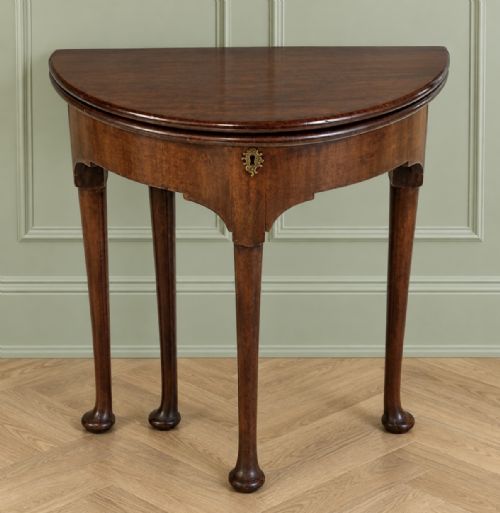
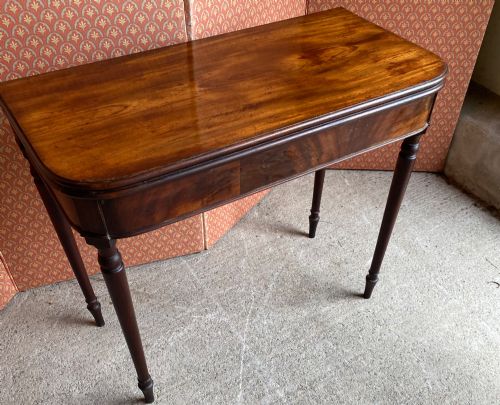
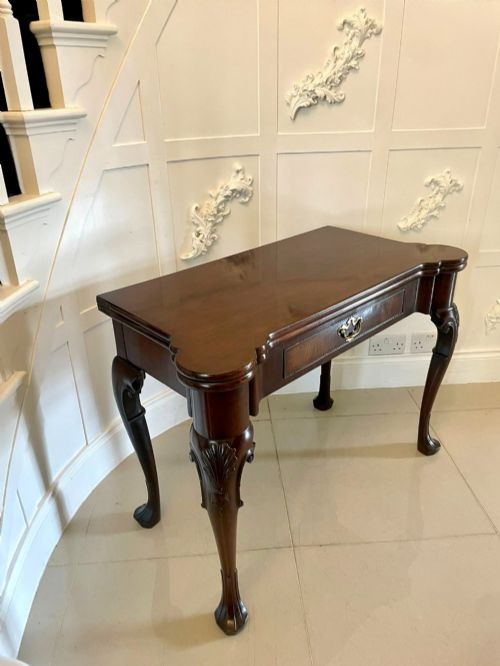
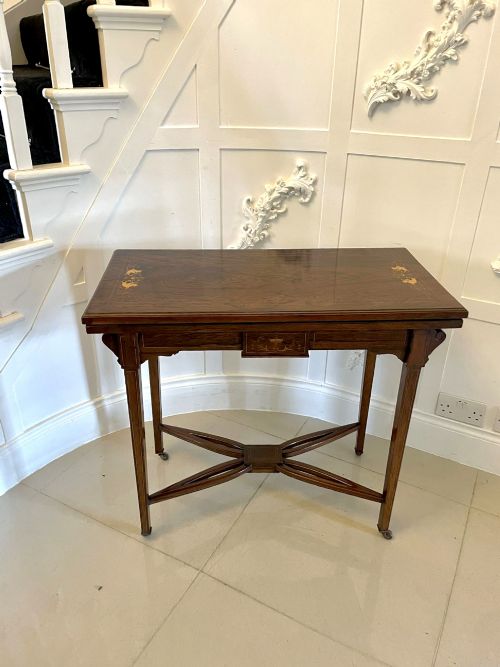
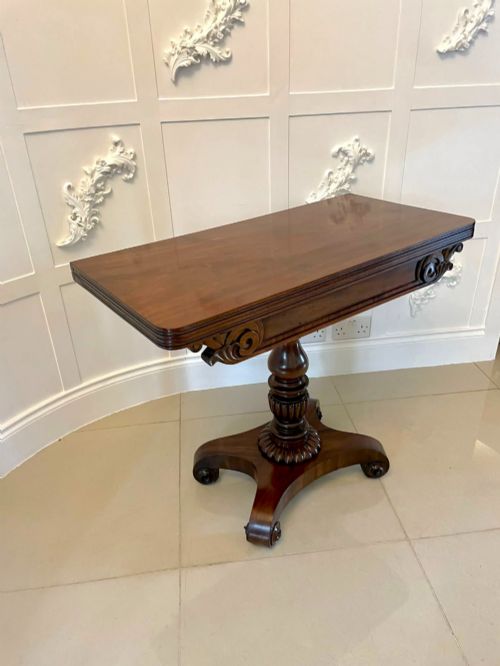
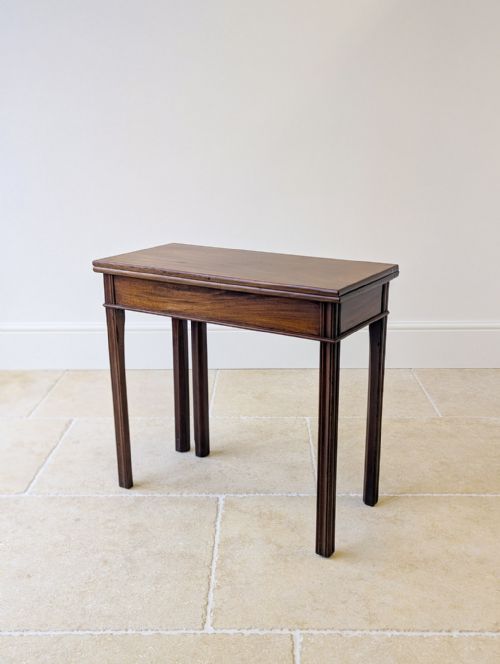
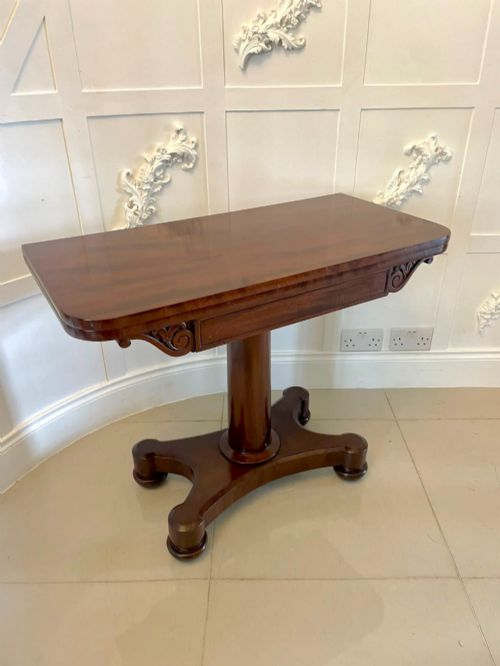
Antique wood games encompass functional furniture designed for pastimes, notably fold-over card tables and specialised items such as roulette wheels, chess boards and novelty cribbage boxes.
The pieces appearing on this page date principally from the 18th century, the Regency era and the Victorian period, reflecting the changing domestic social habits of those times.
Tables predominate within this category, often featuring clever folding mechanisms, rotating tops or hidden compartments tailored for cards and gaming pieces.
Materials and construction methods
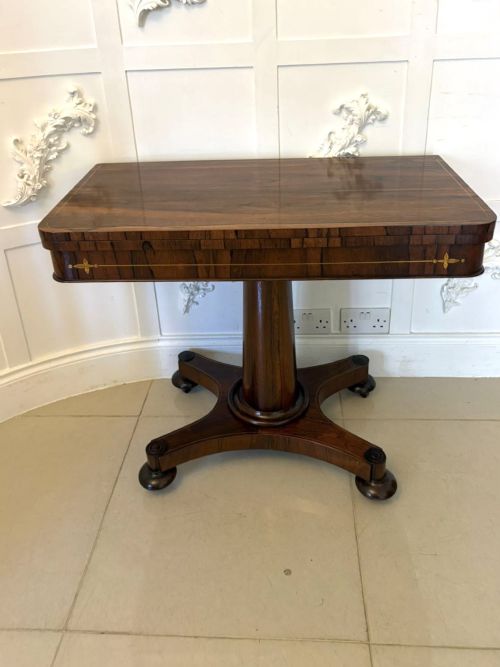
Cabinetmakers utilised dense tropical timbers like mahogany and rosewood alongside native woods such as walnut, satinwood and oak, frequently applying intricate wood inlay or figured veneers.
Brass detailing appears regularly, utilised for hinges, inlaid stringing and decorative mounts that accent the timber frames.
Joinery techniques focused on stability during active play, incorporating sturdy pedestal bases, tripod supports and folding leaf mechanisms.
Antique Wood Games Retail Price Guide 2026
Typical asking prices for wood games among the pieces listed under this phrase on Sellingantiques today, from the lower quarter to the upper quarter. They describe what is for sale here now, not the wider market.
Listings incorporate mahogany, rosewood, walnut, satinwood and oak alongside brass mounts and detailed wood inlay.
Distinctions in craftsmanship
Superior examples demonstrate precision in the execution of mechanical actions, ensuring folding leaves and pivoting tops move with absolute smoothness.
The choice of timber defines valuation, with finely figured burr walnut, burr yew or highly select Cuban mahogany marking out superior workshop output.
Carved ornamentation reveals the hand of the maker, distinguishing crisply rendered acanthus leaves and baskets from simpler, mechanical mouldings.
George Bullock·James Shoolbred and Co
The Antique Wood Games Glossary
- Card table
- A specialised table with a folding top that opens to reveal a baize-lined surface for playing cards. These pieces usually feature a swivel or fold-over mechanism supported by a rear leg or gate-leg frame.
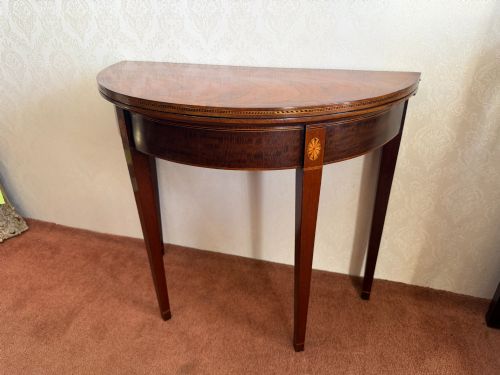
- Demilune
- A half-moon shape commonly seen in the design of 18th-century and Victorian card tables. This form allows the table to sit flat against a wall when closed.
- Cribbage board
- A traditional board drilled with holes to track scores in the card game cribbage. Portable versions often double as storage boxes for the playing cards.
- Veneer
- A thin layer of fine wood applied over a secondary timber base to create decorative grain patterns. Craftsmen utilised this technique to display figured mahogany, rosewood and burr walnut.
- Envelope table
- A gaming table featuring a square top composed of four triangular flaps that rotate and fold open simultaneously. This ingenious mechanism reveals a lined interior surface for card games.
Antique Wood Games: Frequently Asked Questions
How do fold-over card tables work?
The top surface is hinged, allowing the wooden leaf to unfold and double the playing area. A swinging rear leg or a pivoting mechanism swings out from the frame to support the opened leaf.
Beneath the surface, many of these tables conceal a shallow well designed for storing cards and counters when not in use.
What woods were used for these games?
Cabinetmakers relied heavily on mahogany, rosewood and walnut for their durability and rich grain patterns. Exotic timbers and lighter satinwood were frequently applied as contrasting veneers or stringing.
Oak and other secondary timbers appear in the internal framing and structural elements hidden from view.
How do I care for antique wood games?
Keep wooden gaming furniture away from direct heat sources and strong sunlight to prevent the timber from splitting and veneers from lifting. Regular dusting with a dry, soft cloth maintains the finish without moisture damage.
Avoid placing damp glasses or unpadded items directly onto polished wood or historical baize surfaces.
Were these tables used only for cards?
While card playing was the primary driver for these tables, many designs accommodated multiple pastimes. Some incorporate inlaid chess boards on the reverse of the folding top or within the central surface.
Others double as writing or tea tables when closed, serving flexible functions in period parlours.