
Antique Wood Dining Seats
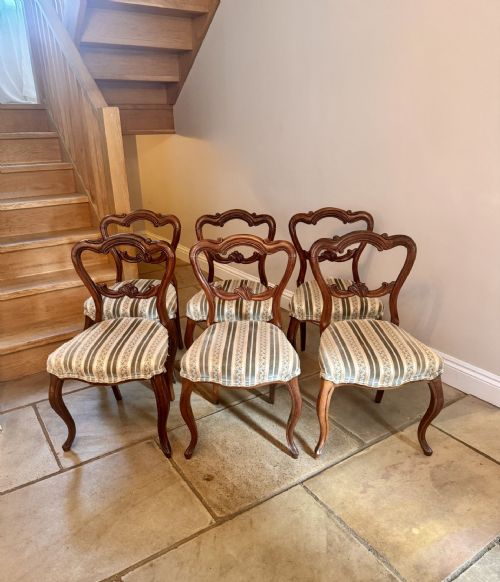
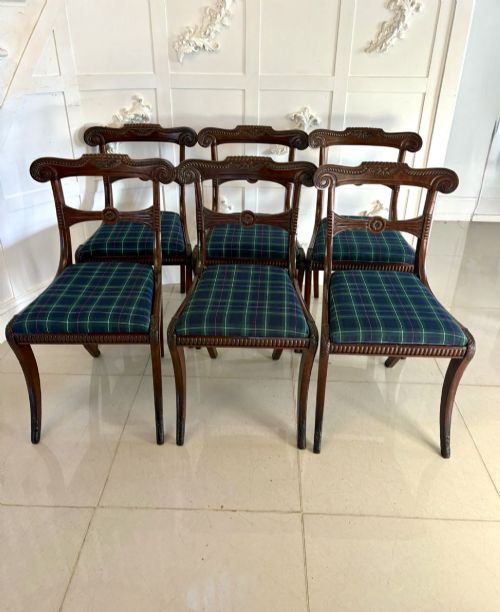
Antique wood dining seats bring lasting character to the table, spanning robust country elms and refined mahogany sets.
Antique Wood Dining Seats
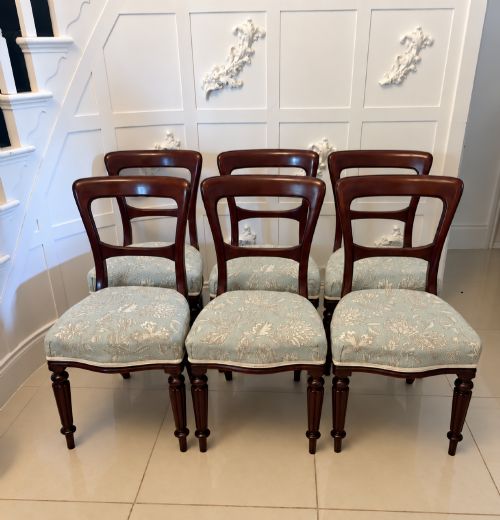
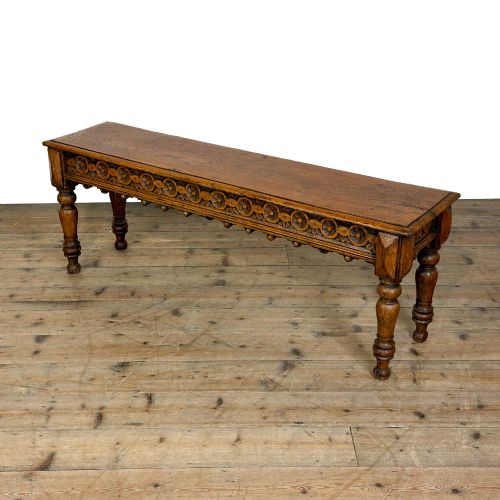
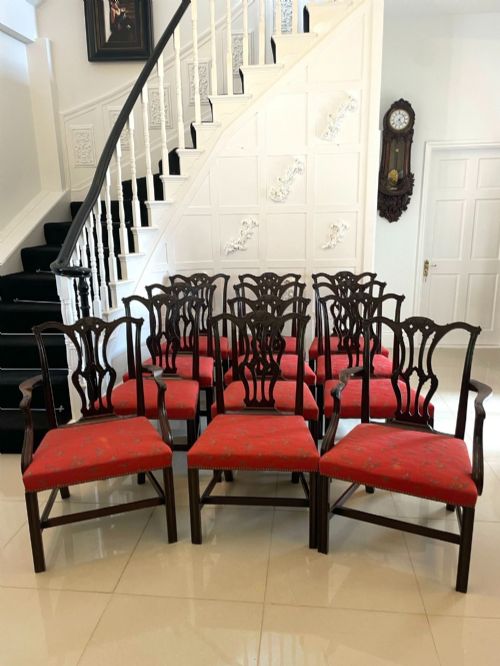
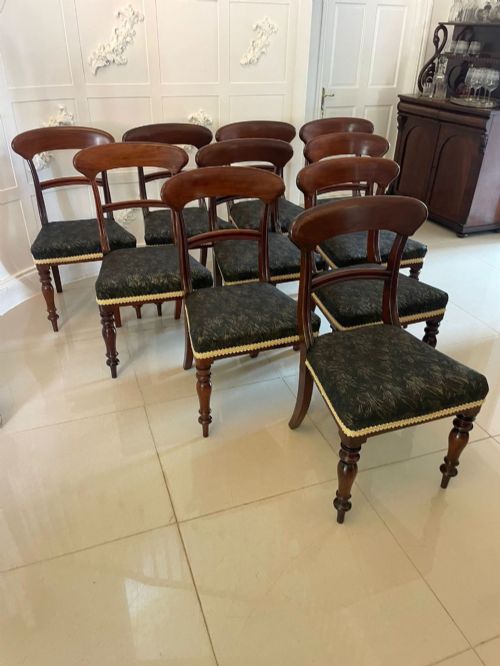
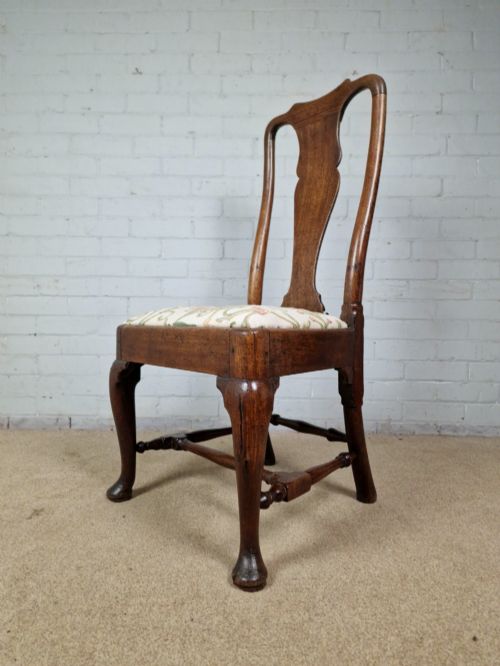
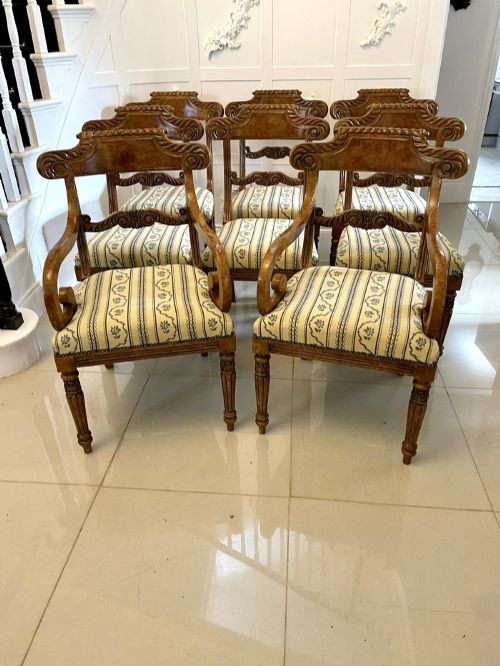
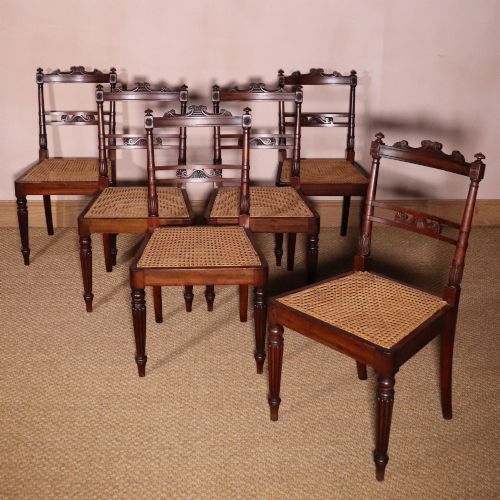
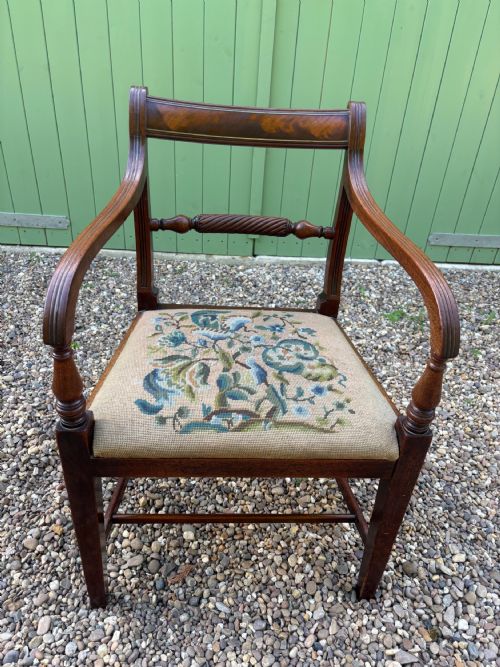
When searching for antique wood dining seats, buyers encounter everything from individual farmhouse kitchen Windsor chairs to expansive sets of twelve or twenty mahogany dining chairs. The forms range widely across the evidence, including side chairs, armchairs, carvers, and occasional dining stools.
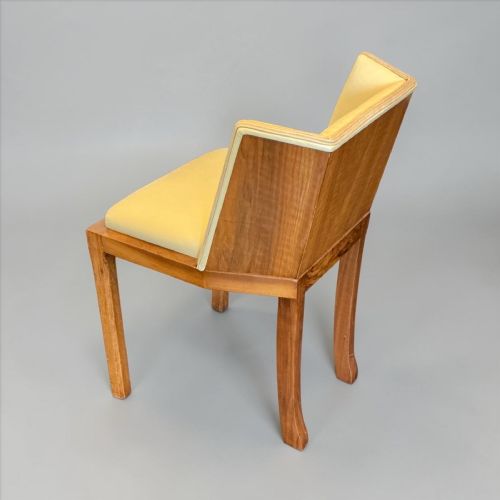
Earlier pieces from the eighteenth and early nineteenth centuries display regional Georgian, Regency, and Chippendale style influences. Later offerings drift into Edwardian, Arts and Crafts, and early twentieth-century interpretations utilising oak, beech, and satin birch.
Materials and construction methods
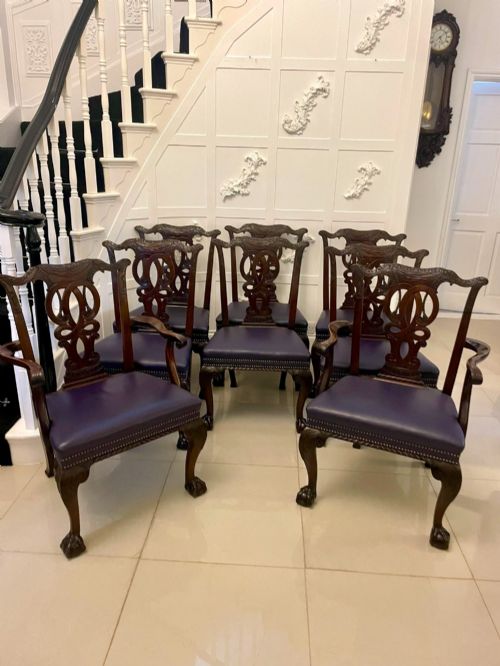
Cabinetmakers relied heavily on dense tropical hardwoods like Cuban mahogany for formal dining seats, employing skilled carving to shape shield backs, ladder backs, and balloon backs. Joinery relied on traditional mortise and tenon construction to withstand daily use around the dining table.
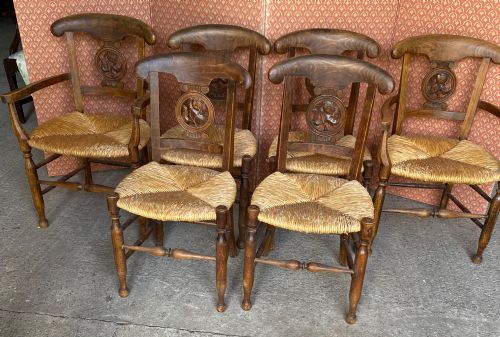
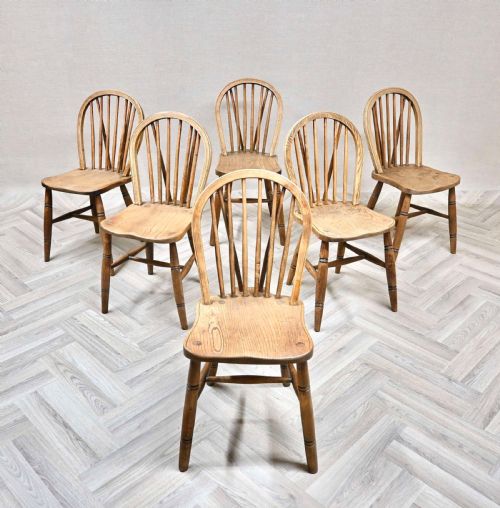
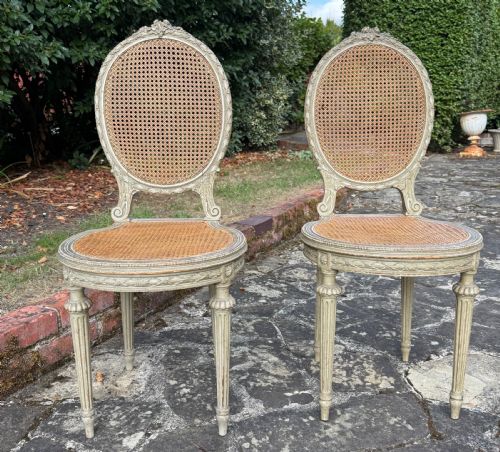
Country seating utilised native timbers such as elm, ash, and beech, often combining woods within a single chair to balance structural strength with pliable comfort. Seats incorporate solid timber squabs, woven rush, or cane inserts alongside upholstered pads covered in fabric, leather, or velvet.
Some nineteenth-century Windsor chairs carry the unmistakable telltale dents of generations past who sat rather too comfortably through long farmhouse dinners.
Assessing quality and craftsmanship
Quality rests upon timber selection and the crispness of hand-carved detail on splats, rails, and crest rails. Superior sets maintain structural integrity through tight joinery, matching wood grain across frames, and retaining deep patination on the polished surfaces.
Lesser examples show excessive timber shrinkage, poorly executed repairs, or mismatched components within a supposedly uniform set. The presence of secondary timbers and the depth of finish distinguish standard utility chairs from pieces produced by notable workshops.
Gillows
The Antique Wood Dining Seats Glossary
- Carver
- An armchair designed to sit at the head of a dining table, sharing stylistic traits with the matching side chairs.
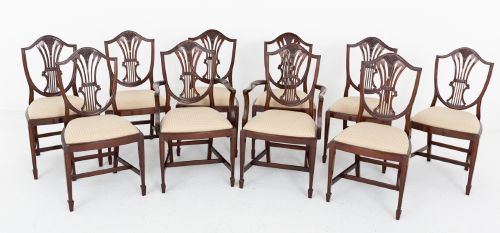
- Shield Back
- A chair back shaped like a heraldic shield, popularised during the Georgian and Hepplewhite periods.
- Lathe Back
- A Windsor-style chair back featuring flat, vertical wooden slats turned on a lathe.
- Patina
- The lustrous surface sheen developed on wood through decades of handling, cleaning, and ageing.
- Harlequin Set
- A collection of chairs that match broadly in style and period but vary slightly in individual details.
Antique Wood Dining Seats: Frequently Asked Questions
How do I match antique chairs to a modern table?
Focus on the timber tone and overall period style rather than trying to match exact decades. Mahogany pairs well with dark woods, while lighter elm and ash chairs suit rustic or painted dining tables.
Measure the seat height and apron clearance underneath your table to ensure diners have sufficient legroom. Armchairs require extra attention to make sure the arms clear the underside of the table leaf.
Are large sets of antique chairs rare?
Sets comprising eight, ten, or twelve matching chairs survive in smaller quantities because many were split up over generations or lost to heavy use. Finding large, unified groupings from the eighteenth and nineteenth centuries involves patience.
Harlequin sets offer an alternative, bringing together chairs of a similar era and timber to create a cohesive gathering around a large dining table.
What is the difference between a side chair and a carver?
Side chairs are compact, armless seats designed to line the sides of a dining table efficiently. Their narrow proportions allow more people to be seated comfortably along the length of the furniture.
Carvers feature supportive armrests and are traditionally placed at the head and foot of the table for the host. They share the decorative motifs of the accompanying side chairs but provide a grander silhouette.
How should I care for antique wood seats?
Keep wooden chairs away from direct heat sources and radical humidity shifts to prevent the timber from splitting and glue joints from drying out. Dust regularly with a soft, dry cloth to protect the finish.
Apply a microcrystalline wax occasionally to nourish the wood and maintain the surface sheen without building up sticky residue. Avoid liquid polishes containing silicones.