
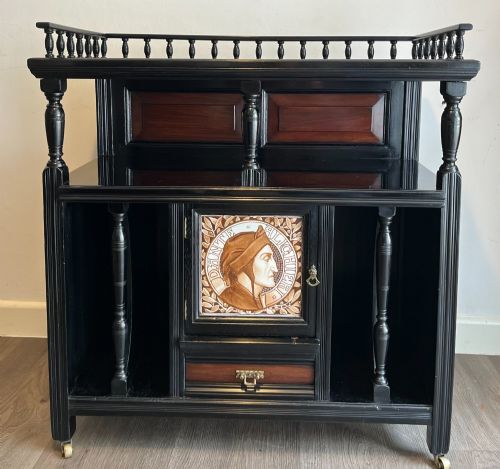
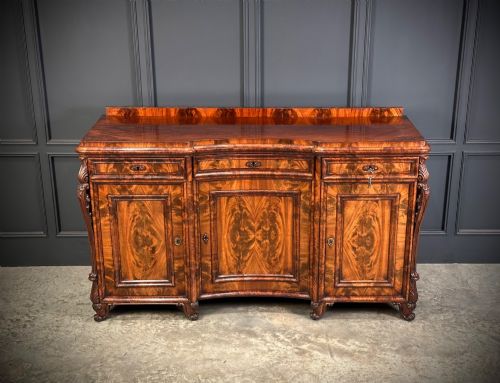
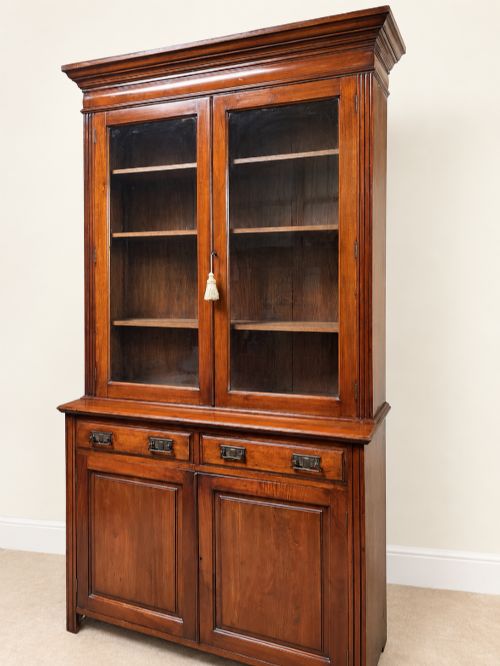
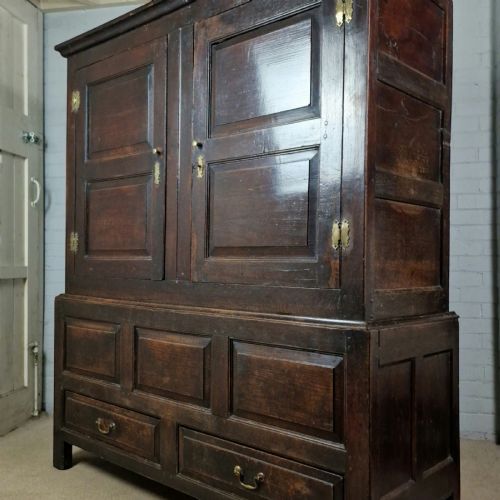
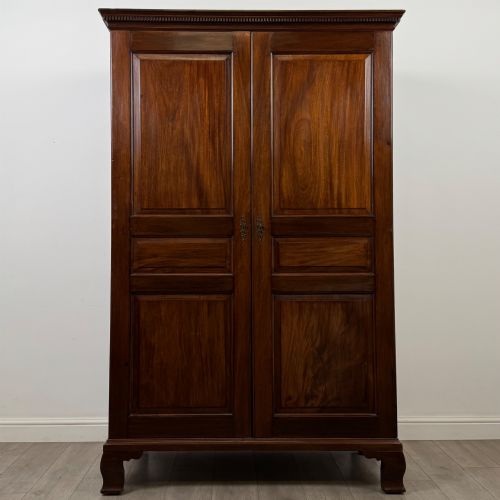
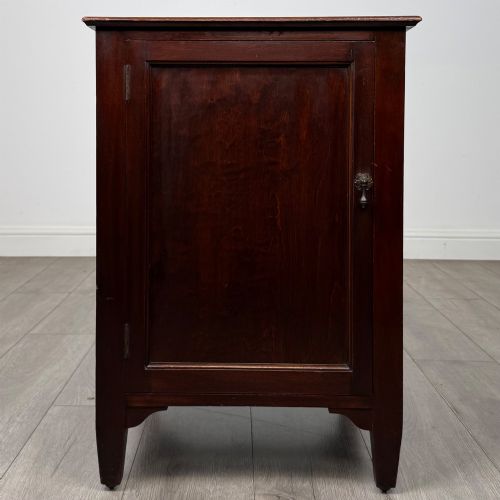
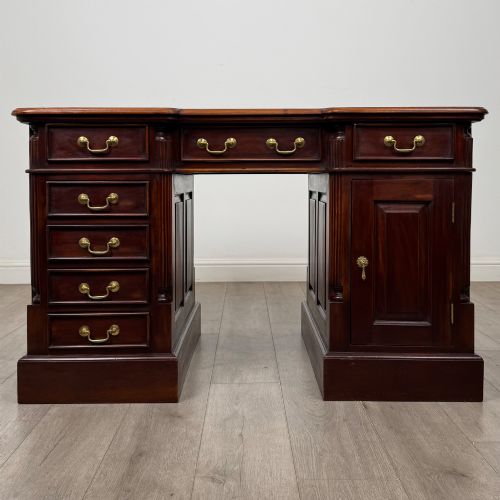
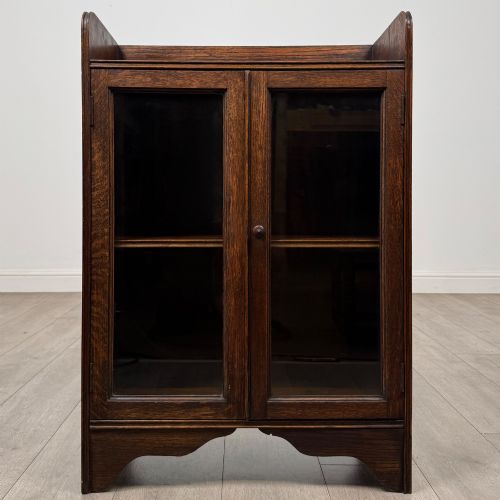
Antique Wood Cupboard
When you search for an antique wood cupboard, you meet timber storage forms shaped by centuries of Georgian proportion, Victorian scale and Edwardian refinement.
Antique Wood Cupboard
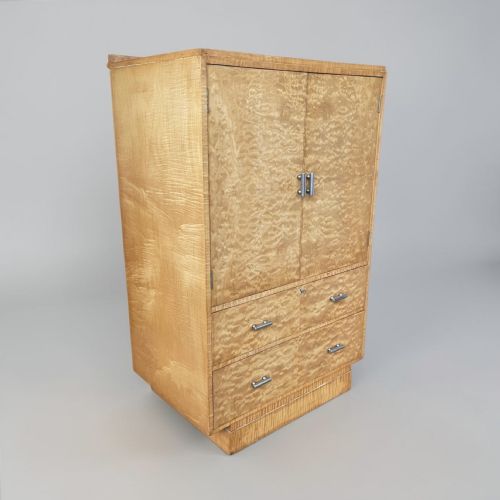
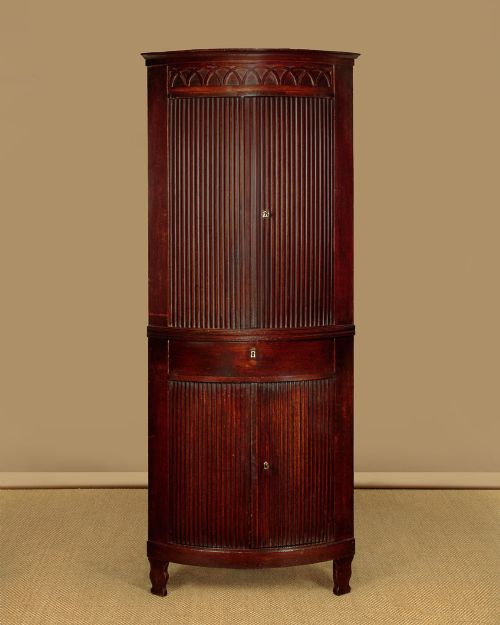
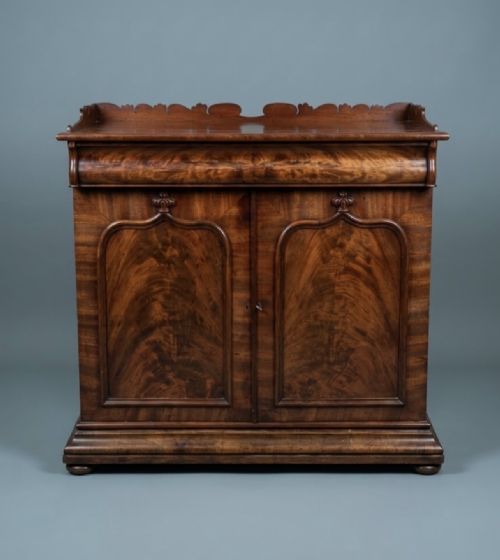
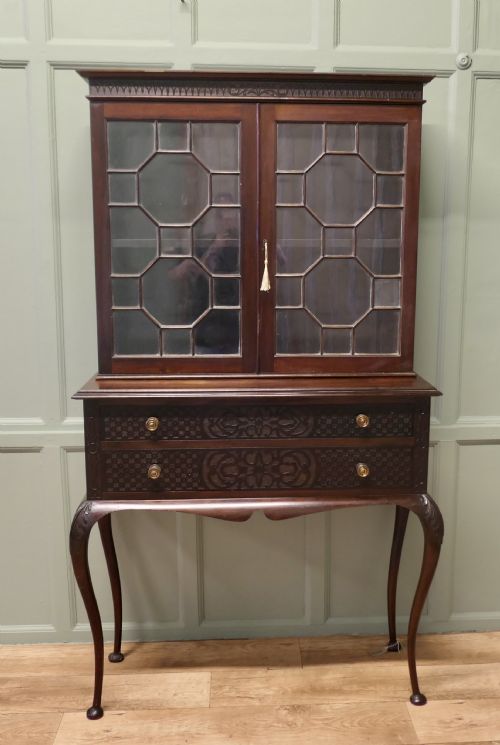
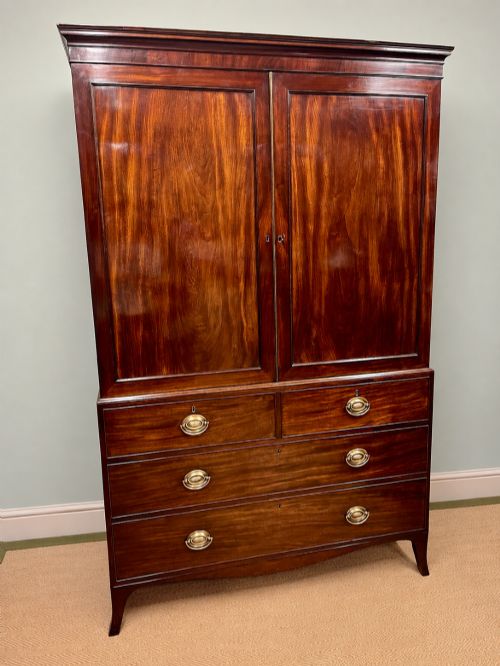
An antique wood cupboard encompasses a broad lineage of wooden storage furniture, spanning corner cupboards, linen presses, display cabinets and sideboards. These pieces serve domestic utility while displaying the cabinetmaker's mastery of timber and form across periods from the eighteenth century to the twentieth.
The most frequent examples encountered on this page date from the Victorian and Edwardian eras, alongside robust Georgian pieces. Forms range from wall-hanging spice cupboards and bedside pot cupboards to grand breakfront bookcases and break-down wardrobes.
Origin and regional style vary widely, drawing on English country workshops, formal London cabinet-makers, Scottish makers, and continental European traditions such as French provincial and Dutch marquetry. Each region utilised local woods and distinct construction methods to solve the perennial problem of domestic storage.
Materials and Construction
Construction relies heavily on dense hardwoods like mahogany, oak, walnut and rosewood, frequently enhanced by decorative veneers such as flame mahogany, burr walnut, and satinwood crossbanding. Secondary woods like pine and fruitwood provide internal framing, drawer linings and backing panels.
Joinery techniques combine dovetailed drawer construction, mortise and tenon framing, and hand-cut panels designed to accommodate natural timber movement. Brass hardware, including drop handles, escutcheons and glazing bars, punctuates the polished wooden surfaces.
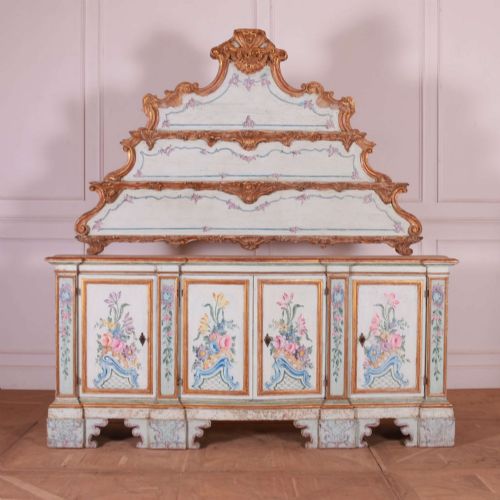
Surface finishing ranges from hand-applied wax polish highlighting the deep grain of rosewood and mahogany to painted finishes on Venetian and provincial pine pieces. Inlaid details incorporate contrasting stringing, marquetry, and pokerwork floral motifs.
Tiny table-top collectors' cabinets preserve centuries of miniature drawers designed for specimens, coins and curiosities.
Judging Quality and Craftsmanship
Quality rests upon the selection of timber figures, such as symmetrical flame mahogany or richly figured burr walnut, matched across door panels and drawer fronts. Superior pieces employ solid secondary timbers throughout rather than cheap modern replacements.
The refinement of the joinery distinguishes standard utility furniture from exceptional workshop pieces, visible in tight dovetails, smooth drawer operation, and accurately fitted doors. Original brassware, working locks with matching keys, and intact glass panes further elevate a piece.
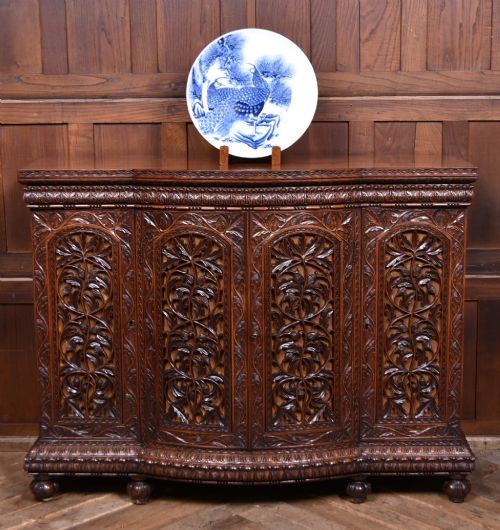
Subtlety of carved ornament and precision of inlay dictate the tier of craftsmanship, where hand-carved acanthus leaves, crisp astragal glazing bars, and delicate satinwood stringing demonstrate superior hand skills.
JS Henry·Maple And Co
The Antique Wood Cupboard Glossary
- Linen Press
- A tall double-door storage piece containing sliding trays or shelves in the upper section for textiles, placed above drawer storage at the base.
- Chiffonier
- A compact sideboard or low cabinet developed in the Regency and Victorian periods, often featuring a raised back gallery and enclosed shelving.
- Breakfront
- A piece of furniture where the central section projects forward from the recessed flanking wings, creating dynamic architectural depth.
- Astragal Glazed
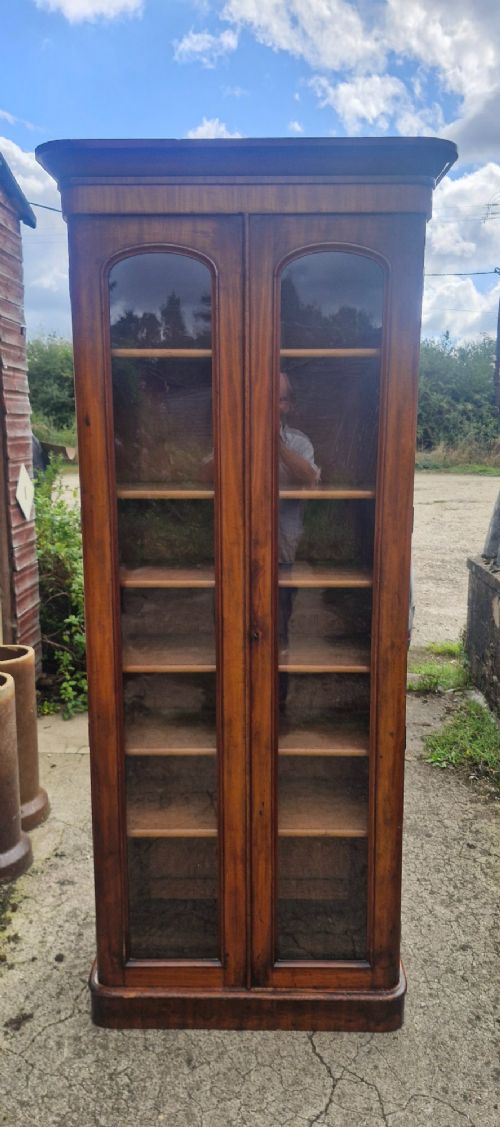
- Doors fitted with slender wooden mouldings that divide glass panes into geometric panels, typical of fine bookcases and display cabinets.
- Marquetry
- The art of applying decorative veneer pieces in wood, shell or ivory to form intricate pictorial or geometric patterns on a wooden carcase.
Antique Wood Cupboard: Frequently Asked Questions
How do I date an antique cupboard?
Dating relies on examining construction methods, timber choices, and secondary woods like pine or oak used for drawer linings. Hand-cut dovetails, tool marks, and specific hardware styles provide clear physical clues to the century of manufacture.
Stylistic shifts from heavy Georgian proportions through ornate Victorian carving to Edwardian inlay also help narrow down the period of origin.
What is a pot cupboard?
A pot cupboard is a small bedside cabinet historically designed to house a chamber pot behind a single door. They frequently feature a marble top or a pull-out slide for practical convenience.
Today, these compact pieces function exceptionally well as lamp tables or bedside storage units in smaller spaces.
Are antique cupboards suitable for modern kitchens?
Many larger cupboards, such as housekeepers' cupboards, press cupboards and dresser bases, adapt wonderfully to modern kitchen or pantry storage. Their deep shelves and generous proportions accommodate crockery and provisions with ease.
Ventilated panels and adjustable shelving found in period pieces make them surprisingly practical for contemporary living requirements.
How should I care for polished wood?
Maintain polished wood surfaces by dusting regularly with a dry, soft cloth and applying a quality beeswax sparingly when the timber appears dry. Avoid placing antique furniture near direct heat sources or in strong sunlight, which causes timber to split and finishes to fade.
Maintaining a stable room humidity prevents the wooden panels and joints from shifting or cracking over time.