


Georgian Small Cabinet
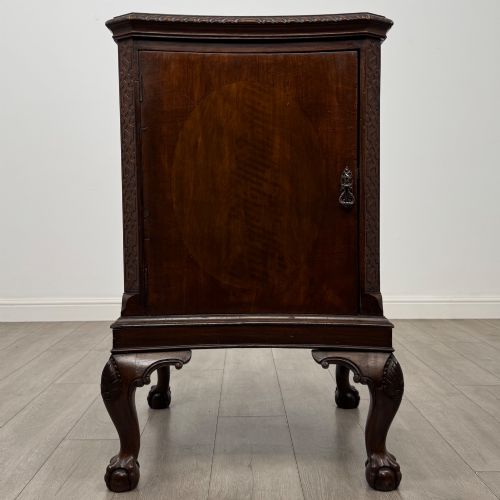
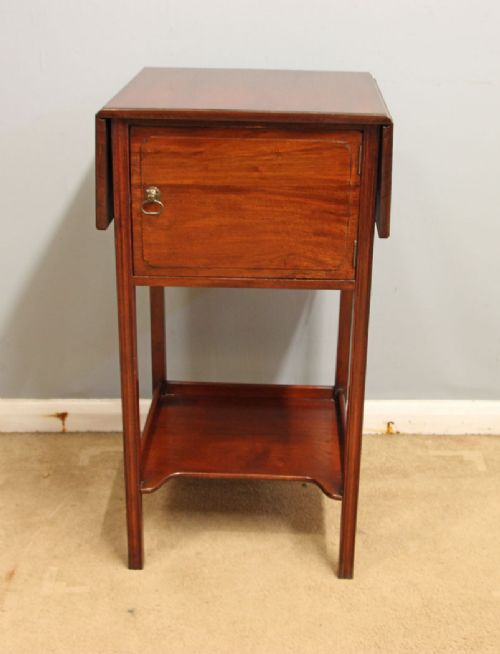
A georgian small cabinet offers compact proportions and period timber quality, making it a practical choice for storing valuables in a modern home.
Georgian Small Cabinet
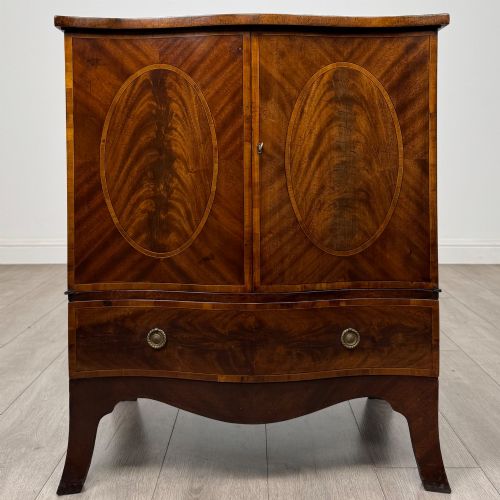
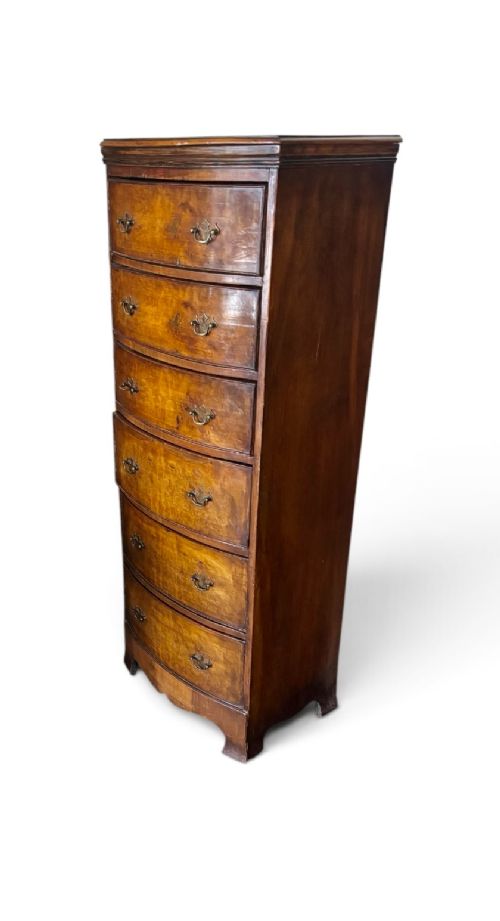
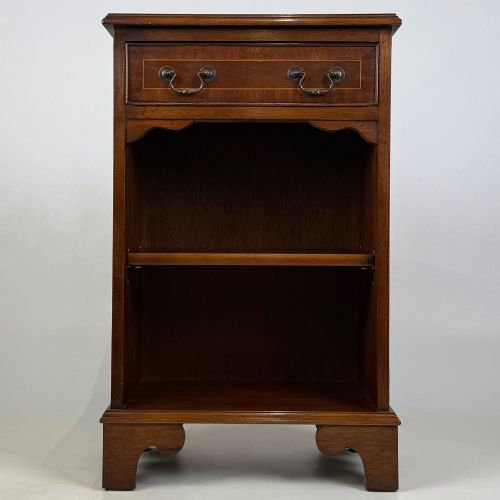
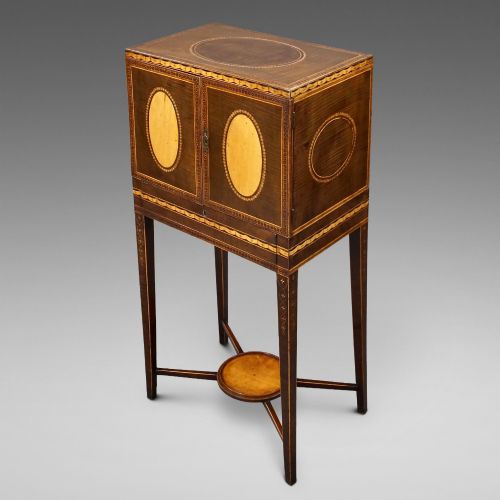
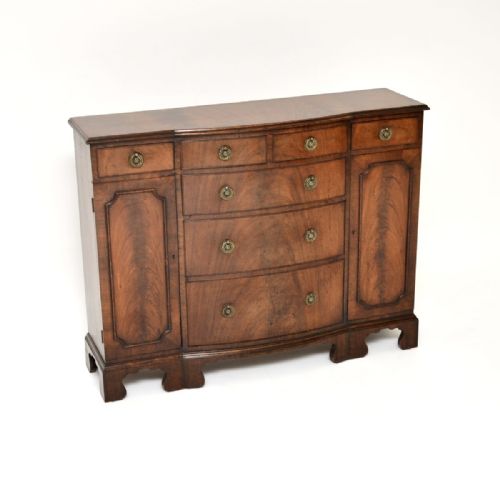
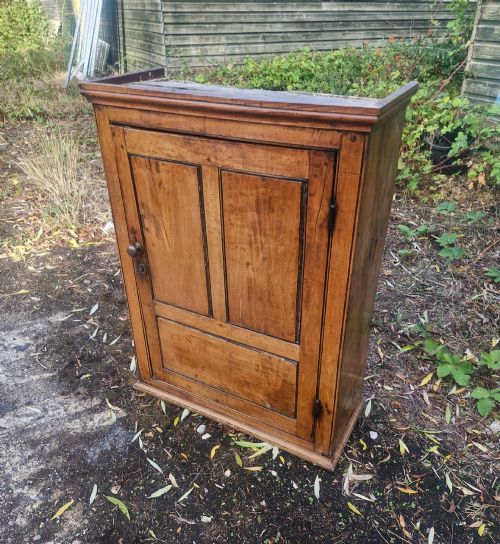
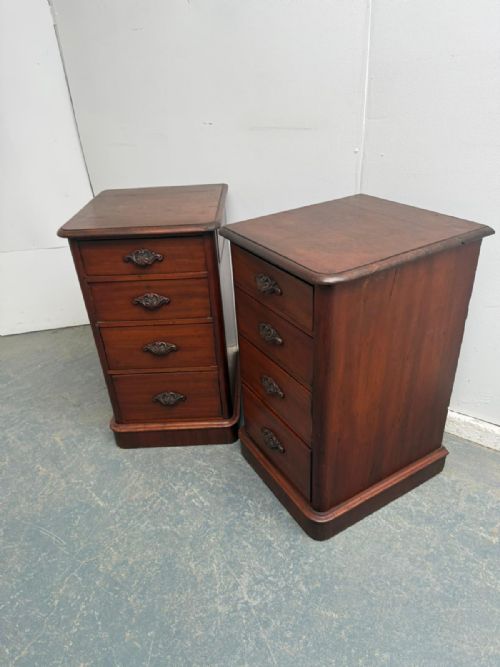
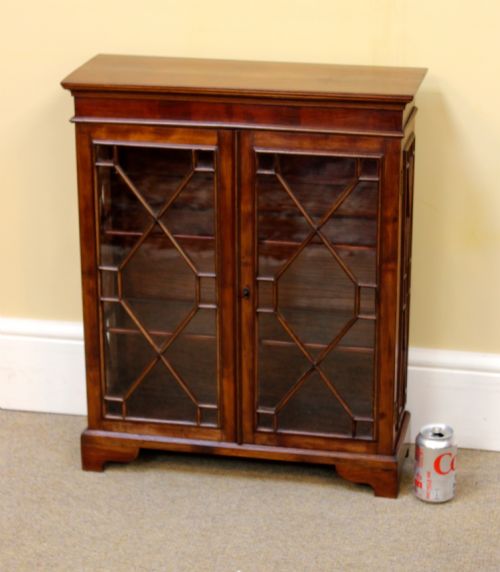
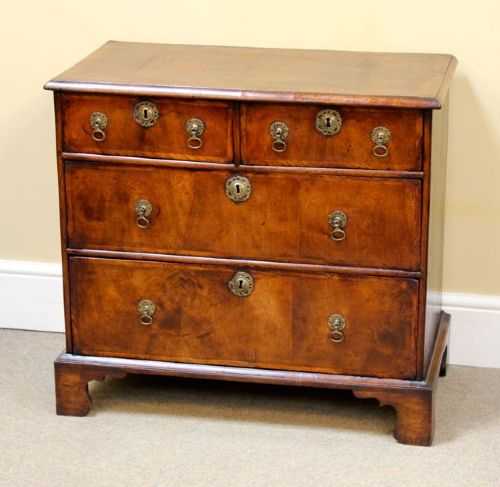
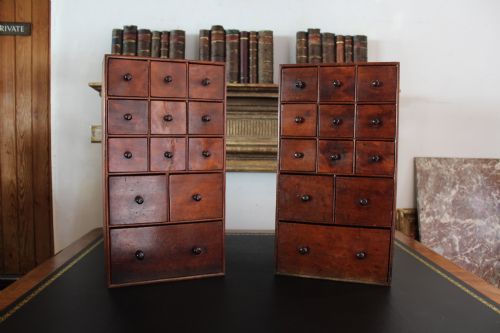
When you search for a georgian small cabinet, you encounter a variety of compact furniture forms designed for storage and display across several centuries. The selection ranges from 18th-century oak spice cupboards and hanging corner cupboards to refined mahogany bedside cabinets and tallboys. Pieces from the Georgian period sit alongside later revivals from the Edwardian era and the 1920s and 1930s, reflecting enduring demand for small-scale antique storage.
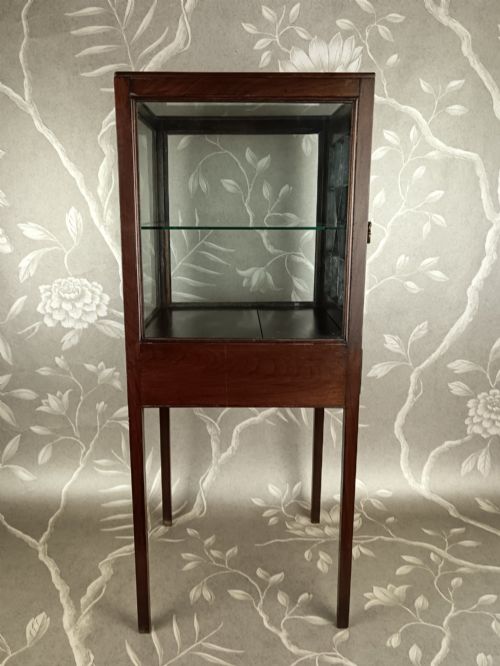
The materials span native and imported timbers, with mahogany dominating alongside oak, walnut, pine, and satinwood. Formats vary widely to include display cabinets, bookcases, chests of drawers, and pot cupboards, often tailored for specific domestic uses like bedside tables or writing desks. Whether you choose an early oak wall cupboard or a later mahogany bow-front chiffonier, these items combine functional compartments with traditional craftsmanship.
How they were made
Cabinet makers utilised solid timbers and veneers, pairing structural woods like oak and pine with decorative surfaces of mahogany, walnut, and harewood. Joinery relied on traditional methods such as dovetailing for drawer construction and mortise and tenon frames for doors and carcases. Surfaces frequently received a waxed finish to highlight the natural grain of the wood.
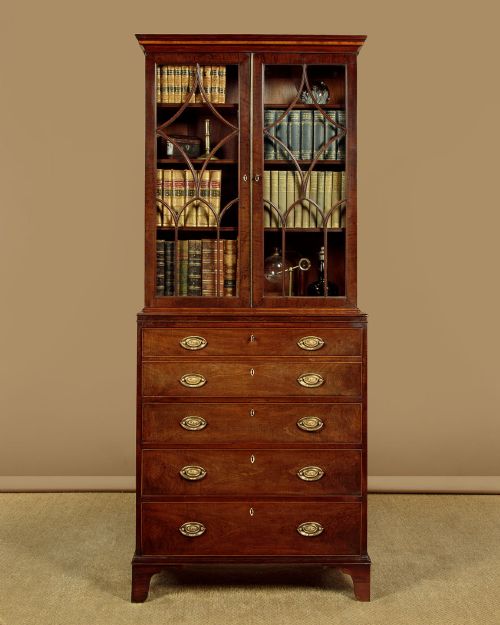
Inlaid decoration and brass hardware added refinement to many examples, incorporating stringing, marquetry, and brass handles or escutcheons. Glazed doors on bookcases and vitrines utilised timber framing to hold individual panes of glass securely.
Listings feature woods such as mahogany, oak, walnut, pine, satinwood, and yew across centuries ranging from 1700 to the 1930s.
What varies in quality
The standard of timber selection largely dictates the visual appeal of a piece, separating figured or flame mahogany and burr walnut from plain grain surfaces. Superior examples display careful book-matching of veneers and subtle inlay work that complements the proportions of the cabinet rather than overwhelming them.
Construction details also separate workshop grades, particularly the crispness of carved mouldings, the thickness of drawer linings, and the survival of original brass fittings and locks. Pieces attributed to documented makers like Gillows show a higher degree of finish in concealed areas compared to standard regional furniture.
Gillows
The Georgian Small Cabinet Glossary
- Tallboy
- A tall chest of drawers consisting of one chest stacked upon another, offering high storage capacity within a compact floor footprint.
- Vitrine
- A glass-fronted cabinet designed specifically for the display of curiosities, porcelain, or books.
- Chiffonier
- A low sideboard or cabinet, typically featuring a combination of drawers and doors, popular during the Regency and later periods.
- Escutcheon
- A protective plate surrounding a keyhole, frequently fashioned from brass or bone to prevent wear on the surrounding timber.
- Demi lune
- A half-moon shape used for the footprint of side cabinets and tables, allowing them to sit flush against a wall.
Georgian Small Cabinet: Frequently Asked Questions
What is a georgian small cabinet?
A georgian small cabinet is a piece of compact wooden furniture designed for storage, writing, or display, originating from the 18th or early 19th centuries or later revival periods.
These items encompass forms like bedside tables, wall cupboards, and diminutive chests, prized for their versatile proportions.
How were these cabinets used?
Original uses varied widely depending on the internal layout, ranging from bedside storage and pot cupboards to specialised housing for books, spices, or collectors' items.
Many functioned as writing desks or display cases for porcelain and decorative objects in principal rooms.
How do I style a small antique cabinet at home?
Their modest scale allows these cabinets to fit easily into alcoves, hallways, or beside beds, providing useful surface space and concealed storage.
Pair them with contemporary or traditional interiors to introduce warm timber tones and period character without dominating a room.
How can I tell the period apart?
Distinguishing periods involves examining timber choices, construction techniques, and decorative hardware styles, such as satinwood inlay or brass drop handles.
Early pieces often feature solid oak or walnut, while later Georgian and revival versions frequently utilise mahogany and distinct regional joinery traits.