
Edwardian Carved Armoire
An edwardian carved armoire brings grand timber storage and intricate detail to a bedroom, combining practical hanging space with period presence.
Edwardian Carved Armoire
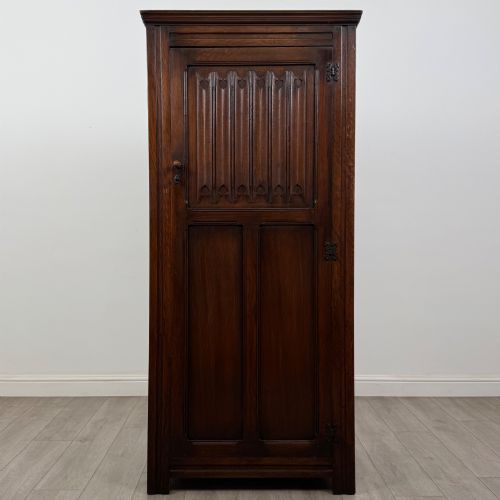
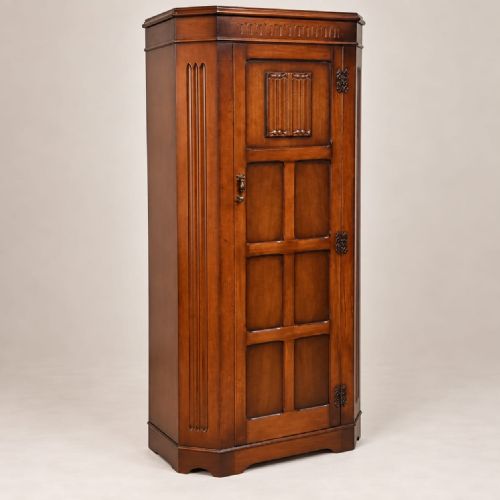
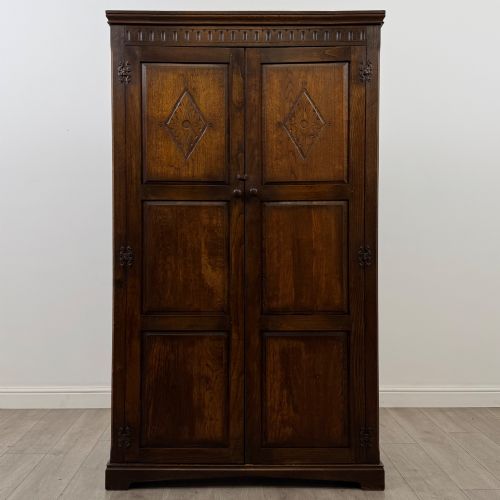
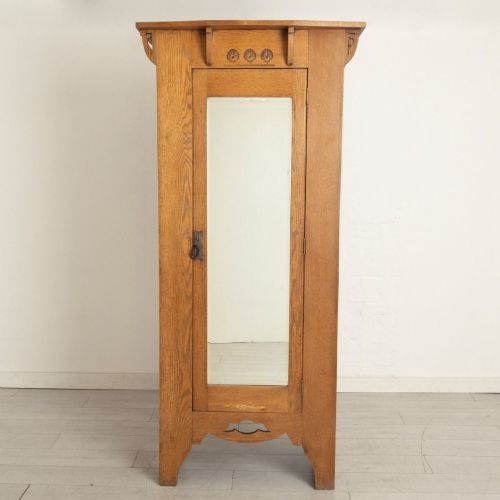
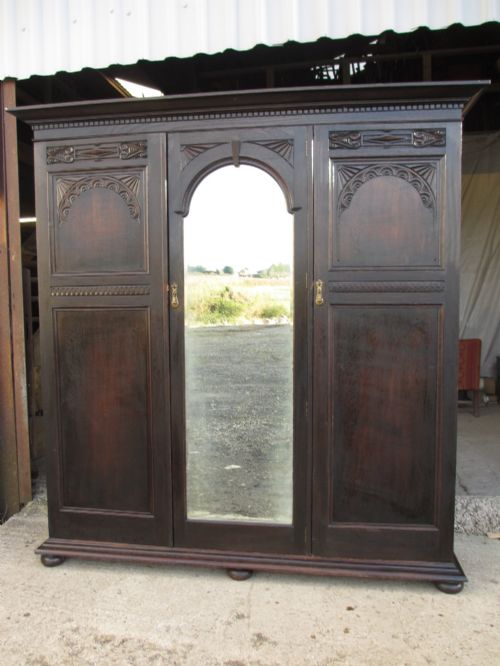
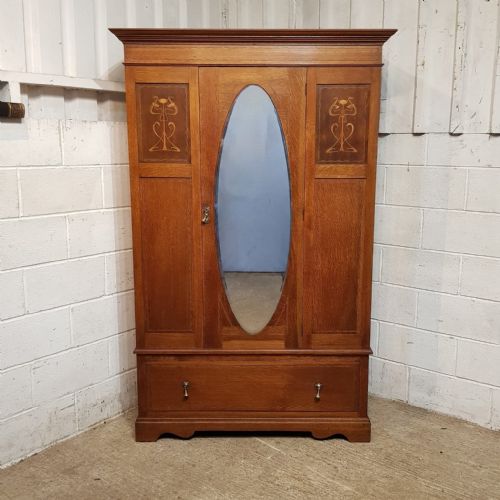
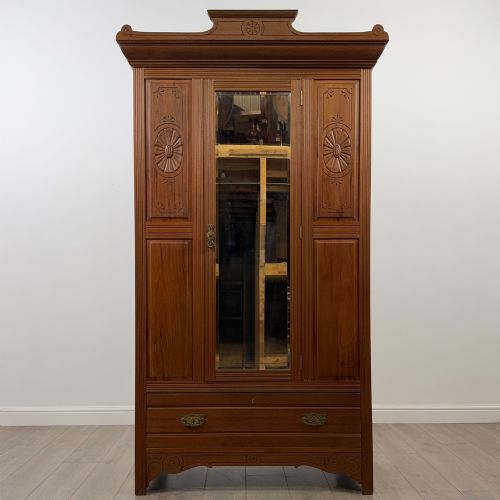
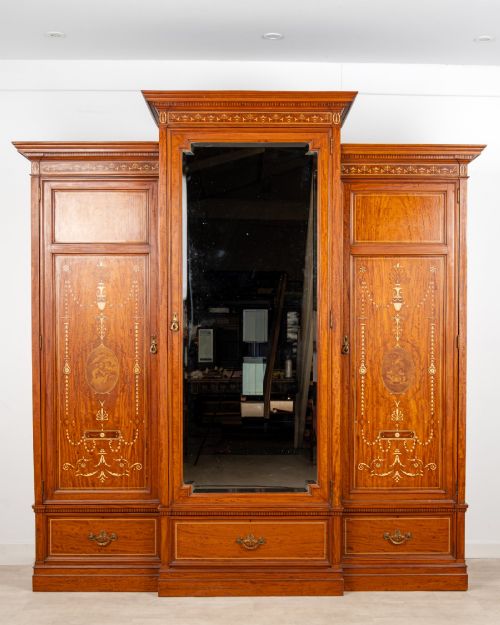
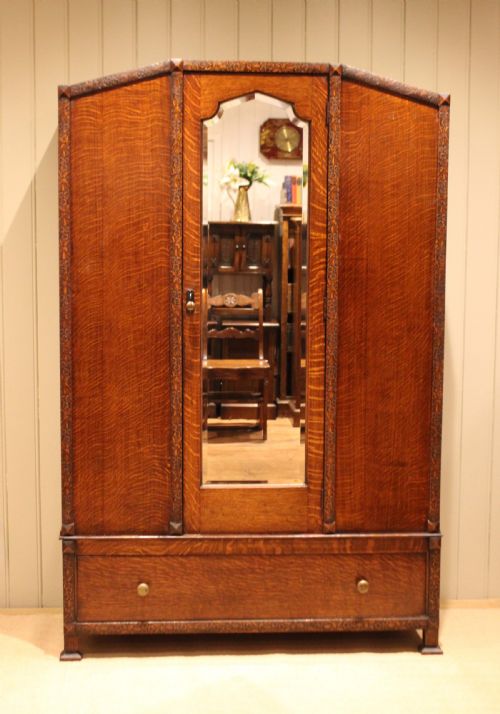
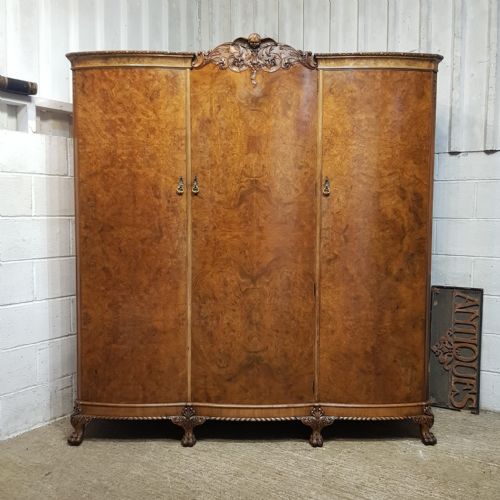
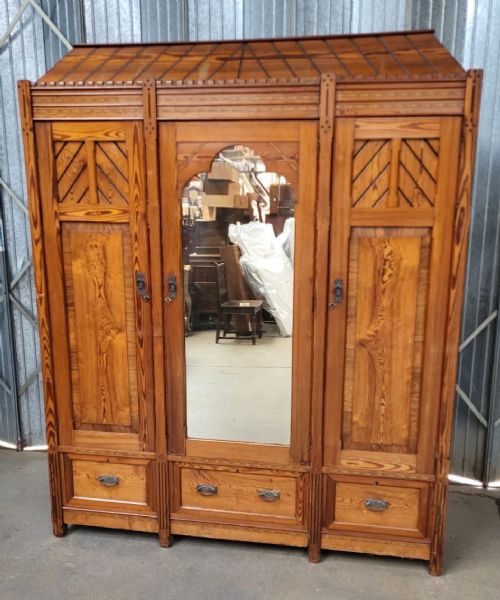
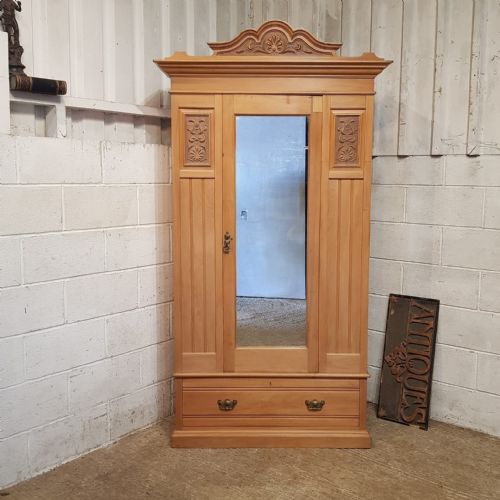
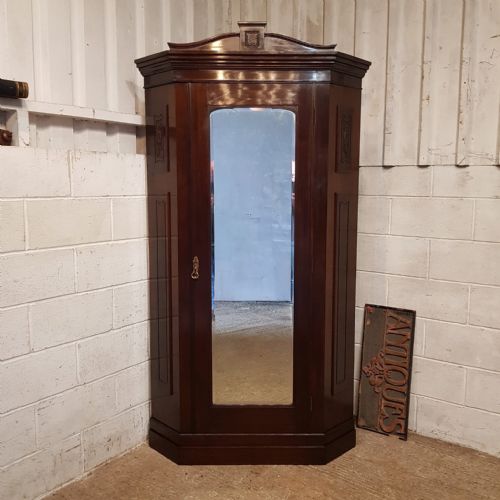
An edwardian carved armoire functions primarily as a large bedroom wardrobe or storage cabinet, often incorporating mirrored doors, panelled sides, and lower drawers. These pieces emerge predominantly from the early twentieth century and the late nineteenth century, reflecting the domestic needs of the period.
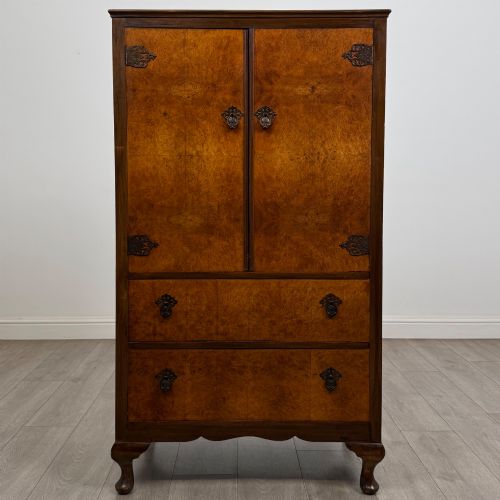
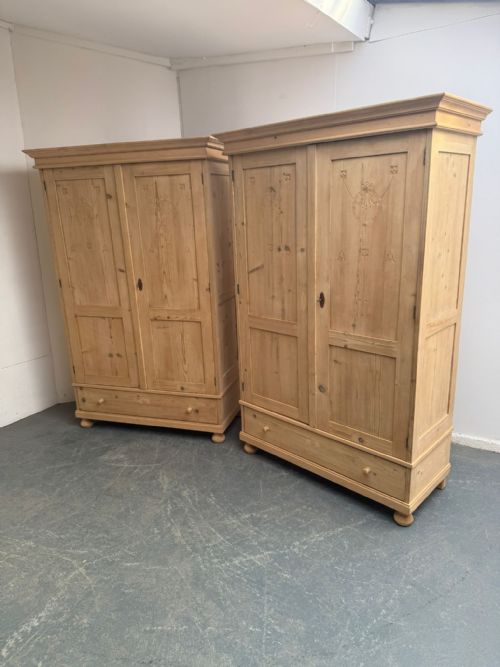
Oak and mahogany serve as the most common timbers for these wardrobes, frequently styled with Edwardian, Arts and Crafts, or Art Nouveau motifs. Buyers meet single, double, and triple configurations, sometimes outfitted with internal linen presses or compactum compartments.
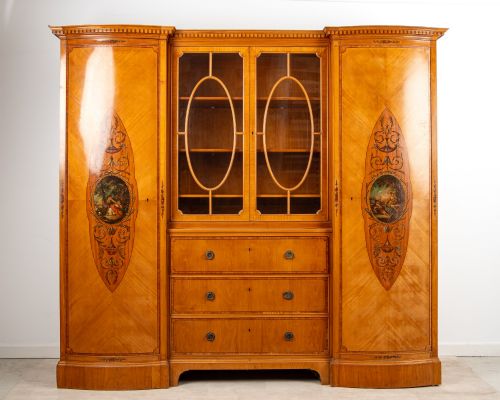
Makers from the era produce variations ranging from plain utility pieces to highly decorative breakfront designs with marquetry inlay and hand-painted panels. The selection spans straightforward hall robes to grand bedroom suite components.
How They Were Made
Cabinet makers utilise solid timbers such as oak, mahogany, walnut, and pine, often embellished with veneers of burr walnut, satinwood, and pollard oak. Metal fittings in brass and iron provide structural support and operational hardware for doors and drawers.
Surface decoration relies on hand-carved detailing, marquetry inlay, and painted panels, alongside bevelled glass set into mirrored doors. Many larger wardrobes employ knockdown construction methods using bolts and screws to allow transportation and assembly in domestic rooms.
Some gentlemen's wardrobes still retain the faint, lingering scent of pipe tobacco and cedar from a century ago.
What Varies in Quality
The refinement of the carved ornamentation and the choice of timber figure distinguish standard production from exceptional examples. Dense solid oaks and matched burr walnut veneers demonstrate superior material selection.
Internal configuration and joinery complexity dictate the tier of the piece, where fully fitted interiors with linen slides and multiple internal drawers surpass basic hanging spaces. Structural integrity relies on sound cabinet construction and substantial brass hardware.
Maple & Co·Edwards & Roberts·Gillows of Lancaster·Arnott & Co
The Edwardian Carved Armoire Glossary
- Compactum
- A multi-section wardrobe combining hanging space, shelves, and internal drawers within a single unified cabinet. This design offers comprehensive clothing storage.
- Marquetry
- The art of applying pieces of veneer to a structure to form decorative patterns and pictorial designs. Craftsmen utilise various coloured woods to achieve tonal contrast.
- Breakfront
- A piece of furniture where the central section projects forward from the flanking outer sections. This architectural form adds visual depth to large wardrobes.
- Linen Press
- A tall storage cupboard traditionally utilised for flat linens and garments, often featuring sliding trays or shelves behind upper doors.
- Pollard Oak
- Timber taken from trees that have been pollarded, producing a gnarled grain pattern with dense cluster markings. Cabinet makers prize this wood for decorative drawer fronts and panels.
Edwardian Carved Armoire: Frequently Asked Questions
How do I dismantle a large wardrobe?
Many period wardrobes utilise internal bolts or knockdown systems designed for assembly in situ. Dismantling requires noting the position of panels and doors to ensure correct realignment.
Working with a helper prevents damage to heavy timber cornices and mirrored doors during the process.
What is a compactum wardrobe?
A compactum is a multi-functional wardrobe that integrates hanging compartments, shelves, and internal drawers into one piece of furniture. These configurations maximise storage efficiency for various types of clothing.
They represent a more sophisticated tier of bedroom cabinetry from the period.
How do I clean carved oak?
Dusting with a soft, dry cloth removes surface particles without disturbing the wax finish on the timber. Avoid modern liquid polishes that can build up within carved recesses.
Occasional application of traditional beeswax maintains the lustre of the wood.
Can I replace a broken mirror?
Original bevelled mirror glass can be removed and replaced by a specialist glazier when breakage occurs. Preserving the original backing timber and clips maintains the authenticity of the door.
Care must be taken with heavy door frames during glass replacement.