

Antique Wood Cherubs
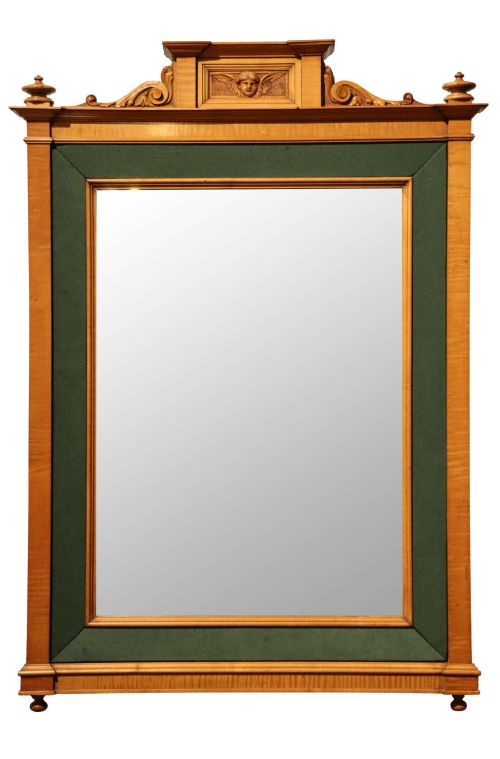
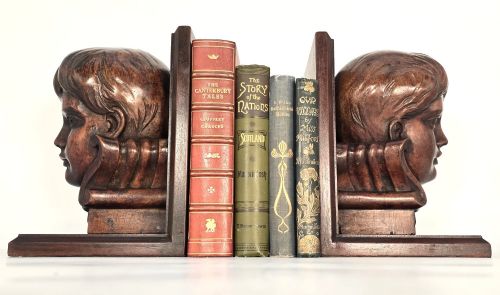
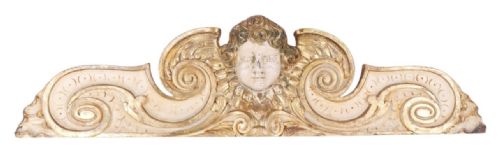
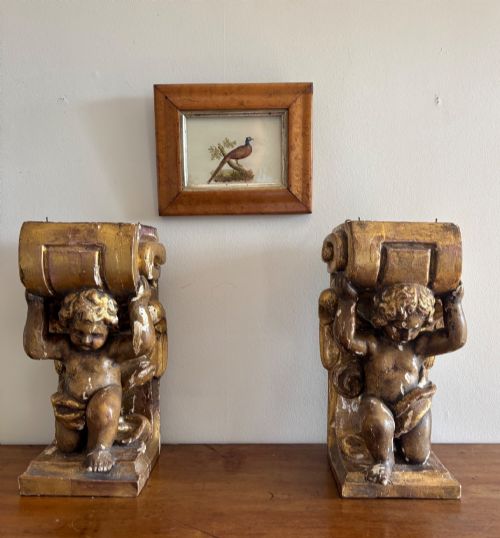
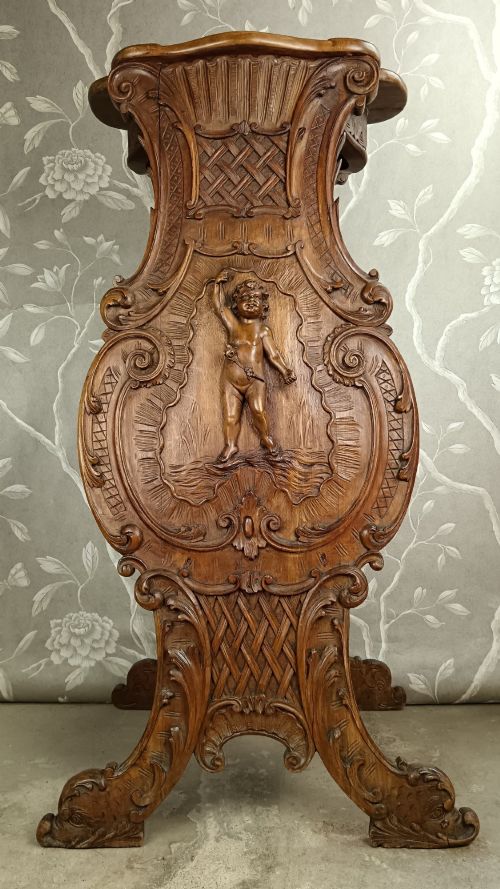
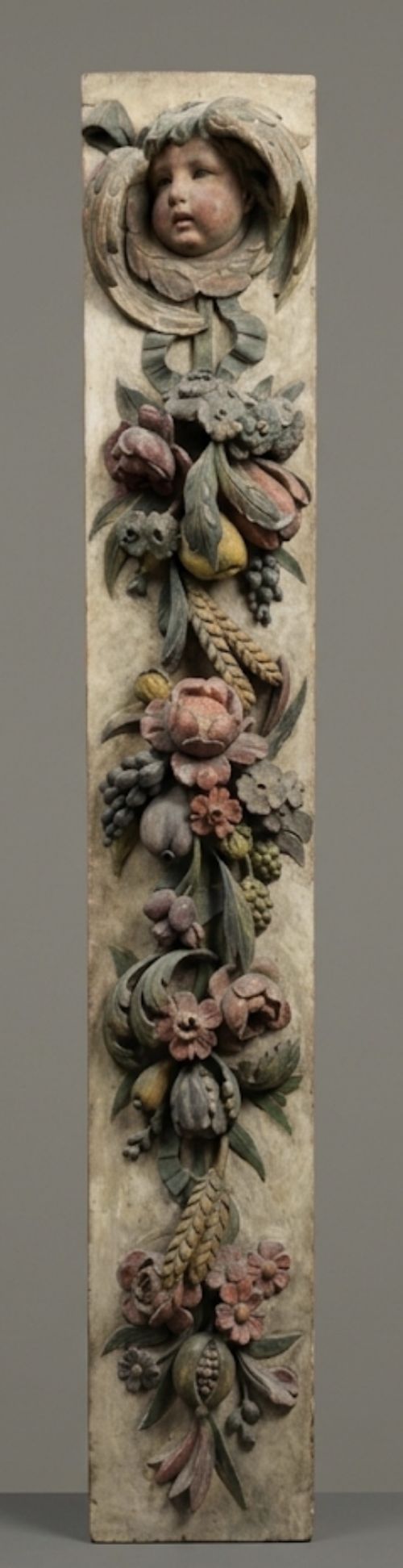
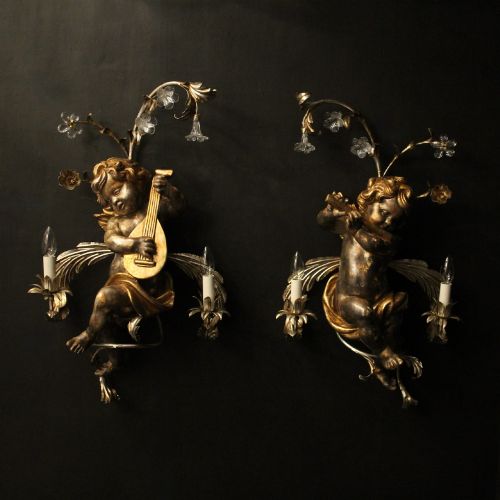
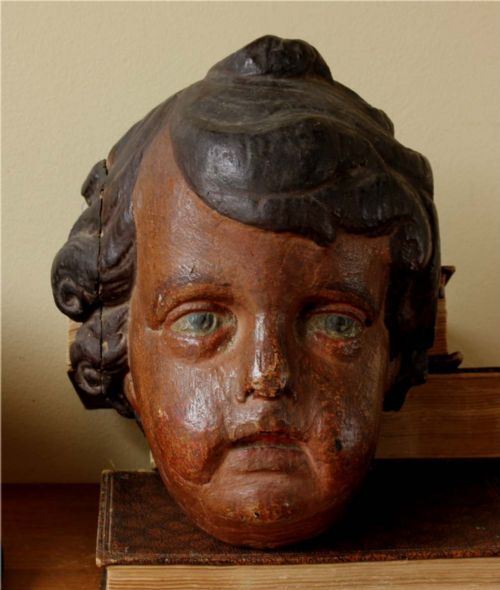
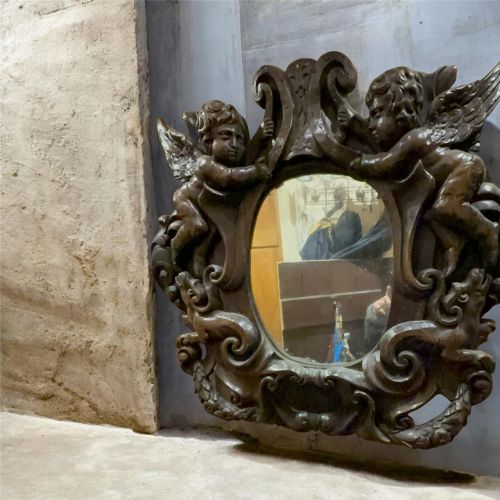
Antique wood cherubs bring carved celestial figures into domestic interiors, appearing as wall brackets, architectural elements and freestanding sculptures.
Antique Wood Cherubs
When you search for antique wood cherubs, you encounter carved representations of winged divine children spanning several centuries of European craftsmanship.
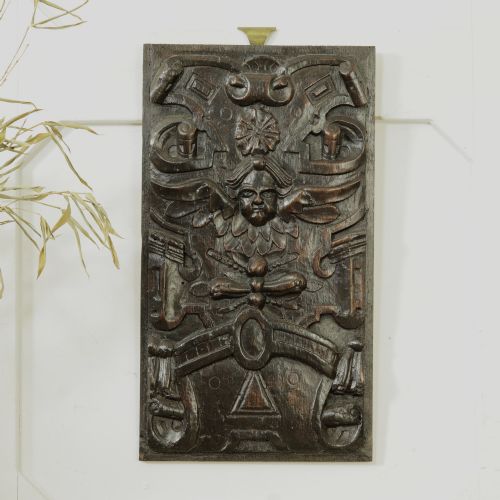
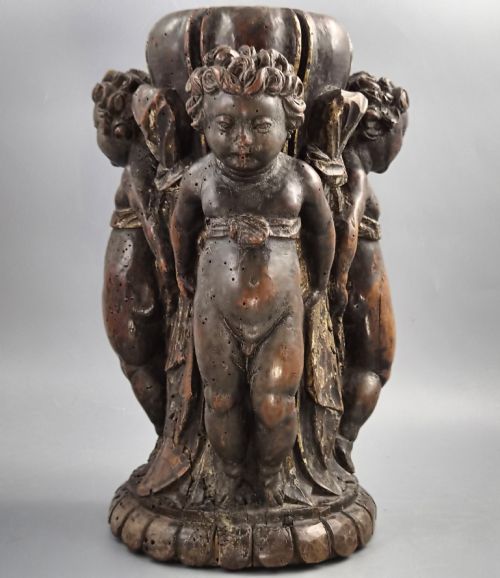
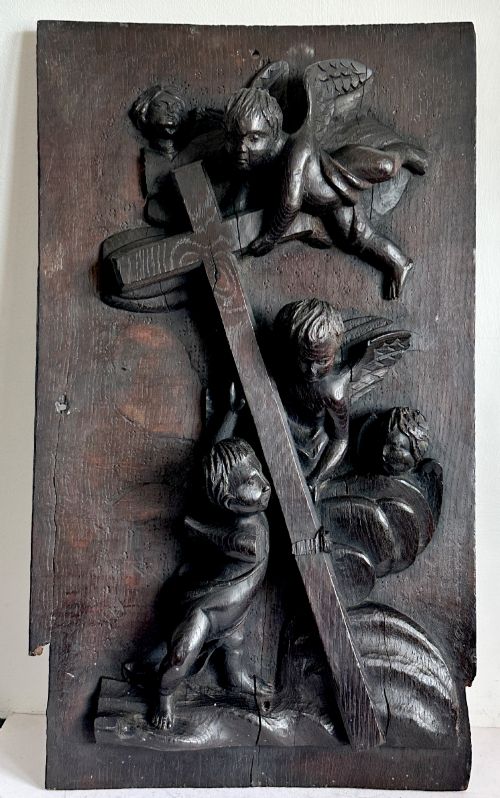
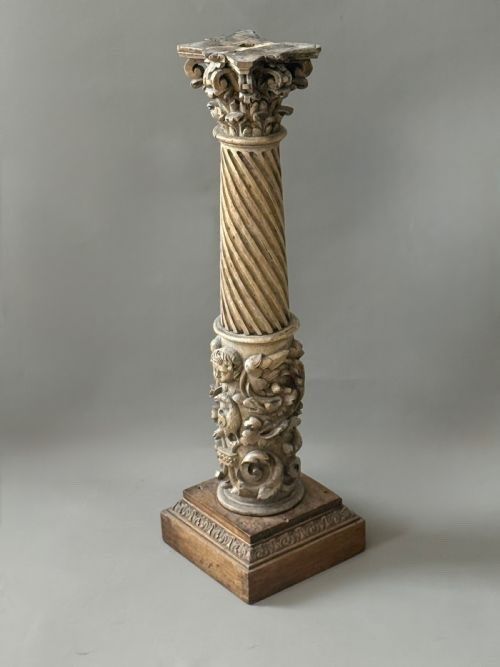
The pieces on this page include wall brackets, architectural panels, torchiere bases and figural sculptures rooted in Baroque, Rococo and Renaissance styles.
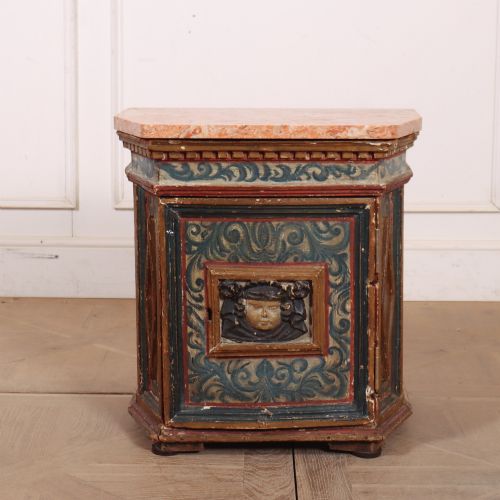
Italian, French and German workshops produced these carvings in oak, walnut, lime wood and pine, often finished with giltwood, gesso or polychrome paint.
How they were made
Artisans carved these figures directly from solid timber such as oak, walnut, mahogany and lime wood using gouges and chisels.
Many surfaces received layers of gesso before application of gold leaf or silver giltwood, while others retained painted polychrome decoration or bare timber.
Some winged infants peer out from behind church altars, library bookshelves and overdoors with remarkably cheeky expressions.
What varies in quality
The distinction between ordinary and superior carving lies in the depth of relief, anatomical proportion and fluidity of the drapery and wings.
Original surface treatments, whether aged gilding or early polychrome paint, elevate a piece above later refinishing or stripped wood.
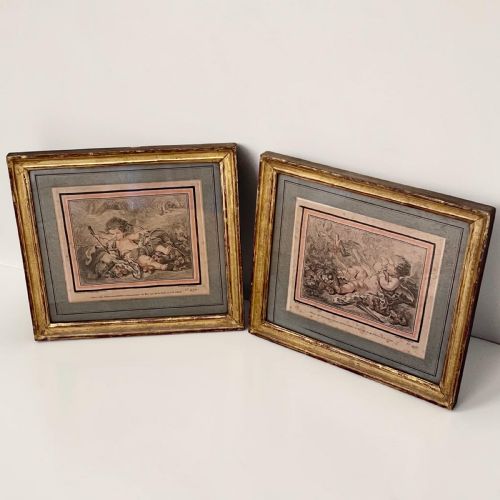
Edward Pearce·Grinling Gibbons·Jean Baptiste Isabey·Demarteau
The Antique Wood Cherubs Glossary
- Putti
- Winged infant figures originating in classical art, commonly depicted in Renaissance and Baroque sculpture.
- Giltwood
- Timber coated with gold leaf over a prepared gesso ground, popular in Baroque and Rococo decorative objects.
- Polychrome
- Decorated in several colours, often applied to wood sculptures and panels to imitate life.
- Gesso
- A plaster mixture applied to wood surfaces as a smooth base for gilding and paint.
- Torchiere
- A tall ornamental stand or candlestick base, frequently carved in wood with figural supports.
Antique Wood Cherubs: Frequently Asked Questions
How were antique wood cherubs used originally?
These carved figures served as architectural ornaments on overdoors, church altars, wall brackets and furniture mounts. They decorated grand domestic interiors and ecclesiastical spaces alike.
Over time, many elements were removed from their original architectural context and mounted as standalone wall sculptures or decorative objects.
How do I clean and care for carved wood cherubs?
Dust the carvings gently with a soft, dry brush to prevent dirt accumulation in the recessed details. Avoid liquid cleaners, especially on giltwood and painted surfaces.
Keep the pieces away from direct sunlight and sudden temperature changes to protect the old timber and delicate gesso layers from cracking.
How can I tell the period of a carved cherub?
Examine the wood species, tool marks and underlying preparation layers like gesso. Baroque pieces often feature dynamic movement and rich gilding, whereas earlier oak carvings show robust, deep relief.
Stylistic cues such as acanthus leaf motifs, drapery style and regional carving techniques also help determine whether a piece belongs to the seventeenth, eighteenth or nineteenth century.
What is the difference between a cherub and a putto?
Art history distinguishes between biblical cherubim and secular putti, though the terms often merge in antique descriptions. Putti represent playful winged infants derived from classical mythology.
Both forms appear frequently in European wood carvings intended to inspire devotion or decorative delight in domestic settings.