

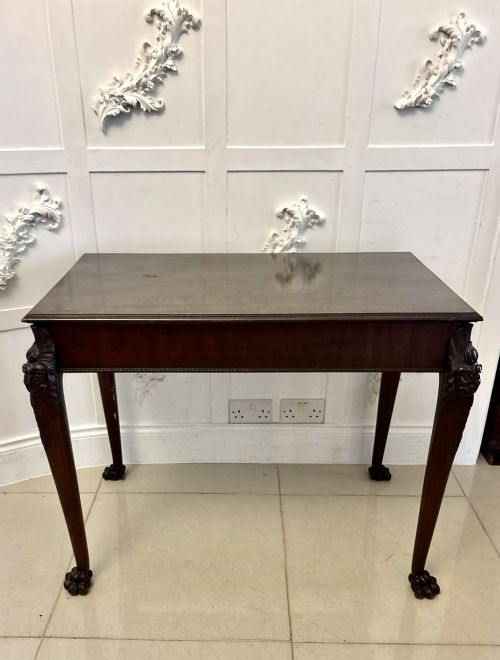

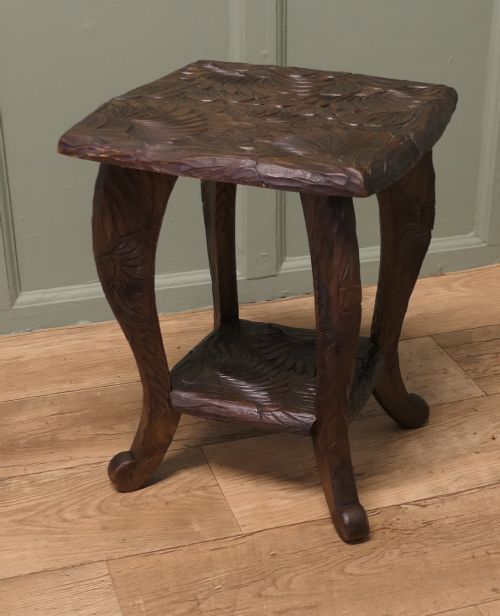
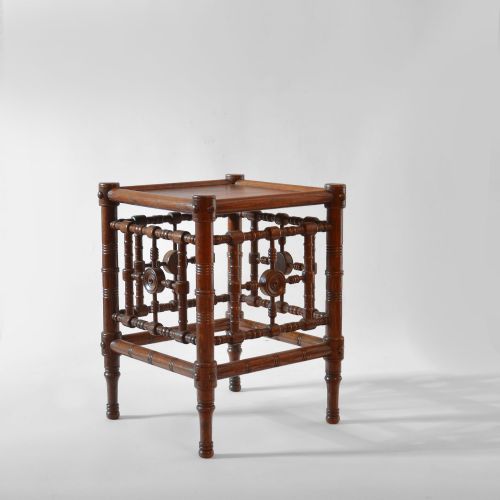
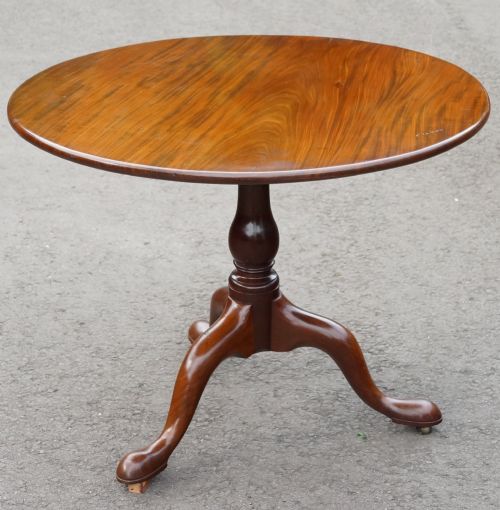
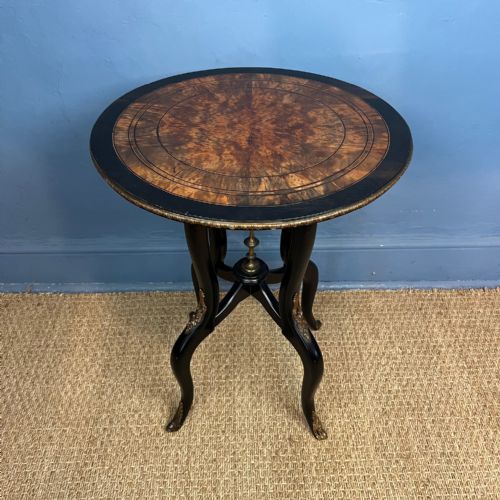
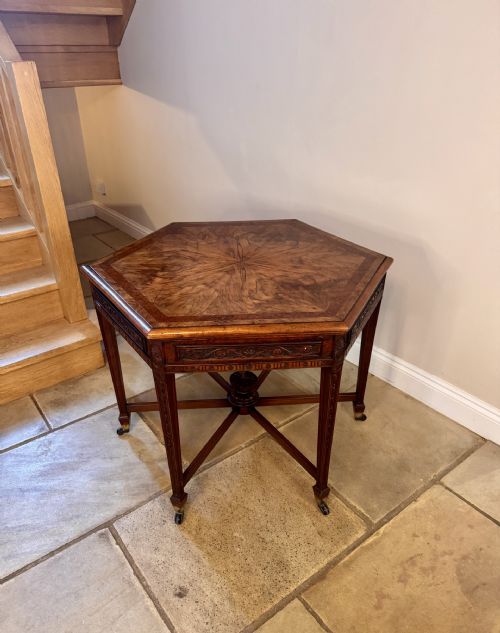
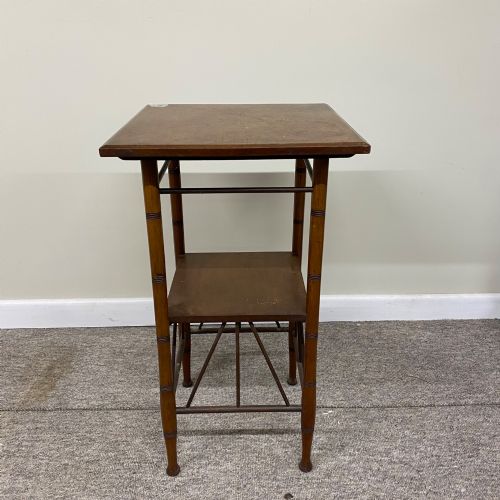
Antique Wood Accent Table
An antique wood accent table brings warmth and functional surface space to a room through varied period forms.
Antique Wood Accent Table
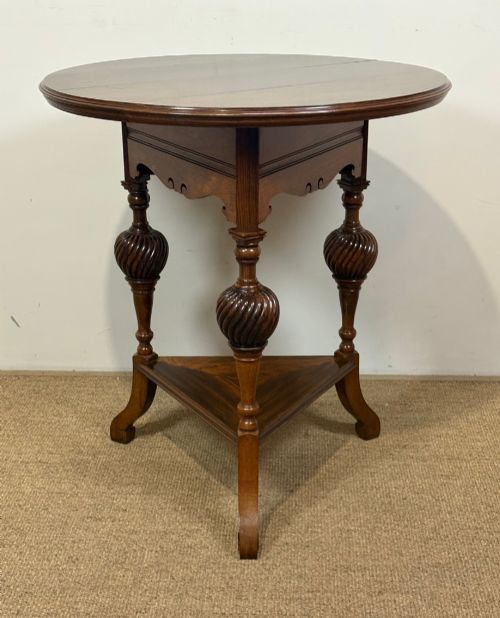
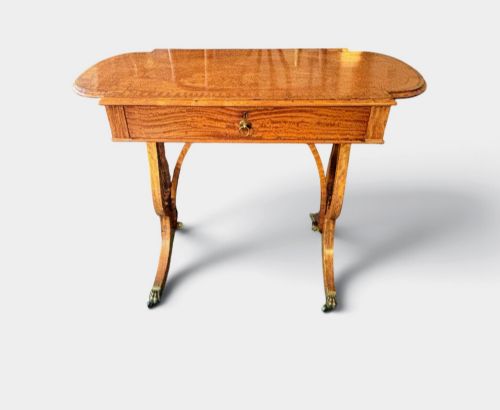
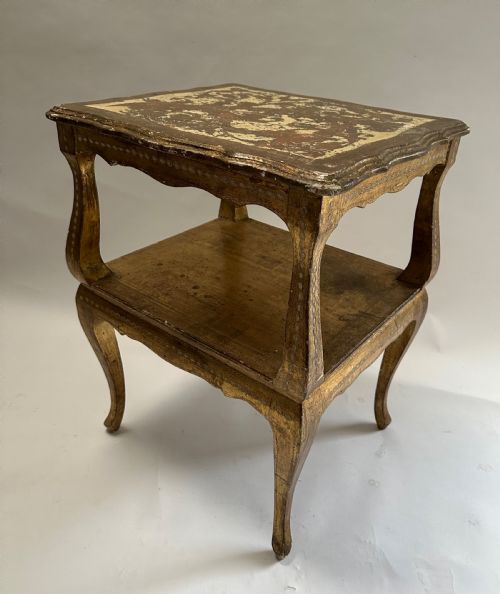
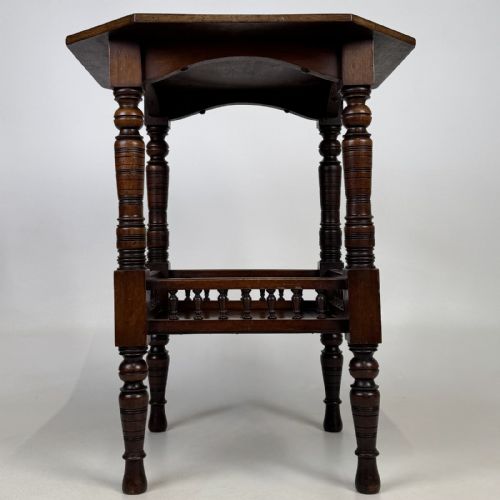
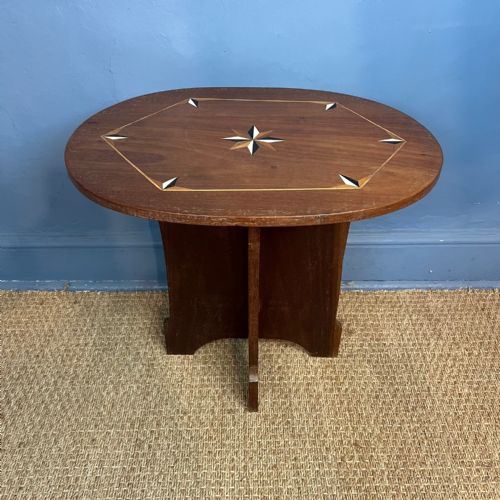
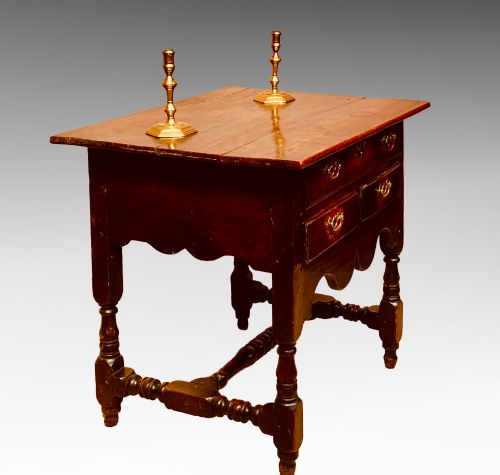
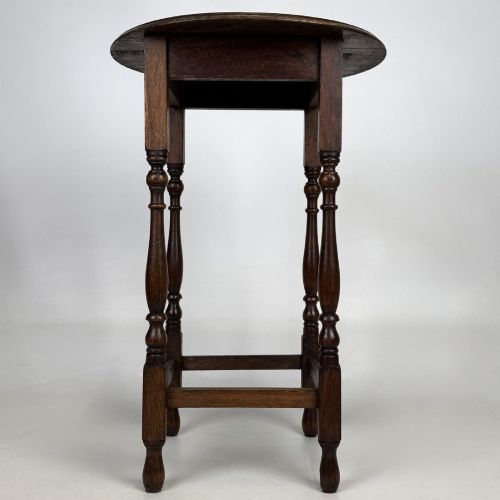
An antique wood accent table serves as a portable or secondary surface, encompassing forms such as side tables, occasional tables, wine tables, and Pembroke tables. Buyers searching for an antique wood accent table often encounter Edwardian and Victorian pieces, alongside earlier Georgian examples.
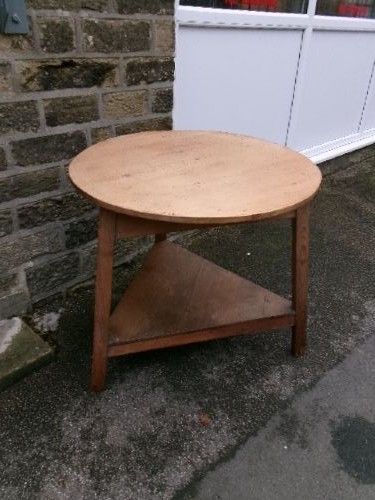
The selection ranges from tripod lamp tables and folding campaign pieces to nest tables and cricket tables. These items provide practical placement for lighting, drinks, or decorative objects while introducing traditional carpentry to an interior.
Origins span English, French, and Italian workshops, utilising native timbers like oak and elm alongside imported hardwoods. Pieces vary from simple vernacular items to elaborate revival styles including Jacobean and George III.
How they were made
Cabinet makers utilised dense timbers such as mahogany, walnut, oak, and rosewood, often pairing structural carcases with decorative veneers like burr wood or kingswood. Inlays, marquetry, and lacquer finishes added surface pattern and colour to the underlying construction.
Structural integrity relied on traditional joinery methods, including pegged joints, turned legs with barley twists, and tripod bases with tilt-top mechanisms. Brass fittings, gilded details, and marble tops occasionally completed the fabrication of more formal lamp and side tables.
Antique Wood Accent Table Retail Price Guide 2026
Typical asking prices for wood accent table among the pieces listed under this phrase on Sellingantiques today, from the lower quarter to the upper quarter. They describe what is for sale here now, not the wider market.
Periods represented span the 18th century, Georgian, Victorian, Edwardian, and Arts and Crafts movements.
What varies in quality
The standard of a piece depends upon the selection of timber grain, the precision of carved details such as grotto work or foliate motifs, and the cohesion of the period style. Superior examples exhibit balanced proportions, refined turning, and harmonious integration of secondary woods.
Construction methods distinguish everyday vernacular items from workshop pieces made for formal settings, visible in the snugness of joints and the retention of original surface patination. The presence of specialised elements like pie crust edges or detailed marquetry elevates the standing of an individual table.
The Antique Wood Accent Table Glossary
- Tripod table
- A freestanding table supported by a pillar above three spreading feet, frequently incorporating a tilt-top mechanism. This form gained popularity during the 18th century.
- Cricket table
- An early small round table with three splayed legs and a low undertier, traditionally constructed from native woods like oak and elm. The three-legged design provided stability on uneven floors.
- Marquetry
- The art of forming decorative patterns on wood by inserting pieces of veneer in different colours and textures. Craftsmen applied this technique to cabinet surfaces during various periods.
- Campaign style
- Portable furniture designed for military officers on the move, characterised by folding frames and recessed brass handles. Beech and other sturdy hardwoods were frequently utilised for these pieces.
Antique Wood Accent Table: Frequently Asked Questions
What defines an accent table?
An accent table is a small secondary piece of furniture designed to supplement primary seating or storage in a room. These surfaces accommodate lamps, books, or decorative objects without dominating the floor plan.
Historically, makers produced specific forms for specialised tasks, including wine tables, candle stands, and Pembroke tables. Their compact dimensions allow them to fit easily beside chairs or in hallways.
Where should I place a wine table?
A wine table suits placement beside an armchair or sofa to provide a stable surface for a glass or small lamp. Their small circular tops and slender pillar supports occupy minimal floor space.
Because many feature tilt mechanisms originally intended for vertical storage against a wall, they adapt well to corners when not in active use.
What is burr wood?
Burr wood refers to the deformed growth on a tree where grain swirls in intricate patterns, producing highly decorative veneer figures. Cabinet makers sliced this wood thinly to adorn the tops of occasional and side tables.
Walnut and oak burrs appear frequently on Victorian and Edwardian pieces, adding visual texture and depth to the surface.