

Antique Wine Glass Stemware
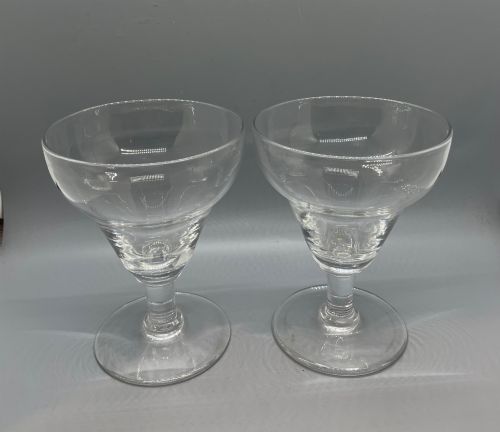
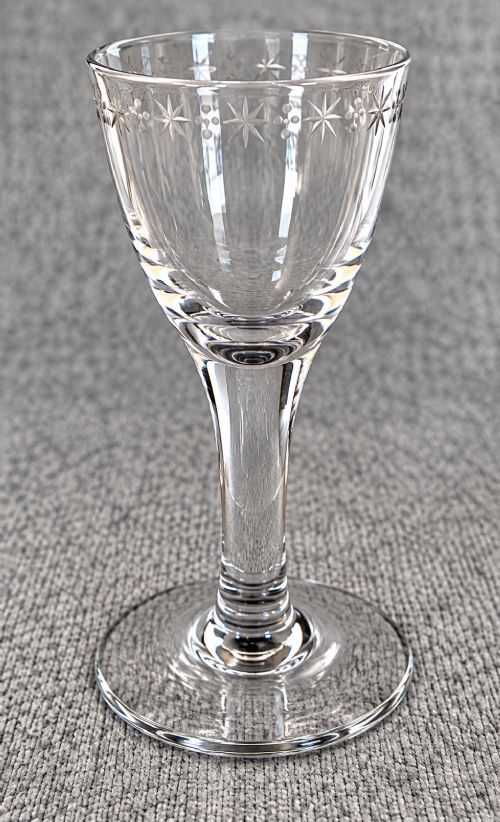
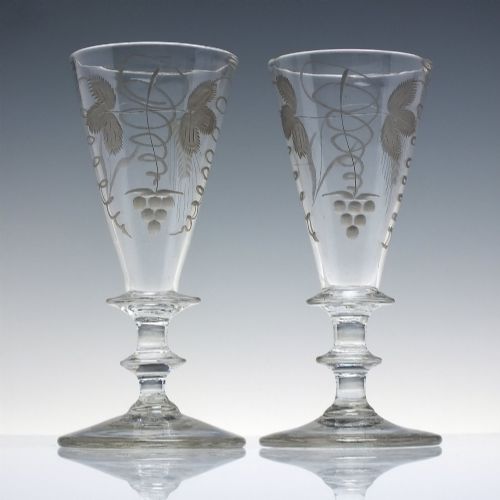
Antique wine glass stemware brings tactile history to the table, offering drinking vessels shaped by centuries of glassmaking skill.
Antique Wine Glass Stemware
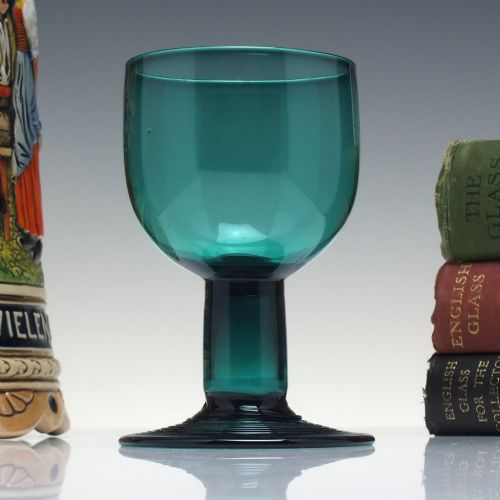
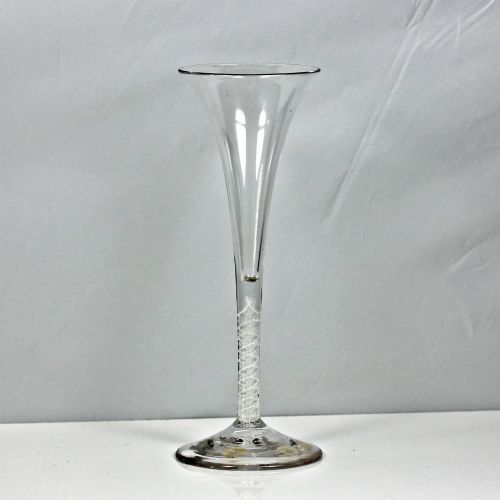
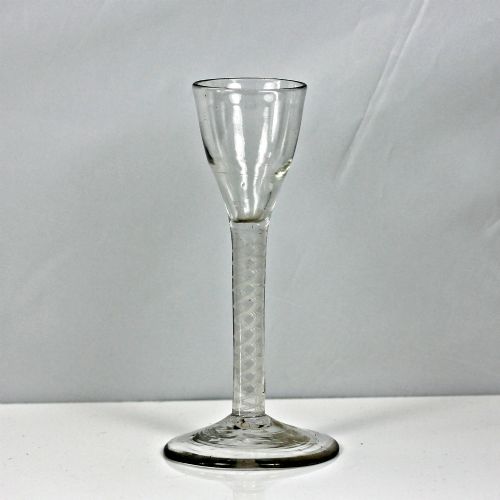
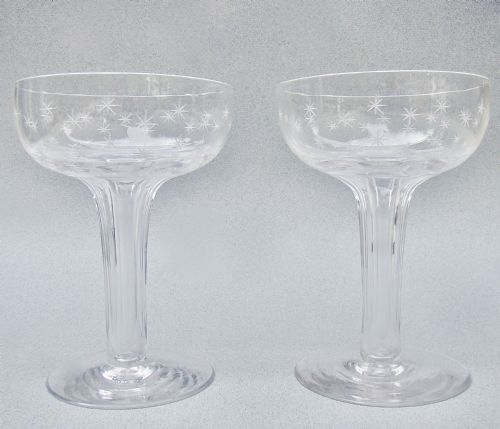
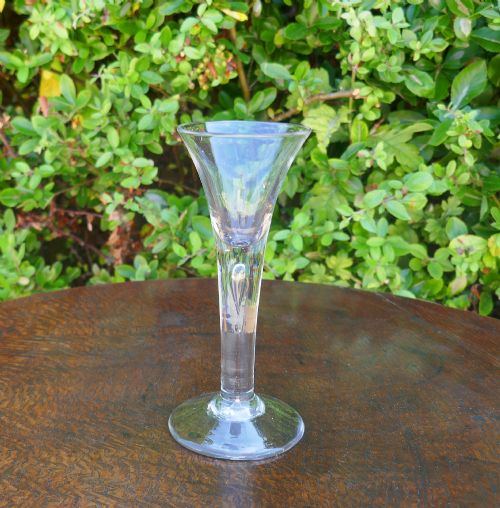
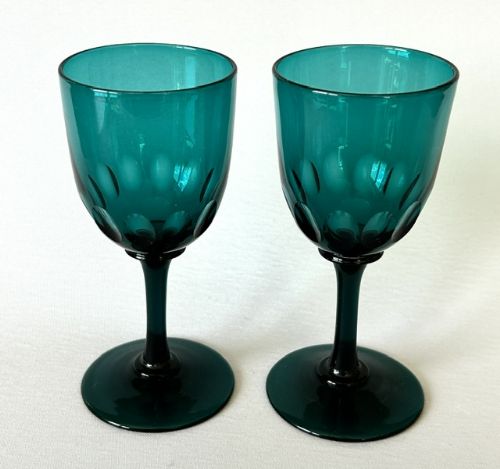
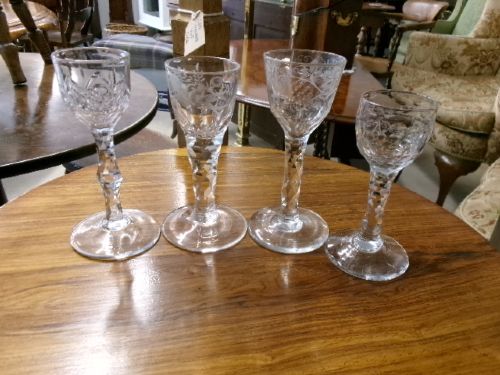
The eighteenth-century items often display characteristic stems such as balustroids, air twists, and opaque twists supporting pan top, trumpet, or ogee bowls. Later nineteenth-century selections introduce bolder colours like Bristol green and aqua, alongside star-etched hollow stems and heavy pressed or cut facets.
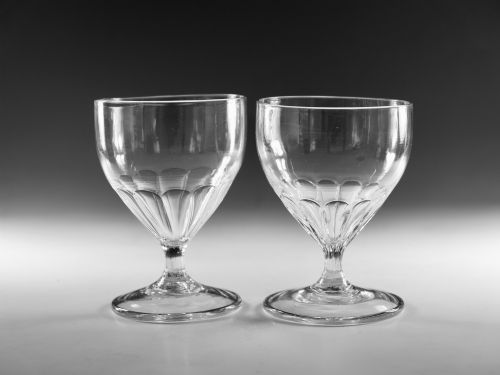
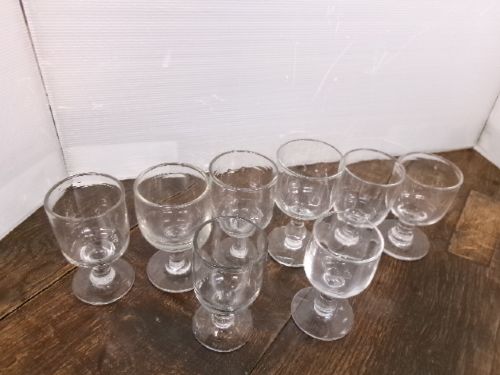
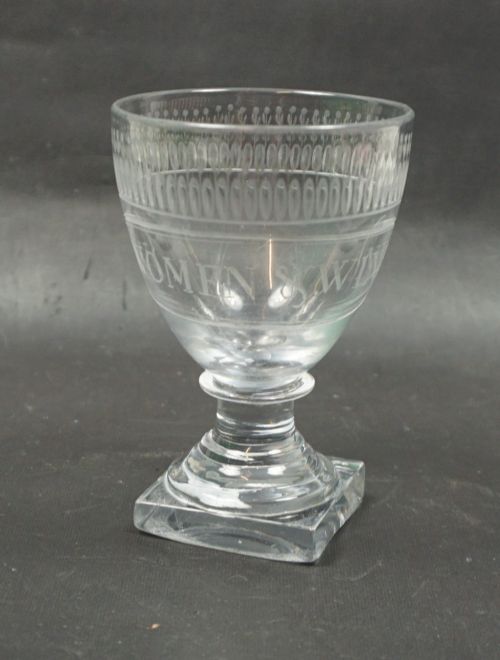
Forms range from delicate marriage goblets and Jacobite engraved pieces to robust rummers and tall hock glasses. Buyers select these items both for display and for traditional use at the dining table.
Materials and methods
Glassmakers relied on lead glass, lead crystal, and flint glass to achieve clarity and weight in antique wine glass stemware. These materials allowed artisans to draw stems and shape bowls while maintaining structural strength.
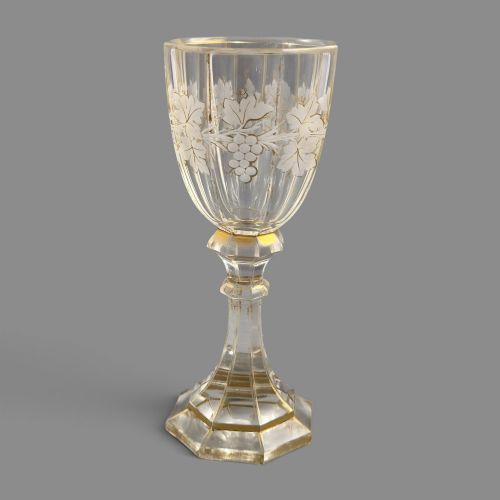
Techniques involved blowing glass into moulds or free-blowing, followed by intricate hand-finishing operations. Artisans applied white enamel decoration, wheel engraving, and gilding to enrich the surfaces of bowls and feet.
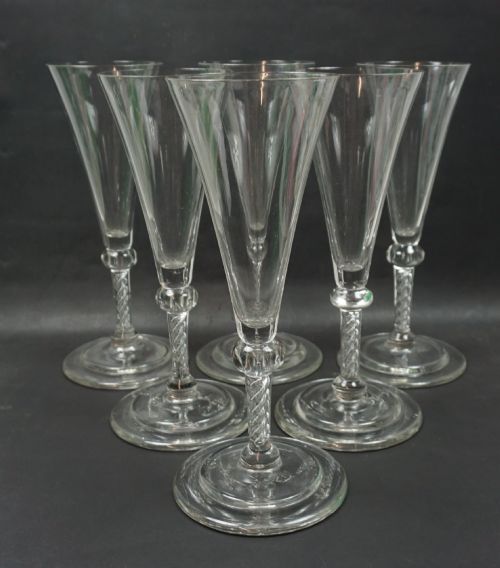
Twist stems were formed by trapping air bubbles within the molten glass before drawing and twisting the cane, or by incorporating opaque white glass threads into the core.
Listings feature lead glass, clear glass, enamel, flint glass, and white enamel across periods ranging from the eighteenth century to the twentieth century.
Quality factors in stemware
Quality rests upon the purity of the metal and the dexterity displayed in forming the stem and bowl. Superior pieces demonstrate crisp wheel engraving, balanced proportions, and well-formed feet without excessive distortion.
The complexity of the stem construction dictates much of the distinction, where multi-spiral air twists or mixed twists demand advanced craftsmanship compared to plain or heavy baluster forms. Surface enrichment such as finely applied enamel work or detailed gilding elevates the standard further.
Condition and originality remain central to appreciation, where intact folded feet, stable lead glass surfaces, and minimal wear to high points distinguish superior examples.
Moser Bohemian·Baccarat·Theresienthal
The Antique Wine Glass Stemware Glossary
- Balustroid
- A stem form derived from heavy seventeenth-century baluster shapes, tapering towards the foot with decorative knops. It frequently appears on eighteenth-century drinking vessels.
- Opaque twist
- A stem style containing white enamel glass threads pulled into a spiral pattern within clear lead glass. These threads run as single or double series.
- Air twist
- A stem featuring elongated internal air bubbles drawn into a helical or spiral thread. This technique requires precise control during glass manipulation.
- Ogee bowl
- A bell-shaped bowl with an S-curve profile, curving outward at the rim and inward at the base. It is common on mid-eighteenth-century English wine glasses.
- Knop
- A bulbous swelling or decorative swelling on the stem of a glass. Multiple knops provide grip and visual division.
Antique Wine Glass Stemware: Frequently Asked Questions
How do I date antique wine glass stemware?
Dating relies on observing stylistic markers such as bowl shape, pontil marks, and stem construction techniques. Eighteenth-century pieces often feature snapped pontils and air or opaque twists, while Victorian examples lean towards heavier cutting, etching, and vibrant colours.
Examining the metal itself also helps, as earlier lead glass exhibits a distinct weight and surface softness compared to later pressed or soda-lime glass compositions.
Can I use antique wine glasses for dining?
Many collectors regularly use Georgian and Victorian stemware for special occasions, appreciating the tactile connection to the past. Hand washing in warm water without harsh detergents ensures these fragile pieces survive ongoing use.
Care must be taken with delicate lead glass bowls and hollow stems, avoiding sudden temperature changes that might cause thermal shock.
What is a Jacobite wine glass?
Jacobite wine glasses are eighteenth-century drinking vessels engraved with secret symbols supporting the exiled House of Stuart. Common motifs include the rose, oak leaves, and specific Latin mottoes.
These pieces were used by sympathizers to toast the king over the water during clandestine gatherings.
Why do some glasses have folded feet?
A folded foot involves turning the rim of the glass foot underneath to create a thickened edge. This technique strengthened a vulnerable part of the vessel and added stability.
Folded feet appear frequently on eighteenth-century lead glass stemware.