


Antique Wine Cup
When searching for an antique wine cup, collectors encounter sterling silver goblets, glass vessels, and carved horn pieces from Georgian and Victorian periods.
Antique Wine Cup
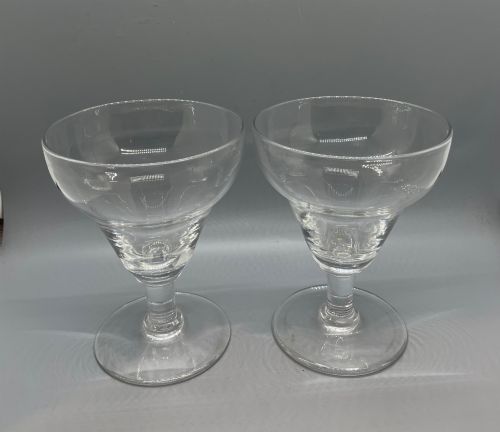
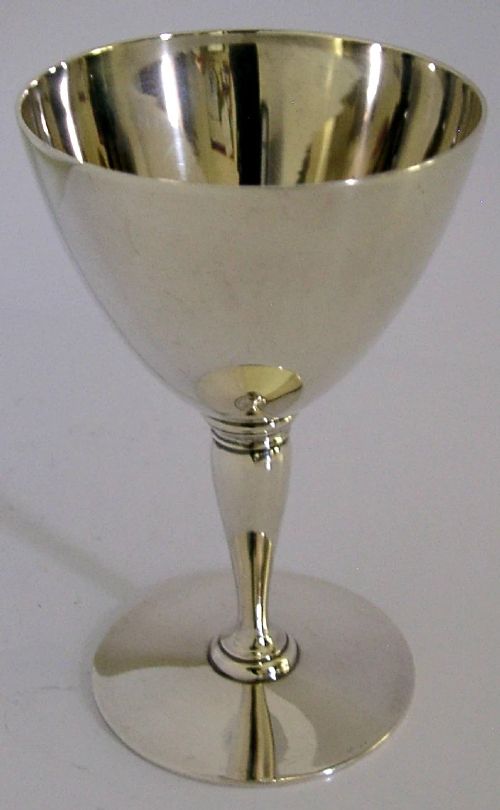
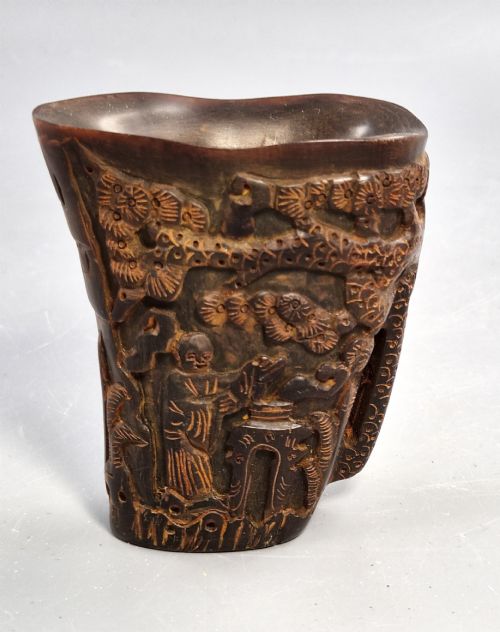
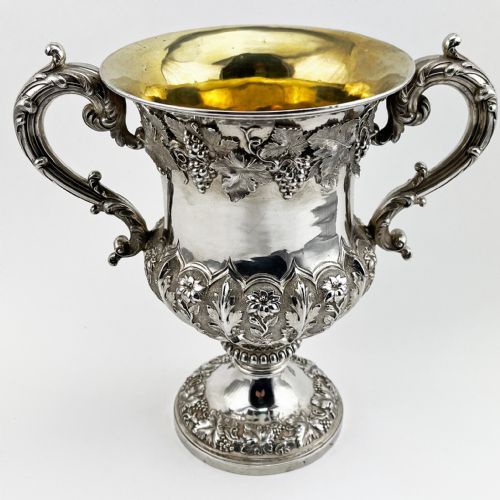
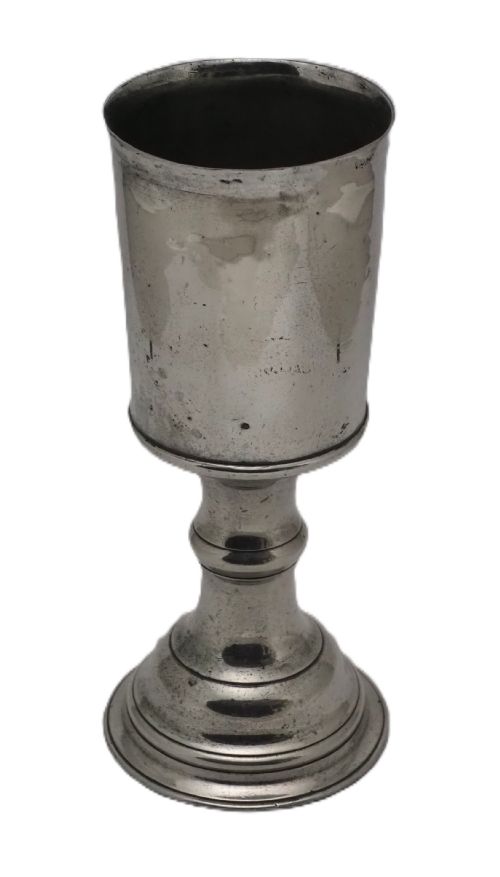
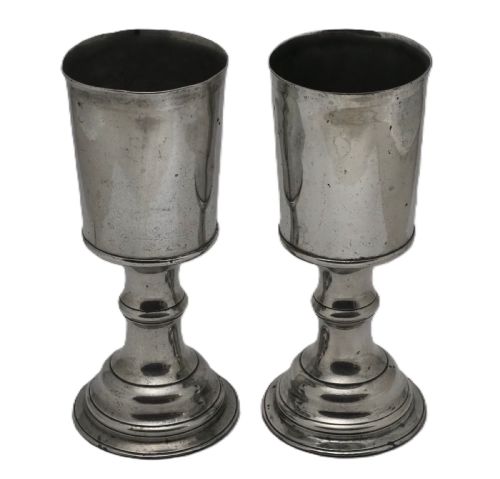
An antique wine cup encompasses diverse drinking vessels designed across centuries, ranging from formal silver goblets and presentation chalices to glass dram glasses and provincial pewter tankards. Buyers searching for an antique wine cup frequently encounter sterling silver examples bearing hallmarks from the Georgian and Victorian eras, alongside hand-blown coloured glass and carved organic materials like water buffalo horn.
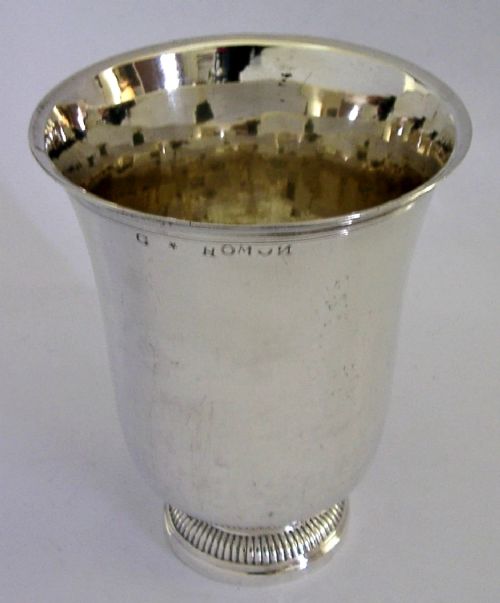
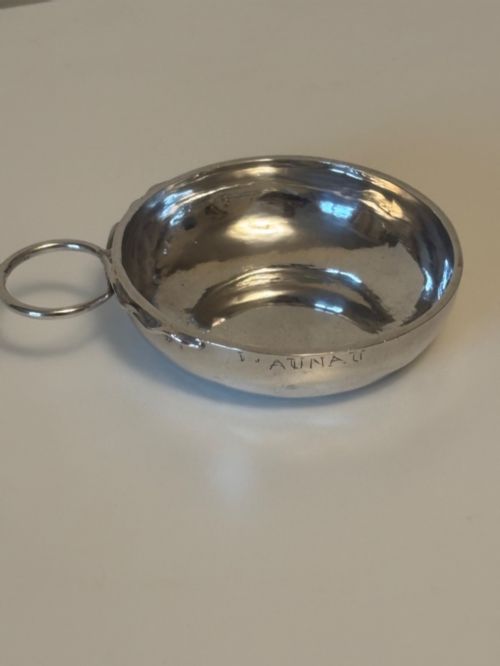
The form often follows the functional traditions of the table or ritual, appearing as pedestal goblets with vase-shaped bodies, shallow wine tasters used in French vineyards, or ritual bronze vessels from Asian traditions. Surviving pieces span periods from the eighteenth century through the Art Deco era, reflecting shifting domestic habits and social rituals associated with wine and spirits.
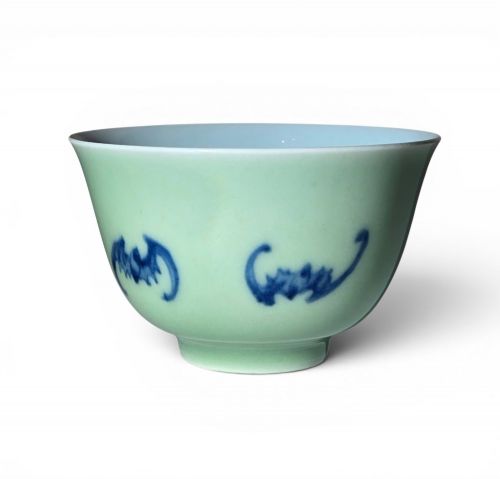
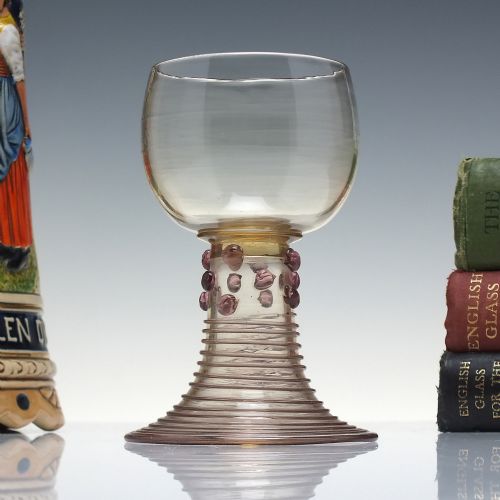
Materials vary widely between European precious metals and regional mediums, including Irish pewter, lignum vitae, mahogany, and porcelain. Whether examining a French silver beaker from the seventeen-hundreds or a Bristol green glass wine roemer, each variation demonstrates the specific craftsmanship of its workshop and period.
Materials and construction methods
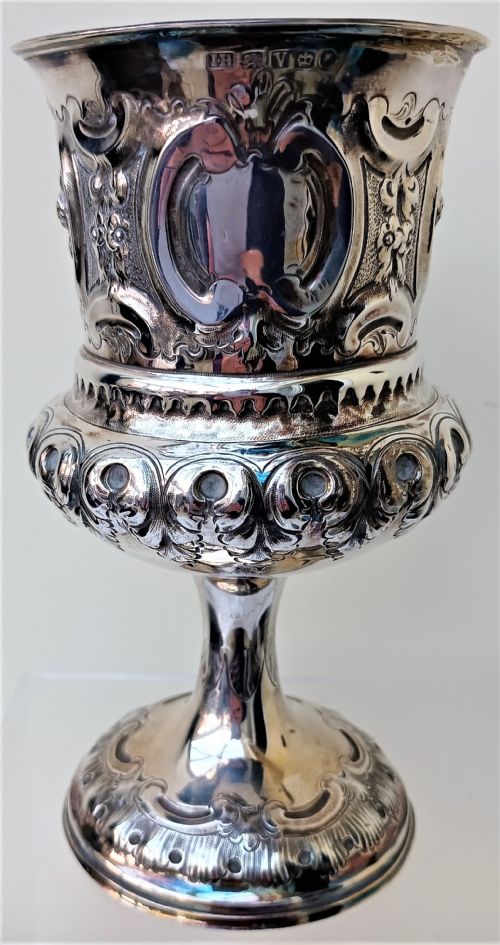
Silversmiths constructed metal pieces using sterling silver or silver plate, frequently employing hammering, casting, and chasing techniques to form chalices and presentation cups. Hallmark stamps pressed into the metal record the assay office, maker, and year of production, providing verifiable dates for Georgian and Victorian silver work.
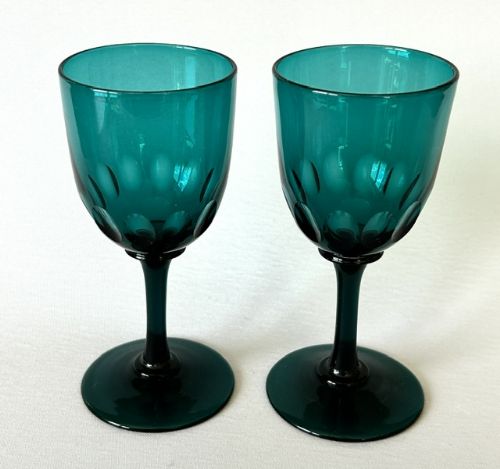
Glass vessels rely on hand-blown techniques, utilising lead glass, coloured glass, and layered cased glass to achieve deep hues like amethyst, cobalt blue, and aqua green. Master glassmakers shaped bowls and stems while hot, sometimes incorporating air-teared stems or applied trails for decoration.
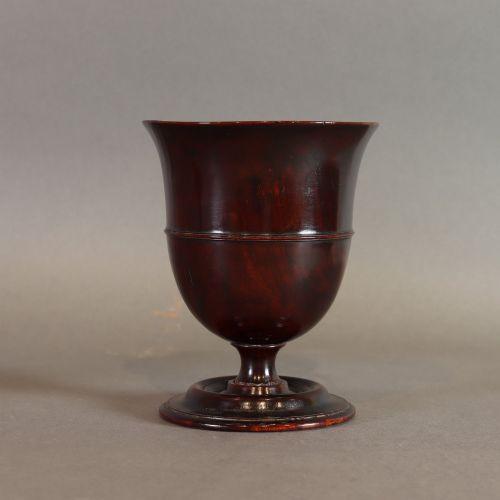
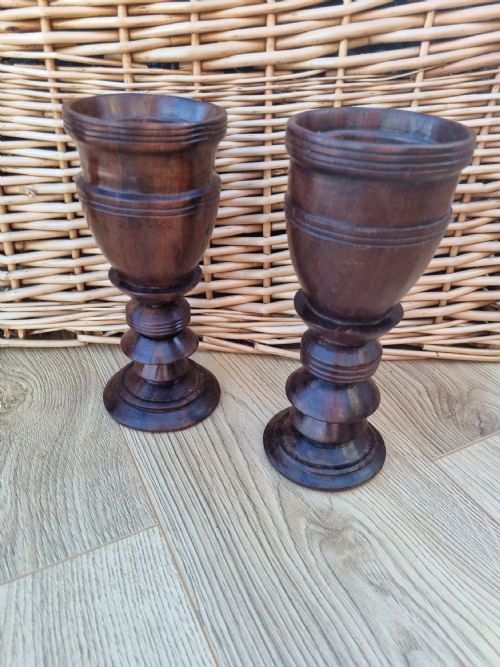
Organic mediums such as lignum vitae, walnut, and water buffalo horn required specialised turning and carving skills. Artisans shaped dense woods on lathes to create pedestal goblets or carved intricate figural scenes directly into horn and ivory.
Some nineteenth-century French wine tasters include inset Roman coins right in the bowl base for good fortune.
Assessing craftsmanship and condition
The standard of execution in metalwork depends on the crispness of chased decoration and the structural integrity of the stem and foot. Superior silver goblets maintain heavy gauges of metal that resist denting, while lesser examples show wear or thinning from centuries of polishing.
In glass pieces, quality shows in the uniformity of the metal, the absence of excessive bubbles or impurities, and the precision of the cut or moulded facets. Coloured glass items demonstrate depth through rich, saturated hues rather than thin surface flashes.
Provenance and maker marks elevate certain items above standard utilitarian wares. Pieces bearing legible workshop stamps from recognised makers or retaining original surface patinas command greater interest among collectors.
Tiffany and Co·Paul Storr·Wang Hing and Co·William Eaton·James Deakin and Sons
The Antique Wine Cup Glossary
- Goblet
- A drinking vessel with a bowl supported by a stem and a foot. These pieces appear frequently in silver, wood, and glass across the eighteenth and nineteenth centuries.
- Wine Taster
- A shallow silver dish used for sampling wine, often fitted with loop handles and embossed decoration. French examples from the nineteenth century are widely documented.
- Chalice
- A large cup typically used in religious ceremonies or formal presentations, featuring a deep bowl and elevated foot. Many examples date from the Georgian period in silver and pewter.
- Roemer
- A traditional Germanic and European drinking glass featuring a large rounded bowl on a decorated stem. These vessels often appear in green or amber coloured glass.
- Hallmark
- An official stamp applied to precious metals indicating purity, maker, and assay office. These marks allow precise dating of British silver items.
Antique Wine Cup: Frequently Asked Questions
What is an antique wine cup made of?
These vessels appear in sterling silver, pewter, hand-blown glass, and carved organic materials like wood and horn.
Craftsmen matched the material to the intended function, utilising durable metals for presentation pieces and glass for table service.
How do I identify a Georgian wine cup?
Georgian pieces generally exhibit classic proportions, hand-hammered silver surfaces, or simple glass forms with air-twist stems.
Examining the assay marks on metal or the pontil scar on glass helps confirm the eighteenth or early nineteenth-century origin.
Were these cups used for drinking?
While many served for wine consumption at the table, others functioned as presentation trophies, religious chalices, or tasting tools.
Heavier presentation goblets were often displayed rather than used daily, while smaller dram glasses and roemers saw active service.
How should I clean silver wine cups?
Silver pieces require gentle maintenance using appropriate polishes designed for antique metals to preserve the underlying detail and hallmarks.
Avoid abrasive cloths or harsh chemical dips that strip away the natural patina accumulated over centuries of handling.