



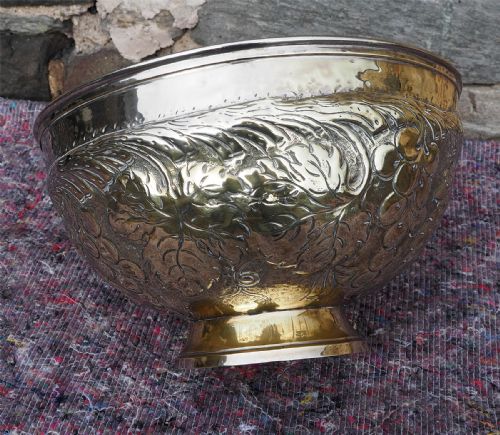


Antique Wine Cooler Bowl
An antique wine cooler bowl brings heavy metal and glass into service, ready to chill bottles or anchor a formal table.
Antique Wine Cooler Bowl
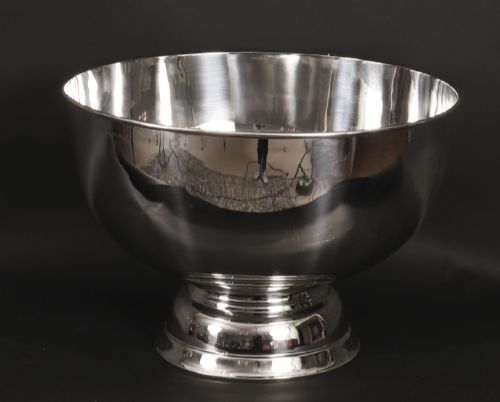
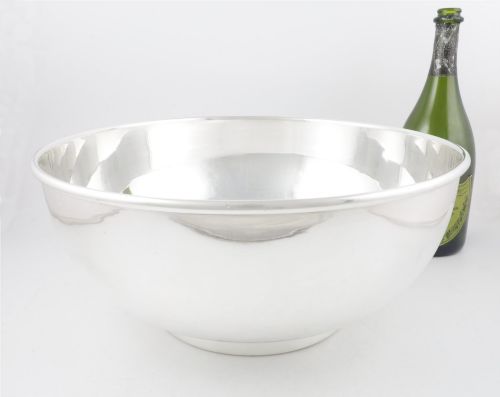
When you search for an antique wine cooler bowl, you are looking at substantial vessels designed for dining and entertaining across the nineteenth and twentieth centuries. These pieces encompass silver plate, copper, brass, pewter, and glass forms that double as champagne buckets, punch bowls, and planters. The pieces you meet most often on this page date from the nineteenth century through the Edwardian era and the nineteen-thirties.
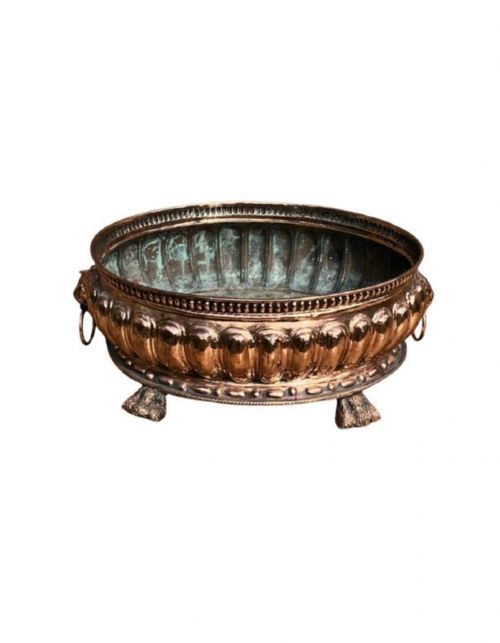
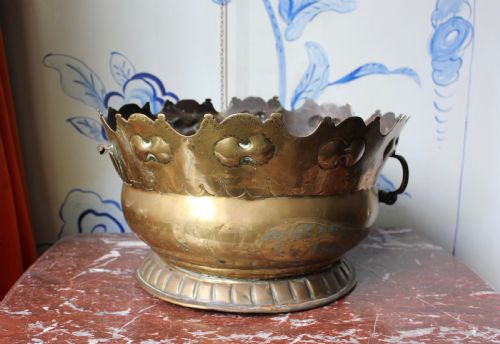
The selection ranges from large silver plated champagne coolers and presentation bowls to heavy brass jardinières and pewter restaurant vessels. Styles shift from Victorian and Edwardian to Art Deco, Grand Regency, and Italian Neo-Classical. You will also find specialised items such as engraved glass rinsers and monteith bowls designed with scalloped rims.
How they were made
Metals dominate this category, featuring silver plate on copper, solid sterling silver, brass, copper, and pewter shaped through heavy plate, casting, and repoussé work. Brass and copper planters and jardinières often display raised animal heads and hand-beaten textures created by hammering sheet metal into moulds or across stakes. Pewter vessels show the simpler casting methods typical of French bistros and European workshops.
Silver plated champagne coolers and presentation bowls utilise substantial base metals coated in silver, sometimes bearing engraved heraldic crests or clan motifs. Glass rinsers and bowls rely on thick-walled moulded or blown glass with hand-engraved detailing around the rim.
Antique Wine Cooler Bowl Retail Price Guide 2026
Typical asking prices for wine cooler bowl among the pieces listed under this phrase on Sellingantiques today, from the lower quarter to the upper quarter. They describe what is for sale here now, not the wider market.
Listings feature periods spanning from the eighteenth century through the nineteen-sixties, with a strong concentration of nineteenth-century and Edwardian pieces.
What varies in quality
Quality rests in the weight of the metal, the crispness of any chased or repoussé decoration, and the integrity of the underlying structure. Heavy gauge silver plate or solid silver maintains its form and resists dents better than thin spun metal, while crisp detailing on animal heads or cast handles marks superior workshop output.
The finish of the interior and the retention of original plating or patination distinguish finer examples. Pieces that retain uncompromised interiors, clear hallmarks, and robust handles carry greater integrity than heavily polished or structurally compromised items.
Mappin And Webb·Alexander Clarke And Co
The Antique Wine Cooler Bowl Glossary
- Monteith
- A bowl featuring a scalloped or notched rim historically used for chilling wine glasses by their stems. The notched edge held the glasses securely in place.
- Repoussé
- A metalworking technique where the artisan hammers the design from the reverse side to form raised relief patterns on the front. This method appears frequently on brass and copper planters.
- Jardinière
- A large ornamental pot or bowl designed to hold plants or flowers. These vessels often double as large table coolers in period settings.
- Rinser
- A small glass bowl used at the table for washing wine glasses between courses. They feature specialised rims designed to support glassware.
Antique Wine Cooler Bowl: Frequently Asked Questions
How were antique wine cooler bowls used?
These vessels served primarily to chill wine and champagne bottles at the dining table, packed with ice or cold water. They also functioned as punch bowls for large gatherings or as decorative table centerpieces.
In domestic and hospitality settings alike, their substantial capacity made them versatile containers for multiple bottles or large floral displays.
What metals are these bowls made from?
The pieces utilise silver plate, sterling silver, brass, copper, pewter, and glass. Silver plate on copper and solid silver appear frequently in formal British presentation pieces.
Brass and copper are common in jardinières and repoussé bowls, while pewter is found in European bistro items.
How do I clean an antique metal bowl?
Cleaning depends on the specific metal and the presence of plating or original patination. Silver plate requires gentle cleaning with appropriate silver care products to avoid wearing through the thin coating.
Copper and brass benefit from mild soapy water and soft cloths, leaving the aged surface intact rather than striving for a harsh, mirror-bright shine.
How can I tell the period of a bowl?
Dating relies on maker marks, hallmarks, style cues, and manufacturing techniques. Victorian and Edwardian pieces often display specific registry marks or firm stamps on the base.
Art Deco items show geometric styling from the nineteen-twenties and nineteen-thirties, while earlier nineteenth-century examples display heavier cast mounts and hand-finished details.