





Pedestal Champagne Bucket
These pedestal champagne bucket examples hold bottles in style, spanning Georgian grandeur to Art Deco lines.
Pedestal Champagne Bucket
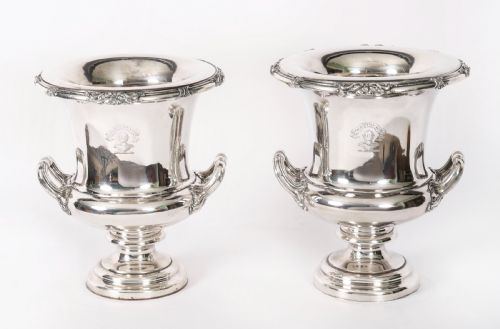
When you search for a pedestal champagne bucket, you encounter wine coolers, presentation bowls, and ice buckets raised on a base. The listings here predominantly feature silver plate, copper, brass, and wood, spanning periods from the eighteenth century through to the twentieth century.
Victorian, Georgian, and Art Deco styles dominate the selection, often taking the form of freestanding vessels or table coolers. You will find pieces originating from English makers and French bistros, showing forms designed to chill wine and champagne efficiently.
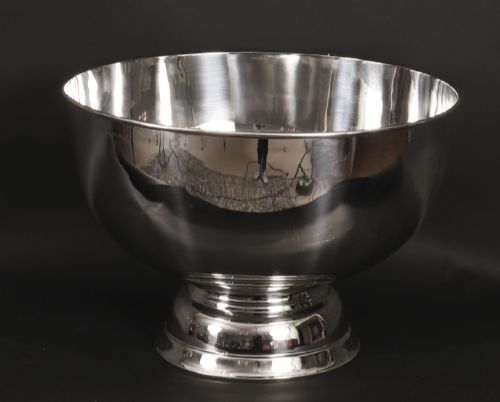
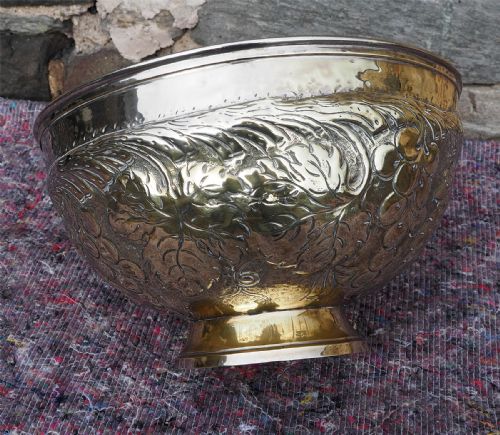
The most common formats combine metal bowls with raised feet or stands, ranging from mahogany and brass bound jardinieres to silver plated punch bowls. These items serve equally well as functional champagne buckets or decorative centrepieces in a traditional dining room.
How they were made
Makers utilised traditional metalworking techniques, fusing silver to copper in Old Sheffield plate or forming heavy castings in sterling silver, pewter, and brass. Silver plating over copper creates the characteristic durable sheen seen across many nineteenth-century examples.
Wooden vessels involve skilled cooperage and joinery, particularly in mahogany and satinwood pieces that incorporate brass banding and waterproof linings. Artisans hammered, spun, and soldered metal sheets to achieve the deep bowl forms required for ice and bottles.
Pedestal Champagne Bucket Retail Price Guide 2026
Typical asking prices for pedestal champagne bucket among the pieces listed under this phrase on Sellingantiques today, from the lower quarter to the upper quarter. They describe what is for sale here now, not the wider market.
Some pewter champagne bowls arrived straight from busy Paris restaurants bearing the quiet scars of nightly service.
What varies in quality
The distinction between standard production items and finer examples lies in the weight of the metal, the crispness of applied cast mounts, and the integrity of the underlying construction. Heavy gauge silver plate and substantial sterling silver retain their form and plating far better than thin commercial alternatives.
Subtlety in stylistic details, such as hand-inlaid satinwood veneers or carefully chased rococo revival ornamentation, separates utilitarian vessels from high-status presentation pieces. The quality of the joinery in wooden items and the seamless execution of soldered seams on metal bodies indicate the maker's skill.
Mappin & Webb·Barker Ellis
The Pedestal Champagne Bucket Glossary
- Old Sheffield Plate
- An early method of fusing a thin sheet of silver to a thicker copper ingot by heat and pressure. This technique produces a warm tone where the underlying copper occasionally shows through high points.
- Jardiniere
- An ornamental pot or stand for holding plants or flowers. In this context, large wooden or metal versions serve double duty as wine coolers.
- Sterling Silver
- An alloy containing ninety-two point five percent silver and seven point five percent other metals, usually copper. It offers durability while maintaining a high purity standard.
- Pewter
- A malleable metal alloy historically used for tableware, composed chiefly of tin with copper and antimony. It yields a soft, dark grey patina over time.
Pedestal Champagne Bucket: Frequently Asked Questions
What is a pedestal champagne bucket?
A pedestal champagne bucket is a freestanding or footed vessel designed to hold ice and bottles at the dining table.
These pieces elevate the container above the surface, combining practical cooling with decorative presence.
How were antique wine coolers used?
Historically, servants filled these vessels with ice and water to chill wine and champagne before serving them to guests.
Larger versions also functioned as punch bowls or decorative jardinieres in grand homes and Parisian restaurants.
How do I clean silver plated buckets?
Cleaning requires a soft cloth and a mild silver polish formulated specifically for plated items.
Avoid harsh abrasives that can wear through the thin silver layer to expose the base copper underneath.
Can I use an antique bucket daily?
These items handle modern dining use well, provided you dry them thoroughly after holding ice.
Using a modern liner inside antique wooden buckets helps protect the historic interior from moisture damage.