

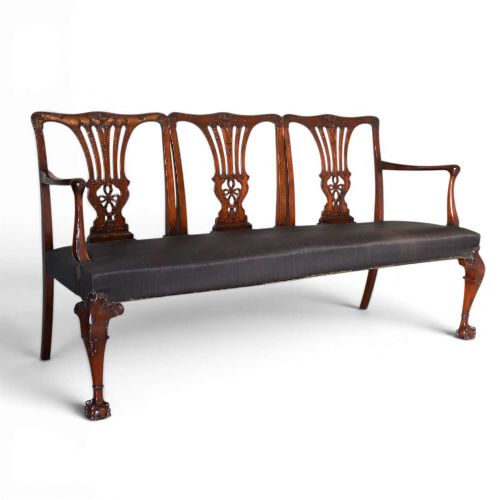


Antique Window Sofa
An antique window sofa offers a compact, elegant seat designed specifically for alcoves and light-filled bays.
Antique Window Sofa
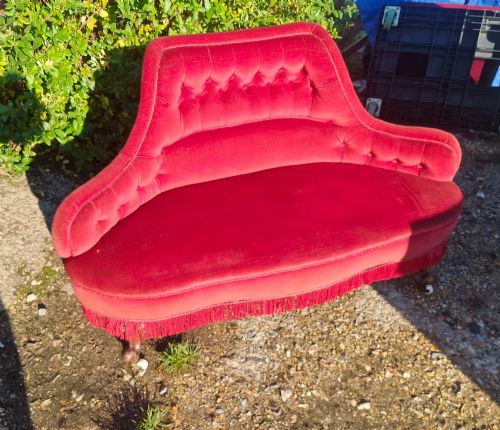
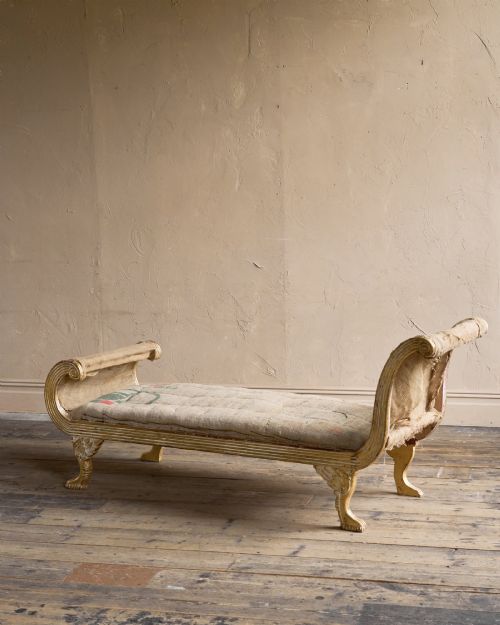
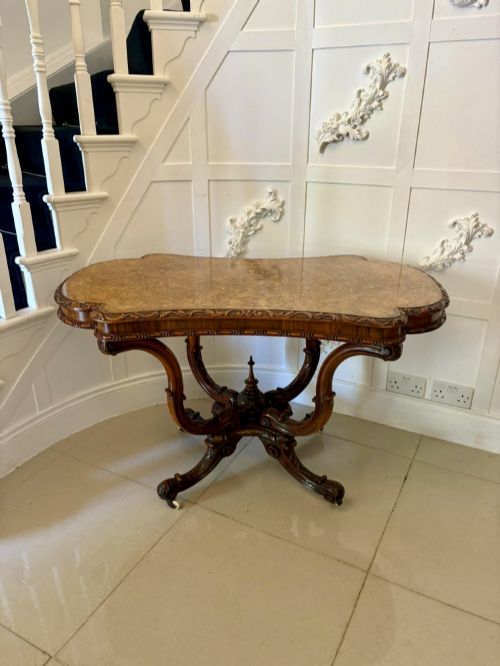
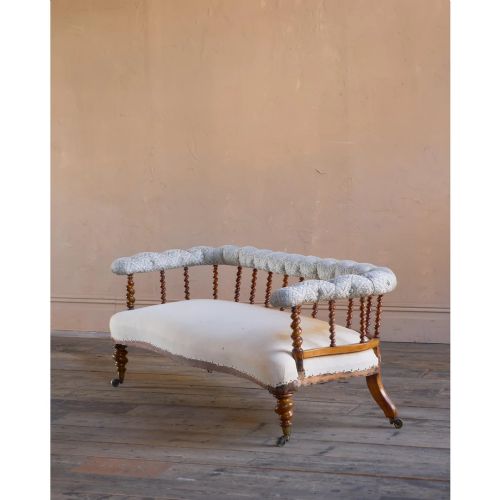
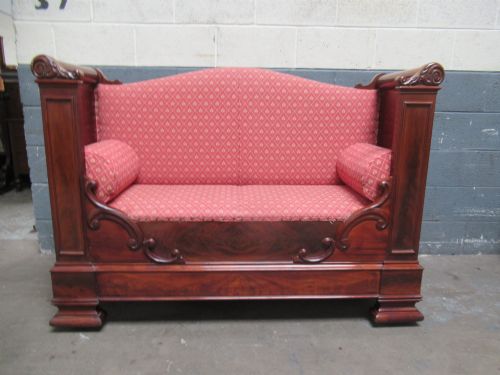
An antique window sofa combines the supportive back of a settee with a slender frame suited to placement beneath sills and in narrow spaces. These pieces appear across the nineteenth century and the Edwardian era in forms ranging from simple wooden benches to upholstered daybeds.
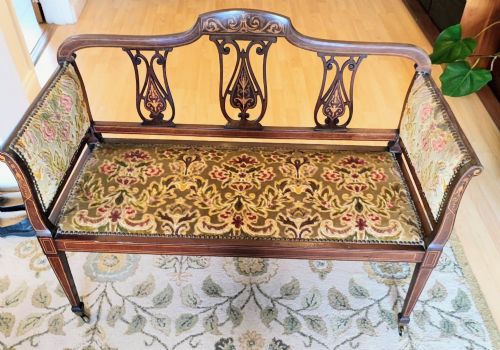
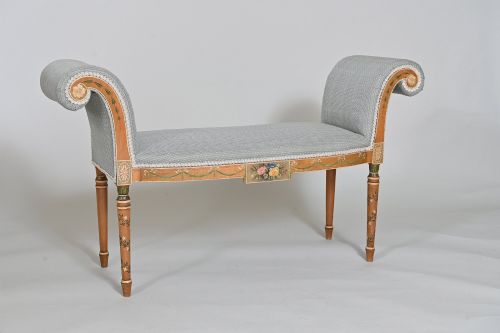
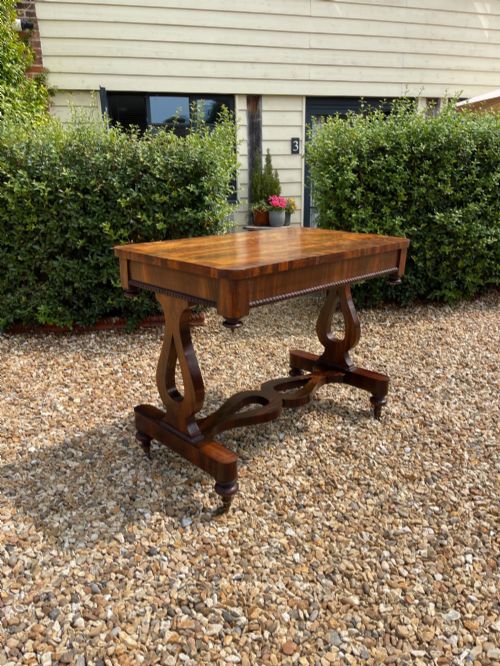
The selections available here lean heavily toward Edwardian mahogany designs, Victorian walnut frames, and painted satinwood creations. Buyers frequently encounter variations functioning as window seats, salon settees, and low benches tailored for alcoves.
Materials and construction methods
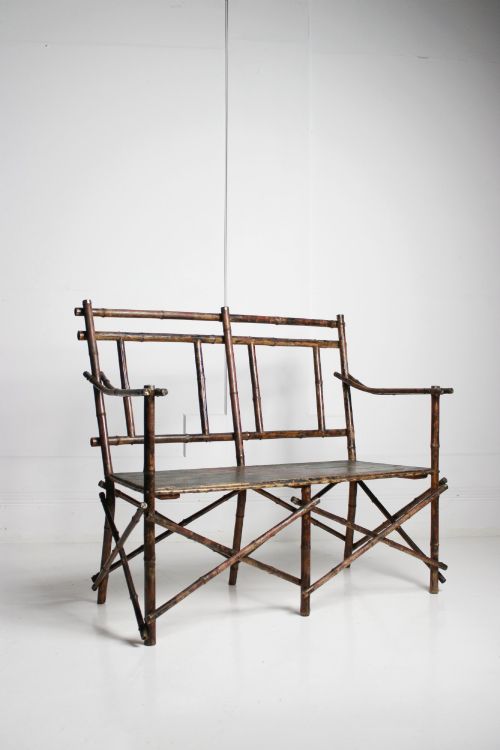
Cabinetmakers utilised dense timbers such as mahogany, walnut, and satinwood to build sturdy frames capable of supporting detailed carvings and delicate bone or wood inlay. Caned panels and turned spindle backs appear regularly, providing lighter visual weight for placement near glass.
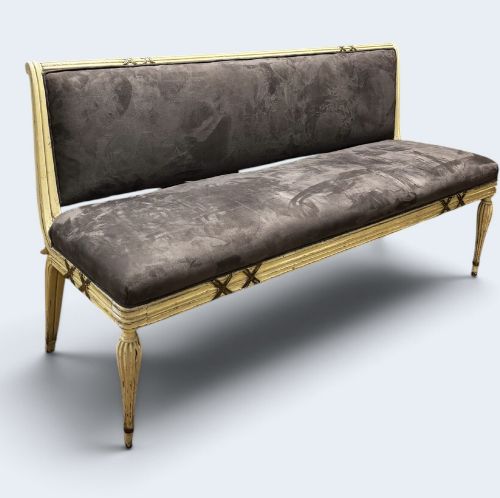
Upholstery relies on traditional stuffing methods contained beneath fabric, leather, or silk coverings. Giltwood, painted finishes, and polished veneers complete the surface treatments recorded across the periods.
Antique Window Sofa Retail Price Guide 2026
Typical asking prices for window sofa among the pieces listed under this phrase on Sellingantiques today, from the lower quarter to the upper quarter. They describe what is for sale here now, not the wider market.
Mahogany, walnut, and satinwood dominate the timber selections across these nineteenth-century and Edwardian listings.
Indicators of superior craftsmanship
Finer examples demonstrate crisp hand-carved detailing along the crest rails and robust joinery that remains rigid over generations. Superior pieces often incorporate exotic timbers, intricate marquetry, or painted decoration executed by skilled hands.
Proportion and balance dictate the aesthetic success of each frame. Well-executed seating integrates the curve of the arms and the rake of the back harmoniously, distinguishing bespoke commissions from mass-produced items.
C. Hindley & Sons
The Antique Window Sofa Glossary
- Settee
- A medium-length upholstered seat with a back and arms, designed to accommodate more than one person.
- Satinwood
- A lustrous tropical timber utilised for fine cabinetwork and decorative veneer work, prized for its golden sheen.
- Caning
- A woven lattice of split rattan material forming light, breathable panels for seat backs and frames.
- Inlay
- A decorative technique where contrasting materials are inserted into recessed cavities on a wooden surface.
Antique Window Sofa: Frequently Asked Questions
Where should I place a window sofa?
These pieces suit narrow structural spaces, long hallways, and bright alcoves where standard sofas overwhelm the floor plan. Their low profiles preserve natural light while offering comfortable occasional seating.
Positioning them beneath sills creates a traditional reading nook or a decorative focal point that connects interior living areas with outdoor views.
How do I identify an Edwardian window sofa?
Edwardian examples typically feature light mahogany frames, delicate satinwood inlay, and sometimes bone ornamentation. The aesthetic favours refined grace over the heavier proportions seen in earlier Victorian furniture.
Craftsmen working during this period frequently drew inspiration from eighteenth-century Sheraton and Chippendale designs, resulting in restrained, elegant silhouettes.
Were these seats used exclusively near windows?
While the form earned its name from placement in deep bay windows, makers constructed them for multiple domestic contexts. They served equally well at the foot of a bed or along empty hallway walls.
Their shallow depth made them versatile furniture items for spaces unable to accommodate standard deep-seated parlour sofas.
How do I care for antique wood and upholstery?
Preserve wooden surfaces by avoiding direct sunlight and maintaining stable indoor humidity levels to prevent timber splitting. Gentle dusting with a dry cloth protects polished finishes and delicate veneer.
Upholstered sections benefit from professional specialist cleaning tailored to the specific fabric and internal stuffing materials used in the piece.