


Antique Window Seat Sofa
An antique window seat sofa provides a compact, elegant place to sit, combining the elongated proportions of a settee with the low profile traditionally placed near windows.
Antique Window Seat Sofa
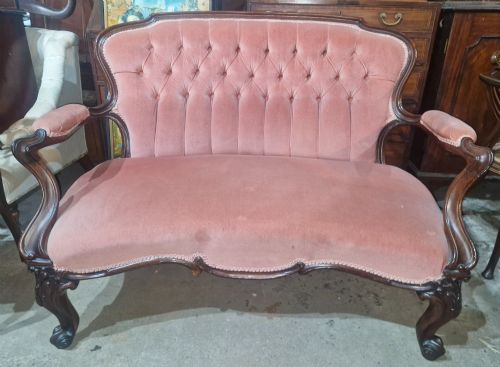
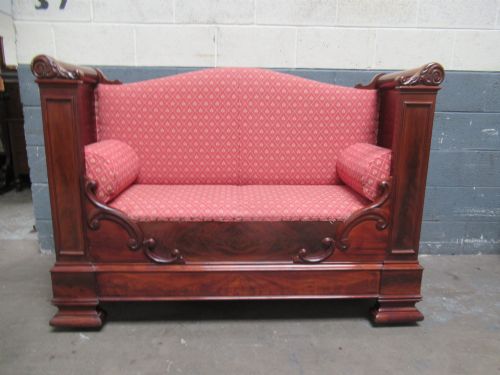
An antique window seat sofa sits between a conventional settee and a traditional low bench, designed specifically to fit narrow spaces or beneath window frames. These pieces appear in forms ranging from straightforward benches and daybeds to elaborate chair-back settees and salon sofas.
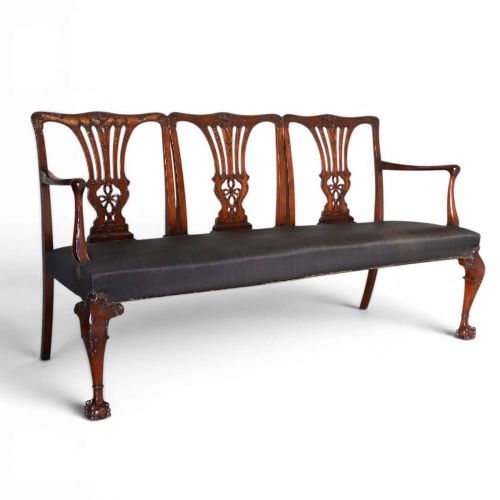
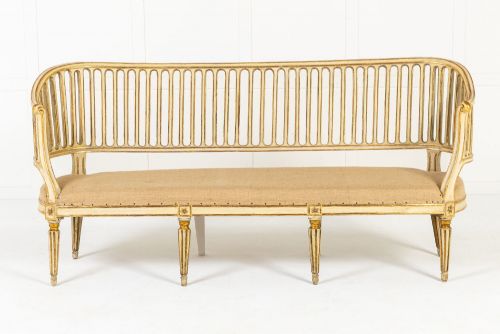
The selections available span multiple centuries and stylistic revivals, with Edwardian pieces appearing alongside 19th-century Victorian examples, Regency designs, and 18th-century Chippendale models. Buyers frequently encounter Edwardian mahogany frames, painted satinwood couches, and rosewood framed seating.
Object types cross various designations, encompassing settees, benches, window seats, and end-of-bed sofas. This versatility means pieces serve equally well in hallways, bedrooms, and primary living areas.
Materials and construction methods
Cabinetmakers utilised solid timbers such as mahogany, rosewood, maple, and satinwood to build these frames, often incorporating paint finishes, gilding, or simulated wood grains. Structural elements frequently rely on traditional joinery paired with carved decorative details.
Seating surfaces utilise diverse materials ranging from tight canework and cane panels to padded upholstery covered in velvet, fabric, or satin. Inlaid decoration incorporating bone and marquetry appears across Edwardian and Victorian examples to add surface pattern.
Several listings specifically designate their furniture as end-of-bed seating, proving that bedroom layout dilemmas troubled the Victorians just as much.
Distinctions in construction and design
Quality separates through the crispness of hand-carved woodwork, the precision of inlaid satinwood or bone, and the structural integrity of the frame. Superior examples demonstrate thoughtful proportion and careful matching of grain across prominent surfaces.
The choice of secondary materials also signals distinction, as seen in finely woven canework or substantial rosewood and mahogany timbers rather than simpler painted deal or softwood alternatives.
The Antique Window Seat Sofa Glossary
- Canework
- A woven pattern typically made from rattan or cane strips, utilised for seat panels and chair backs. This technique provides a lightweight, textured surface.
- Marquetry
- The art of applying decorative veneer pieces to a wood structure to form intricate patterns. Cabinetmakers use contrasting timbers to create pictorial or geometric designs.
- Satinwood
- A durable, yellowish timber often used for fine furniture and decorative veneers. It provides a bright surface that accepts inlay and paint particularly well.
- Chippendale
- A furniture style originating in the 18th century characterised by carved cabriole legs, interlaced splats, and ornate backrests. Later periods frequently produced revival versions of these designs.
Antique Window Seat Sofa: Frequently Asked Questions
Where do you place a window seat sofa?
These pieces suit narrow architectural spaces, hallways, and bedroom ends where standard settees prove too deep. Their low backs often allow them to sit directly beneath windows without blocking light.
They also function effectively in drawing rooms and dressing areas as secondary seating options.
How do I identify an Edwardian piece?
Edwardian examples, generally dating from around 1900 to 1910, frequently incorporate light mahogany frames with satinwood inlay or painted decoration. They often reflect revival styles such as Chippendale or Sheraton influences.
Construction from this period tends to balance lighter proportions with traditional joinery techniques.
Can I use these pieces for daily sitting?
Most antique window seat sofas function well for everyday use provided the internal frame remains sturdy and the upholstery is sound. Many examples designed for salons or bedrooms offer comfortable padded seating.
Frames built from solid mahogany or rosewood provide the necessary structural strength for regular domestic environments.