
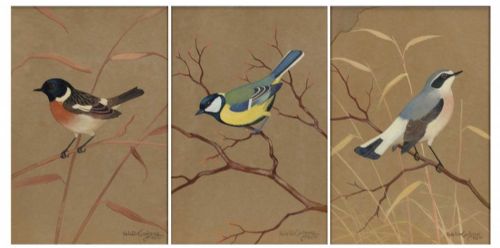


Antique Wildlife Painting
An antique wildlife painting brings the untamed natural world indoors, capturing birds, deer and predators across canvas, paper and panel.
Antique Wildlife Painting
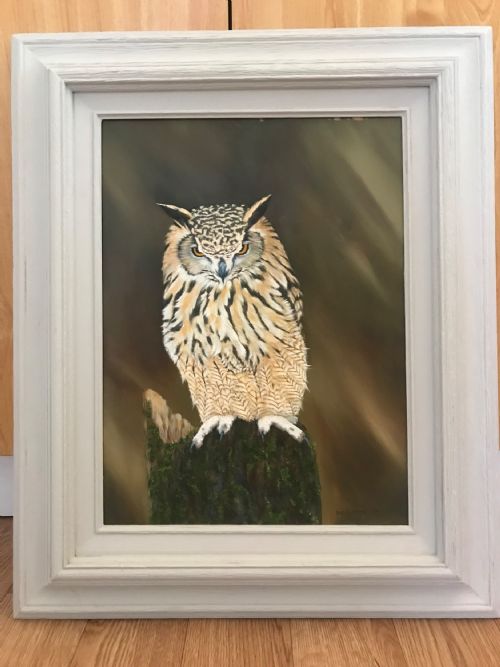
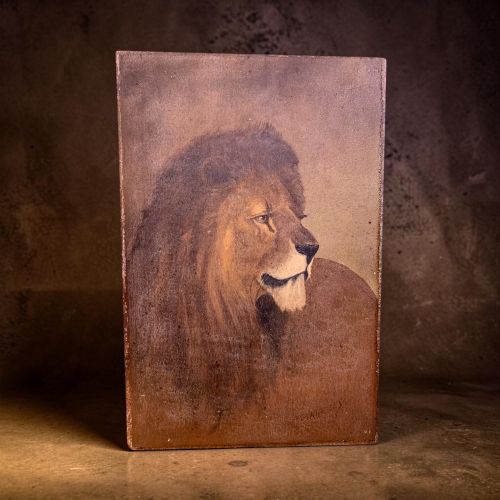
An antique wildlife painting depicts animals, birds and sporting scenes set within natural landscapes, ranging from intimate studies of garden birds to dramatic encounters between predators and prey. Collectors searching this phrase encounter works executed in oil paint, watercolour and pastel, reflecting centuries of observation by artists who studied creatures in their habitats.
The selections span multiple eras, with Victorian pieces sitting alongside eighteenth-century canvases and mid-twentieth-century watercolours. Common subjects include game birds, waterfowl, deer, foxes and exotic big cats, rendered either with scientific naturalism or within picturesque pastoral settings.
Materials and Methods
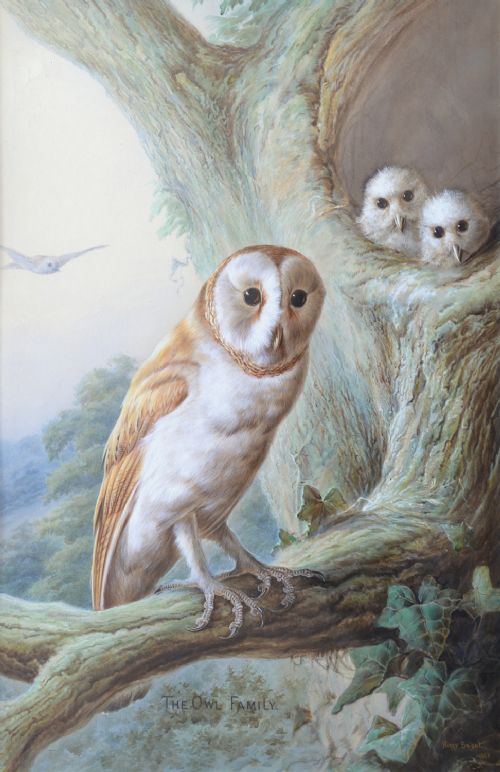
Artists relied primarily on oil paint applied to canvas or wood panels, alongside delicate watercolours and pastels worked on paper. These traditional media allowed creators to build luminous plumage, fur textures and atmospheric landscape backgrounds through layered washes and precise brushwork.
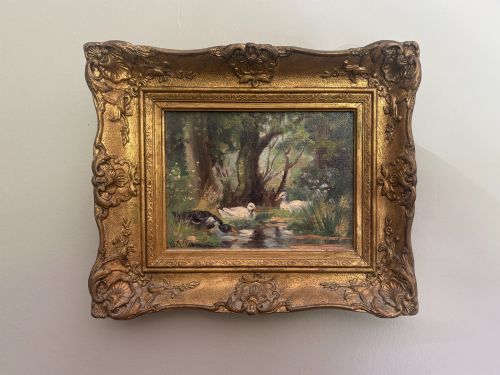
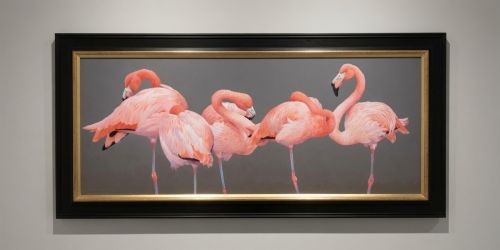
Framing played a vital role in preservation, with works typically housed beneath glass for watercolours or within substantial carved and gilded wooden frames for major oil paintings. Bronze sculptures also appear alongside these flat works, utilising the cold-painted technique to introduce vibrant colour to cast metal figures.
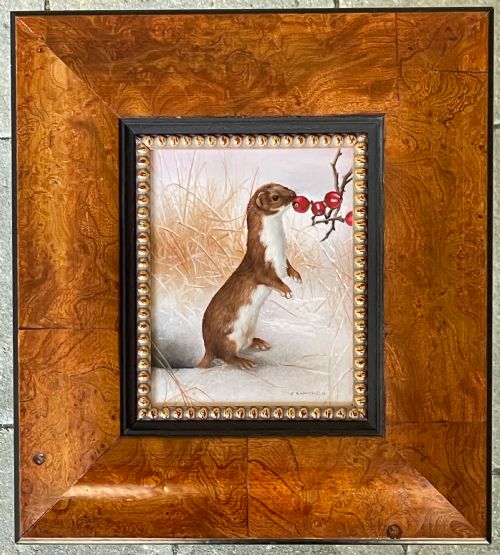
Among the creatures depicted are startled frogs, lurking toads and red squirrels caught mid-feast.
Distinctions in Quality
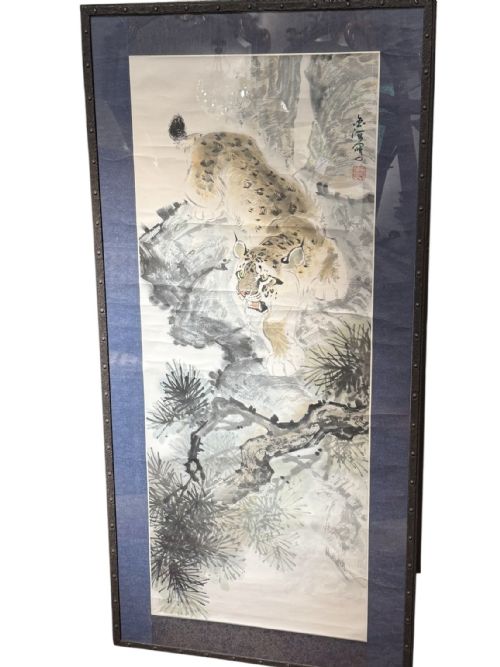
Quality rests upon the artist's anatomical precision and ability to capture the vital posture of the subject, whether a crouching leopard or a startled duck. Superior pieces demonstrate a sophisticated understanding of light and shadow, integrating the animal seamlessly into its surrounding woodland or river landscape rather than treating the creature as a flat cutout.
The handling of texture distinguishes finer works, particularly in the meticulous rendering of feathers, fur and foliage. Strong provenance, legible signatures and historical stamps further elevate a piece, marking it out as a significant contribution by a recognised hand.
Sir Peter Markham Scott·Ralston Gudgeon·Joseph Knight·Philipp Ferdinand de Hamilton·George Armfield·Franz Bergman·Marmaduke Cradock·Jacob Bogdani·Cuthbert Edmund Swan·Thomas Blinks·Arthur Wardle·Constant Ludovic Artz·Geza Vastagh·Paul-Louis Barruel·Godfrey Douglas Giles·William Crampton·James Malcolm Stewart·Stephen Elmer·Archibald Thorburn
The Antique Wildlife Painting Glossary
- Animalier
- A nineteenth-century artistic movement dedicated to the realistic portrayal of animals, particularly predators and domestic beasts.
- Cold-painted bronze
- A metal sculpture technique where bronze is cast and subsequently decorated with cold-applied paint rather than fired enamels.
- Naive art
- Style produced by self-taught artists, characterised by simplified perspective and charming directness rather than strict academic rules.
- Pastel
- A dry drawing medium consisting of powdered pigment and a binder, capable of producing velvety textures and subtle colour gradations.
- Provenance
- The documented history of ownership surrounding an artwork, establishing its authenticity and lineage over time.
Antique Wildlife Painting: Frequently Asked Questions
How do I care for antique watercolours?
Keep works on paper away from direct sunlight to prevent the pigments from fading over time. Ensure they hang in stable humidity conditions behind appropriate conservation glass.
Avoid placing them near heat sources or in damp rooms where mould or paper degradation might occur. Professional framing using acid-free mounts safeguards the longevity of delicate watercolours and pastels.
What subjects are most common?
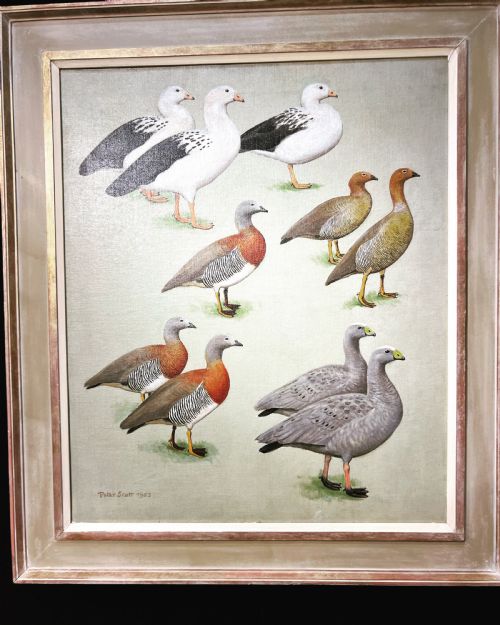
Birds feature frequently, ranging from garden robins and blue tits to game birds such as grouse and black game. Waterfowl and hunting dogs also appear across numerous Victorian and eighteenth-century canvases.
Larger predators including lions, leopards and bears emerge in works from the later nineteenth century. Deer and stags populate extensive Highland landscapes and pastoral river scenes.
How can I tell the period of a painting?
Examine the materials of the support, such as the weave of the canvas, the type of wooden panel, or the handmade quality of early paper. Stylistic clues within the landscape background and clothing of any human figures also point toward specific eras.
Signatures, artist dates, old gallery labels and stamps on the reverse provide definitive chronological anchors. Comparing brushwork techniques to known examples from specific decades helps narrow down the timeframe.
Were these always framed?
Most oil paintings and watercolours were housed in protective frames close to their completion date to shield the edges from damage. Original frames often feature gesso mouldings and gilt finishes appropriate to the period of creation.
Works on paper typically required framing behind glass soon after creation to prevent surface soiling. Scrolls and unframed panels represent alternative formats that required specialised storage rather than wall mounting.