

Victorian Animal Artwork
Victorian animal artwork captures horses, hounds, cattle and domestic pets in detailed oils, watercolours and etchings.
Victorian Animal Artwork
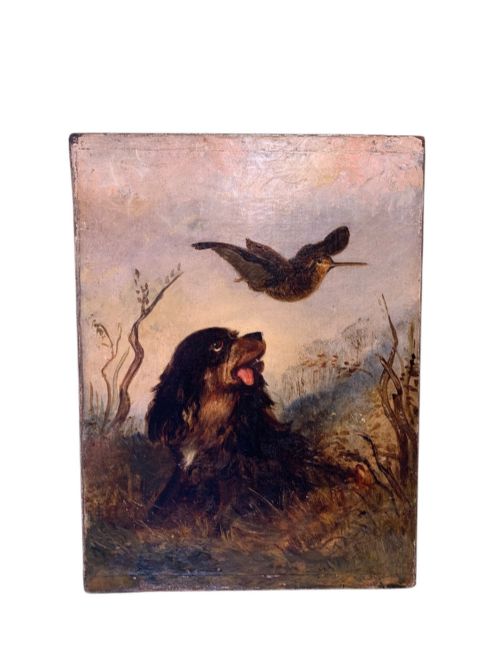
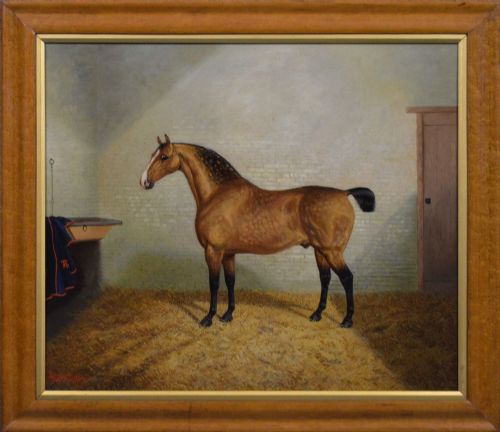
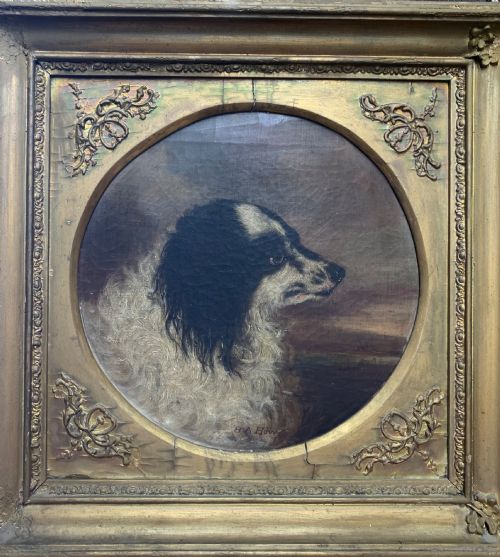
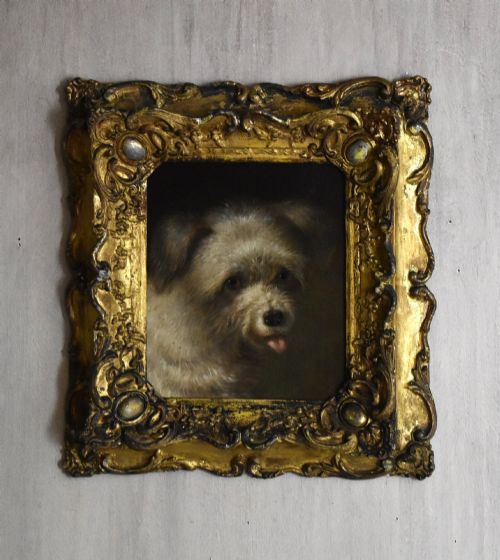
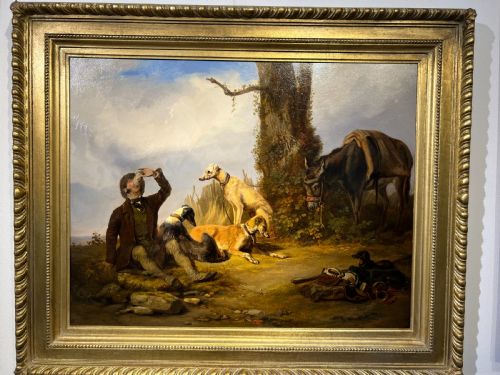
Victorian animal artwork encompasses oil paintings, watercolours, etchings, framed prints and wool work depicting livestock, working dogs, horses and household pets. These pieces reflect a nineteenth-century fascination with domestic animals, agricultural prized beasts and sporting subjects.
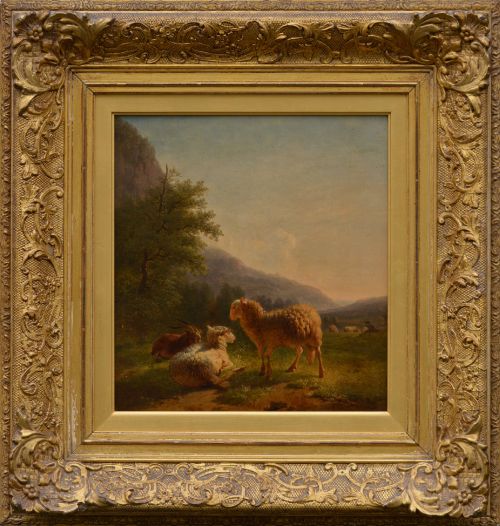
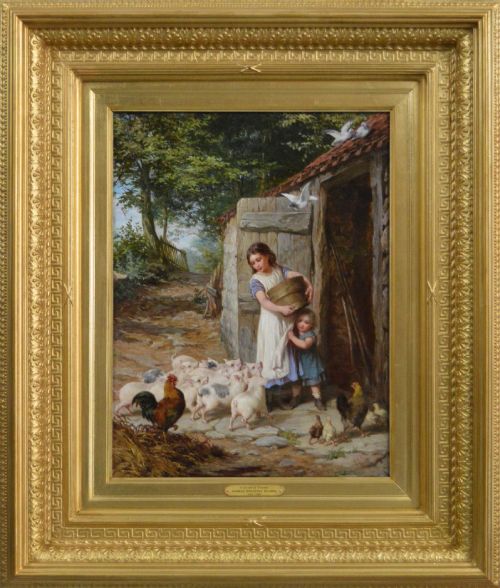
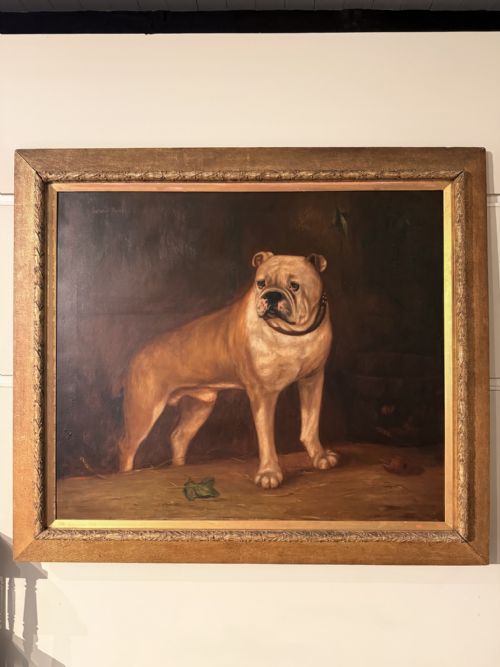
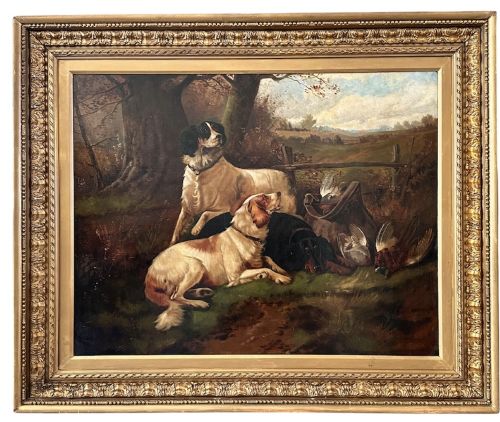
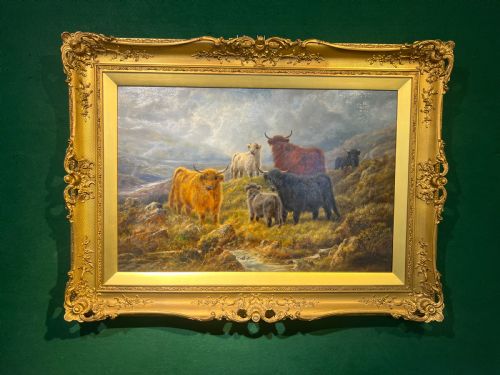
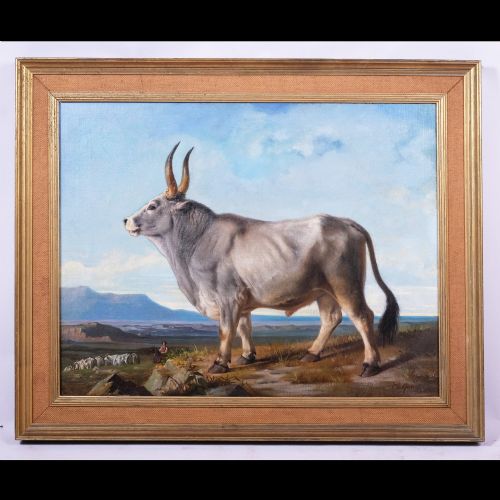
The selection on this page consists predominantly of oil paintings on canvas and panel, alongside original etchings and chromolithographs. Subjects range from individual canine portraits and farmyard scenes to expansive pastoral landscapes featuring Highland cattle and sheep.
Origins span British and European schools, capturing both rural working life and genteel domesticity through the specific lenses of realism, romanticism and naive folk art.
Materials and methods
Painters applied oil paint to stretched canvas or wooden panels, often building rich textures with multiple glazes to render animal coats and feathers with precision. Etchers worked directly onto metal plates, producing detailed inked impressions on paper and vellum.
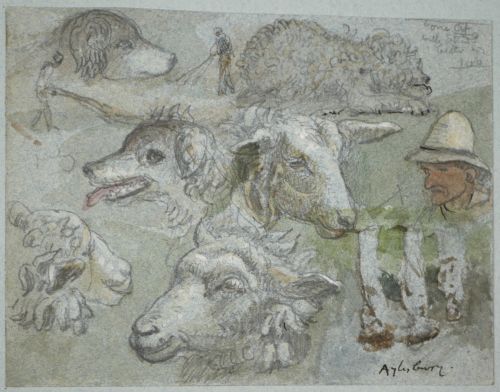
Framing utilised traditional giltwood frames that complemented the tonal depth of the oils and the fine lines of the printed works. Draughtsmen also employed watercolour and drawing media on paper to capture swift preparatory sketches and finished studies.
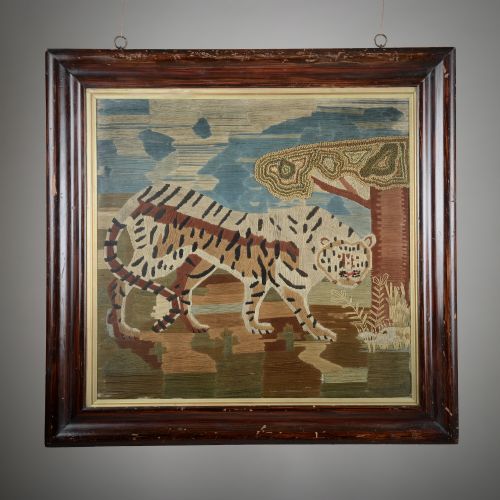
Wool work depicting a tiger sits among the oil paintings, proving that needlecrafters matched painters in ambition.
Distinctions in quality
Quality rests on the anatomical accuracy of the subject, the dexterity with which fur, hide or plumage is rendered, and the expressive character captured in the animal's posture and eye. Superior examples demonstrate a secure grasp of perspective and natural light within a cohesive landscape or interior setting.
The reputation of the artist and the documentary strength of the provenance elevate certain pieces above standard decorative works. Condition of the underlying canvas or paper surface, alongside the preservation of original framing, influences the overall integrity of the piece.
Eugène Verboeckhoven·James Smetham·Herbert Dicksee·Albert Clark·Martin Theodore Ward·George Augustus Holmes·John Sargent Noble·Robert Watson·Sir Edwin Henry Landseer·Edgar Hunt·William Watson Jnr·Alfred Arthur Brunel de Neuville·Horatio Henry Couldrey·Claude Cardon·John Emms·Louis Wain·Henry Robinson Hall·Arthur Wardle·William Henry Mander·Thomas Sidney Cooper·Franz van Severdonck·George Lance·John Frederick Herring Jnr·William Barraud
The Victorian Animal Artwork Glossary
- Etching
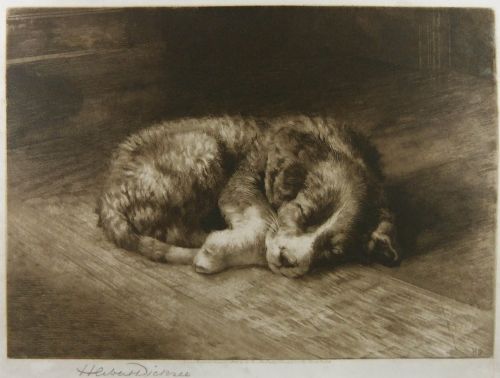
- A printmaking technique where lines are bitten into a metal plate with acid before being inked and pressed onto paper. Herbert Dicksee produced notable prints using this method.
- Chromolithography
- A multicolour planographic printing process used to reproduce oil paintings and watercolours commercially. Horatio Henry Couldrey's animal compositions were published in this format.
- Vellum
- A fine parchment prepared from calfskin, prized by printmakers for its smooth, durable surface. Etchings pulled on this material offer exceptional tonal depth.
- Giltwood
- Timber carved and coated with a thin layer of gold leaf or metallic powder. These frames surround many nineteenth-century oil paintings on this page.
Victorian Animal Artwork: Frequently Asked Questions
What subjects are most common?
Paintings frequently feature dogs, horses, cattle, sheep and farmyard poultry in domestic or rural settings.
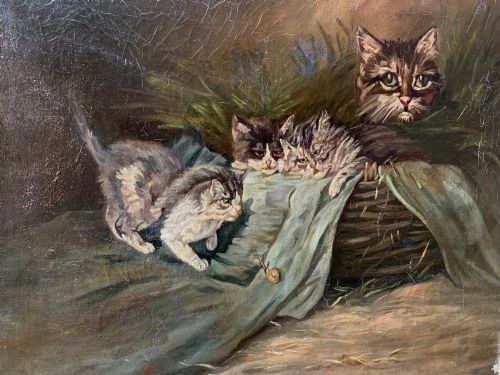
Artists also recorded specific named animals, such as prize bulls and individual hunting packs, alongside whimsical depictions of cats and kittens.
How do I care for these works?
Keep oil paintings and works on paper away from direct sunlight and damp conditions to prevent fading and mould.
Display them on interior walls with stable humidity and dust frames gently with a soft, dry brush.
Are prints considered original art?
Original etchings and artists' proofs are produced by the hand of the maker using inked plates, making them distinct original artworks.
Chromolithographs and later reproductions are mechanical or commercial editions created to distribute popular imagery more widely.
How do I identify the period?
Styles of clothing in human figures, framing materials, canvas stamps and handwritten inscriptions on the reverse often provide clues.
Stylistic conventions of nineteenth-century realism and romanticism also help narrow down the decade of creation.