

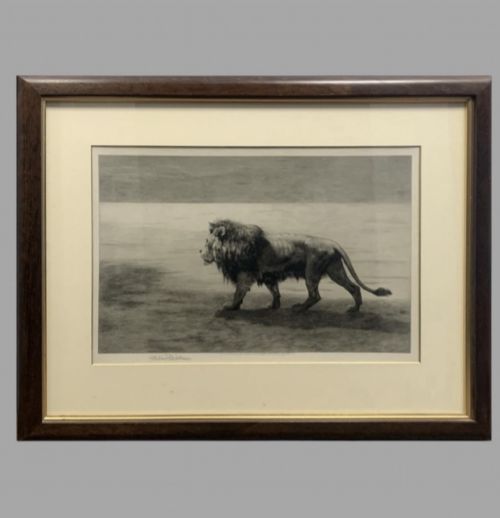


Monochrome Animal Prints
Monochrome animal prints deliver striking depictions of big cats and domestic hounds through fine etching, drypoint, and engraving.
Monochrome Animal Prints
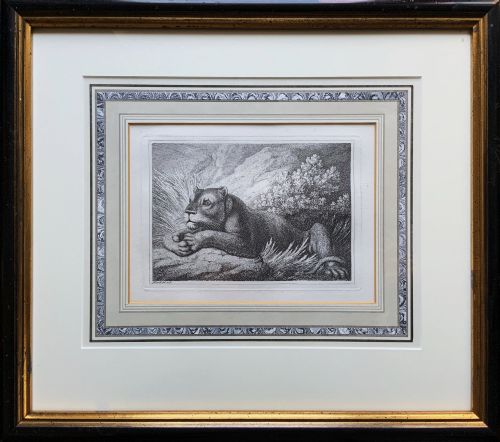
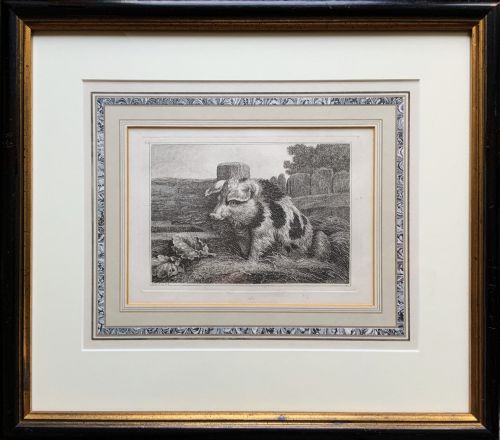
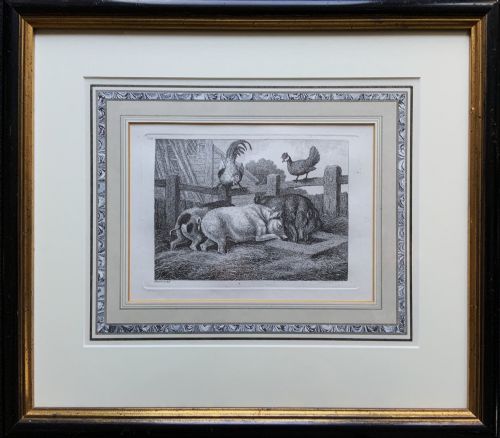
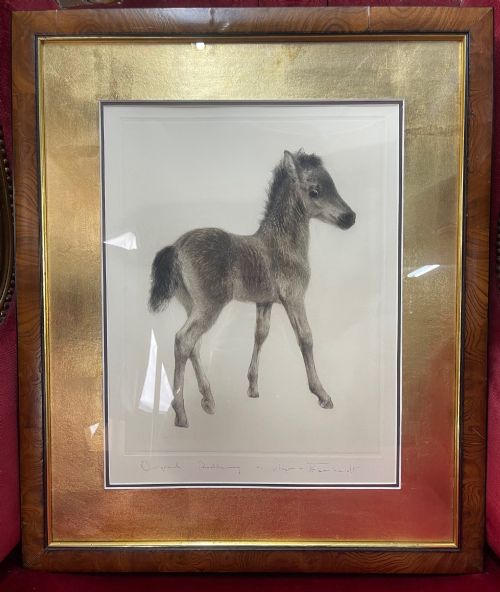
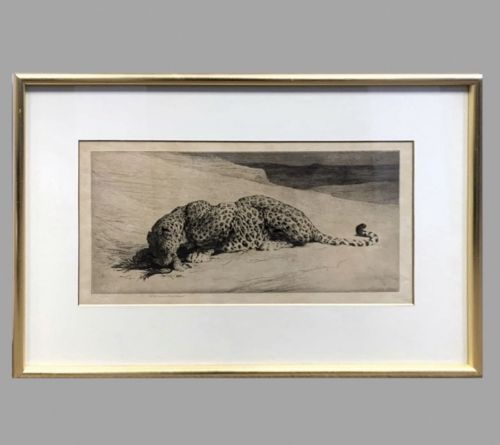
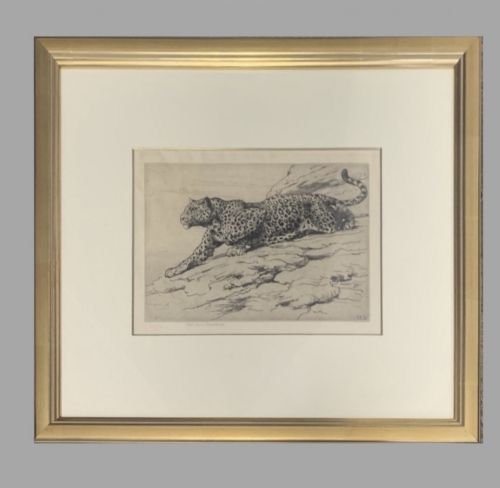
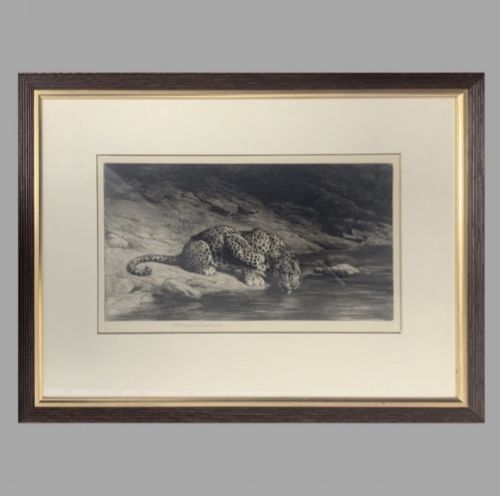
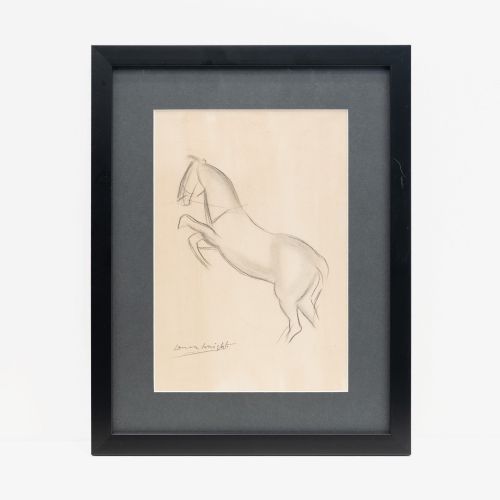
Monochrome animal prints encompass framed artworks, etchings, and engravings created across the Victorian, Edwardian, and twentieth-century modern British periods. These works capture creatures ranging from leopards and lions to bulldogs and foals with intense linear detail.
You will most frequently encounter signed artist proofs and original drypoint etchings on paper or vellum, particularly works produced by prominent early twentieth-century printmakers working in black and white tones. Framed prints and wall art dominate the available object types.
The subjects span fierce wild cats resting on hillsides alongside domestic companions such as spaniels and bull bitches. Each piece relies entirely on tonal gradation, shadow, and line rather than colour to bring the animal subjects to life.
How they were made
Makers utilised traditional printing techniques including etching, drypoint, and engraving to transfer ink onto paper and vellum. Artists scratched lines directly into metal plates or used acid to bite the designs before pressing them onto the sheet.
Selected works incorporate gold leaf and gilt wood within the framing, adding a reflective border that contrasts against the dark ink. The base materials consist primarily of paper, vellum, ink, and graphite supported by wood frames.
Monochrome Animal Prints Retail Price Guide 2026
Typical asking prices for monochrome animal prints among the pieces listed under this phrase on Sellingantiques today, from the lower quarter to the upper quarter. They describe what is for sale here now, not the wider market.
Listings feature paper, vellum, ink, and graphite combined with gilt wood frames across Victorian, Edwardian, and twentieth-century periods.
What varies in quality
Quality rests heavily on the clarity of the impression and the precision of the plate work, where deeper blacks and crisp lines indicate a superior early strike from the metal plate. Signed artist proofs command greater attention than unsigned impressions due to the direct involvement of the creator in pulling the print.
The choice of support material also differentiates the tier of a piece, with delicate vellum providing a distinct texture compared to standard paper. Additionally, the condition of the paper and the integrity of the original framing contribute to the overall standing of an artwork.
Herbert Dicksee·Kurt Meyer Eberhardt·Dame Laura Knight
The Monochrome Animal Prints Glossary
- Etching
- A printmaking technique where acid bites lines into a metal plate to hold ink. This method allows for fine, flowing tonal variations across the image.
- Drypoint
- A printmaking process where an artist scratches directly into a metal plate with a sharp needle. This creates a distinctive velvety burr that holds ink for rich, dark lines.
- Vellum
- A fine parchment prepared from calfskin used as a durable surface for printing. It absorbs ink differently than paper, yielding softer edges and creamy tones.
- Artist Proof
- A trial impression pulled for the printmaker to check the state of the plate before the main edition is printed. These carry particular significance for collectors.
- Engraving
- A method of cutting design lines directly into a hard plate using a burin tool. It produces clean, precise lines without the chemical action of acid.
Monochrome Animal Prints: Frequently Asked Questions
What is a drypoint etching?
A drypoint etching is a print created by scratching an image directly into a metal plate with a sharp steel needle. The process raises a small ridge of metal called a burr.
When ink is applied and wiped off before printing, this burr catches the ink to produce rich, velvety lines that distinguish drypoints from standard line engravings.
How do I care for paper prints?
Paper prints require protection from direct sunlight to prevent the ink from fading and the paper from yellowing over time. Keeping them behind proper glazing in stable indoor conditions preserves the material.
Humidity control is equally important to avoid warping the paper or encouraging mould growth within the frame.
What distinguishes an artist proof?
An artist proof is an impression pulled during the printmaking process before the formal edition is printed for general release. Printmakers kept these proofs to monitor quality or retain for their own records.
Because they often bear the artist signature and come from the earliest pulls of the plate, collectors value them for their sharpness.
How do I date these artworks?
Dating relies on the recorded period of the creator, stylistic markers of the frame, and any pencil signatures or inscriptions on the paper. Edwardian and Victorian works often feature distinct handwritten titles alongside signatures.
Comparing the paper type and printing style to known periods helps narrow down the production decade.