


Antique Wildlife Artwork
Antique wildlife artwork encompasses oil paintings, etchings, and watercolours capturing animals, bringing the observation of nature into interior spaces.
Antique Wildlife Artwork
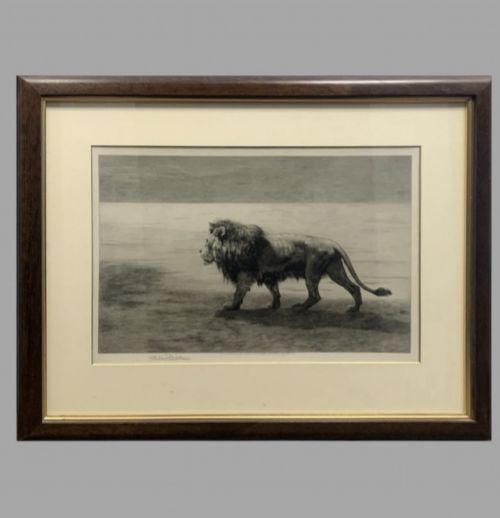
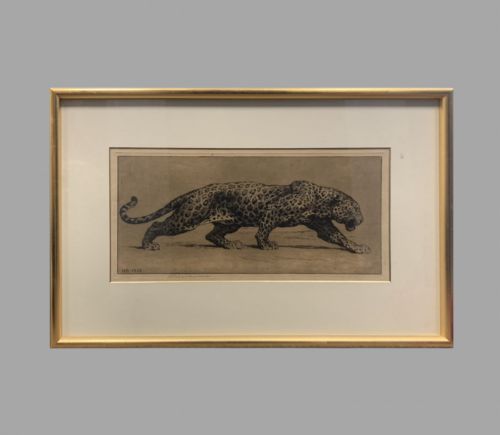
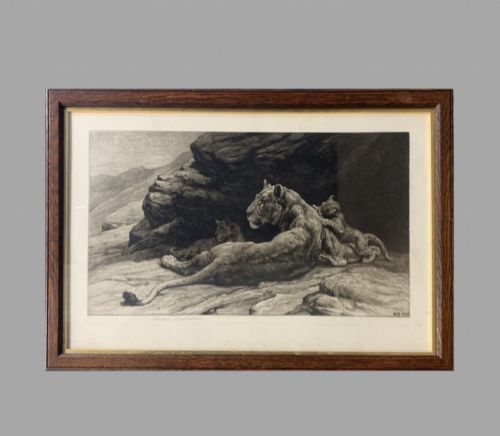
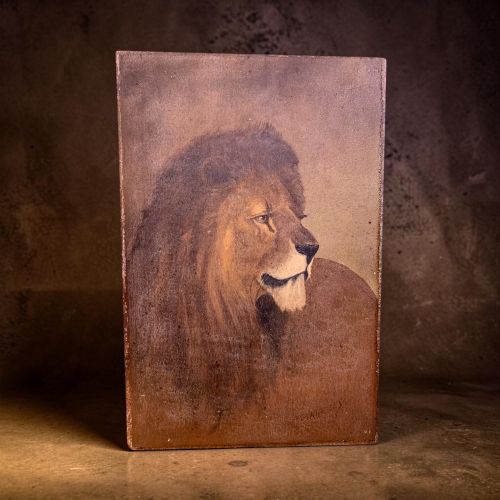
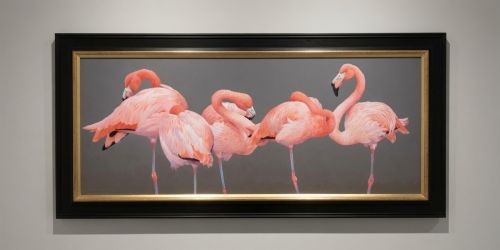
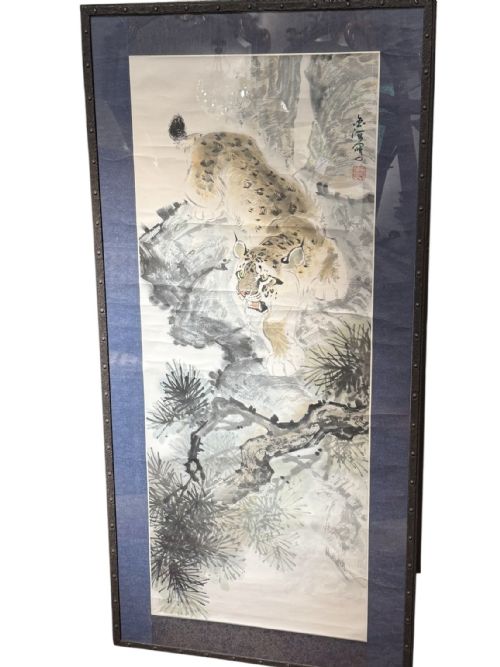
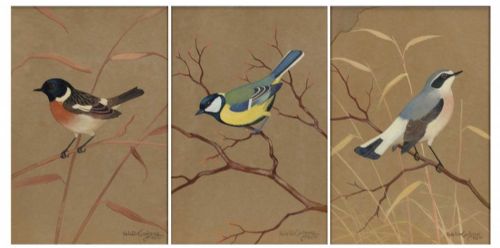
Forms span from large oil paintings on canvas to delicate etchings on paper and vellum, alongside traditional Chinese scrolls and framed watercolours. Subjects focus firmly on the natural world, showing creatures in landscapes, woodland settings, or river banks as recorded by artists from the nineteenth and twentieth centuries.
How they were made
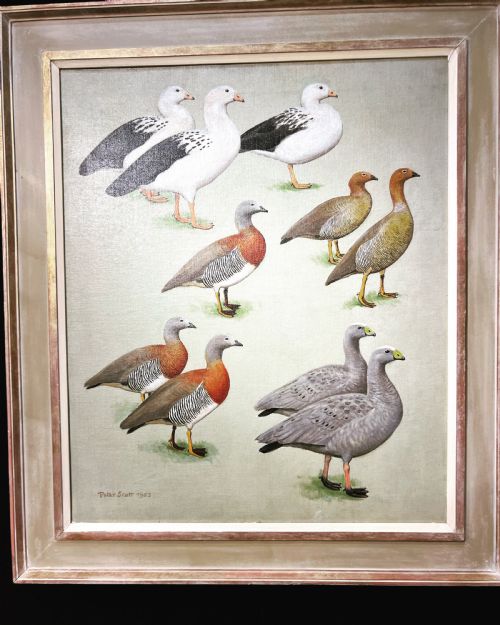
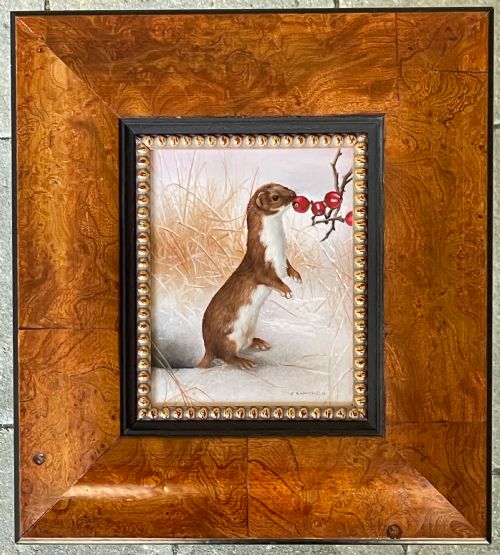
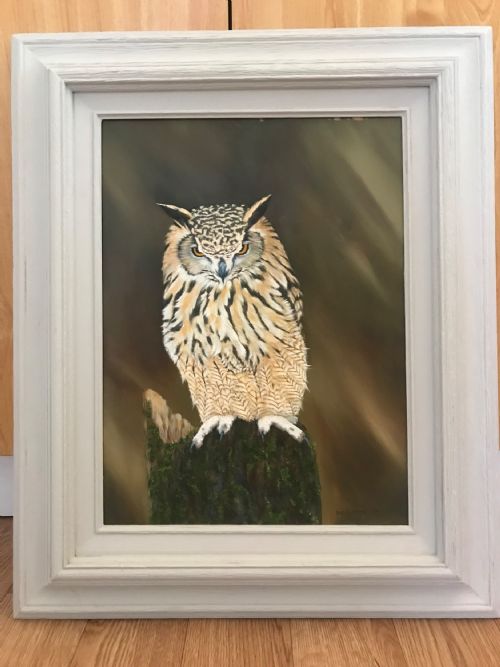
Artists utilised oil paint on canvas and wood panels, applying pigments to build layered depictions of fur, feathers, and natural textures. Watercolours and gouache on paper offer lighter, more immediate renderings of garden birds and landscape scenes.
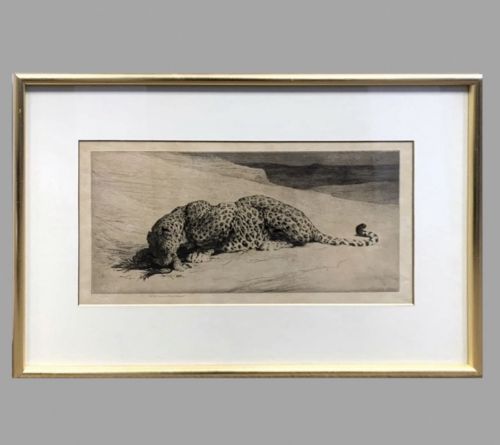
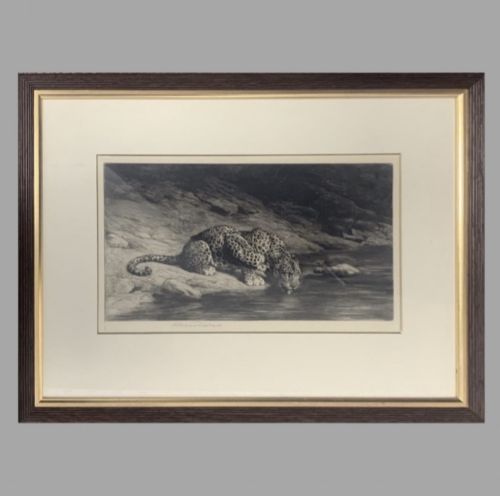
Printmakers employed etching techniques on paper and vellum, creating detailed impressions through inked plates. Many prints from this era exist as signed artist proofs, frequently set within gilt wood frames.
Frogs and toads share the canvas with a duck family in an 18th-century oil painting.
What varies in quality
Quality rests upon the artist's ability to render anatomical accuracy and movement within the animal subjects, distinguishing skilled naturalists from standard decorators. The finesse of brushwork in oil paintings or the crispness of line in an etching on vellum determines the standing of a piece.
The preservation of the paper, canvas, or wood support alongside the original framing contributes significantly to the integrity of the artwork. Works bearing clear artist signatures or limited edition proofs command greater recognition among collectors.
Herbert Dicksee·Cuthbert Edmund Swan·Philipp Ferdinand de Hamilton·George Armfield·Constant Ludovic Artz
The Antique Wildlife Artwork Glossary
- Etching
- A printmaking method where lines are bitten into a metal plate with acid before being inked and pressed onto paper or vellum.
- Vellum
- A fine parchment material prepared from calfskin, utilised for high-quality etching impressions.
- Animalier
- An artistic genre dedicated primarily to the realistic portrayal of animals, prominent during the Victorian era.
- Artist Proof
- An early trial print pulled from a plate for the artist to inspect, typically signed by hand.
- Gouache
- An opaque water-based paint medium that yields solid, vibrant areas of colour on paper supports.
Antique Wildlife Artwork: Frequently Asked Questions
What periods do these artworks cover?
The available selection spans from the 18th century through the Victorian era up to the mid-20th century. Most pieces originate from the 19th and early 20th centuries.
Creators worked within traditional British, European, and Eastern styles, reflecting shifting artistic approaches to nature over these decades.
What mediums were used?
Artists worked primarily with oil paint on canvas, watercolour, gouache, and ink on paper. Printmakers also utilised etching techniques on paper and vellum supports.
Frames are commonly constructed from wood, frequently featuring gilt finishes to house the paintings and prints.
How should I care for paper art?
Works on paper and vellum require protection from direct sunlight to prevent fading of the inks and watercolours. Maintaining stable indoor humidity levels protects both the paper support and the surrounding wooden frames.
Displaying pieces away from moisture sources ensures the longevity of delicate watercolours and etchings.
Are these works signed?
Numerous pieces feature artist signatures, inscriptions, or stamps from the period of creation. Etchings often include pencil signatures denoting artist proofs.
Attributions in listings also reference historical archives and stylistic similarities to documented masters of animal painting.