


Antique White Ironstone
Antique white ironstone brings robust utility and bright monochrome display to the table through heavy ceramic vessels designed to endure.
Antique White Ironstone
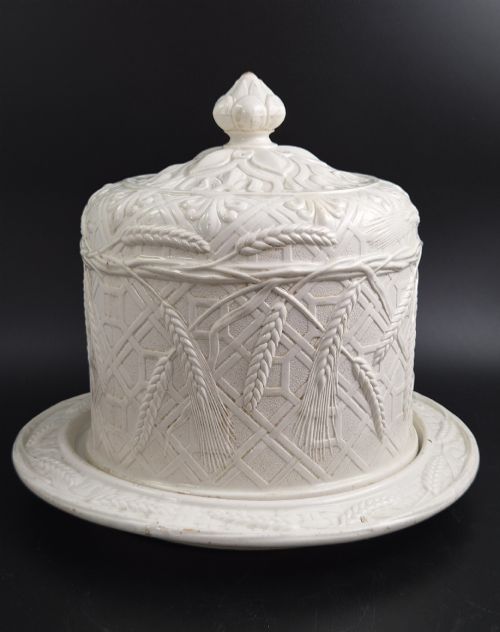
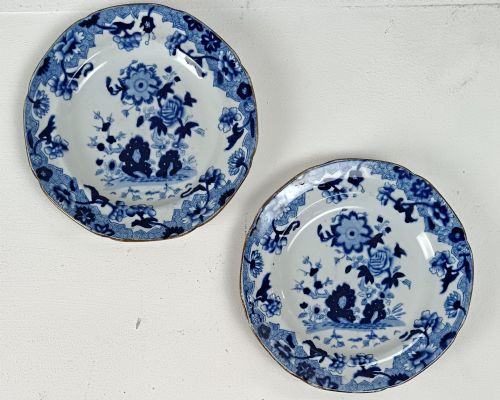
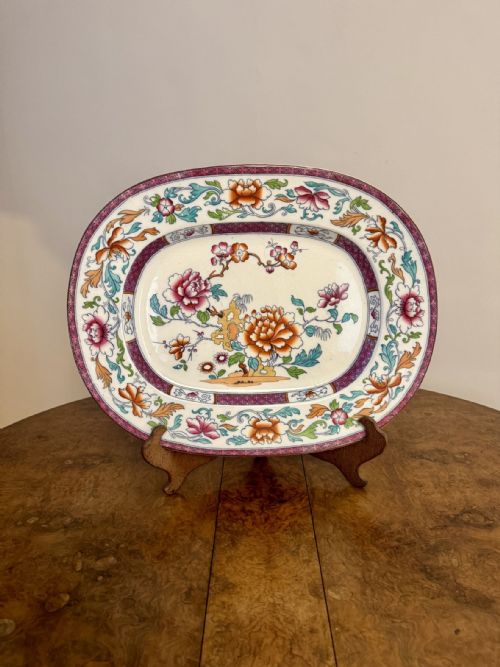
Antique white ironstone comprises heavy, durable ceramic vessels produced across the nineteenth century by English potteries. Collectors seek out utilitarian forms like large meat platters, serving dishes, cheese domes, and tureens.
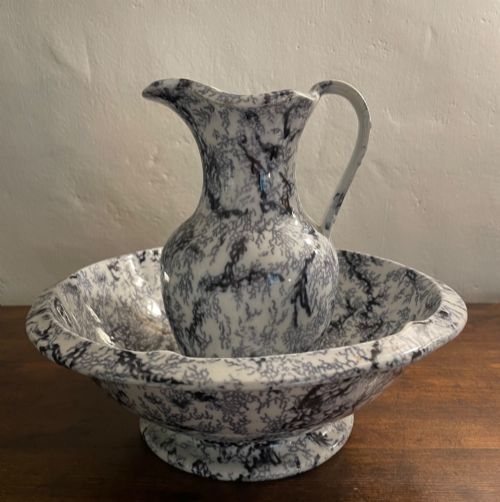
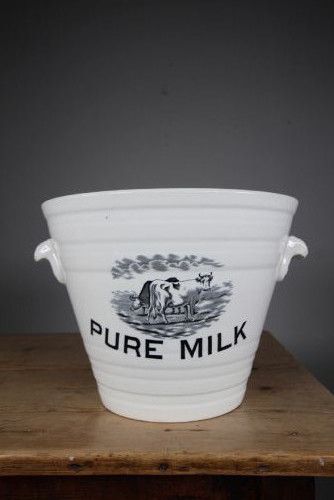
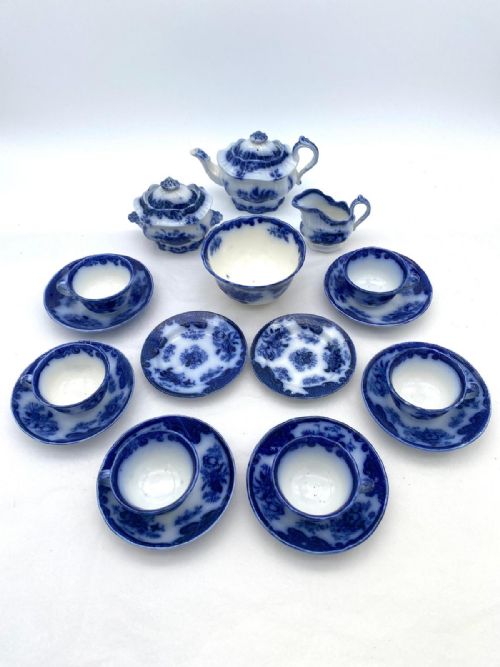
The pieces appearing most frequently range from plain white dairy pails and heavy meat dishes to patterned services adorned with transfer print designs. These objects reflect the practical domestic and culinary demands of Victorian and Georgian households.
How They Were Made
Potters combined fine clay, feldspar, and flint to create a dense, opaque earthenware body that resisted chipping far better than standard pottery. A smooth glaze sealed the surface, often providing the characteristic bright white ground for transfer-printed decoration.
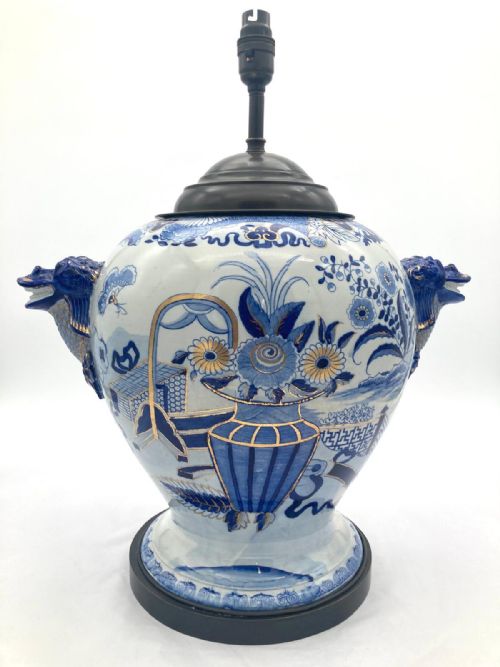
Makers shaped the wares using moulds and turned them on wheels before firing them at high temperatures to achieve a vitrified finish. Certain pieces received hand-painted touches over transfer printing or gilt highlights applied with gold leaf.
Listings feature ironstone from the Georgian, Victorian, and Edwardian eras, spanning plain white utility wares and elaborate transfer-printed services.
What Varies in Quality
Quality rests in the crispness of the moulded relief work and the depth of the glaze. Superior examples retain sharp, clean lines on heavy pieces like cheese domes and platters without excessive surface crazing.
The precision of the transfer printing and the balance of the form dictate desirability. Weight and substance define the better pieces, distinguishing robust utility wares from lighter domestic ceramics.
Mason·Spode·Copeland·John Ridgway·Hicks and Meigh·Livesley Powell and Co
The Antique White Ironstone Glossary
- Ironstone
- A patented ceramic body invented in the nineteenth century to provide a durable, heavy alternative to porcelain. It contains feldspar and china stone.
- Transfer print
- A decoration technique where an engraved copper plate transfers a design onto tissue paper, which is then pressed onto the ceramic surface before glazing. This method allowed complex blue and white patterns to be produced consistently.
- Tureen
- A deep covered bowl designed for serving soups, sauces, or vegetables at the table. These vessels often include matching ladles and undertrays.
- Comport
- A raised dish or bowl used for serving fruit or dessert during formal nineteenth-century dining. They sit upon a central foot or pedestal.
- Drainer
- A perforated ceramic insert placed inside a meat platter to lift joints of meat above accumulated juices. They frequently feature elaborate pierced patterns.
Antique White Ironstone: Frequently Asked Questions
What is antique white ironstone?
Antique white ironstone is a heavy, durable ceramic developed in nineteenth-century England as a tough alternative to porcelain. Potteries utilised it for practical kitchen and dining items that needed to withstand daily use.
The material possesses a dense, opaque quality and a hard glaze. Pieces range from unadorned utilitarian milk pails to large serving platters and cheese stands.
How were ironstone platters used?
Large ironstone platters served heavy joints of meat at the dining table, often paired with a ceramic drainer inset to catch juices. Tureens held soups or sauces, while dairy pails managed milk in country houses.
These robust vessels supported the demanding hospitality and food service requirements of Georgian and Victorian households. Their weight and durability made them central to kitchen operations.
How do I care for ironstone?
Wash antique ironstone gently by hand in warm water using mild soap. Avoid sudden temperature changes to protect the historic glaze from thermal shock.
Store heavy pieces securely on sturdy shelving that can support their substantial weight. Keep them away from abrasive scourers to preserve the surface finish.
How do I identify nineteenth-century pieces?
Examine the base for impressed maker marks, registry diamonds, or printed patterns specific to English potteries active in the 1800s. The weight, thickness of the glaze, and manufacturing methods provide further clues.
Early pieces often display subtle imperfections from kiln stacking and hand-finishing that distinguish them from later reproductions. Subtle variations in the white glaze tone also point to period production.