



Vintage Ceramic Cheese Dome
These vintage ceramic cheese dome pieces are practical tablewares designed to keep cheese fresh, offering both function and decorative charm for the dining table.
Vintage Ceramic Cheese Dome
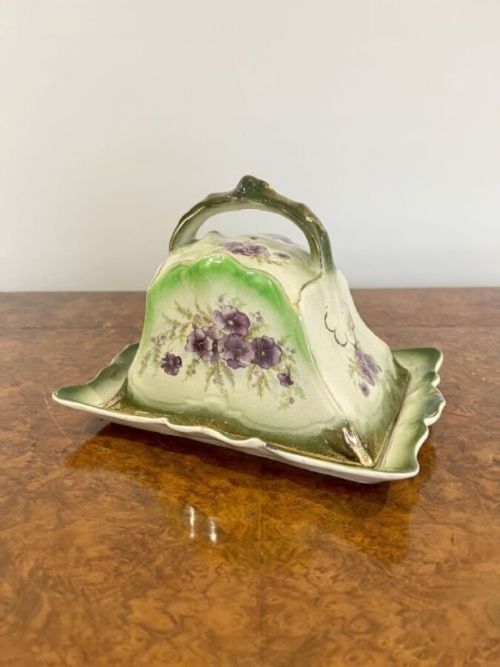
When you search for vintage ceramic cheese dome, you are looking at utilitarian tablewares designed to preserve cheese on the dining table. These pieces typically consist of a fitted cover and a matching stand or base.
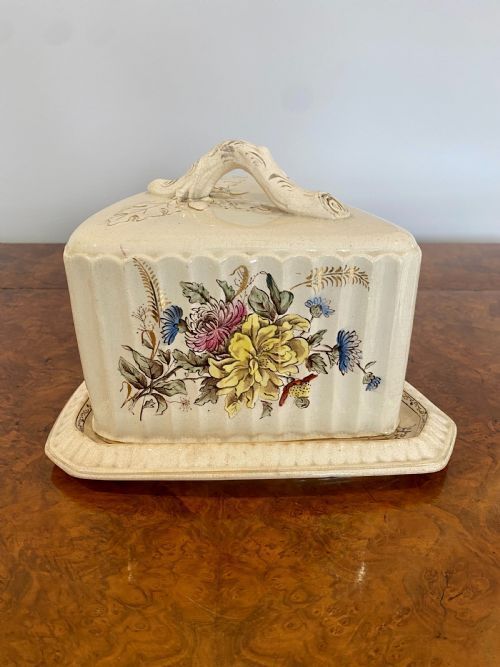
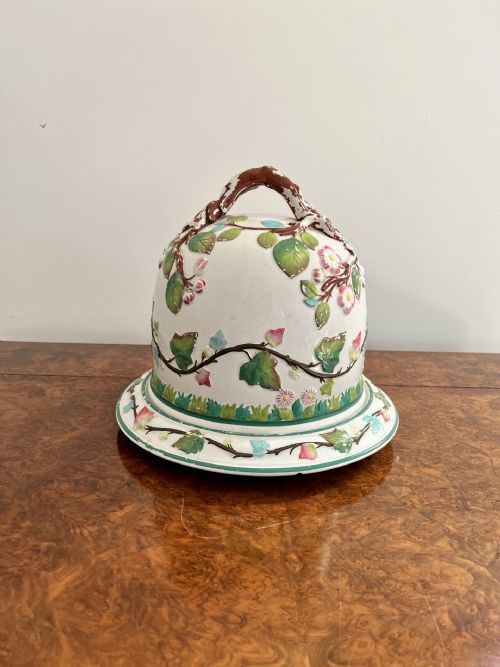
The selections available here span the nineteenth century into the Edwardian period, encompassing Victorian designs and Majolica styles. You will regularly encounter forms such as cheese dishes, cheese bells, and serveware.
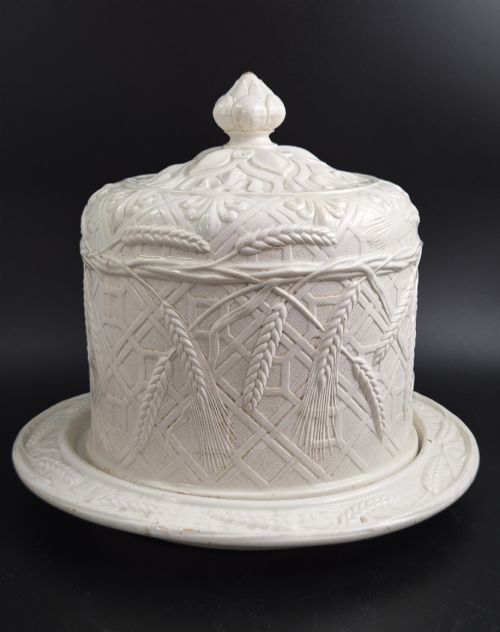
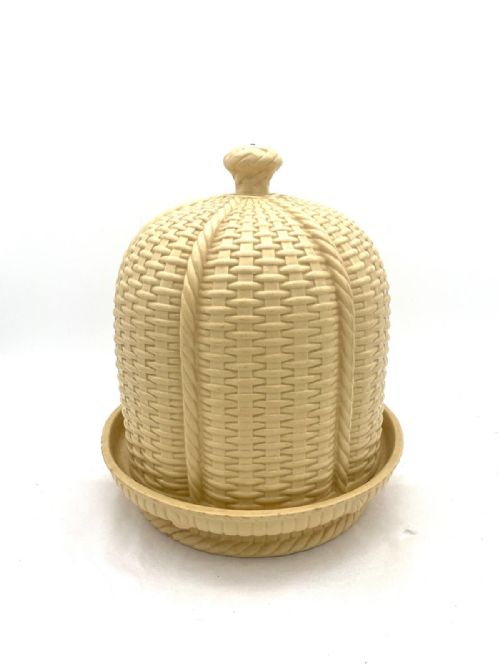
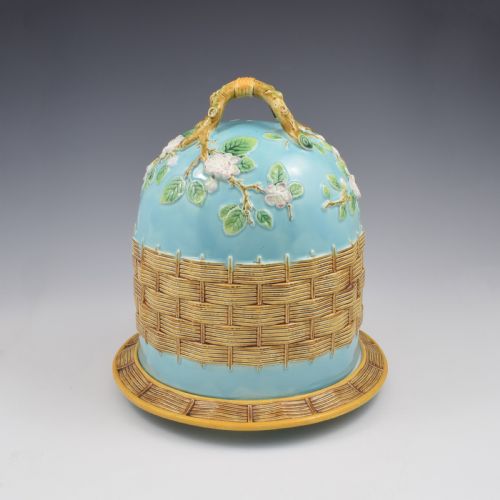
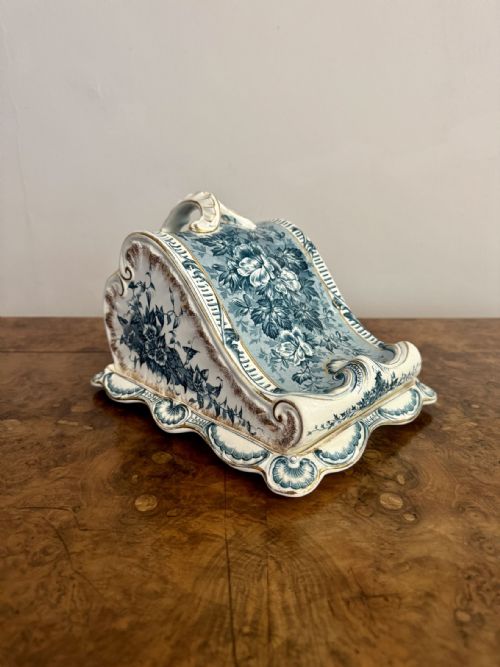
Many examples showcase traditional motifs including wheat and lattice patterns, basket weave textures, drabware finishes, apple blossom decorations, and Chinoiserie or Pagoda designs. These items reflect the domestic habits and dining aesthetics of their respective eras.
How they were made
The construction of these items relies on traditional ceramic bodies such as earthenware, ironstone, and jasper ware, shaped into substantial bases and matching domes.
Makers applied glazes to seal the porous clay bodies, sometimes incorporating decorative gilding, gilt accents, or coloured Majolica lead-glazed finishes to enhance the visual appeal.
Vintage Ceramic Cheese Dome Retail Price Guide 2026
Typical asking prices for vintage ceramic cheese dome among the pieces listed under this phrase on Sellingantiques today, from the lower quarter to the upper quarter. They describe what is for sale here now, not the wider market.
Victorian diners apparently required specialised ceramic architecture simply to keep the cheddar from drying out during long, multi-course meals.
What varies in quality
Quality in these pieces is dictated by the crispness of moulded details, such as basket weave textures or applied floral motifs like apple blossoms, which can appear sharp or softened through repeated moulding.
The application and preservation of surface elements, including coloured glazes, transfer-printed patterns like pagoda designs, and gilt highlights, separate standard utilitarian wares from more ambitious decorative productions.
George Jones·Masons Ironstone China
The Vintage Ceramic Cheese Dome Glossary
- Ironstone
- A heavy, durable type of earthenware patented in the nineteenth century, known for its resilience and suitability for domestic service. It provides a dense white body that accepts glazes effectively.
- Majolica
- A Victorian pottery style characterised by colourful, lead-glazed earthenware with relief moulding. It often depicts naturalistic subjects such as leaves, flowers, and fruit.
- Drabware
- A type of unglazed or thinly glazed stoneware or earthenware coloured in muted grey-brown or olive tones. It was popular during the early and mid-nineteenth century for utilitarian tablewares.
- Jasper ware
- A fine-grained, unglazed stoneware developed in the eighteenth century and continued through the nineteenth century, typically featuring contrasting white cameo reliefs against a coloured ground.
- Cheese bell
- An alternative term for the domed cover of a cheese dish, designed to trap moisture and protect the cheese from air and insects.
Vintage Ceramic Cheese Dome: Frequently Asked Questions
What is a vintage ceramic cheese dome used for?
These items were traditionally used on the dining table to store cheese, keeping it moist and protected from pests between meals.
Today, they serve both as functional kitchenware and as decorative display pieces for collectors of nineteenth-century ceramics.
How do I tell Victorian pieces apart from Edwardian ones?
Victorian examples often feature heavier moulding, ornate decoration like Majolica glazes, or utilitarian ironstone bodies associated with the mid to late nineteenth century.
Edwardian pieces tend to display cleaner lines and slightly lighter manufacturing techniques characteristic of the turn of the twentieth century.
Are all cheese domes sold with their original stands?
Many listings include both the dome, sometimes called a bell, and its matching ceramic base or stand as a complete set.
Because these pieces were used separately, buyers should examine the pairing to ensure the glaze and form correspond correctly.