


Antique White Frame
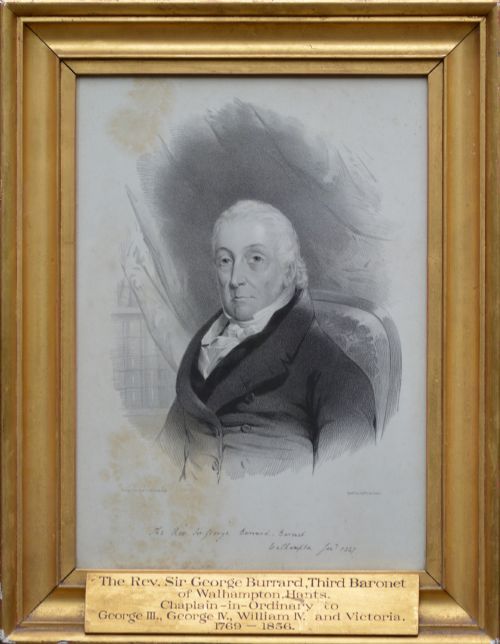
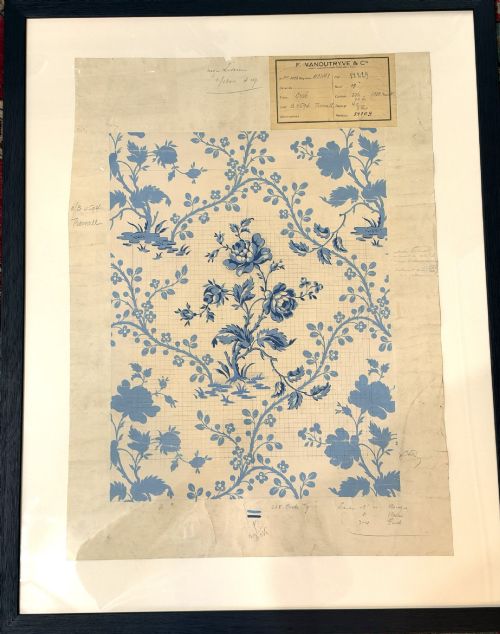
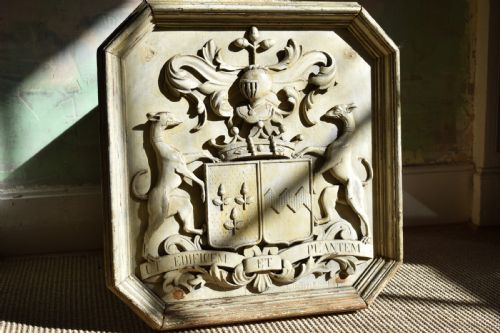
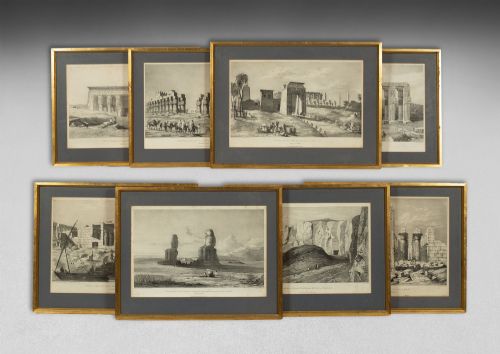
When searching for an antique white frame, collectors find period wooden and metal structures enclosing historical portraits, mirrors and prints.
Antique White Frame
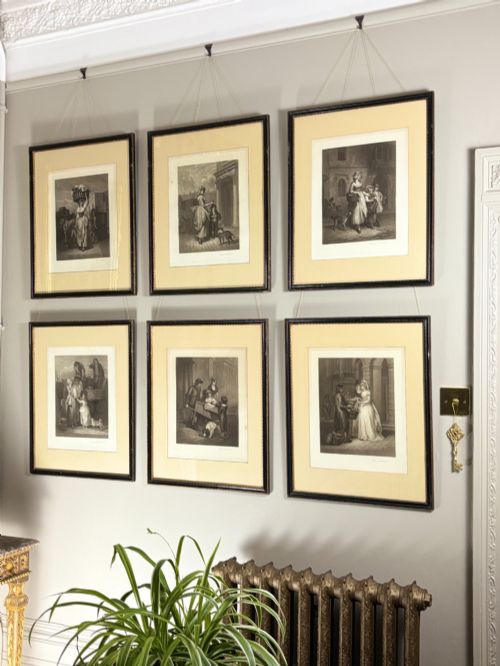
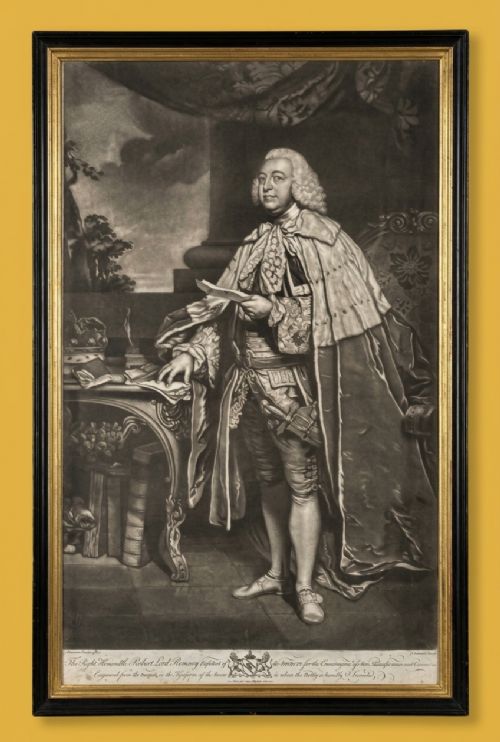
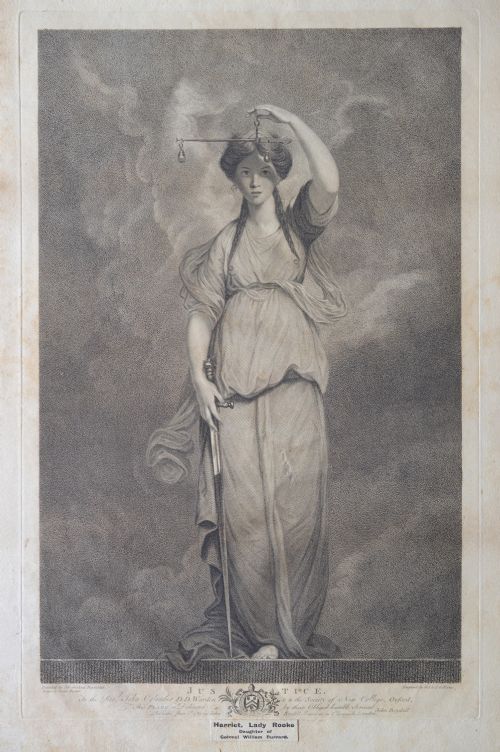
Buyers seeking an antique white frame encounter pieces originating from the seventeenth century through to the early twentieth century. These housings often take the form of original surrounds enclosing oil paintings, engravings, mezzotints and mirrors.
The selection includes Georgian and Victorian iterations, alongside early twentieth century productions. Domestic furnishings and wall art provide the primary contexts for these objects.
Most examples derive from British and European traditions, incorporating styles ranging from Baroque and Neoclassical to Edwardian and British Impressionism.
Materials and construction methods
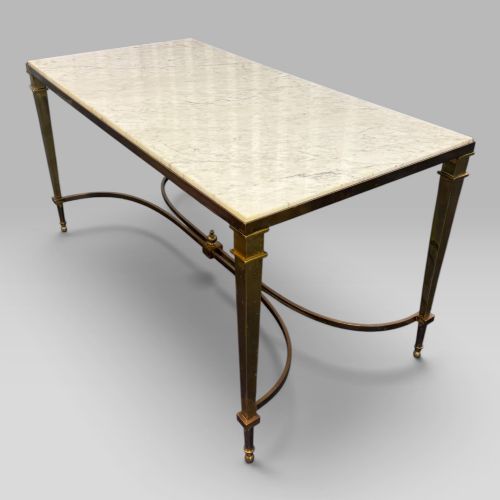
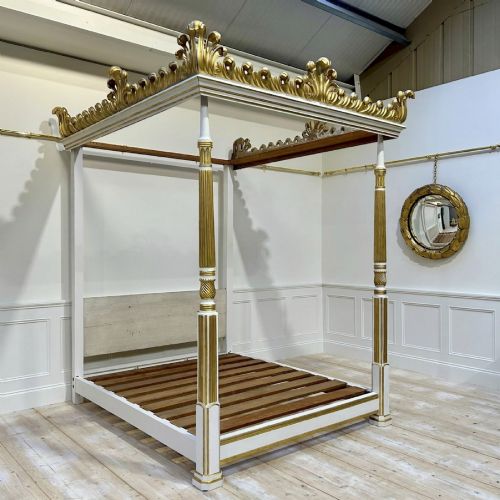
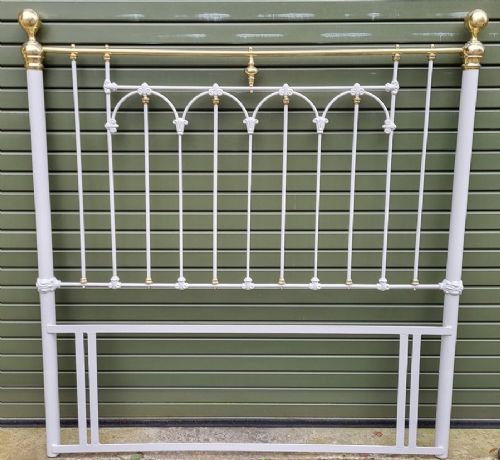
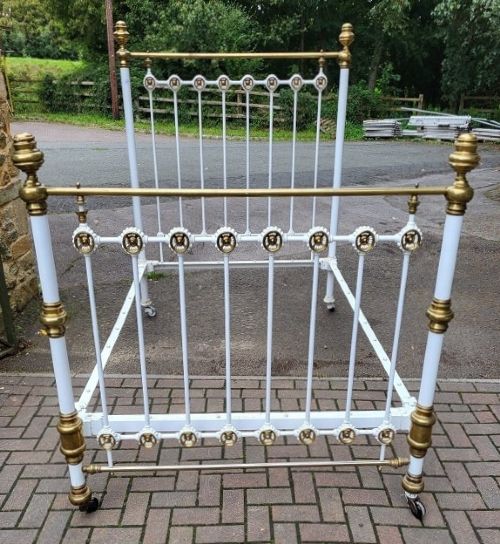
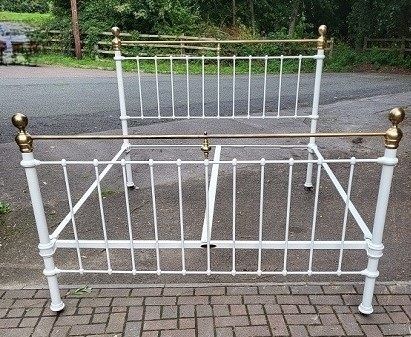
Wood serves as the primary structural material, often shaped with carved details and finished with applied white or light surface treatments. Metal elements such as brass, cast iron and gold leaf appear frequently in related items like tables and beds.
Paper, glass, ink and oil on canvas constitute the visual components housed within or associated with these surrounds. Artisans utilised traditional joining techniques and manual carving methods suited to each specific period.
Antique White Frame Retail Price Guide 2026
Typical asking prices for white frame among the pieces listed under this phrase on Sellingantiques today, from the lower quarter to the upper quarter. They describe what is for sale here now, not the wider market.
Current listings incorporate items from the seventeenth, eighteenth, nineteenth and twentieth centuries, utilising wood, glass, paper and cast iron.
Distinctions in craftsmanship and condition
Quality separates through the depth and crispness of carved wooden details rather than surface uniformity alone. Hand-worked surfaces display individual tool marks that distinguish skilled artisanal execution from later mechanical replication.
The integrity of the original joints and the preservation of early surface layers dictate the standing of a piece within its historical category. Superior examples maintain structural cohesion alongside authentic patination developed across centuries.
Herbert Royle·Marjorie L Davies·Sir Thomas Lawrence·Jeremiah Davison·Henry Pickering·Sir Joshua Reynolds·John Smith·William Etty·Herbert Dicksee
The Antique White Frame Glossary
- Mezzotint
- A printmaking process of the intaglio family, where the plate is roughened to produce tonal gradations. This technique allows for subtle transitions between light and dark areas in portraiture.
- Hogarth frame
- A narrow, moulded wooden picture frame profile popular during the eighteenth century. These surrounds typically feature a distinct stepped or ogee profile.
- Intaglio
- A design incised or engraved into a material such as plaster or stone. Classical examples were often collected during the Grand Tour.
- Etching
- A printmaking method where acid cuts into unprotected parts of a metal plate to hold the ink. Artists utilised this process to achieve fine, expressive linear detail.
- Neoclassical
- A Western cultural movement drawing inspiration from the art and culture of classical antiquity. This style manifests in restrained ornamentation and symmetrical proportions.
Antique White Frame: Frequently Asked Questions
What periods do these frames represent?
The items span from the seventeenth century through the Victorian era and into the early twentieth century. Each period brings distinct moulding profiles and material compositions.
Production methods shifted across these centuries, moving from entirely hand-carved wooden constructions to later industrial and cast variations.
How were original artworks integrated?
Portraits, etchings and mezzotints were secured directly into the surrounds using traditional backing boards and fixings. These enclosures protected delicate paper and canvas mediums from environmental damage.
Many pieces retain their original relationship with the enclosed artwork, preserving the aesthetic intent of the period.
How should I care for antique wood?
Maintenance requires keeping pieces away from direct heat sources and sudden humidity fluctuations to prevent wood movement. Gentle dusting with a dry, soft cloth preserves the historical surface.
Harsh chemical cleaning agents must be avoided to protect the underlying gesso, paint and gilt layers.
Can I distinguish eighteenth-century styles?
Eighteenth-century examples often exhibit Georgian or Neoclassical design principles, characterised by balanced proportions and restrained decorative carving. Portraiture from this time frequently employs mezzotint techniques.
Comparing moulding profiles and the specific type of wood used helps differentiate these items from later Victorian reproductions.