
Antique White China Plates
These antique white china plates encompass centuries of ceramic craft, offering refined table service and decorative porcelain for daily living.
Antique White China Plates
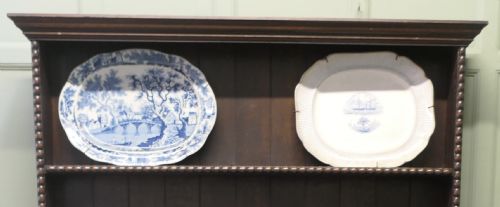
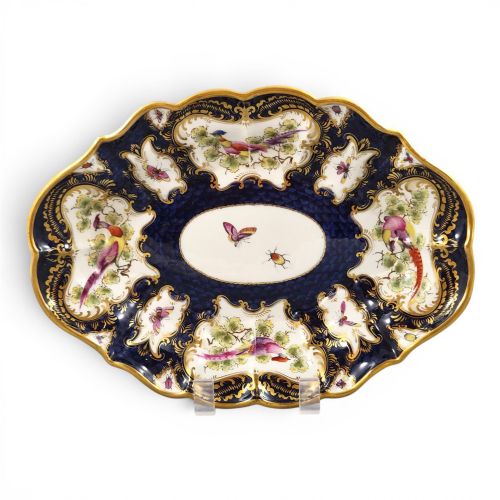
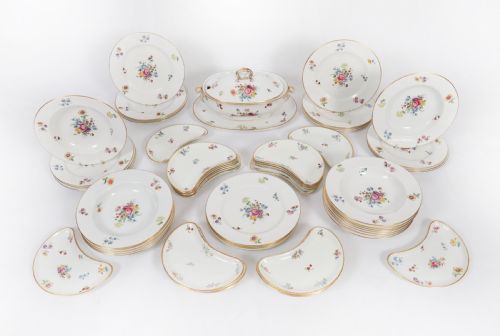
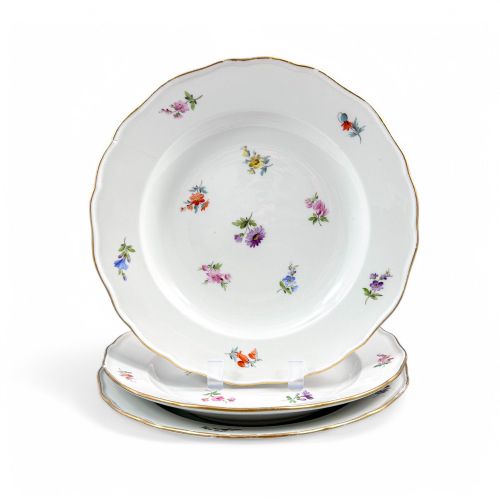
Buyers seeking antique white china plates encounter a diverse range of ceramic tableware, from Georgian earthenware to Victorian porcelain cabinet pieces. The selection includes decorative dishes, dessert services, and serving platters spanning the eighteenth and nineteenth centuries.
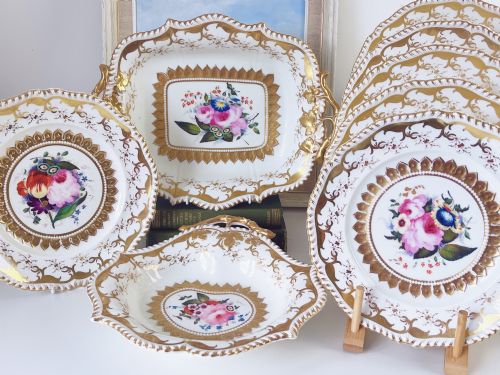
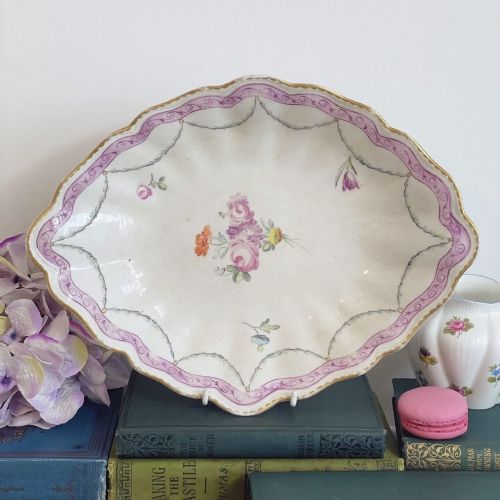
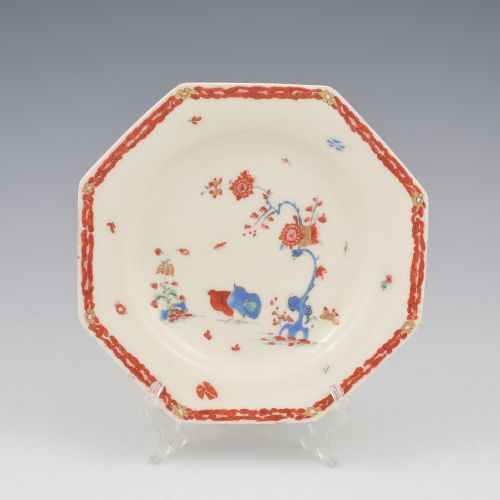
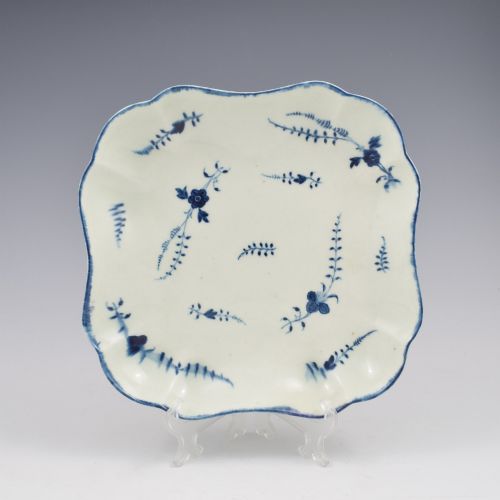
Most pieces on this page originate from English and European factories, displaying traditional forms such as octagonal plates, square dessert dishes, and scalloped edge platters. These items represent practical dining wares and ornamental cabinet items created over successive historical periods.
How they were made
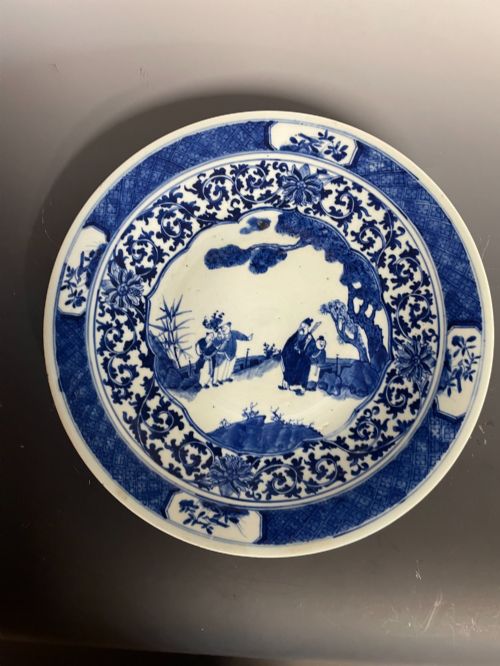
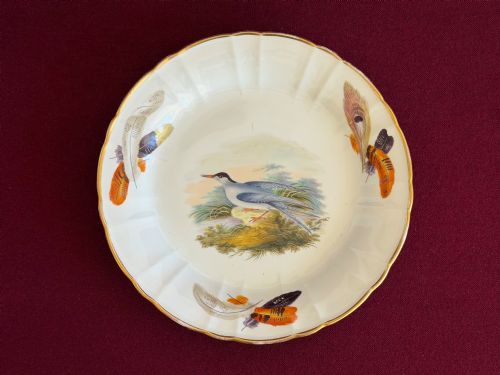
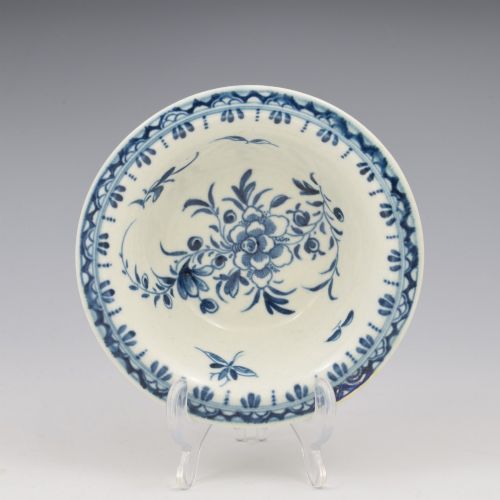
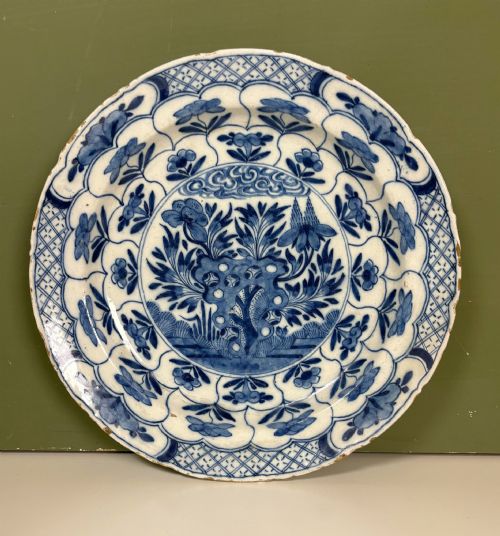
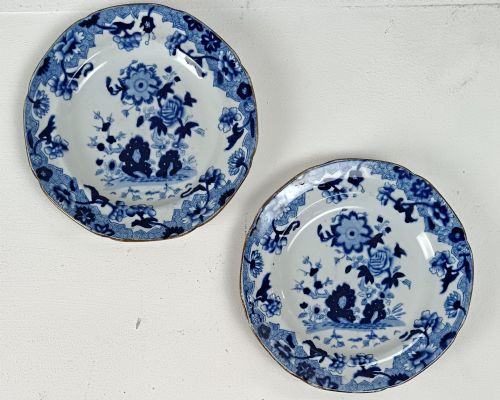
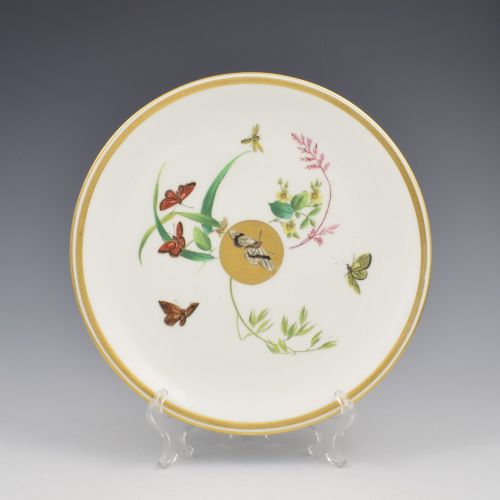
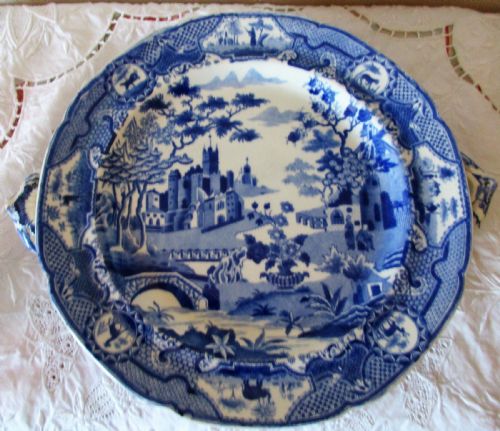
Potters utilised porcelain, soft-paste porcelain, and earthenware bodies, often finishing pieces with a protective glaze and gold leaf highlights. Many items display handpainted botanical or topographical scenes alongside blue and white transfer printed motifs.
Factories employed specialised techniques including polychrome enamel decoration and gilding applied over fired ceramic surfaces. Distinctive textures like basketweave moulding and blue scale patterns emerge directly from period manufacturing methods.
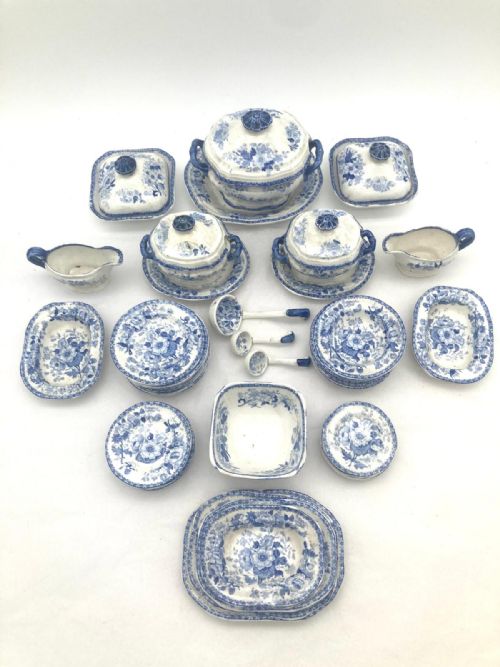
Object forms range from simple soup dishes and tea plates to extensive dinner services and decorative cabinet platters.
What varies in quality
Quality rests upon the crispness of the moulding, the precision of the handpainted or transfer printed details, and the preservation of the glaze. Superior pieces exhibit fine ceramic bodies with carefully applied gilding and well-defined decorative motifs.
The distinction between standard service wares and high-end cabinet plates lies in the artistry of the painting and the reputation of the maker. Finer examples maintain crisp relief work and vivid enamels without excessive wear to the glazed surfaces.
Grainger Lee And Co·Wedgwood·Derby Porcelain·Dr Wall Worcester·Spode·Minton·Royal Worcester·Meissen·Coalport·Paul Muller Selb·Flight Barr And Barr·Helena Wolfsohn·Doulton
The Antique White China Plates Glossary
- Soft-paste porcelain
- An artificial ceramic composition fired at lower temperatures than true porcelain, common in eighteenth-century European factories. This material yields a warm creamy tone beneath the glaze.
- Transfer printing
- A mechanical method of applying complex designs to ceramics from an engraved copper plate using tissue paper. This technique enabled factories to produce uniform patterns efficiently during the nineteenth century.
- Kakiemon
- A Japanese style of enamel decoration featuring asymmetrical floral and bird motifs adopted by European porcelain makers. The palette typically includes soft iron red, yellow, blue, and turquoise.
- Blue scale
- A dark blue patterned ground applied to porcelain in overlapping fishscale formations, frequently associated with eighteenth and nineteenth-century Worcester production. It often frames intricate handpainted floral reserves.
- Ozier border
- A moulded wicker-work or basketry pattern stamped into the rim of ceramic plates. This neoclassical decorative device was popular in European porcelain manufacture.
Antique White China Plates: Frequently Asked Questions
Can I use these plates for dining?
Many antique plates remain sturdy enough for occasional dining use, provided they feature durable earthenware or hard-paste porcelain bodies. Examine each piece for old hairline cracks or crazing that might absorb liquids before serving food.
Delicate soft-paste porcelain and heavily gilded cabinet plates suit display rather than active service. Hand washing is essential for any antique ceramic used at the table.
How do I identify eighteenth-century pieces?
Look for characteristic material traits such as the translucent body of soft-paste porcelain or the heavier weight of early earthenware. Factory marks, painted workman symbols, and characteristic glaze pooling offer vital clues to exact periods.
Compare form and decorative style against documented factory patterns. Eighteenth-century items often display handpainted rather than transfer-printed decoration.
What is the difference between earthenware and porcelain?
Earthenware is an opaque, porous ceramic fired at lower temperatures, requiring a complete glaze to become waterproof. It forms the heavy, durable base of traditional dinner services and transfer-printed platters.
Porcelain is a dense, vitrified ceramic that rings when struck and frequently appears translucent under strong light. Soft-paste and hard-paste porcelain represent the refined materials chosen for fine dessert and cabinet services.