

Antique Welsh Sideboard
An antique welsh sideboard brings sturdy rural craftsmanship and generous display space into a modern interior.
Antique Welsh Sideboard
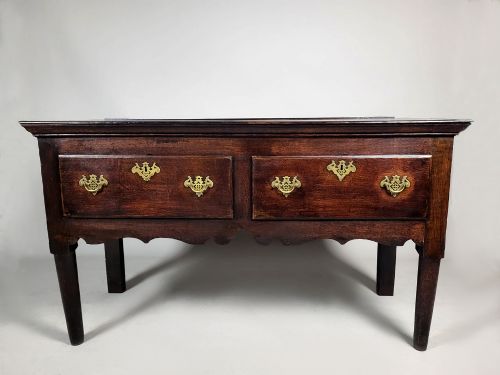
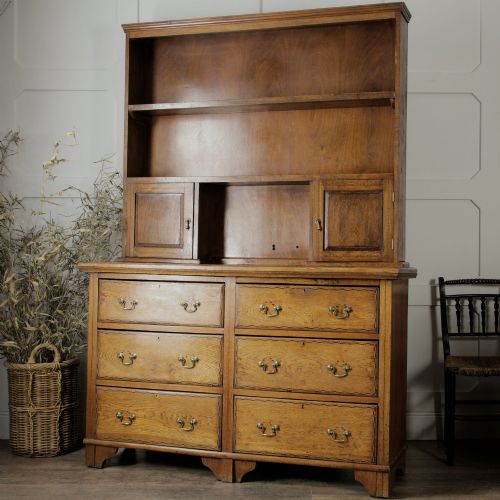
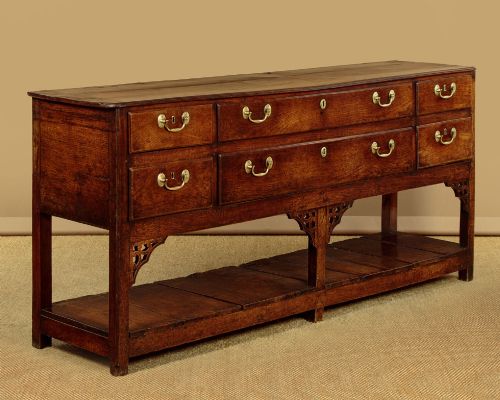
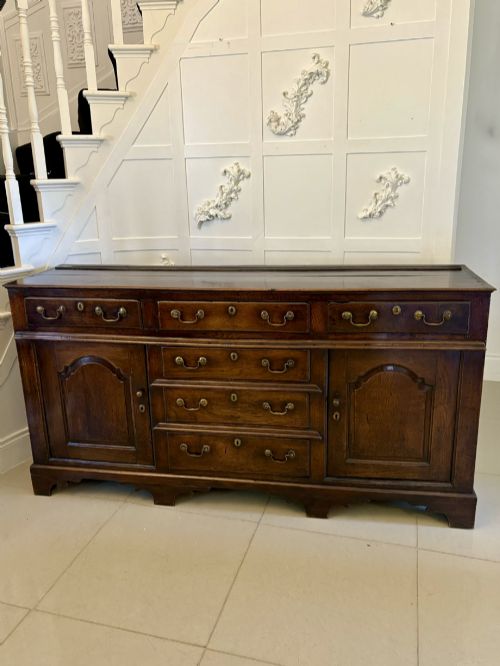
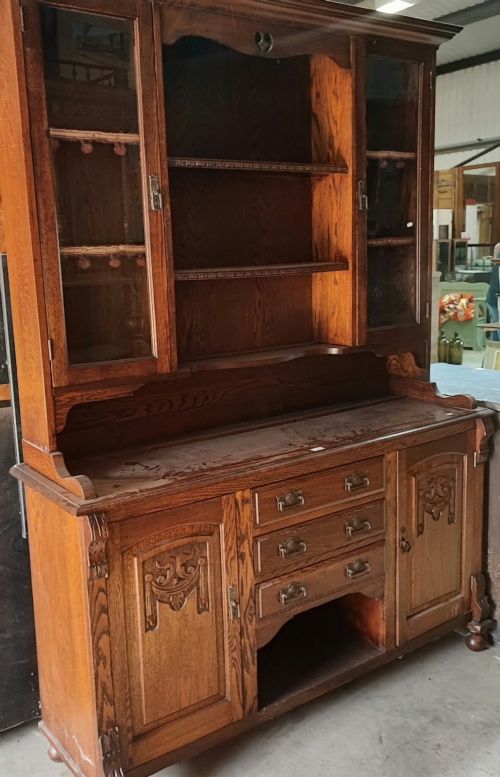
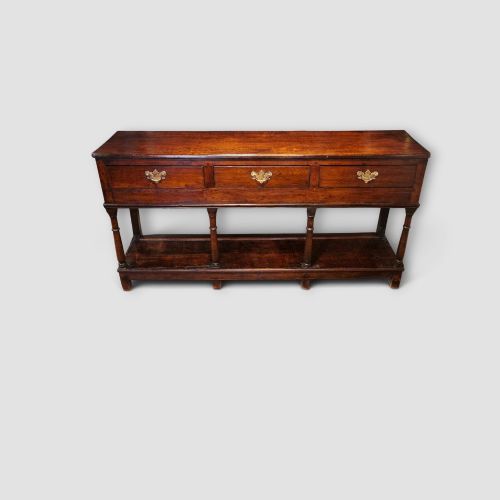
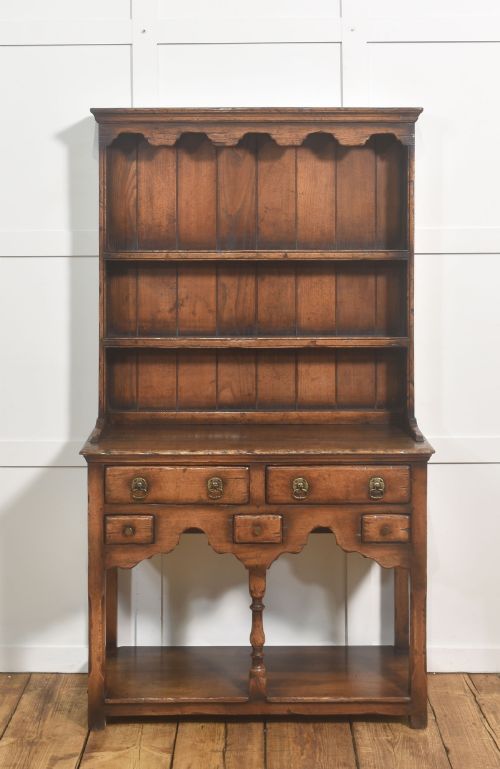
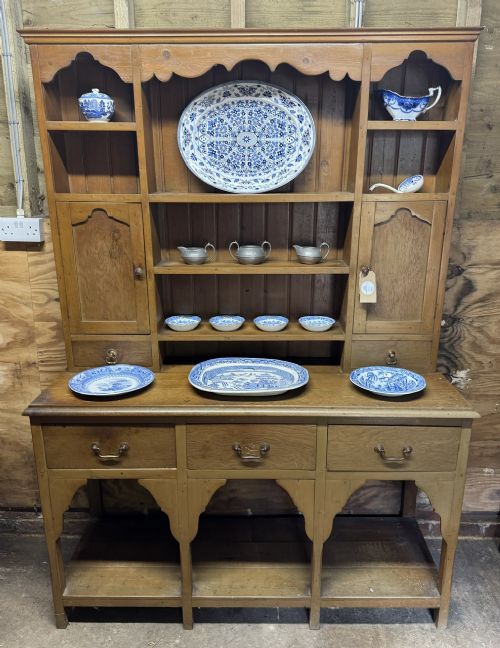
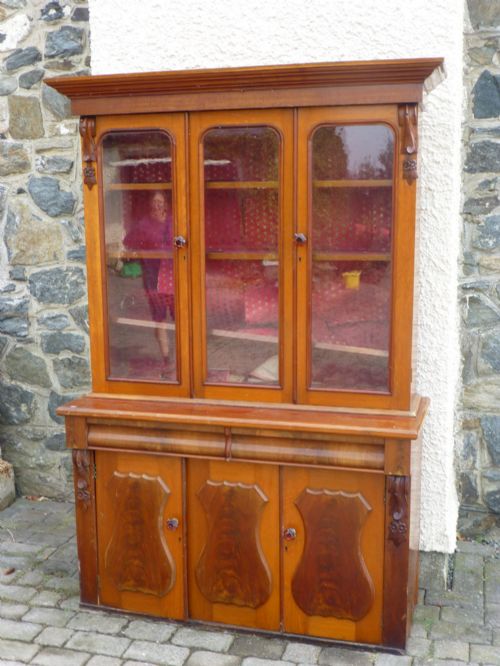
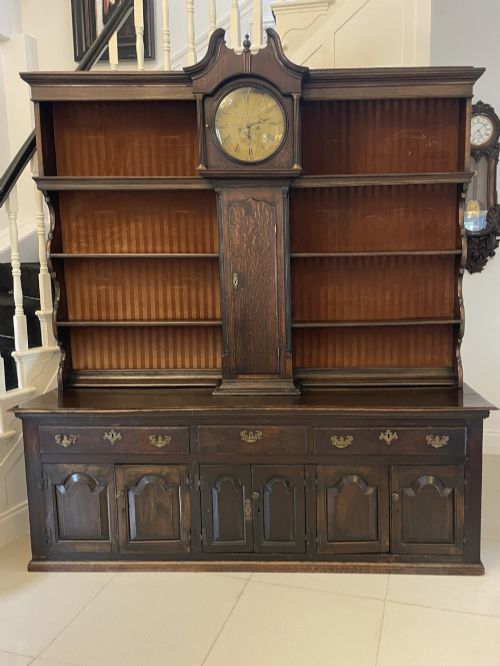
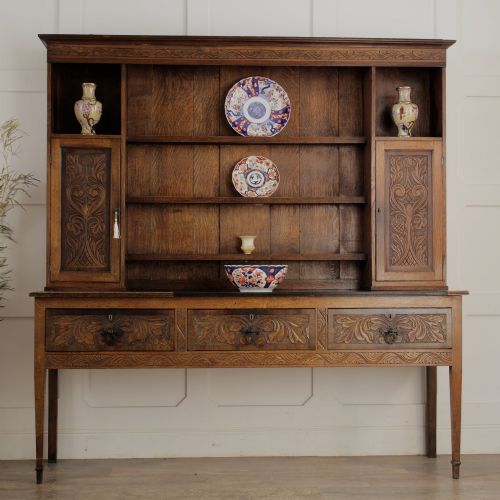
When searching for an antique welsh sideboard, buyers encounter regional forms combining a lower storage base with upper shelving, frequently termed dressers or dresser bases. These items originate predominantly from eighteenth and nineteenth-century country workshops, reflecting domestic life in regions such as Snowdonia, Anglesey, and Carmarthenshire.
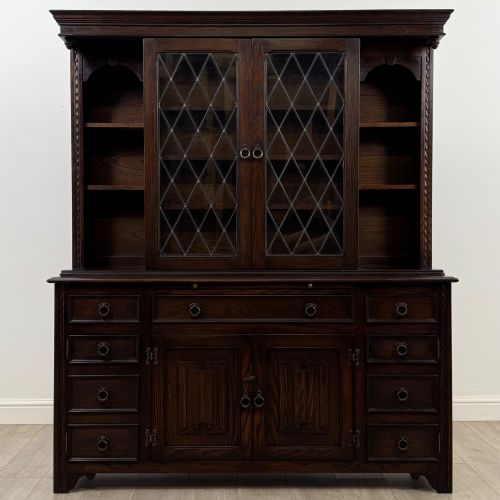
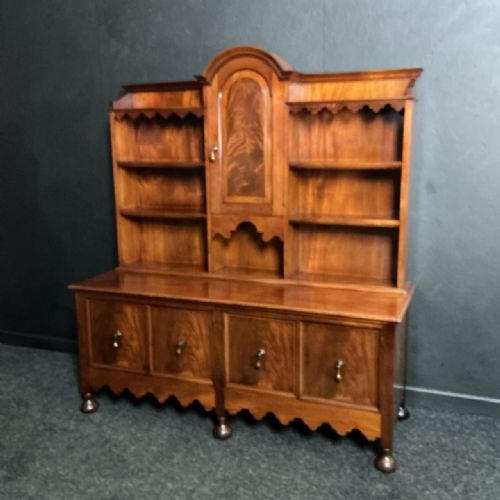
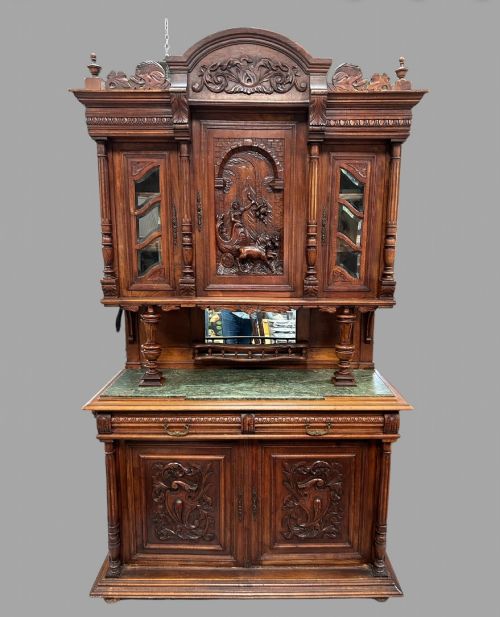
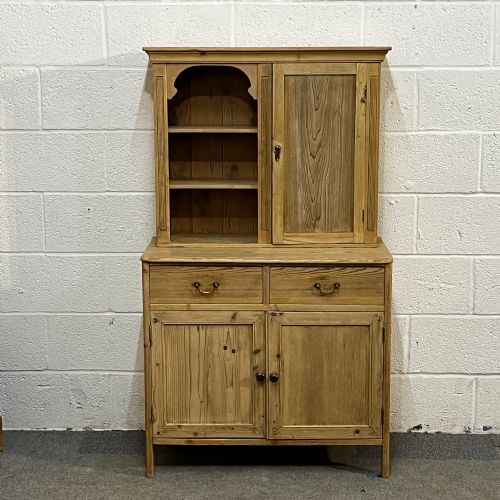
The surviving examples range from open potboard bases designed for displaying crockery to enclosed cupboards featuring drawers and glazed upper cabinets. Oak remains the primary timber encountered, often supplemented by pine or mahogany accents in later Victorian and Edwardian interpretations.
Materials and Construction
Local cabinetmakers constructed these pieces primarily from solid oak, utilising joined panel techniques and hand-cut dovetails for drawer construction. Secondary woods such as pine appear in internal shelving and backboards, while brass handles, escutcheons, and occasional bone or lead inlay provide functional and decorative contrast.
Surfaces finished with wax or polish display the natural grain of the timber alongside accumulated patination from decades of domestic use. Regional variations in construction include potboards raised on sturdy legs and breakfront configurations designed to fit specific farmhouse interiors.
Bread and cheese cupboards included integrated ventilation slats to keep dairy cool before the invention of domestic refrigeration.
Evaluating the Pieces
Quality in these items rests upon the integrity of the timber, the retention of original brass hardware, and the preservation of surface patination. Pieces retaining their original potboards, back racks, and unwarped doors command greater interest among collectors.
The crispness of hand-carved details, the absence of extensive timber replacement, and the harmony of proportion between the base and upper rack distinguish superior provincial work from simpler utility pieces.
The Antique Welsh Sideboard Glossary
- Potboard
- An open lower shelf built into the base of a dresser, historically used for storing pots and pans off the damp stone floor. This feature is characteristic of eighteenth-century country pieces.
- Dresser Base
- The lower section of a kitchen dresser functioning independently as a sideboard or serving table, typically featuring a combination of drawers and cupboards.
- Dog Kennel
- A central recessed space located beneath the drawers of a dresser base, flanked by cupboards or shelving. This unusual configuration appears in specific regional designs.
- Breakfront
- A piece of furniture featuring a central section that projects forward beyond the flanking sides. This layout provides visual depth and varied storage capacity.
- Patina
- The surface sheen and colour developed by timber over centuries through handling, polishing, and natural ageing. Original patination is highly prized by collectors.
Antique Welsh Sideboard: Frequently Asked Questions
How do I date a wooden dresser?
Dating relies on examining construction methods, timber choice, and hardware styles. Eighteenth-century examples typically show hand-sawn boards and pegged joints, whereas Victorian pieces may incorporate machine-cut elements.
Secondary woods and the style of the brass handles or escutcheons also provide reliable clues regarding the decade of manufacture.
Were upper racks original to the bases?
Many surviving pieces retain their matching upper plate racks, though some bases functioned independently as serving tables or sideboards. Racks were often pegged directly into the base for stability.
Checking the grain alignment and wear patterns helps determine whether the top and bottom sections have remained together since initial construction.
How do I care for antique oak?
Maintenance involves applying a natural beeswax polish occasionally to nourish the dry timber and preserve the surface sheen. Avoid placing wooden furniture near direct heat sources or strong sunlight to prevent splitting.
Routine dusting with a soft cloth keeps the finish clean without stripping the historic patination accumulated over generations.