


Antique Welsh Pitchers
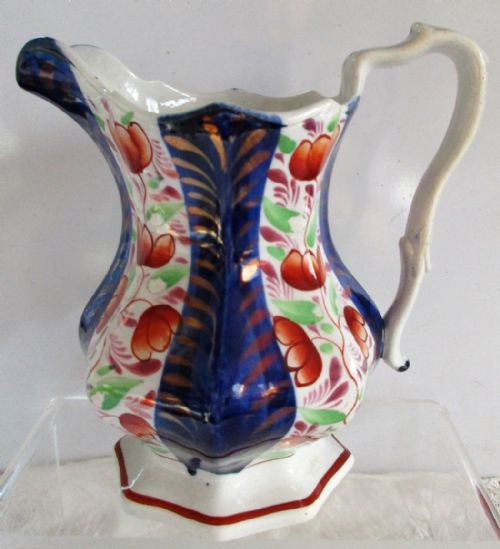
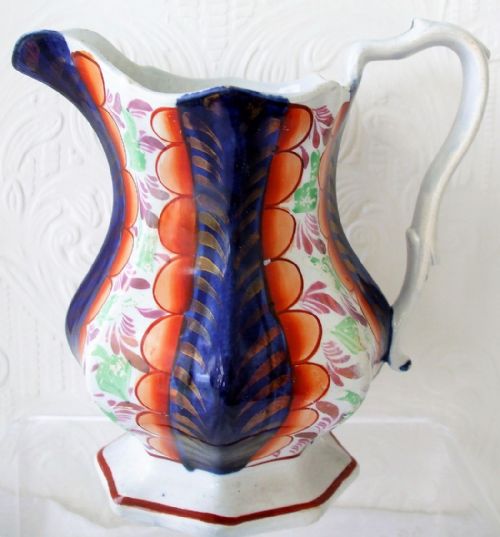
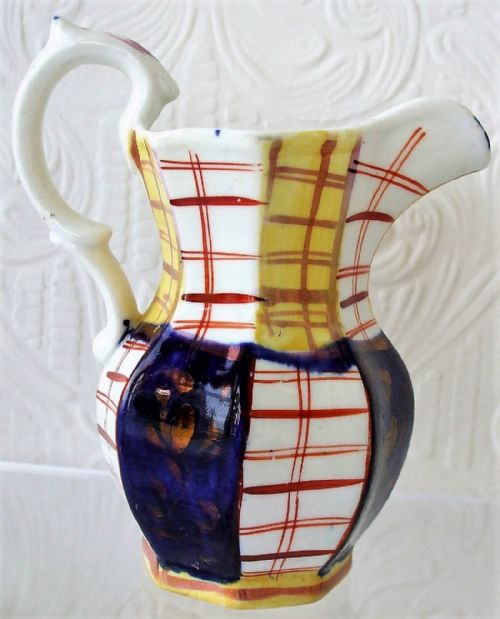
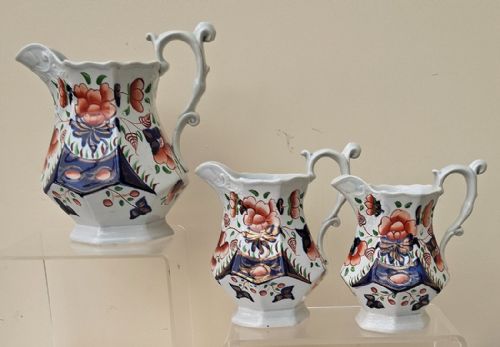
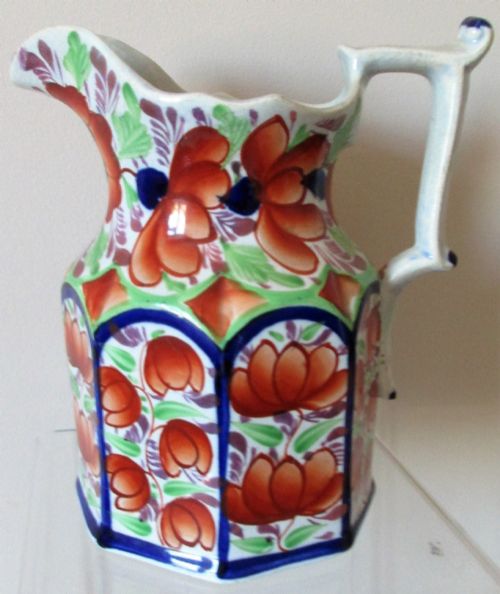
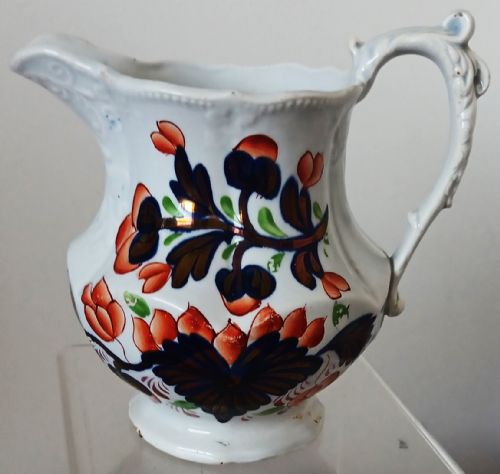
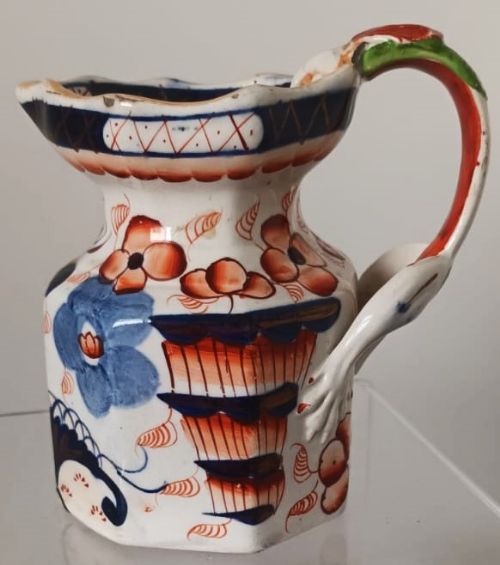
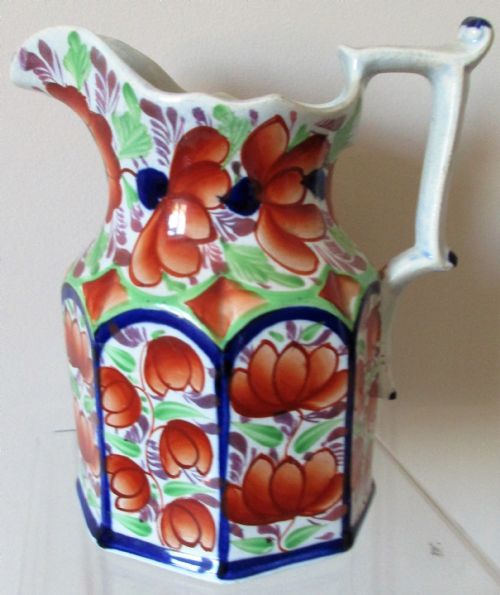
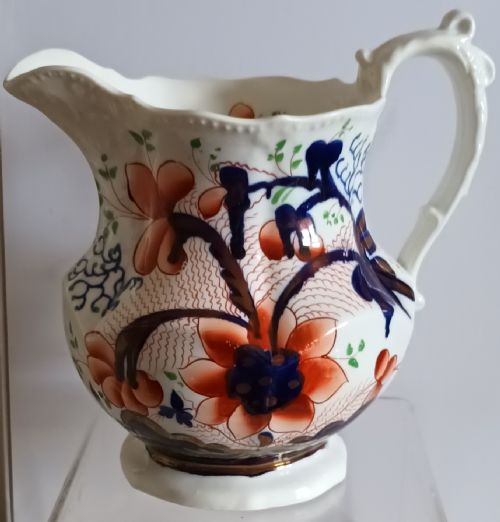
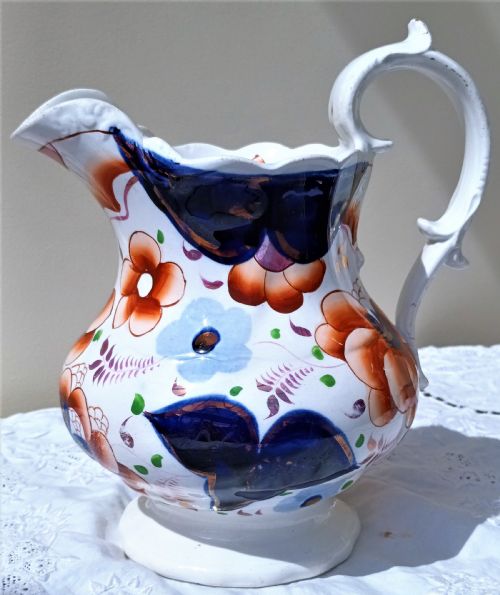
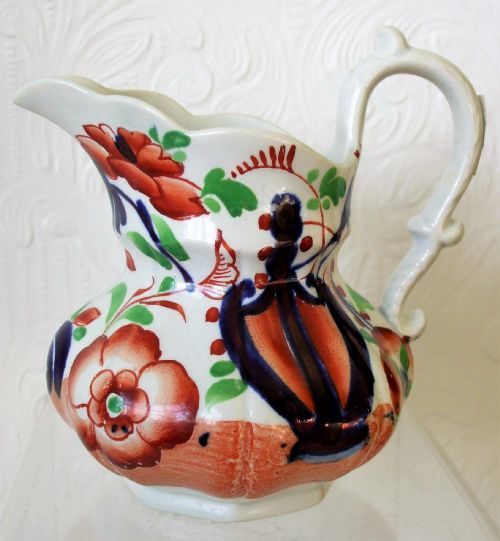
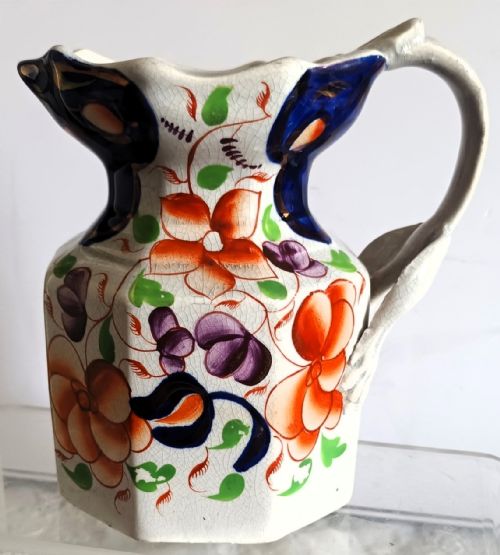
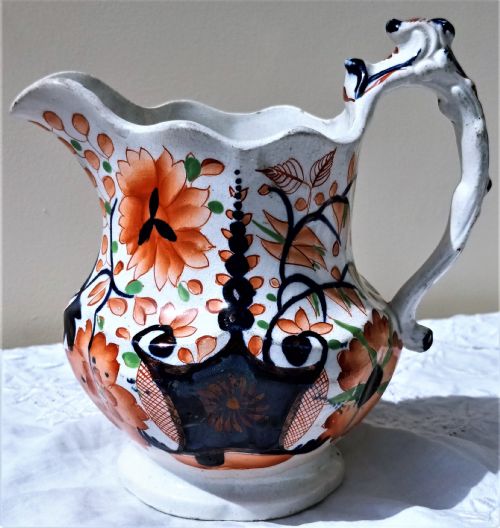
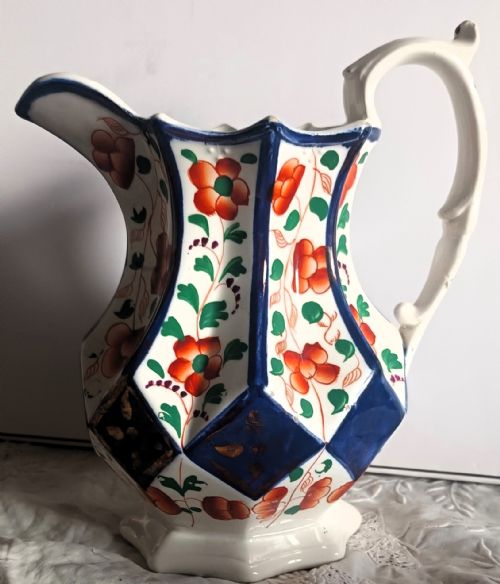
These antique welsh pitchers are robust nineteenth century earthenwares decorated with vibrant patterns and lustre glaze.
Antique Welsh Pitchers
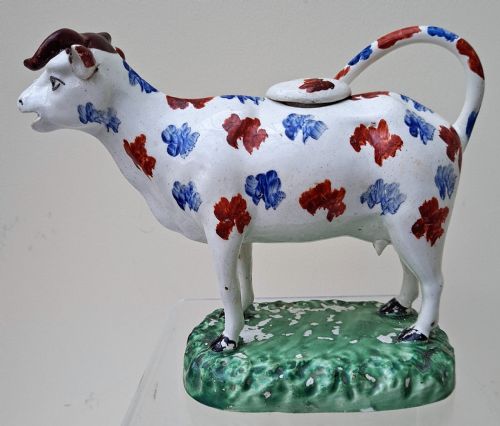
When you search for antique welsh pitchers, you encounter nineteenth century earthenware jugs and creamers decorated in distinct regional patterns. Most examples on this page belong to the Victorian and Georgian eras, taking forms such as standard jugs, pouch jugs, and cow creamers.
The objects span domestic and folk art traditions, featuring named patterns like Cambrian Rose, Gwent, Bethesda, Grape, Drape, Pagoda, Harlech, Gower, Aberaeron, and Conwy. These pieces served practical dairy and table functions before becoming decorative items for modern collectors.
How they were made
Potters shaped these nineteenth century vessels from earthenware and ironstone, building the bodies before applying surface decoration. Makers utilised paint and enamel alongside distinctive copper lustre glaze to create the bright motifs characteristic of Gaudy Welsh ceramics.
The application of glaze and enamel required careful kiln firing to fix the vibrant colours onto the ceramic body. Many items combine hand-painted elements with transfer-printed pattern outlines, blending industrial output with traditional folk art techniques.
Antique Welsh Pitchers Retail Price Guide 2026
Typical asking prices for welsh pitchers among the pieces listed under this phrase on Sellingantiques today, from the lower quarter to the upper quarter. They describe what is for sale here now, not the wider market.
Object forms include standard jugs, pouch jugs, and figurative cow creamers spanning both Georgian and Victorian folk art traditions.
What varies in quality
Quality in these pitchers rests upon the crispness of the pattern transfer and the richness of the copper lustre glaze. Finer examples display cleanly applied enamels and well-balanced forms, whether on a standard jug or a modelled cow creamer.
The clarity of named patterns such as Pagoda or Cambrian Rose distinguishes standard utility vessels from more ambitious decorative pieces. Preservation of the painted and lustred surfaces directly influences the overall character of each nineteenth century item.
The Antique Welsh Pitchers Glossary
- Earthenware
- Porous pottery fired at lower temperatures than stoneware or porcelain. It forms the primary ceramic body for nineteenth century jugs and pitchers.
- Copper Lustre
- A metallic glaze finish producing a reflective copper sheen. Potters applied this technique to highlight rims, handles, and pattern details on Gaudy Welsh wares.
- Ironstone
- A dense, durable type of semi-vitreous pottery developed in the nineteenth century. It provided a sturdy foundation for heavily decorated utility wares.
- Cow Creamer
- A ceramic vessel modelled in the shape of a cow with an opening on the back for cream. These whimsical items represent a distinct form within Georgian and Victorian folk art.
Antique Welsh Pitchers: Frequently Asked Questions
What are Gaudy Welsh pitchers?
Gaudy Welsh pitchers are nineteenth century earthenware jugs decorated with vibrant enamels and copper lustre. They were produced in styles that reflect both Victorian and Georgian folk art traditions.
These pieces typically feature named patterns such as Gwent, Pagoda, and Cambrian Rose. They survive as colourful examples of regional British ceramic production.
How were cow creamers used?
Cow creamers served as functional milk or cream jugs on the dining table during the Georgian and Victorian periods. Liquid was poured through an opening on the cow's back while holding the tail as a handle.
Over time, these ceramic animals transitioned from practical dairy items into decorative display pieces. Collectors value them for their charming folk art modeling.
What periods do these pieces date from?
The pitchers and creamers listed here date from the nineteenth century, spanning both the Georgian and Victorian eras. This period encompasses traditional earthenware manufacturing methods.
Stylistic indicators like named patterns and copper lustre finishes help place these items within the nineteenth century timeline. They represent a distinct era of British ceramic history.
How do I care for antique earthenware?
Antique earthenware requires gentle handling due to the porous nature of the ceramic body and the delicate enamel surfaces. Wash pieces by hand in warm water without harsh detergents.
Avoid submerging cracked items or exposing them to sudden temperature changes. Proper placement away from direct sunlight protects the painted details and lustre glaze.