


Antique Wedgwood Ceramic Dish
An antique wedgwood ceramic dish brings centuries of refined English kilncraft straight to the table in forms ranging from armorial soup bowls to Fairyland Lustre.
Antique Wedgwood Ceramic Dish
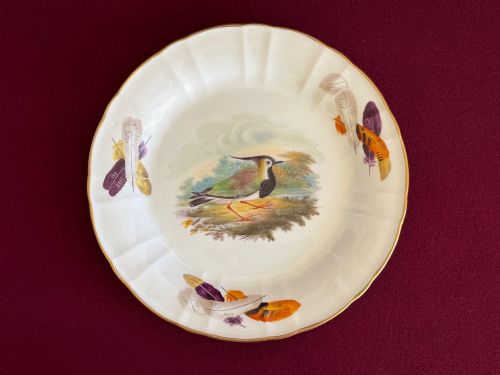
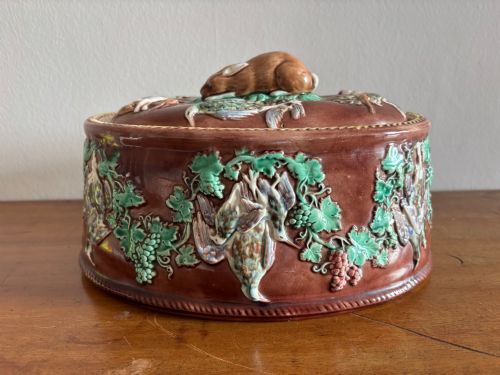
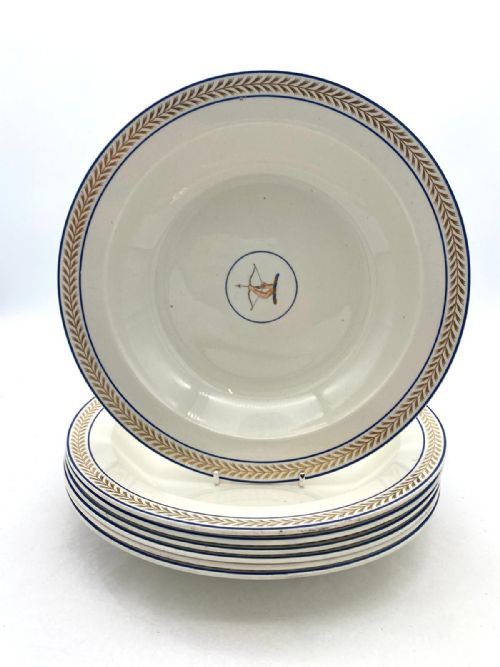
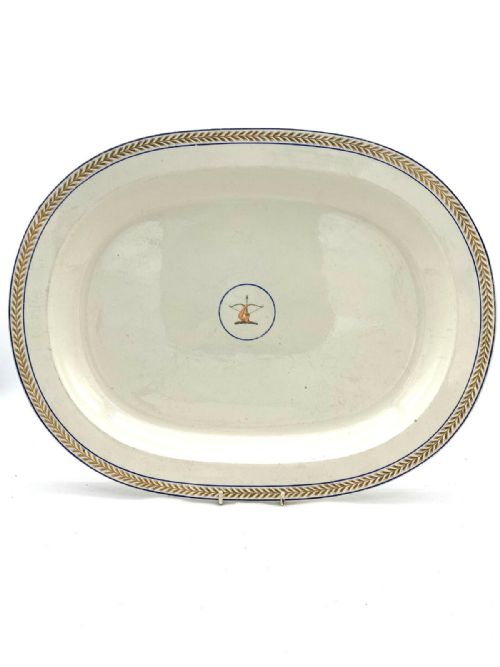
Every antique wedgwood ceramic dish found here spans centuries of British ceramic production, covering utilitarian vessels and decorative showpieces alike. Buyers encounter utilitarian tablewares such as creamware soup bowls and platters alongside grand Victorian game pie dishes and cheese domes.
The selection reaches from eighteenth-century creamware and pearlware services to colourful Edwardian lustre bowls designed by Daisy Makeig-Jones. Forms vary widely from simple circular patch boxes to elaborate octagonal bowls and majolica tureens.
Pieces surface from diverse historical periods including the Georgian, Regency, Victorian, and Edwardian eras. This broad chronological spread allows collectors to select everything from utilitarian eighteenth-century armorial services to vivid twentieth-century fantasy motifs.
Materials and Techniques
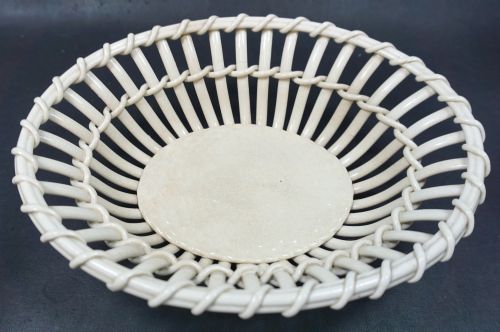
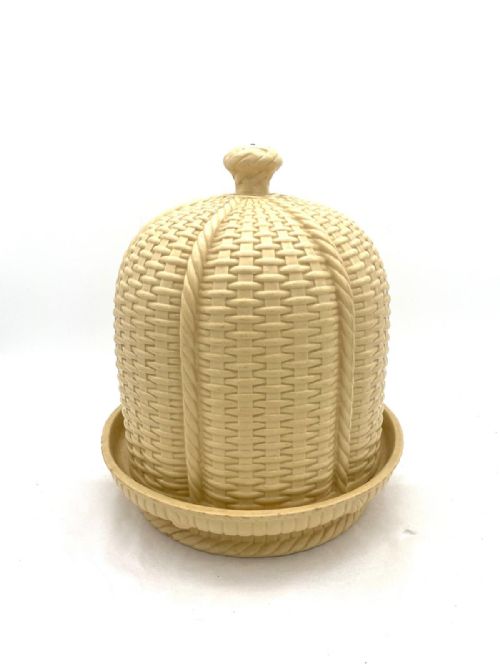
Makers utilised various ceramic bodies including refined earthenware, creamware, bone china, porcelain, stoneware, and drabware. Potters shaped these bodies into baskets, plates, and bowls before applying specialised glazes and painted enamel decorations.
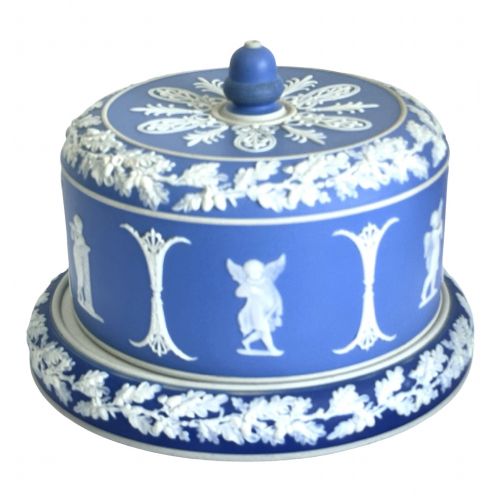
Surface ornamentation often involved intricate hand painting, transfer printing, gold leaf application, and distinctive lustre glazes. Relief decoration appears frequently on jasperware and caneware pieces, requiring precise moulding techniques developed during the eighteenth and nineteenth centuries.
Antique Wedgwood Ceramic Dish Retail Price Guide 2026
Typical asking prices for wedgwood ceramic dish among the pieces listed under this phrase on Sellingantiques today, from the lower quarter to the upper quarter. They describe what is for sale here now, not the wider market.
Current selections span earthenware, porcelain, and stoneware across Victorian, Edwardian, and eighteenth-century periods.
Craftsmanship and Execution
Quality rests in the crispness of moulded relief work, the evenness of the glaze, and the precision of hand-painted enamel details. Superior examples exhibit finely detailed transfer printing and rich, saturated lustre colours that remain uniform across complex curved surfaces.
The execution of specialised finishes, such as hand-applied gold leaf and intricate fantasy scenes on lustre wares, distinguishes standard utilitarian production from exceptional studio output. Well-preserved surfaces with minimal glaze crazing and strong pigment retention command greater attention from serious collectors.
Daisy Makeig-Jones·James Hodgkiss
The Antique Wedgwood Ceramic Dish Glossary
- Creamware
- A fine earthenware developed in the eighteenth century with a pale yellowish straw-coloured lead glaze. It became a staple of English dining tables for its durability and clean appearance.
- Jasperware
- A type of fine stoneware developed by Josiah Wedgwood featuring a matte unglazed surface, most commonly seen in white relief applied against a coloured blue or green background.
- Lustre glaze
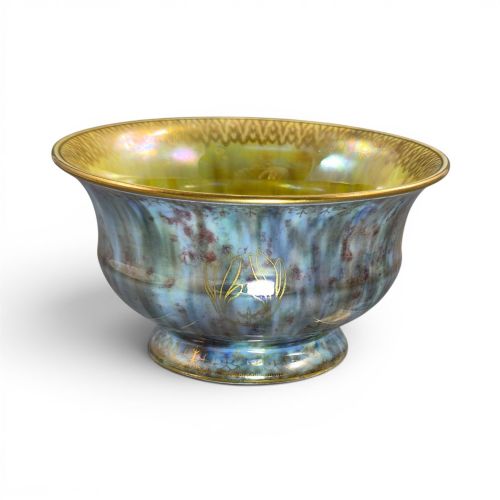
- A metallic glaze technique that produces an iridescent, pearlescent, or metallic sheen on the ceramic surface. It gained widespread popularity during the early twentieth century through elaborate fantasy designs.
- Drabware
- A heavy earthenware body characterised by its muted brownish-grey or olive drab colouration. It was frequently utilised for utilitarian nineteenth-century kitchen and dining vessels such as cheese domes.
- Armorial
- Ceramic ware decorated with painted or printed family crests, coats of arms, or heraldic badges. These services were typically commissioned by wealthy households for formal dining.
Antique Wedgwood Ceramic Dish: Frequently Asked Questions
How do I date a piece?
Dating relies on identifying specific ceramic bodies, decorative styles, and impressed factory marks found on the underside of the vessel. Comparing the glaze characteristics and pattern numbers against historical production records helps narrow down the manufacturing decade.
Changes in stylistic movements, from Georgian neoclassicism to Edwardian fantasy lustre, provide reliable chronological markers for each piece.
Were these dishes used daily?
Many items, such as creamware soup bowls and dessert services, were manufactured specifically for regular dining and formal entertaining. Durable earthenwares and stonewares handled frequent use at the nineteenth-century dining table.
More delicate decorative items like lustre bowls and trinket boxes served primarily as ornamental display pieces in the drawing room.
How should I clean my dish?
Gentle maintenance involves using warm water and mild soap with a soft sponge to protect fragile enamels and gold leaf highlights. Harsh abrasive cleaners and modern dishwashers must be avoided to prevent surface wear.
Hand drying with a soft cloth preserves the integrity of antique glazes and prevents moisture accumulation in unglazed areas.
What is Fairyland Lustre?
Fairyland Lustre is an elaborate line of decorative ceramics introduced during the early twentieth century featuring fantastical scenes of goblins, elves, and mythical creatures. These pieces are celebrated for their rich, multi-layered iridescent glaze effects.
Designed by Daisy Makeig-Jones, this range represents some of the most intricate and imaginative surface decoration produced during the Edwardian period.