




Art Deco Wedgwood Porcelain
Art deco wedgwood porcelain brings extraordinary lustre glazes and mythical designs to any room.
Art Deco Wedgwood Porcelain
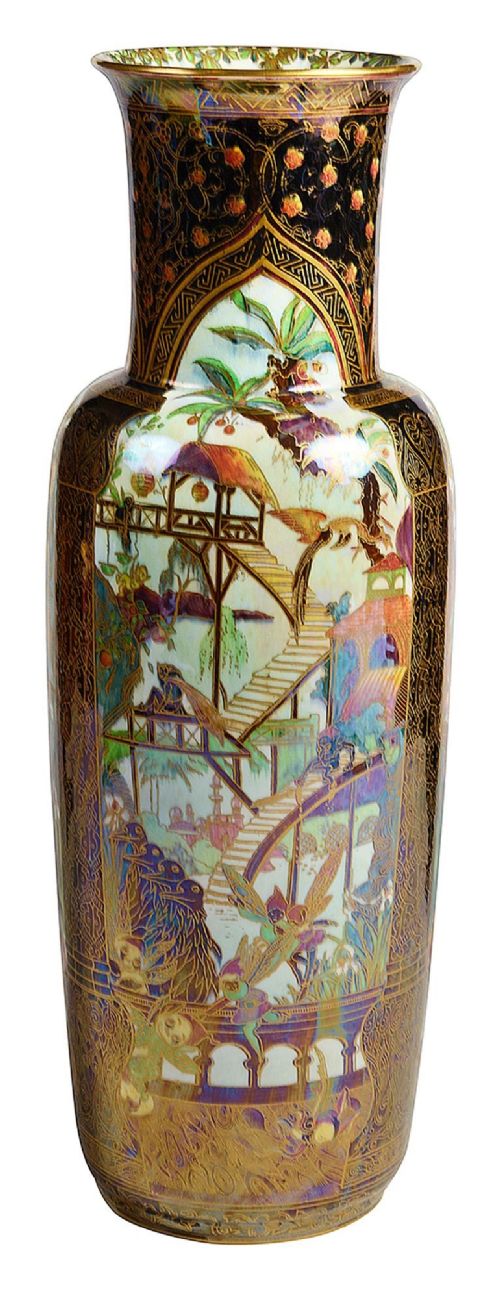
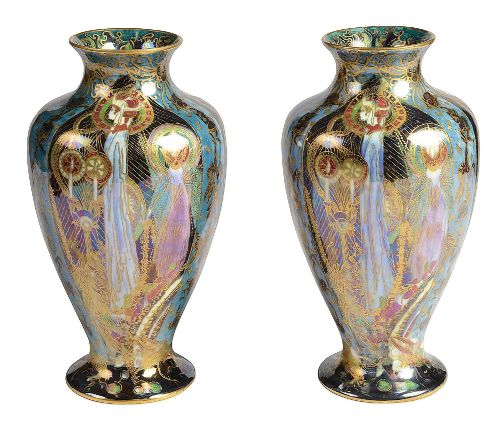
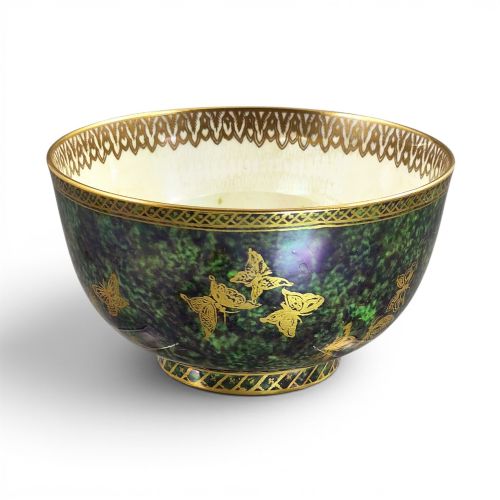
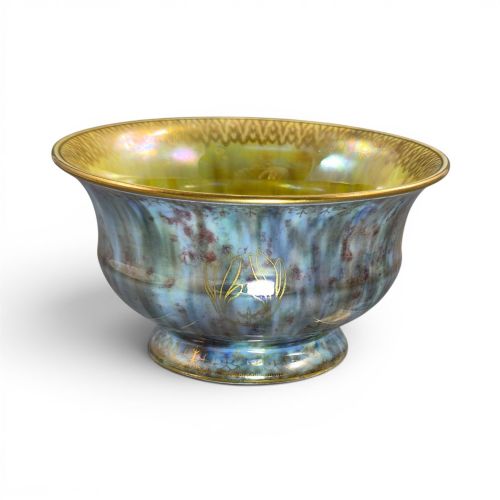
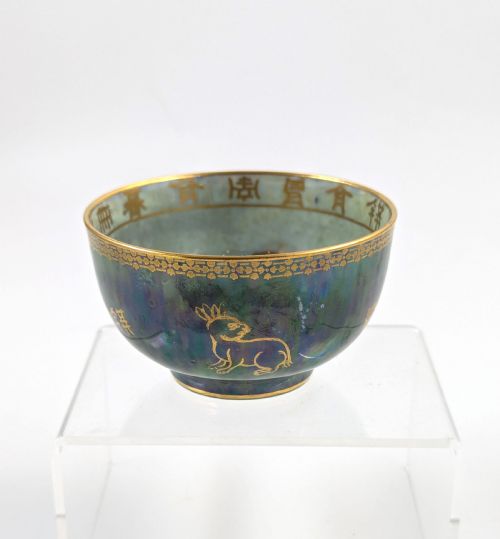
Art deco wedgwood porcelain centres on vibrant decorative bowls and baluster vases created during the early twentieth century. These pieces combine traditional ceramic forms with imaginative motifs inspired by fairy tales and Eastern mythology.
The most common examples on this page are lustre bowls and vases produced during the nineteen tens and nineteen twenties. Collectors encounter distinctive octagonal bowls, miniature sets, and three-handled mugs carrying rich decorative schemes.
Originating from the Edwardian period through to the nineteen twenties, these works showcase the remarkable imagination of their principal designer. Buyers select these items to introduce rich colour and intricate storytelling into a room.
How they were made
Makers utilised fine porcelain and bone china as the foundation for these vibrant decorative items. Artisans applied complex glaze techniques alongside enamel and gold leaf to build up layered, shimmering surfaces.
The distinctive iridescent finish relies on specialised lustre glazes fired multiple times to achieve depth and luminosity. Skilled hands then added detailed gilding and hand-painted enamel motifs over the glazed body.
Materials recorded across the inventory include porcelain, bone china, gold leaf, lustre glaze, enamel, and gold gilding.
What varies in quality
Quality depends upon the complexity and clarity of the transfer-printed and hand-painted narrative scenes across the ceramic surface. Richer designs incorporate extensive gold gilding and multiple iridescent glaze tones that catch the light from different angles.
The crispness of the moulding on octagonal bowls and baluster shapes also separates standard production from exceptional examples. Pieces that retain vibrant enamel colours without fading show superior preservation through the decades.
Daisy Makeig Jones·Wedgwood
The Art Deco Wedgwood Porcelain Glossary
- Lustre Glaze
- A ceramic finish containing metallic oxides that produces an iridescent, pearl-like sheen upon firing. This technique creates the signature glowing surface seen on fairy lustre wares.
- Baluster
- A vase or vessel form with a rounded body that tapers toward the neck and stands on a narrower base. This traditional shape provides a broad canvas for wrap-around decorative scenes.
- Bone China
- A type of porcelain incorporating animal bone ash for added strength and a bright white body. It allows for thinner vessel walls while maintaining durability.
- Enamel
- Opaque vitreous paint applied over the glaze and fired at a lower temperature to add vibrant colours. This permits precise detailing of figures and mythological creatures.
Art Deco Wedgwood Porcelain: Frequently Asked Questions
What are fairyland lustre pieces?
Fairyland lustre pieces are ceramic items decorated with fantastical subjects like elves, goblins, and mythical birds. They utilise iridescent glazes to create magical, glowing landscapes across bowls and vases.
These elaborate designs represent the pinnacle of twentieth-century ceramic decoration from the pottery. Collectors prize them for their intricate storytelling and rich colour palettes.
How do I care for lustre porcelain?
Dust these decorative items gently with a soft, dry cloth to protect the delicate enamel and gold leaf details. Avoid using water, cleaning products, or abrasive materials on the glazed surface.
Display the bowls and vases away from direct sunlight to prevent the vibrant enamel colours from fading over time. Handle them carefully by the body rather than delicate rims or handles.
How are these pieces dated?
Dating relies on recorded production periods, specific pattern codes, and known periods of design activity at the pottery. Lustre wares bearing fantastical subjects typically date from the nineteen tens through the nineteen twenties.
Stylistic shifts in the motifs and changes to backstamps help separate Edwardian examples from later twentieth-century production. Comparing pattern numbers provides further chronological clarity.
Where were these ceramics made?
These decorative vessels were produced by the historic Wedgwood pottery based in Staffordshire, England. The factory employed skilled artisans and specialised designers to execute the complex glazing processes.
Production took place during an era of significant artistic innovation in British ceramics. The pottery maintained strict standards for porcelain and bone china fabrication.