


Antique Weapon Walking Stick
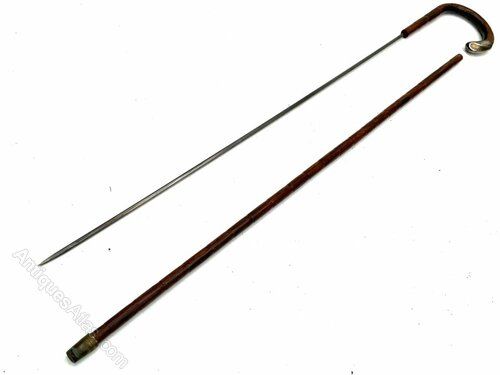
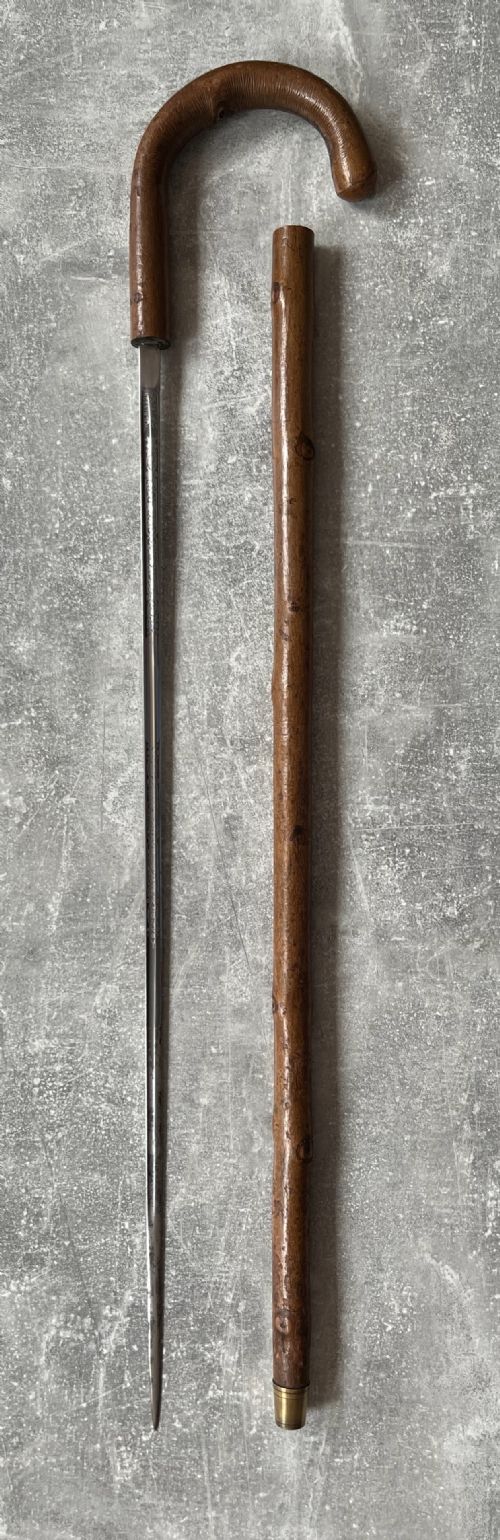
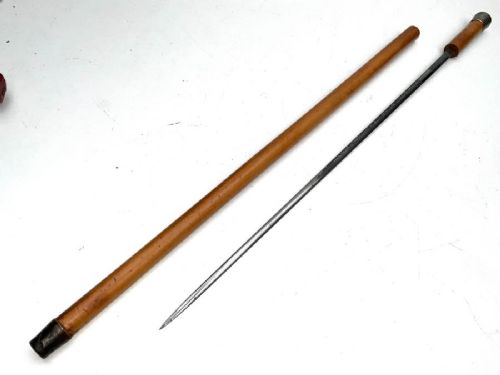
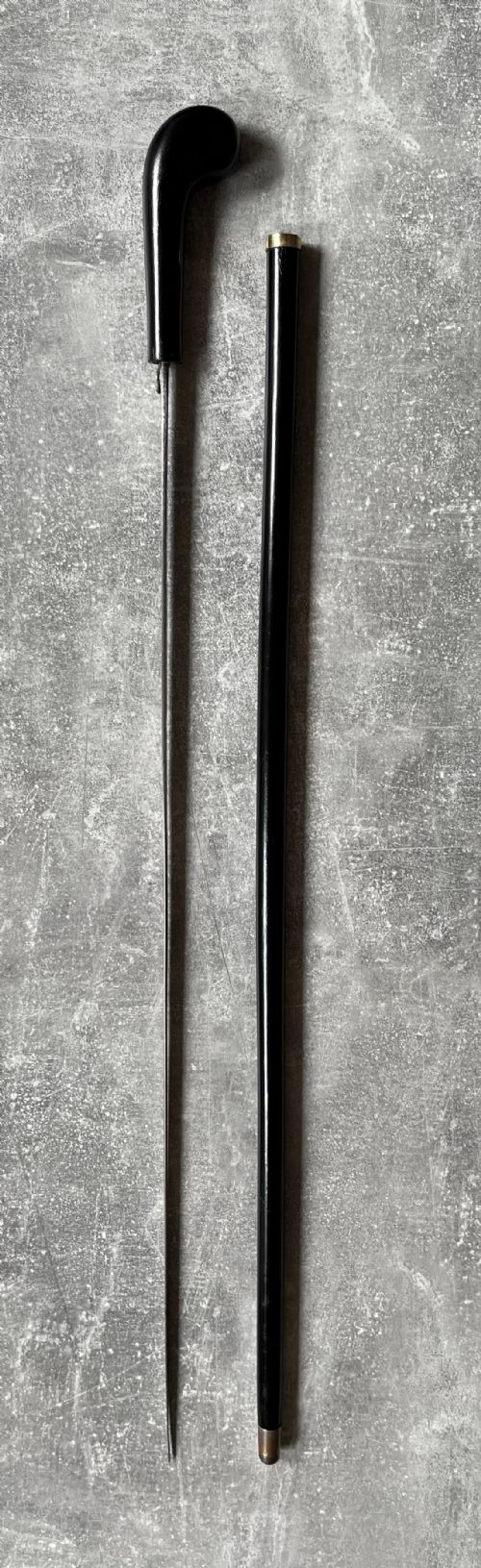
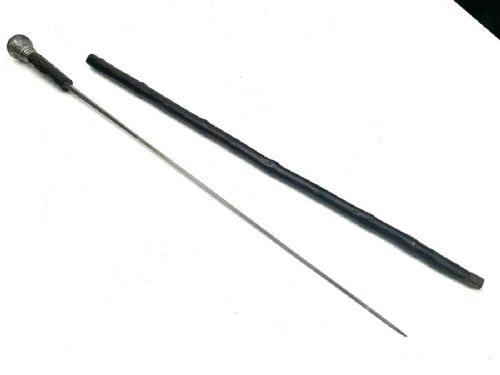
An antique weapon walking stick combines everyday support with a concealed blade or club for discreet personal defence.
Antique Weapon Walking Stick
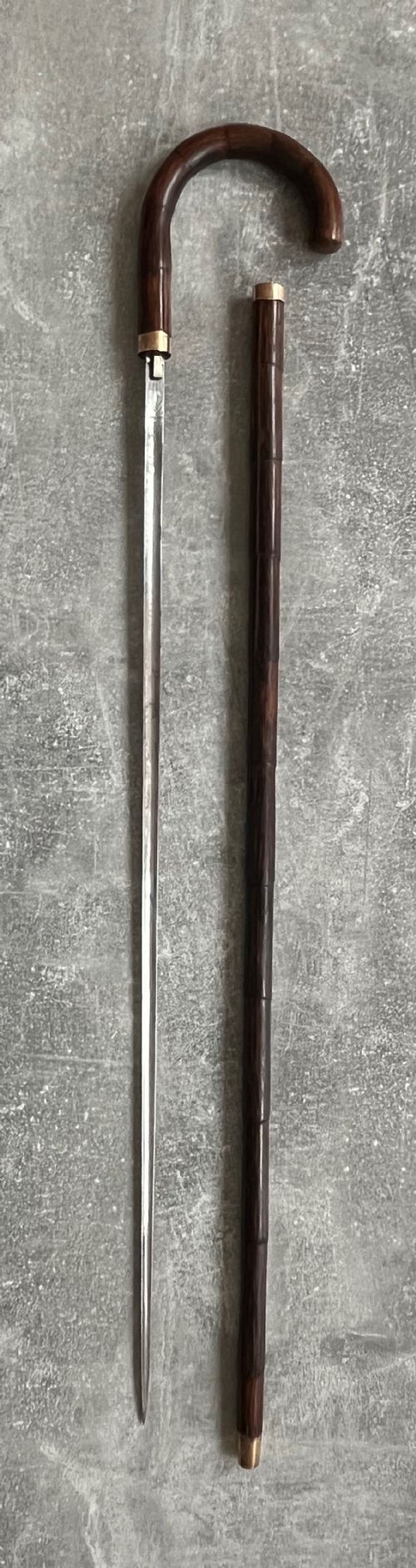
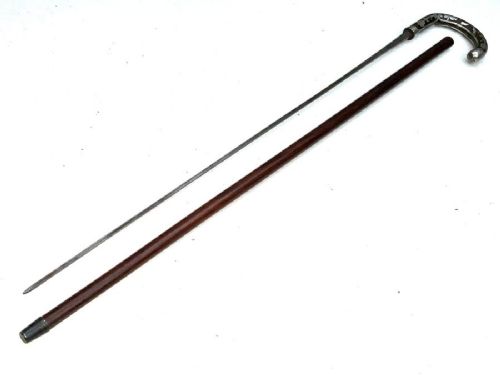
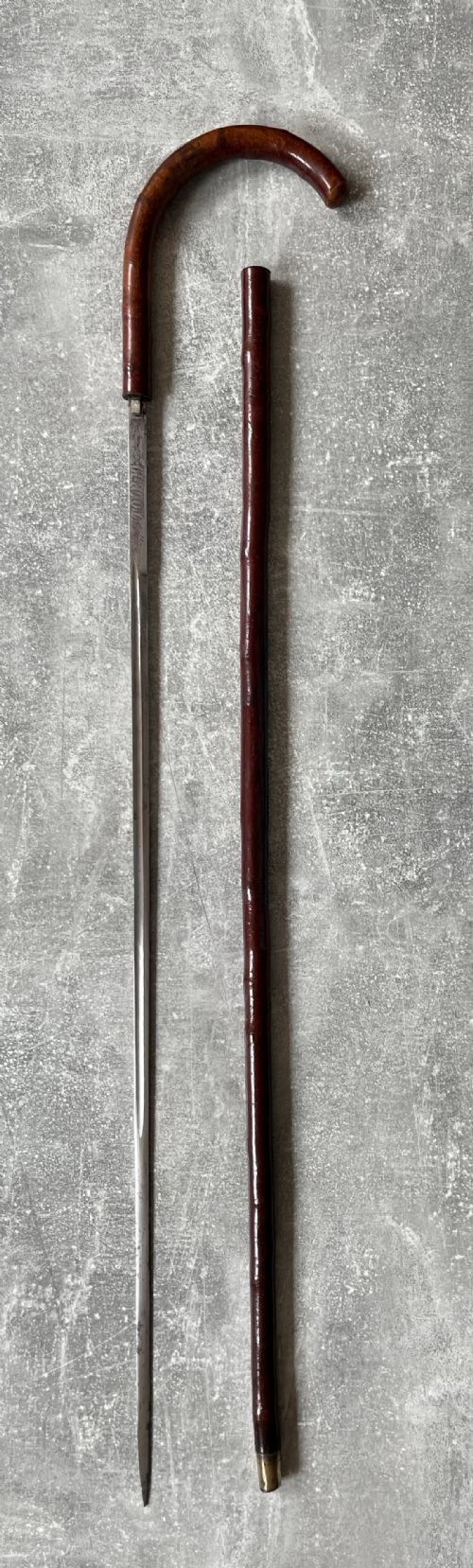
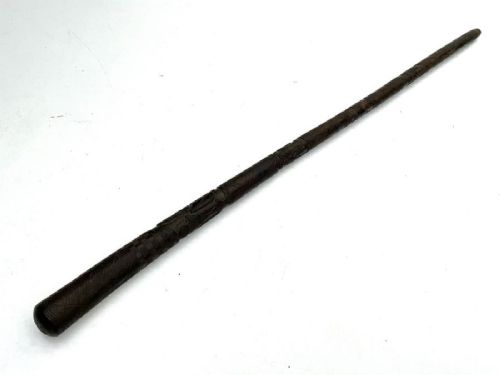
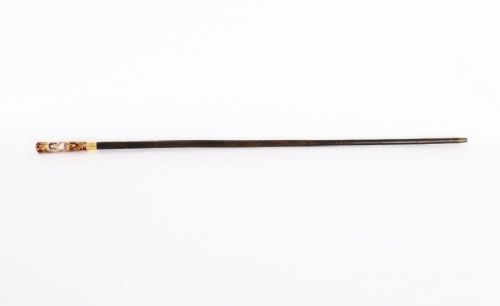
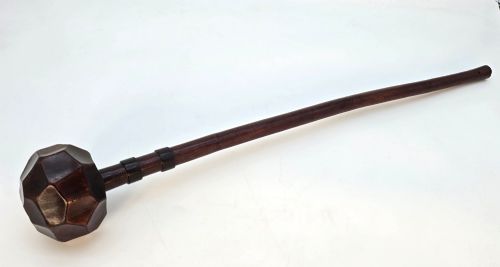
When you examine an antique weapon walking stick, you are looking at dual-purpose implements designed for gentlemen and travellers during the nineteenth and early twentieth centuries. These pieces appear in forms ranging from traditional crook-handled canes to stout ethnographic clubs, spanning periods from the Victorian era through the Edwardian years.
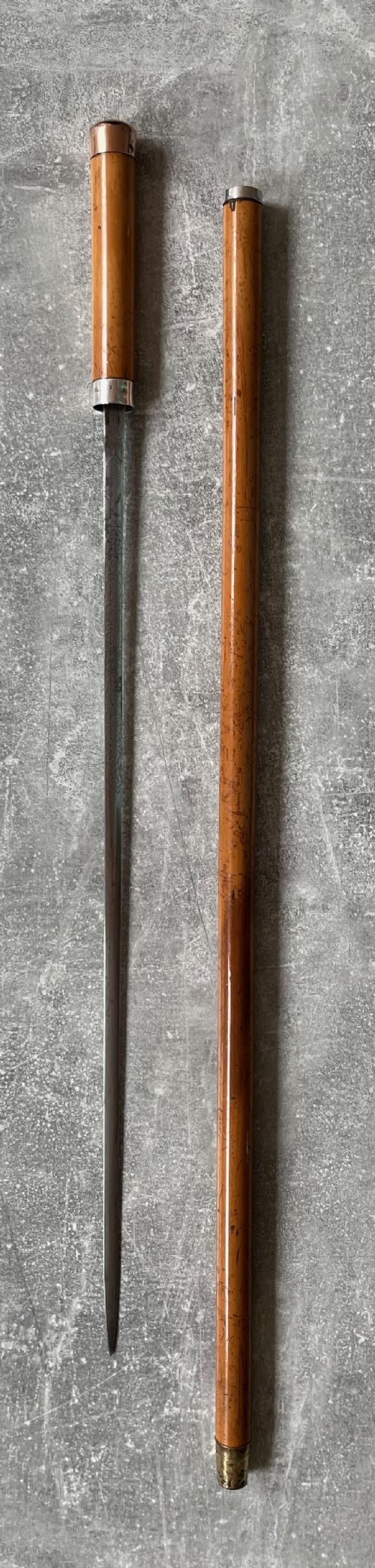
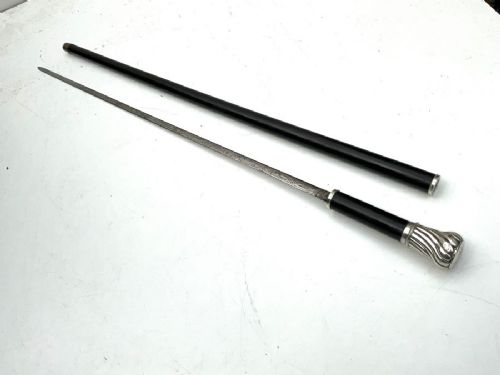
The most common variant you will encounter on this page is the sword stick, housing a concealed steel blade within shafts of malacca, ebonised wood, bamboo or fruitwoods. Alongside these hide objects like the Zulu knobkerrie, merging domestic respectability or traditional utility with hidden readiness.
How they were made
The construction of these pieces relies on durable natural woods paired with forged metals. Shafts utilise malacca, partridge wood, cherrywood, hazel, holly, chestnut, rosewood and ebonised wood, often fitted with horn, antler or porcelain handles.
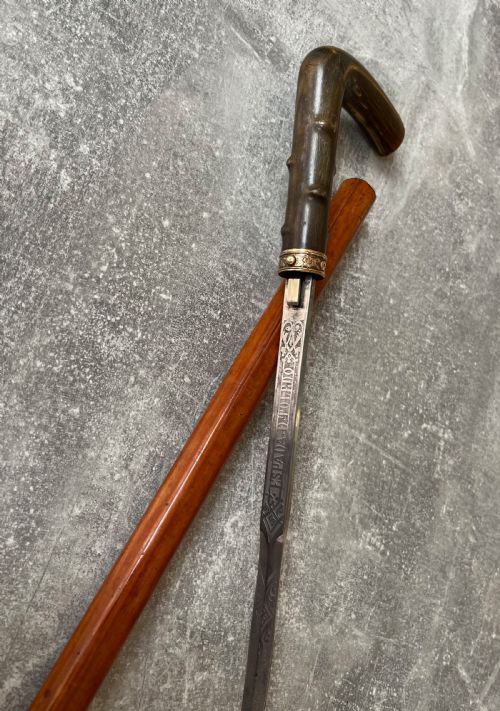
Blades are forged from steel, frequently bearing signatures from makers like Wilkinson or originating from Toledo, and secured within the wooden hafts using button releases or screw threads. Exterior mounts of silver, brass and gold-coloured metal finish the collars and handles.
Listings feature woods like malacca and ebonised wood alongside steel blades from the Victorian era up to the 1930s.
What varies in quality
The distinction between ordinary items and superior examples rests upon the pedigree of the blade and the finesse of the mounts. Signed steel blades from established makers elevate a piece far above generic unmarked iron.
Craftsmanship in the shaft and handle assembly also defines excellence. Solid silver collars, intricate carving, precise button release mechanisms and exotic materials like snakeskin covering or porcelain segments separate standard utility canes from exceptional gentleman's pieces.
BRIGG·Wilkinson·KASHI JAPANESE MASTERS·SEVRES
The Antique Weapon Walking Stick Glossary
- Sword stick
- A walking stick containing a concealed blade housed inside the main shaft. It fastens securely with a button release or screw mechanism.
- Malacca
- A slender, mottled stem from the rattan palm imported from Southeast Asia. It is prized for its flexibility and strength in cane-making.
- Toledo blade
- A steel blade forged in the Spanish city renowned for weapon-smithing tradition. These blades often feature etched decorations.
- Collar
- A decorative metal band encircling the top of the shaft just beneath the handle. It frequently carries hallmarks or initials.
Antique Weapon Walking Stick: Frequently Asked Questions
What is an antique weapon walking stick?
These items are functional walking canes fitted with concealed offensive elements such as hidden steel blades or heavy striking clubs.
They were carried by civilians in the nineteenth and early twentieth centuries for personal protection during travel.
How do you release the hidden blade?
Most concealed sword sticks operate via a simple button release mechanism set into the collar or just beneath the handle.
Pressing this catch disengages the internal locking pin, allowing the user to pull the shaft apart and draw the steel blade.
What materials were used for the shafts?
Shafts are constructed from a variety of dense hardwoods and natural canes including malacca, ebonised wood, bamboo, hazel, chestnut and partridge wood.
Some examples feature exterior coverings of leather or snakeskin paired with silver or brass mounts.
How can I tell the age of a cane?
Dating relies on stylistic clues, materials, and occasionally hallmarks stamped onto silver collars or metal mounts.
Victorian and Edwardian pieces often reflect the specific woodworking fashions and blade markings characteristic of their decade of manufacture.