


Faux Bamboo Cane
These faux bamboo cane pieces bring bamboo's exotic silhouette into solid wood and metal, offering durable charm for practical homes.
Faux Bamboo Cane
When you search for faux bamboo cane, you encounter items shaped to mimic natural oriental stems yet constructed in sturdier mediums. The pieces on this page span the Regency and Victorian eras, taking the form of seating and hallway storage.
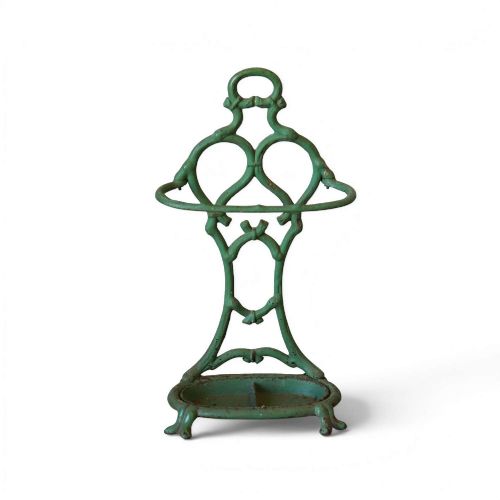
Seating dominates the selection, featuring painted armchairs, side chairs, dining chairs, and child high chairs alongside caned berger armchairs and stools. Hallway accessories are equally present through umbrella and stick stands executed in metal or wood.
Origins stretch from Regency workshops through the Victorian Aesthetic Movement and into French Art Nouveau designs. Buyers meet painted wood finishes, ebonised surfaces, and cast iron structures that replicate botanical joints.
How they were made
Craftsmen shaped wood and cast iron to imitate segmented botanical stems, applying paint, gold leaf, or ebonisation to finish the surface. Caned seats utilised woven plant material set within rigid wooden frames.
Makers combined turned timber with carved knot details to create convincing faux bamboo frames on armchairs and umbrella stands. Metalwork versions utilised cast iron and steel moulded directly from natural forms.
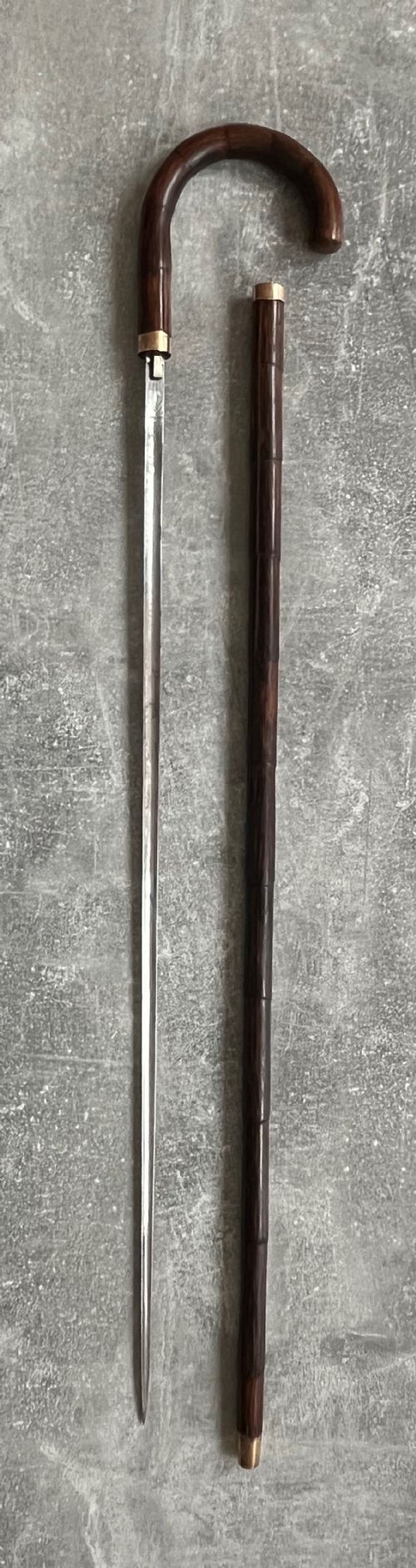
Some walking sticks hid concealed steel blades inside their painted wooden stems for unexpected urban protection.
What varies in quality
The sophistication of the turning and the crispness of the painted decoration separate standard examples from finer works. Original paint or gold leaf decoration holds greater aesthetic merit than later overpainting.
Structural integrity in the cane weaving and the joinery of the simulated joints dictate the long-term durability of each chair or stand.
The Faux Bamboo Cane Glossary
- Faux bamboo
- A decorative style where wood or metal is carved and painted to resemble natural bamboo stalks. This technique gained immense popularity during the Regency and Victorian periods.
- Cane
- Woven plant material used to create resilient, flexible seats and panels on chairs and stools. It provides a lightweight yet durable surface.
- Ebonised wood
- Timber treated with a chemical stain or dark finish to imitate expensive ebony wood. It was frequently utilised in Victorian design for dramatic contrast.
- Berger
- An upholstered armchair with enclosed sides, often featuring exposed wooden framing and caned panels. These pieces offer comfortable lounging.
- Chinoiserie
- European artistic interpretation of Chinese and East Asian decorative motifs. It heavily influenced the painted finishes found on early seating.
Faux Bamboo Cane: Frequently Asked Questions
How do I clean faux bamboo furniture?
Dust surfaces regularly with a soft, dry cloth to protect the painted or ebonised finish from abrasive particles. Avoid harsh chemical cleaners that might strip historic paint.
Keep cane seating hydrated with a damp sponge occasionally to prevent the natural fibres from becoming brittle and snapping under pressure.
Were these items used outdoors?
Cast iron umbrella stands were designed for damp hallways and boot rooms to hold wet walking sticks. They managed moisture efficiently without rotting.
Wooden armchairs and dining chairs were strictly interior furnishings meant for parlours, bedrooms, and drawing rooms rather than garden use.
Is the paint usually original?
Survival of original paint varies considerably, with many pieces receiving later decorative coats over the decades. Close inspection under natural light reveals underlying layers and wear patterns.
Unouched surfaces display authentic craquelure and softening that collectors prize above crisp, modern repainting.
How do I identify a Regency piece?
Regency items display neoclassical restraint combined with early exotic influences, typically dating from the early nineteenth century. The turning tends to be slender and precise.
Later Victorian interpretations often feature heavier proportions, darker ebonisation, or more elaborate Aesthetic Movement detailing.