


Vintage System Walking Stick
A vintage system walking stick conceals a functional blade, tool or instrument beneath a traditional gentleman's guise, offering discrete utility and period craftsmanship.
Vintage System Walking Stick
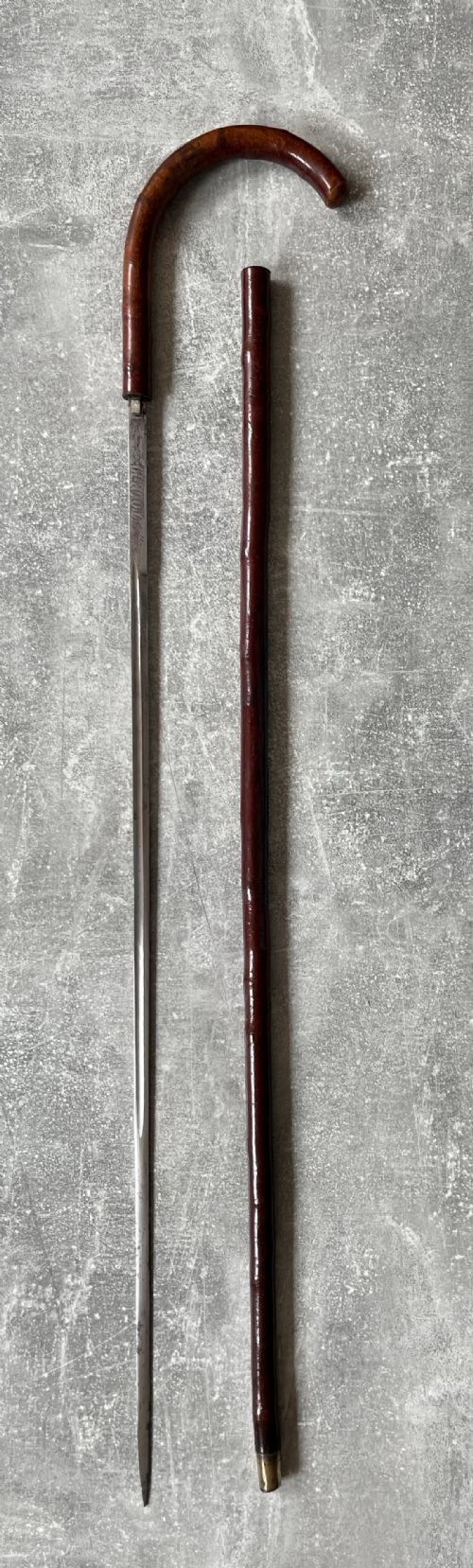
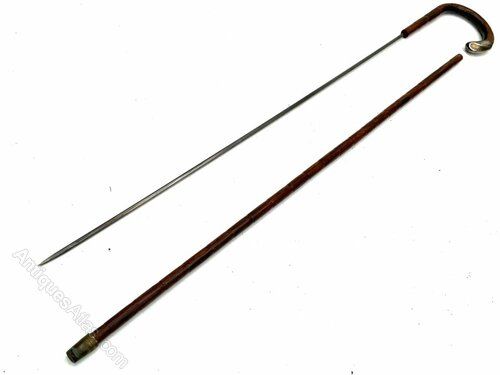
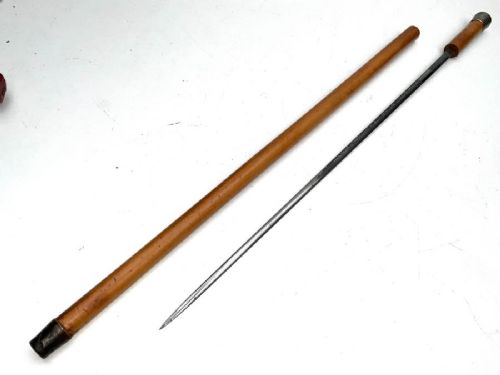
A vintage system walking stick encompasses sophisticated duality, housing concealed elements like sword blades, corkscrews, watch movements, telescopes or specialised handles within everyday walking canes. These pieces date principally from the Victorian and Edwardian eras, spanning the late nineteenth and early twentieth centuries.
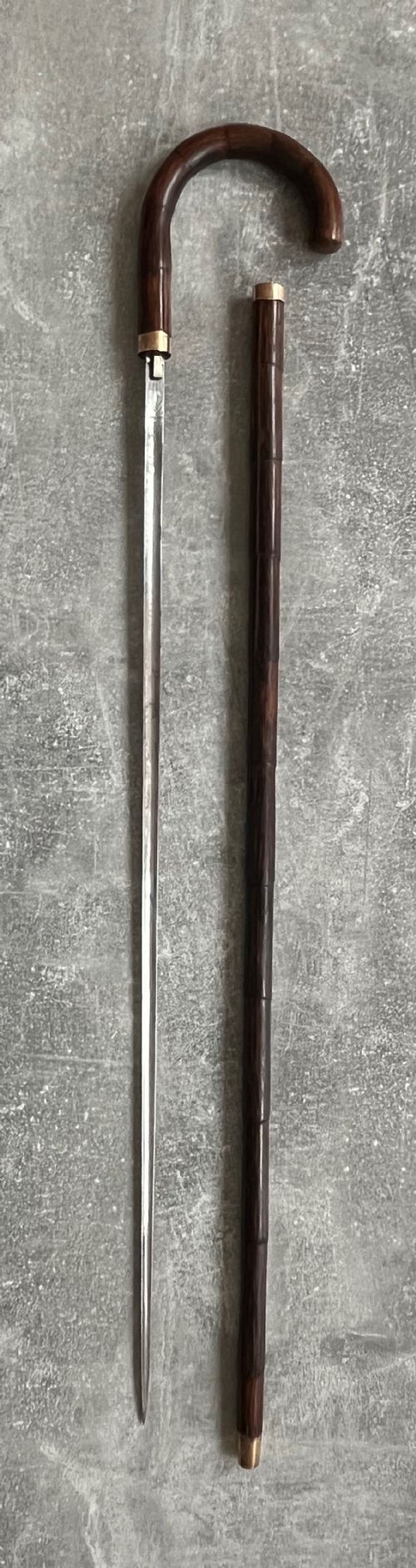
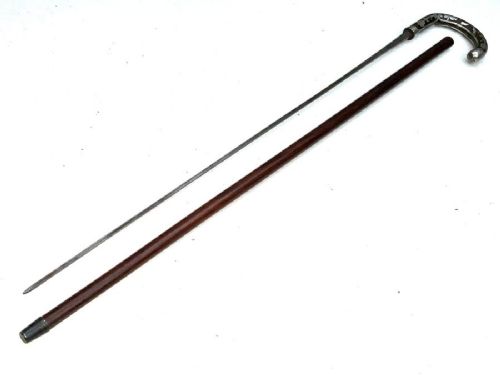
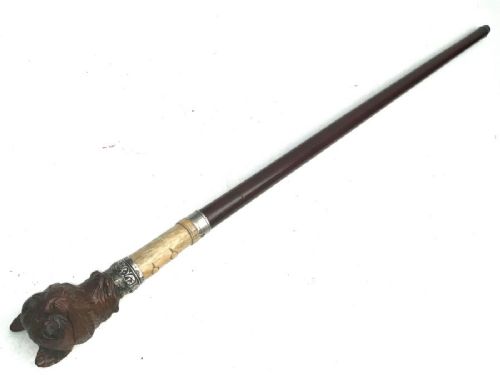
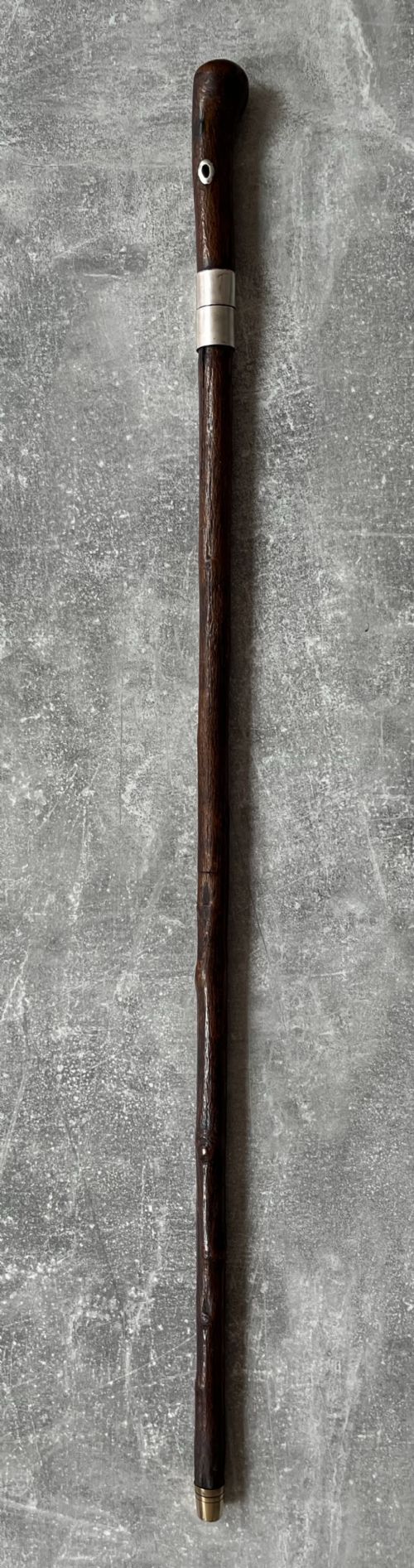
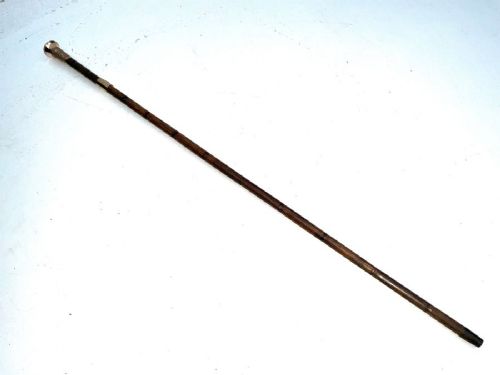
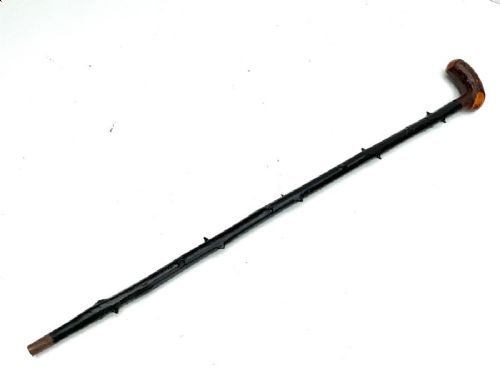
The most prevalent examples on this page are sword sticks, combining standard wooden shafts in partridge wood, malacca, bamboo, or blackthorn with concealed steel blades. Handle configurations vary widely, ranging from simple root ends and horn grips to silver horse heads, novelty figures, and masonic emblems.
Makers and retailers adapted these items for gentlemen, military officers, and fraternal orders, incorporating functional mechanisms like button releases and silver collars. Traditional Irish blackthorn and faux bamboo woods appear frequently alongside sophisticated French and English specimens.
How they were made
Shafts were formed from dense natural woods such as partridge wood, chestnut, hazel, and malacca, or shaped from horn, bone, and metal to ensure structural rigidity for daily support while housing an internal cavity. Metal components, including brass, silver, and steel, were utilised for collars, mounts, and mechanisms.
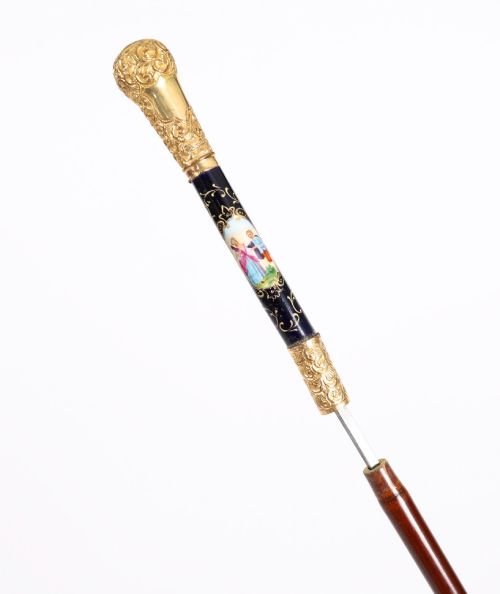
Blade integration relied on precise joinery within the wooden shaft, secured by button releases or friction fits that kept the hidden weapon stable during use. Silver mounts and porcelain elements, such as Sevres inserts, were applied with pinned collars and threaded fittings to finish the handles.
Among the concealed tools found in these canes is a rabbit handle paired with a hidden corkscrew.
What varies in quality
Quality rests in the precision of the concealing mechanism, where superior pieces feature seamless joins that disguise the inner cavity entirely when closed. The refinement of the handle material, from plain wood to carved bone, silver animal heads, or porcelain, distinguishes standard daily items from high-status commissions.
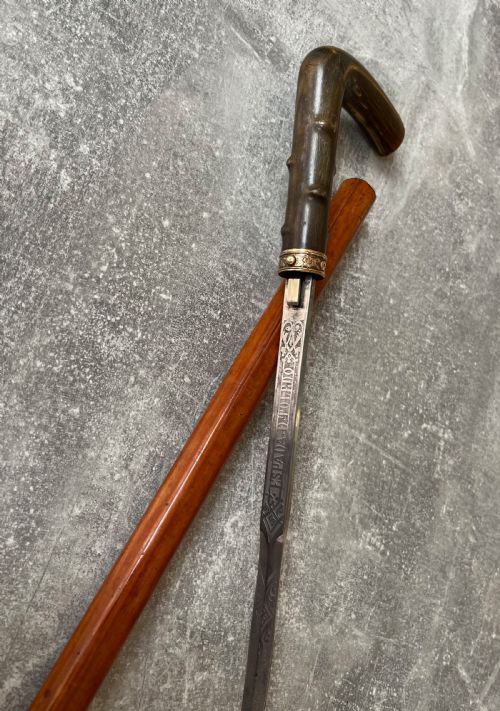
Blade integrity also marks the hierarchy of these objects, with etched Toledo steel or named maker blades representing superior manufacture compared to plain utility steel. The matching of natural grain in materials like malacca or partridge wood demonstrates superior material selection by the maker.
Brigg·Wilkinson
The Vintage System Walking Stick Glossary
- Sword stick
- A walking cane containing a concealed steel blade within its wooden shaft. These were commonly carried by gentlemen for personal defence during the nineteenth and early twentieth centuries.
- Malacca
- A slender, mottled rattan cane imported from Southeast Asia, prized for its flexibility and distinctive brown markings. It forms the lightweight shaft of many fine period sticks.
- Blackthorn
- A dense, dark wood featuring characteristic knobby thorn knots, traditionally associated with Irish walking sticks. It provides a sturdy and rugged shaft.
- Toledo blade
- A steel blade produced in Toledo, Spain, renowned for its tempering and flexibility. These blades often bear etched decoration and mark higher quality items.
- Collar
- A metal band, frequently cast in silver or brass, fitted around the top of the shaft just beneath the handle. It strengthens the wood against splitting and often bears assay marks.
Vintage System Walking Stick: Frequently Asked Questions
What is a vintage system walking stick?
A vintage system walking stick is a walking cane that conceals an additional function, tool, or weapon within its shaft or handle. Common iterations include sword sticks, watch canes, and pieces with hidden corkscrews or telescopes.
These items were popular among gentlemen and officers during the Victorian and Edwardian periods, serving both as walking aids and discrete personal tools.
How do you release the hidden blade?
Most concealed sword sticks utilise a mechanical button release set into the silver or metal collar just below the handle. Pressing this button disengages the internal catch, allowing the user to pull the handle and unsheath the blade.
Friction-fit systems rely on a firm pull to separate the handle and shaft without a visible button.
What materials were used for the shafts?
Shafts were constructed from sturdy natural materials suited to daily weight-bearing use. Common woods include malacca, partridge wood, chestnut, hazel, bamboo, and Irish blackthorn.
More unusual examples incorporated sections of horn, bone, or metal alongside silver mounts and decorative collars.
How do you date these walking sticks?
Dating relies on stylistic markers, hallmarks on silver collars, and the types of materials and mechanisms employed. Victorian and Edwardian examples often feature specific handle motifs, such as masonic symbols or silver animal heads.
Assay marks and dates stamped on metal mounts provide precise manufacturing years for English pieces.