


Carved Wood Sword Stick
A carved wood sword stick is a discreet self-defence cane concealing a hidden blade, prized for both practical utility and gentlemanly craftsmanship.
Carved Wood Sword Stick
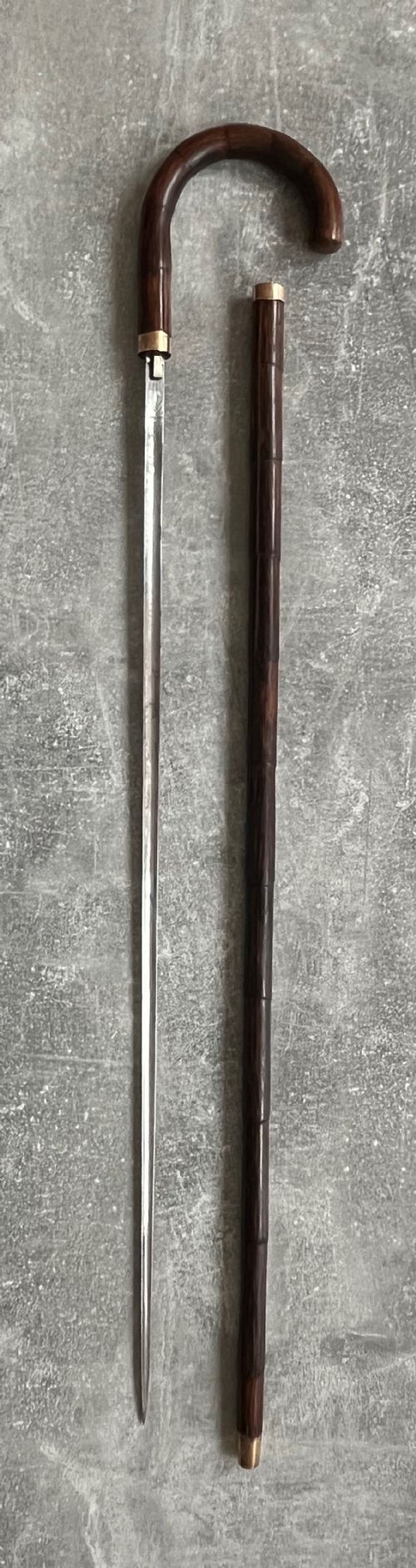
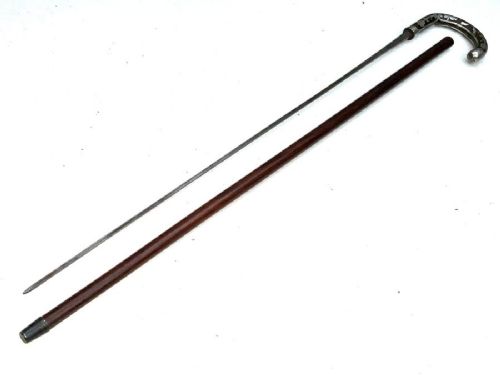
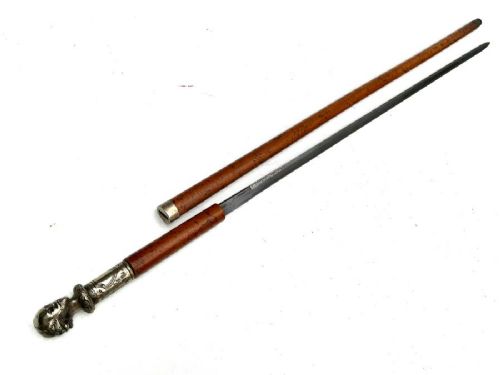
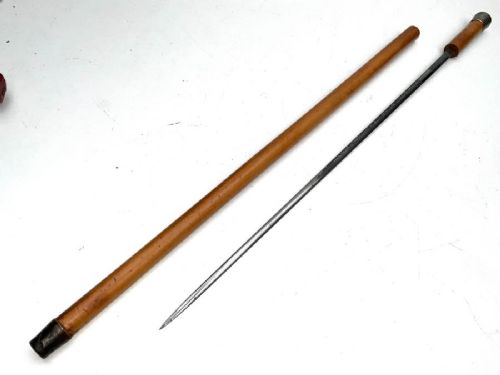
When you search for a carved wood sword stick, you are looking at functional walking canes that disguise a concealed steel blade beneath a wooden exterior. The examples met on this page span the late nineteenth century and the early twentieth century, including Victorian and Edwardian pieces.
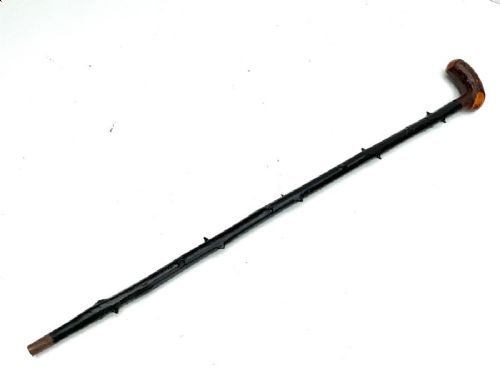
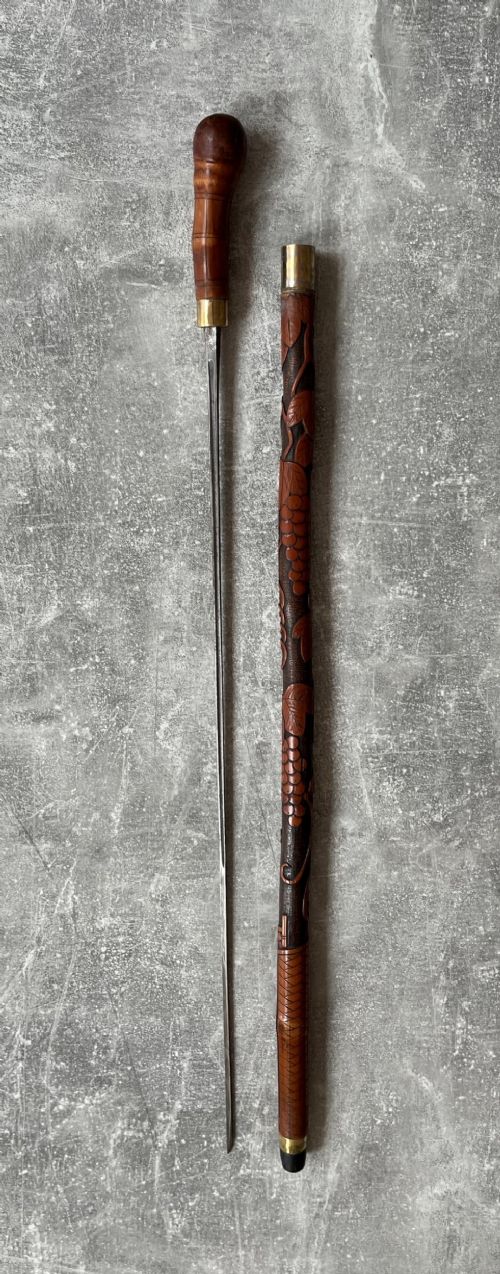
Forms range from simple root-ended shafts and bamboo designs to military officer issues and Masonic examples. Origins include Japanese traditional work, Imperial German pieces, and traditional Irish blackthorn wood.
These items served both as everyday walking supports and hidden protective weapons for gentlemen navigating urban and rural streets during periods of social unrest or travel.
How they were made
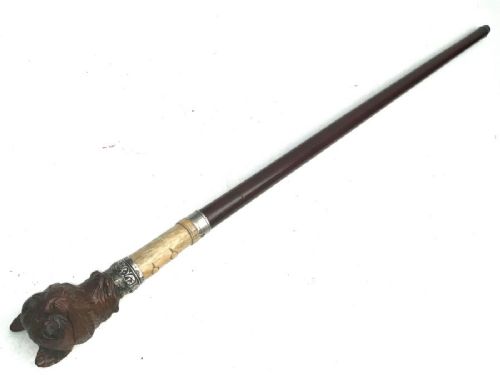
Maker construction relies on natural timbers such as blackthorn wood, kashi oak, and bamboo, shaped into straight shafts to house the inner steel blade safely. Handles utilise contrasting materials including bone, silver, and brass, sometimes carved into novel shapes like horses' heads or root ends.
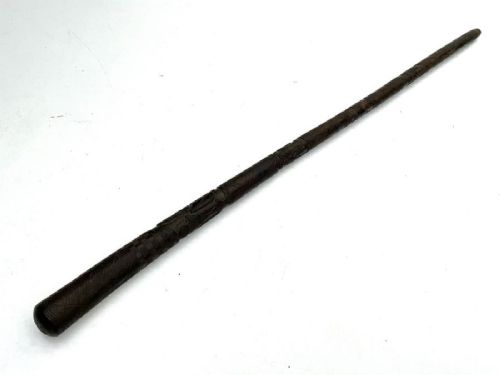
Blades are forged from steel, designed to slide securely into the wooden scabbard body with precise fitting. Artisans employed traditional carving techniques to decorate the exterior wood surface, ranging from East Asian motifs to faux bamboo patterning.
Some gentlemen preferred a novel handle carved to resemble a horse's head, ensuring their hidden weapon looked entirely innocent to passers-by.
What varies in quality
Quality rests upon the integrity of the wood selection and the precision of the blade fit within the cane shaft. Superior pieces display master carving on the wooden exterior and secure mounting of metal or bone handles.
The sophistication of the concealed steel blade and the firmness of the locking mechanism between handle and shaft distinguish standard utilitarian items from finer gentlemanly possessions.
BRIGG
The Carved Wood Sword Stick Glossary
- Sword stick
- A walking cane containing a concealed blade. It allows the owner to carry a protective weapon discreetly.
- Bokken
- A Japanese wooden sword used for training. In this context, it describes items influenced by Japanese traditional woodworking.
- Blackthorn wood
- A dense, tough wood traditionally used for Irish walking sticks. It provides natural ruggedness and character to the shaft.
- Toledo blade
- A steel blade originating from a city renowned for sword-making. Such blades indicate superior metalworking traditions.
- Faux bamboo
- A decorative finish carved into wood to imitate bamboo sections. It offers the exotic look of cane without the natural structural limitations.
Carved Wood Sword Stick: Frequently Asked Questions
What is a carved wood sword stick?
A carved wood sword stick is a walking cane that conceals a steel blade inside its wooden shaft. These items combine the practical function of a walking support with a hidden defensive weapon.
They gained popularity among gentlemen in the nineteenth and early twentieth centuries as personal protection tools during travel.
How do you open a sword stick?
Most sword sticks release through a pull mechanism or a slight twist of the handle to separate the wooden scabbard from the blade. The hidden lock keeps the blade secure during normal walking use.
Owners draw the handle outward smoothly to reveal the steel blade housed within the wooden body.
Were sword sticks used as weapons?
Yes, these items served as discreet personal defence weapons for civilians walking through poorly lit or unsafe streets. The concealed design allowed the bearer to travel with protection without drawing public attention.
Military officers and gentlemen alike carried them for security during the Victorian and Edwardian eras.
How do you date a sword stick?
Dating relies on examining the materials, construction methods, and stylistic details present in the handle and shaft. Victorian and Edwardian examples often feature specific metal mounts, handle carvings, and blade markings.
Comparing the wood type and decorative motifs against known nineteenth and twentieth-century manufacturing styles helps establish the period.