
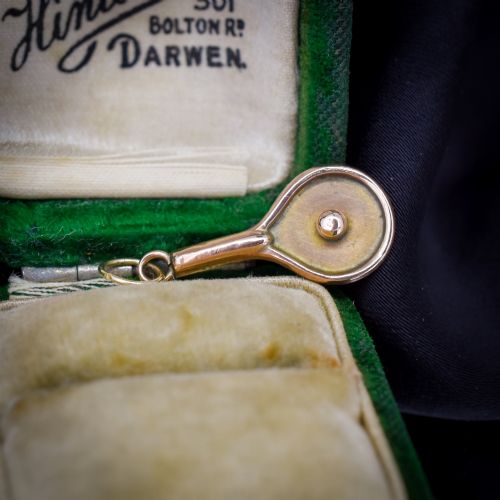
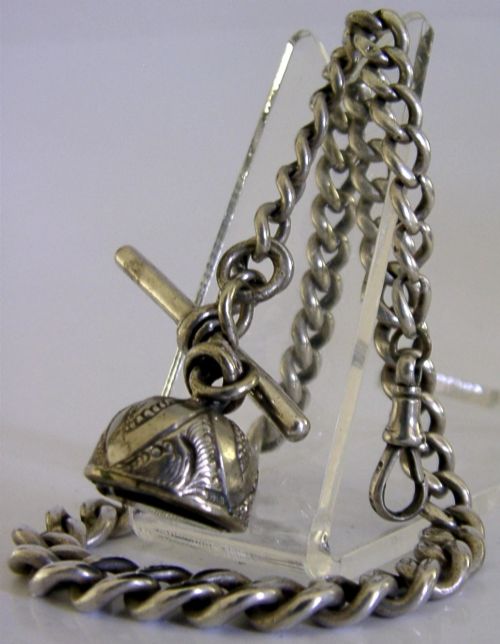



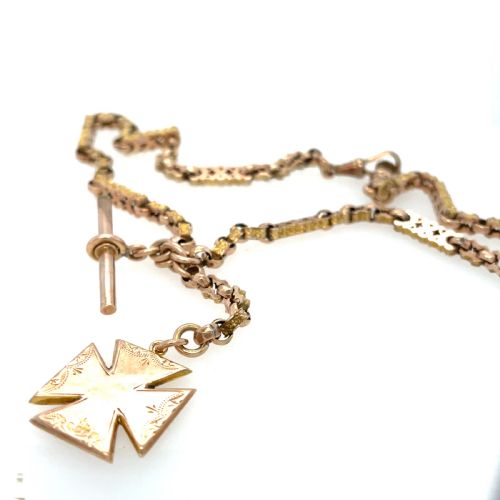
Antique Watch Fob Pendant
These antique watch fob pendant pieces offer remarkable miniature lapidary work and metalcraft, giving collectors wearable history.
Understanding antique watch fob pendant designs
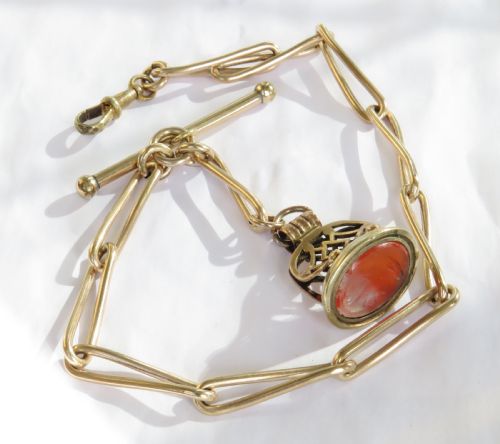
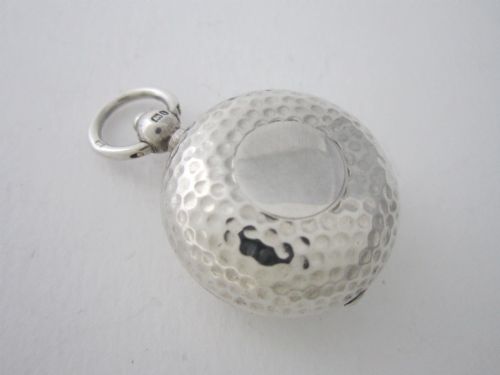
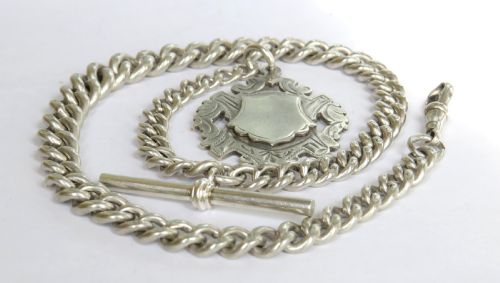
An antique watch fob pendant represents a distinct category of small decorative ornaments originally worn suspended from pocket watch chains. Buyers searching this phrase encounter items spanning the Georgian, Victorian, and later eras up to nineteen thirty.
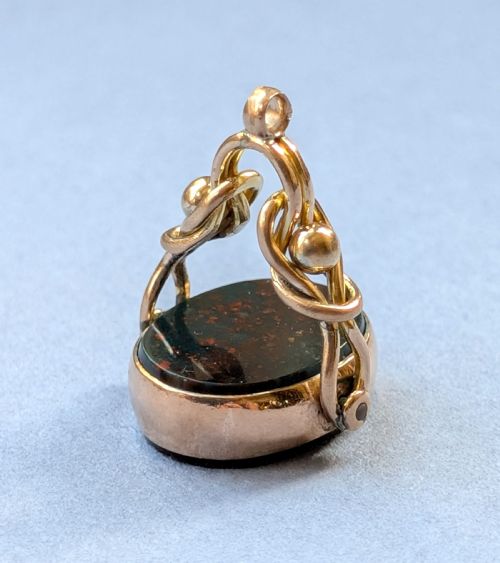
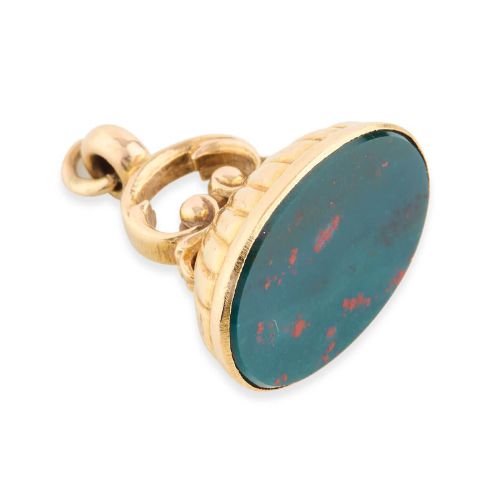
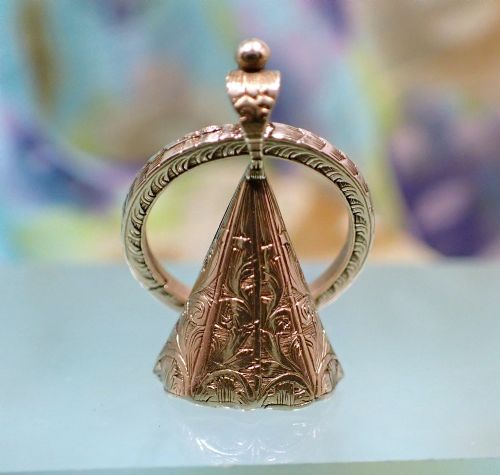
Pieces frequently combine functional elements like winding keys or compasses with heraldic engraving or gemstone faces. Collectors most frequently meet swivel designs allowing the wearer to display two distinct stone faces or seal impressions.
Materials and construction methods
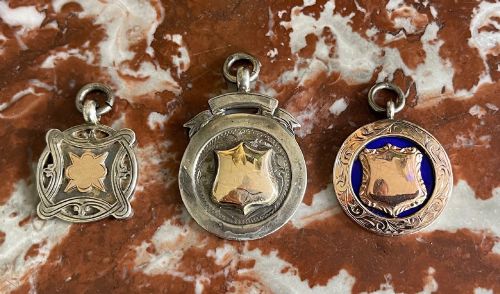
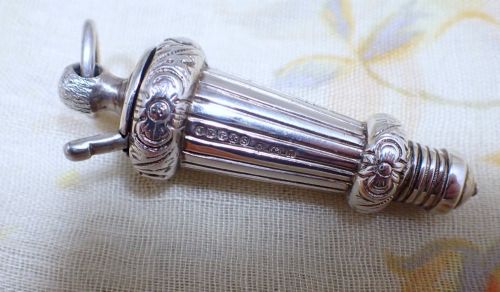
Maker construction relies on combinations of nine carat gold, sterling silver, gilt metal, and gold cased brass. Precious metals are shaped into bezels, shield mounts, and articulated loops designed to withstand daily wear on a watch chain.
Lapidary techniques involve cutting and faceting hardstones such as carnelian, citrine, bloodstone, and chalcedony to fit snugly within metal settings. Enamel work is also utilised to add coloured detail to small keys and seals.
Retail Price Guide 2026
Typical UK retail prices for watch fob pendant, calculated from the Sellingantiques database of over a million retail prices indexed since 2003. This retail price guide relies exclusively on Sellingantiques data; no external sources or auction records are used, so the figures do not describe the wider market.
Distinctions in quality and execution
Quality varies according to the precision of the stone cutting and the weight of the metal utilised in the mount. Substantial nine carat gold housings and crisp gemstone facets represent the upper tier of production.
Swivel mechanisms demonstrate craftsmanship through smooth rotation and secure alignment without looseness in the frame. The depth and clarity of hand engraving on seals and medallions further separate standard examples from finer works.
The Antique Watch Fob Pendant Glossary
- Fob seal
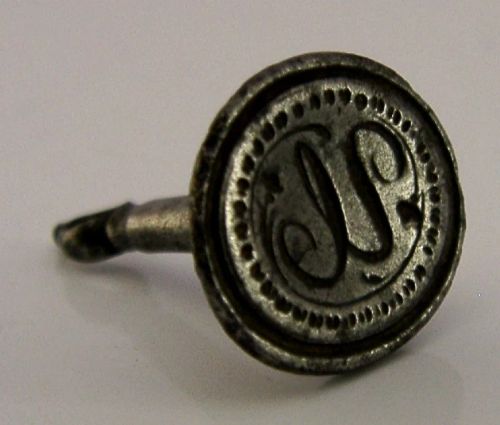
- A small decorative pendant featuring a matrix carved with initials, a crest, or a coat of arms used for stamping hot wax documents. These items combine personal heraldry with portable ornamentation.
- Swivel pendant
- A mounting style that allows the central stone or seal to rotate on a central axis within its outer metal frame. This permits two different gemstone faces to be displayed.
- Watch key
- A small functional implement designed to wind a mechanical pocket watch before keyless winding mechanisms became standard. They are frequently worn alongside or integrated into fob pendants.
- Carnelian
- A brownish-red variety of the mineral chalcedony utilised extensively for intaglio seals and smooth spinning stones. Its warm tone appears frequently in Georgian and Victorian pieces.
Frequently Asked Questions
How were antique watch fob pendant items worn?
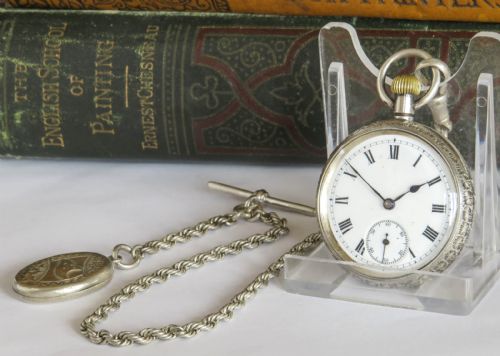
These pieces were attached to the end of a pocket watch chain and slipped into a waistcoat pocket or secured to a belt loop. They served both a decorative purpose and a functional one when incorporating a watch key or seal.
Over time, owners transitioned from using them with pocket watches to wearing them suspended from modern neck chains as standalone pendants. This adaptation allows surviving examples to remain functional and wearable today.
What materials are typical in these pieces?
Construction materials encompass nine carat gold, sterling silver, gilt metal, and gold cased brass paired with natural hardstones. Common stones include carnelian, citrine, bloodstone, and chalcedony, occasionally enhanced with enamel.
Metal components often feature stamped hallmarks or maker marks indicating the standard of gold or silver. The pairing of coloured stones with bright polished metal defines the aesthetic of the category.
Can watch keys still wind clocks?
Many surviving watch keys retain their internal square apertures and sturdy metal shafts capable of turning compatible winding squares. However, precise sizing varies significantly across different pocket watch movements.
Collectors generally appreciate them for their miniature metalwork and decorative handles rather than active timekeeping utility. Measuring the internal gauge is necessary if attempting to fit a key to a specific watch.