
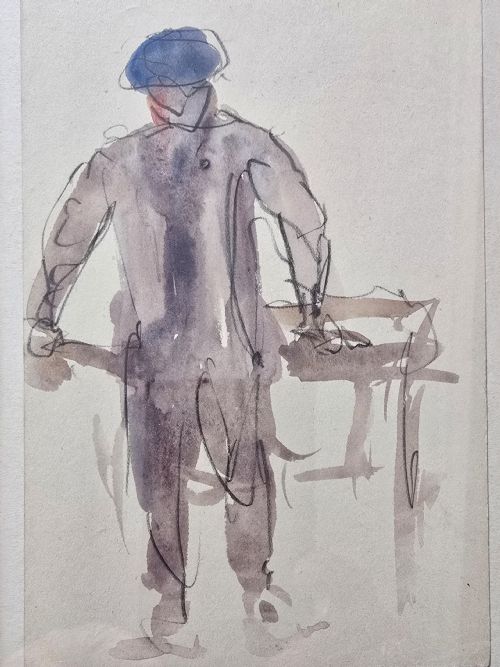


Antique Wash Drawing
An antique wash drawing brings tonal depth and fluid line to a room, offering genuine historical character through layered ink, sepia, or watercolour on paper.
Antique Wash Drawing
An antique wash drawing is an original work on paper executed in monochrome or tinted pigment, where diluted ink or watercolour creates gradients of shadow and light. You will find landscapes, architectural studies, and portraits spanning the eighteenth and nineteenth centuries, alongside early twentieth-century townscapes.
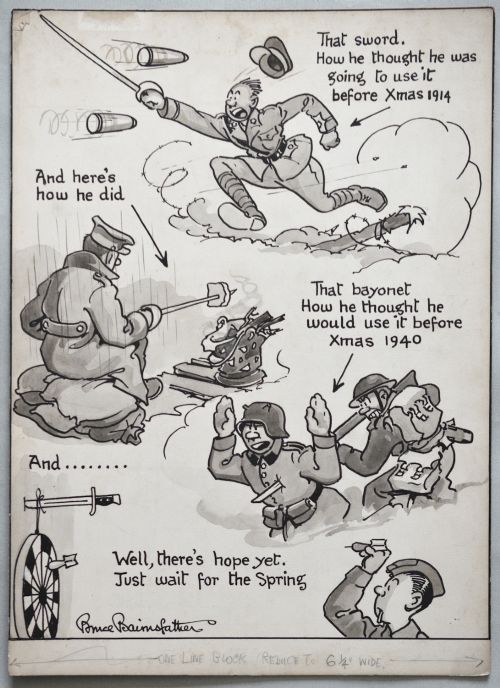
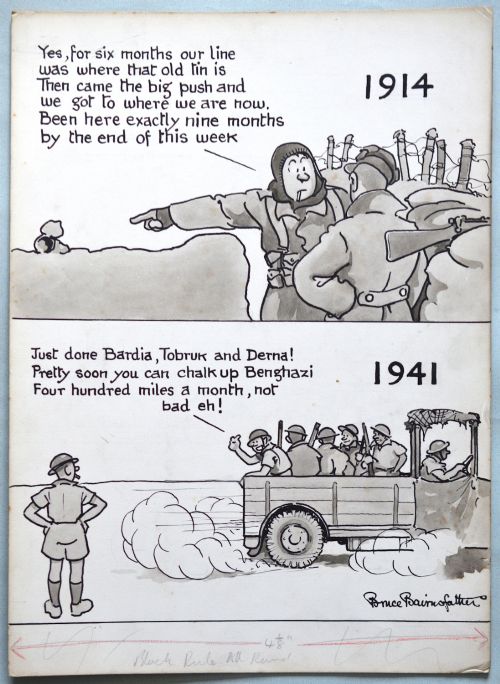
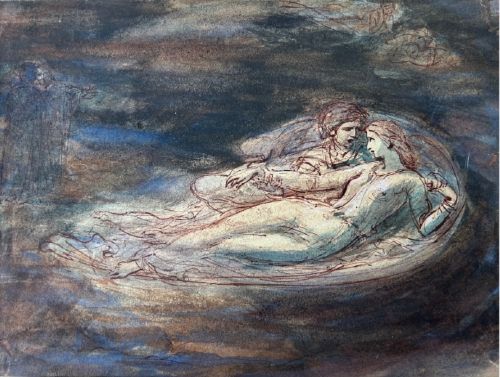
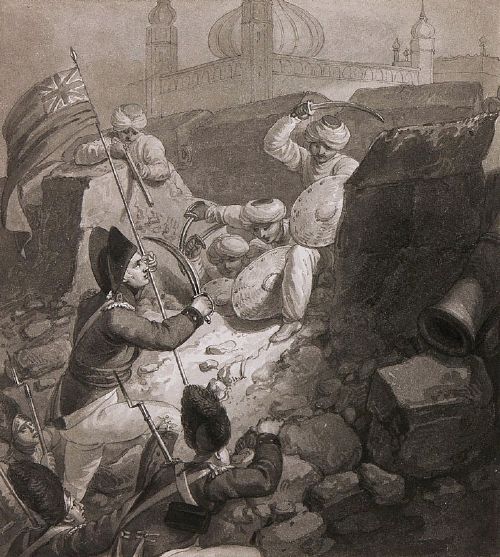
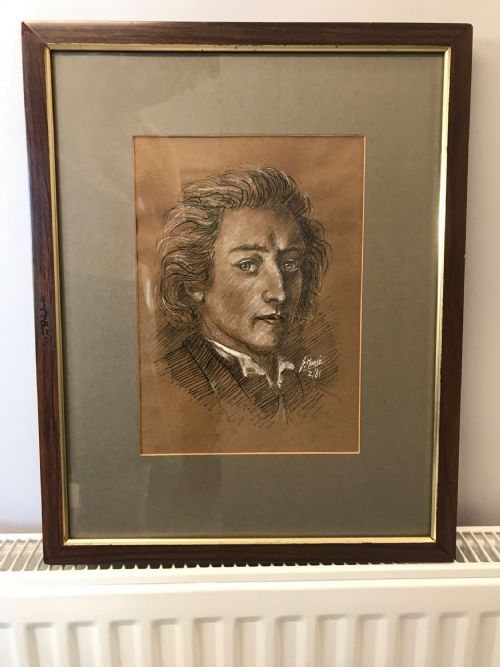
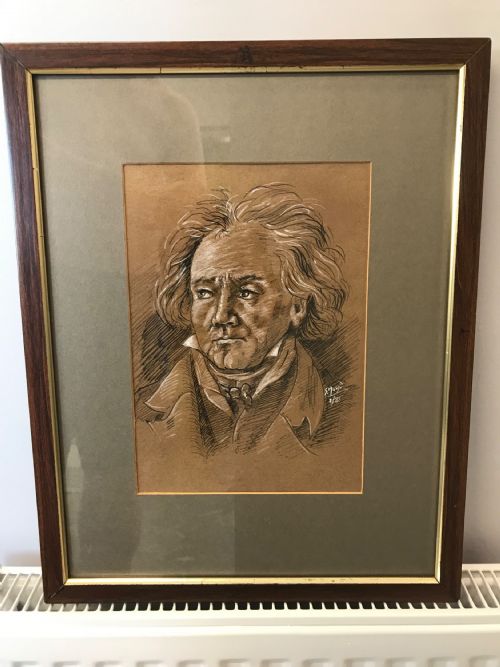
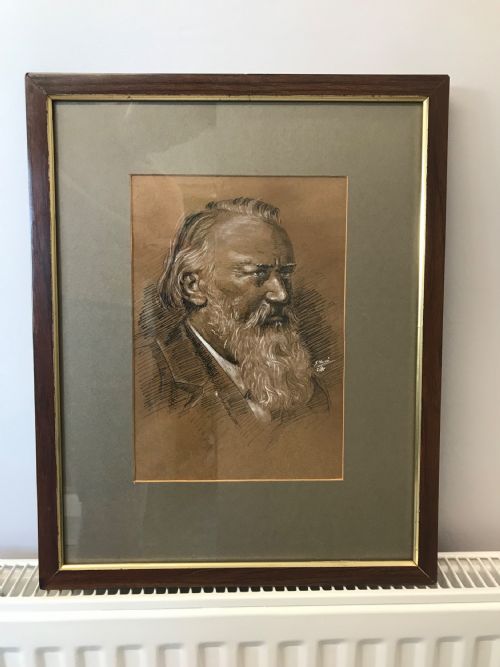
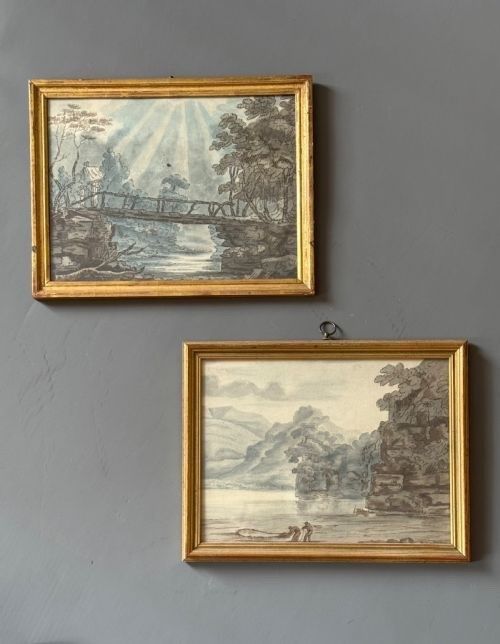
The pieces appearing on this page range from crisp architectural perspectives and spirited caricatures to serene pastoral scenes. Many are framed under glass, preserving delicate paper supports that have survived from the Georgian, Victorian, and Edwardian eras.
How they were made
Artists built these works by first sketching contours in graphite or pen and ink, then applying washes of diluted ink, sepia, or gouache to establish depth. Paper served as the primary canvas, combined with organic pigments and occasionally tinted with multiple coloured inks for subtle atmospheric effect.
Framing typically involved traditional wood surrounds and protective glass, which guarded the porous paper surfaces against moisture and handling over the centuries.
Several artists captured quiet moments of everyday life, from farmers and donkeys to musicians lost in thought.
What varies in quality
Quality rests in the assuredness of the initial line and the control of the fluid wash, where confident brushwork creates immediate spatial depth without muddying the paper. Stronger pieces reveal the hand of a skilled draughtsman who captures expression or topography with minimal, decisive strokes.
Condition also dictates standing, as clean paper without heavy foxing or fading preserves the intended contrast between ink line and translucent wash.
William Marshall Craig·Edward Dayes·Robert Richard Scanlan·Thomas Rowlandson·Pio Panfili·Amos Green·Johan Noah Bemmel·Charles Prosper Sainton·Fred Lawson·Theobald Chartran·Peter Tillemans·Thomas Lound·Thomas Monro·Jacques Callot
The Antique Wash Drawing Glossary
- Wash
- A technique where diluted ink, watercolour, or sepia pigment is applied evenly across paper to create smooth tonal shadows and gradients. It forms the primary shading method in these works.
- Gouache
- An opaque watercolour medium containing a binding agent, used to add solid highlights and opaque colour details over ink and wash drawings. It provides stark contrast against translucent washes.
- Sepia
- A reddish-brown pigment derived from the ink sac of the cuttlefish, widely utilised in eighteenth and nineteenth-century monochrome drawings. It imparts a warm, aged tone to landscape and figure studies.
- Foxing
- Brown spots and discolouration caused by chemical reactions in ageing paper, often accelerated by humidity and trapped moisture behind glass. Collectors note its presence when assessing preservation.
Antique Wash Drawing: Frequently Asked Questions
How should I frame an antique wash drawing?
Protect the delicate paper by using acid-free mounts and conservation-grade backing materials that prevent direct contact with the glass. Keeping the artwork away from direct sunlight will also prevent the ink and wash pigments from fading.
Choosing a simple wood frame that complements the period of the drawing allows the subtle tonal work on paper to remain the focal point.
What is the difference between a wash drawing and a watercolour?
A wash drawing relies primarily on monochrome or tinted fluid pigments applied over an ink or pencil outline to establish shadow and form. Watercolours typically employ a wider range of opaque and transparent colours as the main vehicle for the entire image.
Many pieces on this page blur the distinction by combining fine pen lines with both monochrome wash and touches of gouache.
Are these drawings original or reproductions?
Every piece listed is an original handmade work on paper created by an artist, rather than a modern print or mechanical reproduction. Close inspection under magnification often reveals the physical texture of brushstrokes, ink pooling, and underlying pencil guidelines.
Signatures, inscriptions, and period paper stocks further confirm the authenticity of these historical artworks.
How do I identify the period of a wash drawing?
Dating relies on stylistic clues, artist signatures, subject matter, and the physical characteristics of the paper itself. Eighteenth-century sheets often display distinct watermarks and laid paper textures, while Victorian and Edwardian examples reflect contemporary artistic conventions.
Comparing the handling of ink and wash to documented works by known practitioners helps narrow down the decade of creation.