



Antique Wash Cabinet
An antique wash cabinet turns morning hygiene into a fine architectural pursuit, hiding basins and ewers behind handsome timber doors.
Antique Wash Cabinet
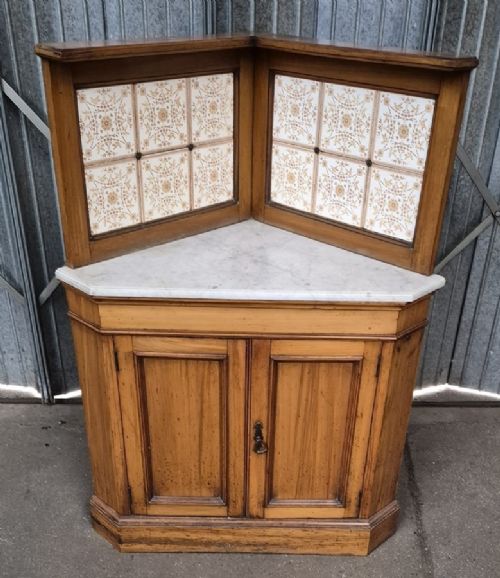
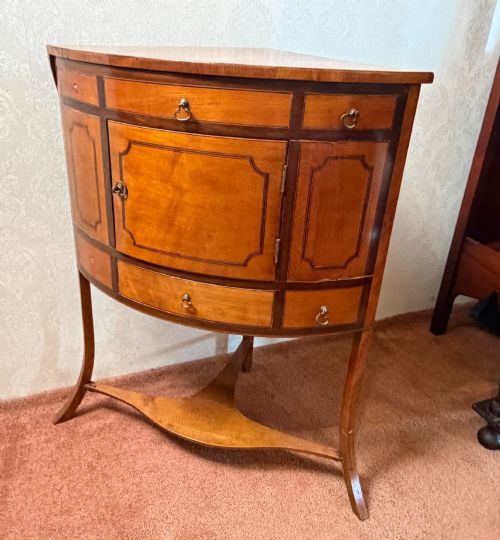
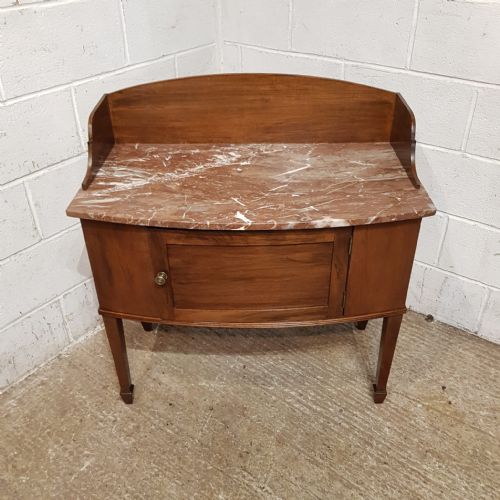
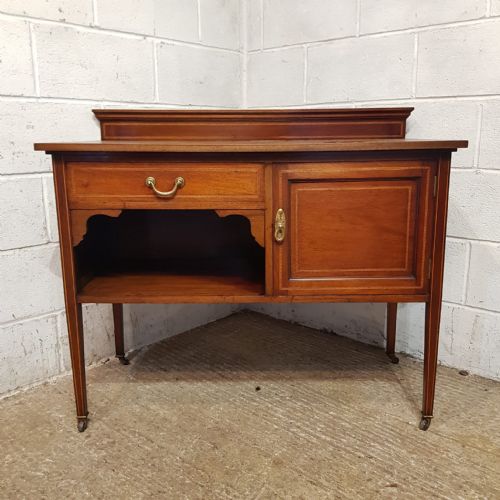
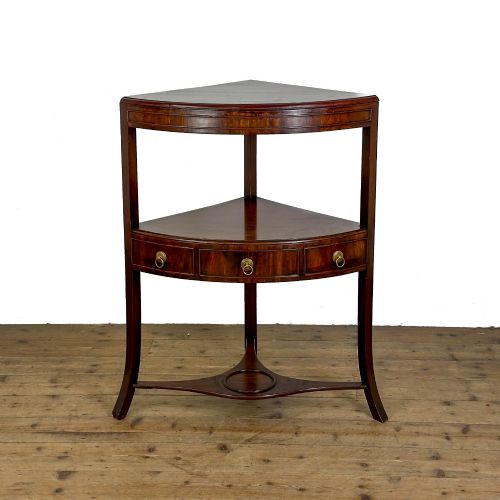
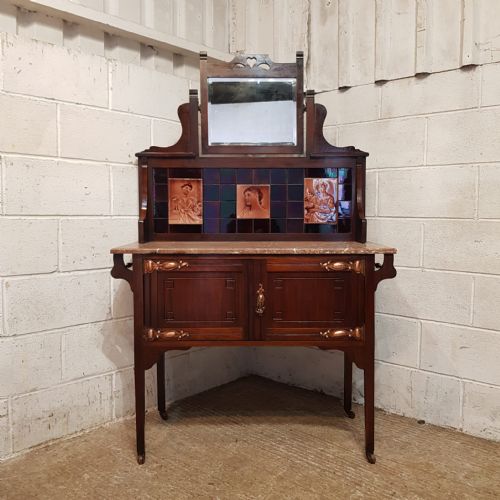
An antique wash cabinet is a utilitarian bedroom piece designed to hold water basins, ewers and grooming paraphernalia out of sight when not in use. The examples gathered here span from the Georgian and Edwardian eras through to Victorian times, taking forms such as corner washstands, bow-fronted cabinets and French Provincial lavabos.
Materials and construction methods
Cabinetmakers relied heavily on dense hardwoods like mahogany and walnut to build a sturdy carcase capable of supporting heavy stone surfaces. Satinwood and chestnut also appear, lending lighter grain patterns to specific regional and period pieces.
Marble and ceramic components were integrated to handle the damp realities of daily washing, while brass hardware secured doors and housed folding mechanisms. Occasional metal elements, such as original pewter cisterns in French Provincial pieces, completed the functional water system.
Period origins span the eighteenth century, the Georgian era, the Victorian epoch, and the Edwardian period.
Distinguishing quality in construction and materials
The division between standard utilitarian pieces and superior examples rests in the selection of timbers and the refinement of internal fittings. Figured veneers, intricate marquetry inlay, and thick rouge marble tops signal a higher tier of workshop production.
Joinery precision and maker marks, such as stamps from established cabinetmakers, separate ordinary wash stands from exceptional survivors. The integrity of internal shelving and original hardware further defines the lasting worth of a cabinet.
Walker And Sons·Gillows Lancaster
The Antique Wash Cabinet Glossary
- Lavabo
- A wash basin and water container setup, often seen in French Provincial pieces featuring original pewter cisterns and basins. This term typically denotes pieces with integrated water management systems.
- Washstand
- A dedicated bedroom table or cabinet designed to hold a basin, jug and related washing utensils before plumbed bathrooms became common. They appear in straight, bow-front and corner configurations.
- Marquetry
- The art of applying decorative pieces of veneer to a structure to form intricate floral or geometric patterns. It is frequently observed on high-end Victorian walnut cabinets.
- Satinwood
- A durable, hard timber with a natural golden sheen and satin-like lustre used for fine cabinetmaking. It lends a bright, reflective quality to eighteenth-century and later pieces.
- Corner washstand
- A space-saving triangular furniture form engineered to fit neatly into bedroom angles. These pieces often incorporate tiers for water jugs and small storage cupboards below.
Antique Wash Cabinet: Frequently Asked Questions
What is an antique wash cabinet?
An antique wash cabinet is a wooden piece of furniture created to hold washing basins and bedroom hygiene items before modern indoor plumbing. They typically feature enclosed storage space beneath a top surface designed for a jug and bowl.
Over the centuries, these cabinets evolved from simple stands into sophisticated furniture incorporating marble tops, folding lids, and matching porcelain sets.
How were wash cabinets used originally?
These cabinets served as the primary washing station in bedrooms before dedicated bathrooms became standard in homes. Servants filled the basins with water from ewers so residents could wash their hands and face each morning.
Cupboard spaces below concealed chamber pots, soap, towels, and water pitchers, keeping the bedroom tidy and free of clutter between uses.
How do I date a wash cabinet?
Dating relies on observing timber choices, hardware styles, and structural construction techniques typical of specific eras. Georgian examples often feature slender mahogany frames, while Victorian versions frequently showcase heavy walnut and marble.
Edwardian pieces tend to display lighter mahogany or satinwood construction with simpler lines. Maker stamps and specific cabinet designs also help narrow down the decade of production.
Where should I place a wash cabinet today?
A wash cabinet functions well as a bathroom vanity, a hallway storage unit, or a distinctive bedside table. Corner models fit neatly into unused angles of a room while providing useful display and storage surfaces.
The stone or wooden tops easily accommodate lamps, books, or plants, making these historical pieces practical for modern living spaces.