


Vintage Washstand Marble Splashback
These vintage washstand marble splashback pieces combine functional bedroom furniture with decorative stone work, offering genuine period character for a traditional interior.
Vintage Washstand Marble Splashback
A vintage washstand marble splashback is a practical item of bedroom furniture designed to protect walls from water while washing, combining a sturdy timber frame with a fitted stone panel. These pieces emerge from the Victorian, Edwardian, and early twentieth century periods, reflecting the domestic habits of homes before plumbed bathrooms became standard.
Makers and workshops of the era produced these items in various regional styles, ranging from simple painted pine to elaborate Arts and Crafts designs, Sheraton Revival inlays, and French commode proportions. Buyers select them today for use in modern bathrooms, hallways, or bedrooms as decorative vanity units.
Materials and construction
Cabinet makers utilised dense hardwoods such as mahogany, walnut, oak, and satinwood to support the considerable weight of natural stone tops and splashbacks. These timbers received skilled treatments including French polishing, painting, and delicate inlaid woodwork.
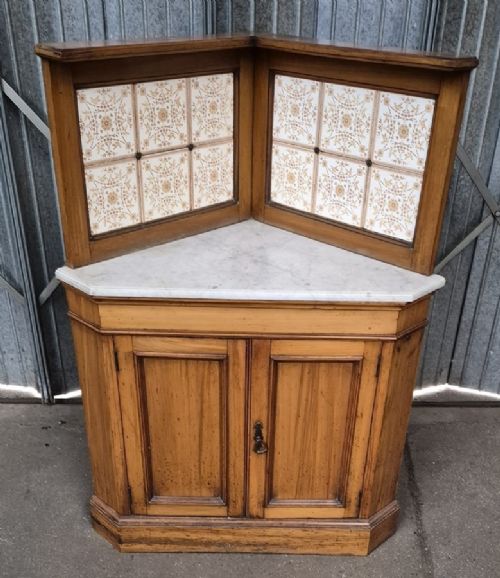
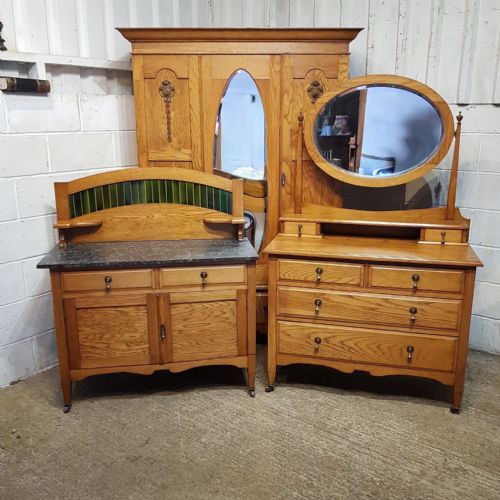
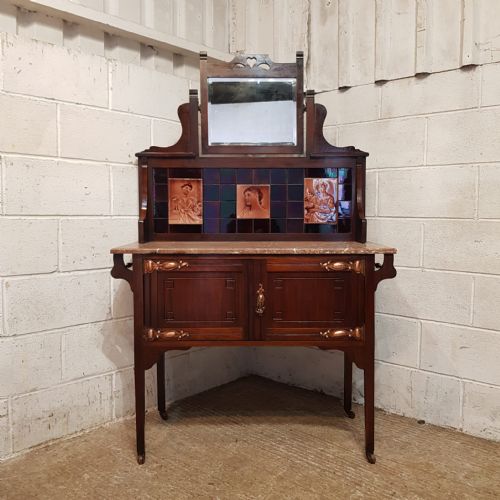
The stone components consist of heavy slabs of white, grey, or rouge marble, cut and polished to fit snugly into wooden frames behind the wash basin area. Additional materials such as ceramic tiles, brass handles, and glass elements appear across specific Arts and Crafts and Edwardian examples.
The listings show washstands spanning the late nineteenth century through to the nineteen-twenties, incorporating Edwardian, Victorian, Arts and Crafts, and Art Nouveau styles.
Assessing quality and craftsmanship
The distinction between standard utility pieces and finer examples rests in the choice of timber and the complexity of the cabinet work. Superior items feature figured mahogany or walnut, intricate satinwood inlay, and robust structural joinery that supports heavy stone without sagging.
The quality of the marble splashback itself influences the overall standard, with thicker slabs, interesting veining, and integrated bevelled edges denoting higher grade production. Matching marble tops and splashbacks, alongside intact original brass hardware and decorative tiles, elevate the standing of an individual piece.
Gillows
The Vintage Washstand Marble Splashback Glossary
- Splashback
- A vertical panel mounted behind a wash basin to protect the wall from water splashes. On these pieces, it is almost exclusively made from polished marble.
- Commode
- A low cabinet or chest of drawers that often enclosed a chamber pot or washing basin in period bedrooms. French examples frequently exhibit walnut framing and heavy marble tops.
- Satinwood
- A pale, lustrous hardwood prized by cabinet makers for fine veneer and inlay work during the Sheraton Revival and Edwardian eras. It provides a striking contrast against darker timbers.
- Arts and Crafts
- A design movement prioritising traditional craftsmanship, simple lines, and honest materials over mass-produced ornamentation. Pieces from this school display solid oak construction and understated joinery.
Vintage Washstand Marble Splashback: Frequently Asked Questions
What is a vintage washstand marble splashback used for?
These items served as the primary washing station in bedrooms before modern indoor plumbing became common in houses. They provided a stable surface for a basin and jug, while the stone back prevented water damage to the wallpaper.
Today, buyers repurpose them as bathroom vanity units, hallway consoles, or decorative sideboards in period properties. The stone surfaces remain practical for holding toiletries and everyday objects.
How do I tell Victorian from Edwardian washstands?
Victorian washstands generally feature heavier timber construction, darker mahogany or walnut woods, and often simpler, robust proportions. The marble used in this period is sometimes paired with plain wooden framing or straightforward tiled backs.
Edwardian examples often display lighter woods like satinwood or inlaid mahogany, reflecting the Sheraton Revival style popular at the turn of the century. They frequently incorporate more refined decorative inlays and occasional Art Nouveau curves in the woodwork.
Are the marble splashbacks fixed to the furniture?
Most marble splashbacks on these washstands are heavy, separate slabs that slot into rebates in the wooden top or rest against the back frame, secured by their own weight and small brackets. This modular construction allowed nineteenth-century makers to transport the heavy stone safely apart from the wooden base.
When moving or positioning the piece, it is standard practice to lift the marble out separately to reduce the overall weight and prevent accidental cracking of the stone.
How do I care for a marble top washstand?
Marble is a natural, porous stone that reacts to acidic substances like vinegar, citrus, and certain modern cleaning chemicals. Maintenance involves wiping the surface down with a damp cloth and mild, neutral soap rather than harsh detergents.
Applying a specialist stone sealer periodically helps protect the marble from moisture rings and staining, preserving the polished finish against daily bathroom or bedroom use.