
Antique Walnut Carving
These pieces of antique walnut carving combine dense dark timber with deep sculptural relief, offering substance and rich grain variation to any interior.
Antique Walnut Carving
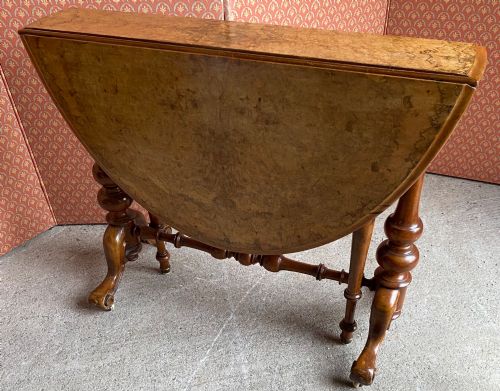
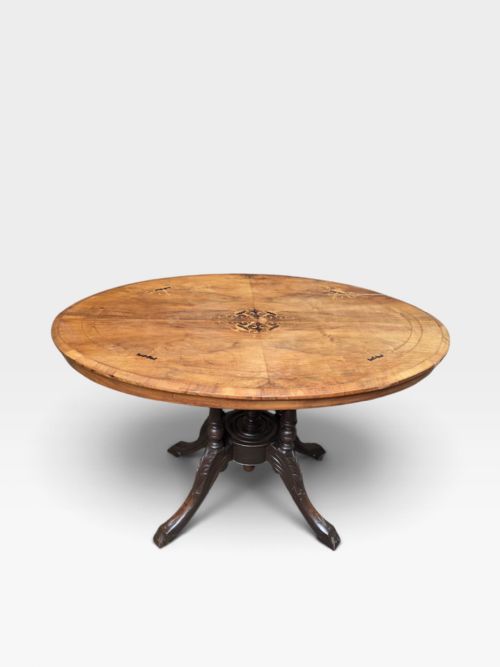
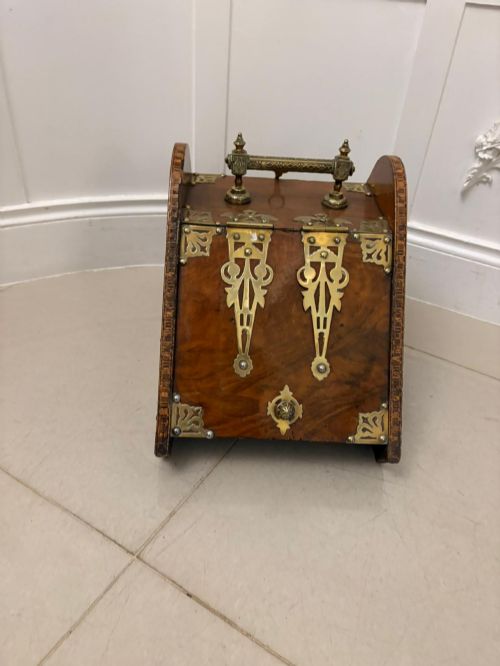
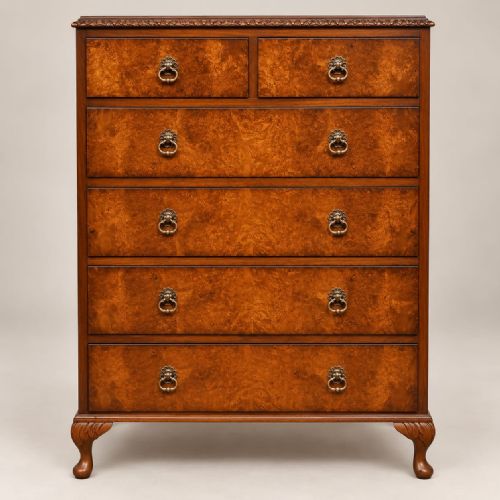
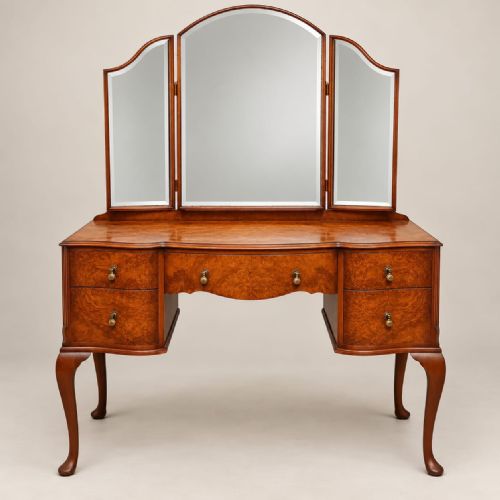
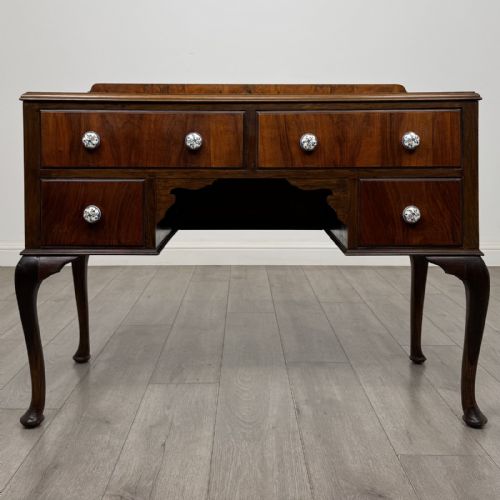
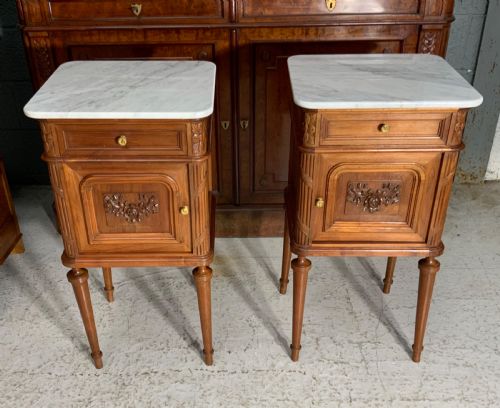
When exploring antique walnut carving, collectors encounter everything from substantial Victorian sideboards and centre tables to smaller armchairs, occasional tables, and sculpted panels. The materials span standard walnut and burr walnut, often paired with brass, leather, and marble.
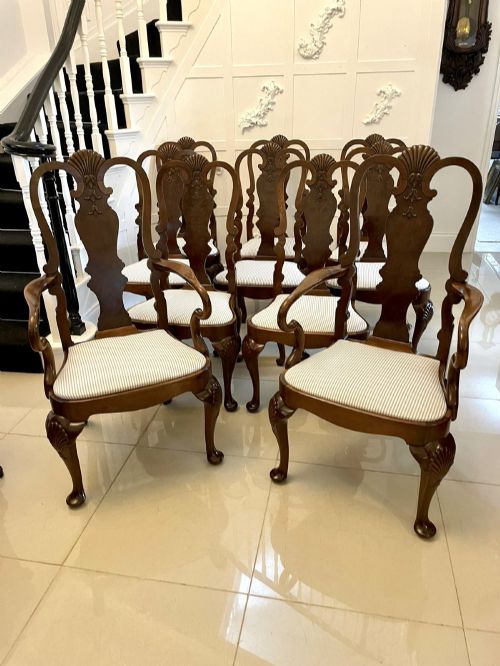
The objects stem from various eras, with Victorian pieces, Edwardian examples, and 18th-century furniture appearing frequently across the inventory. Domestic seating, gaming tables, and storage chests dominate the forms available.
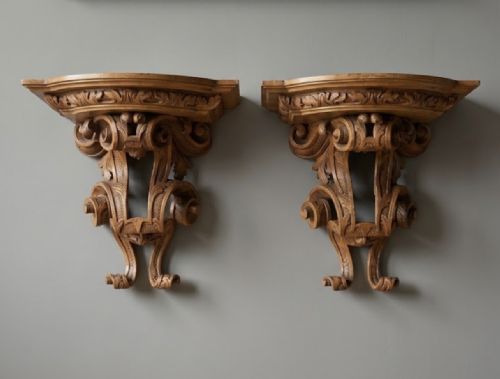
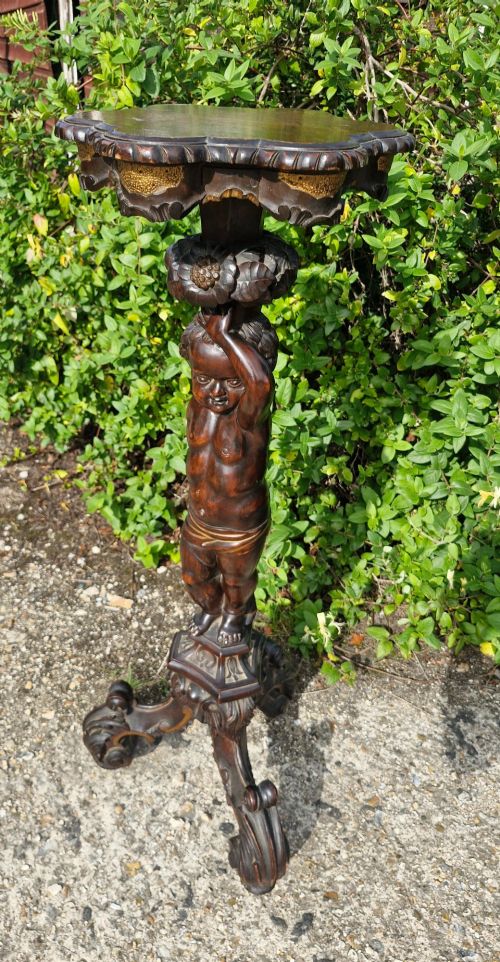
Earlier centuries contribute sculptural items such as Italian Baroque armchairs and Flemish or French cherub carvings. These diverse origins provide buyers with both functional furniture and decorative woodwork from multiple historical periods.
Materials and construction
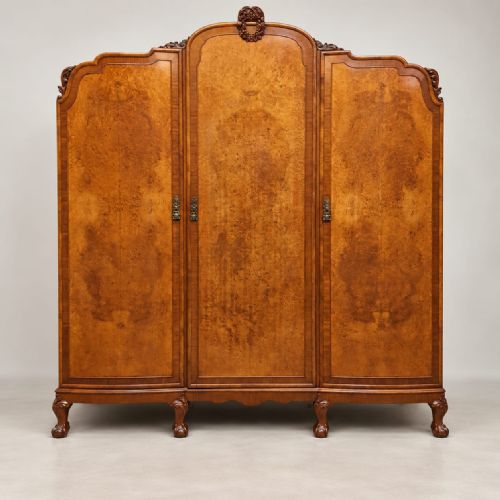
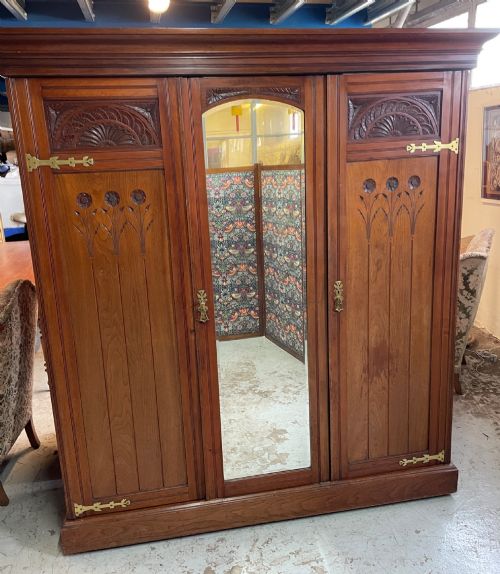
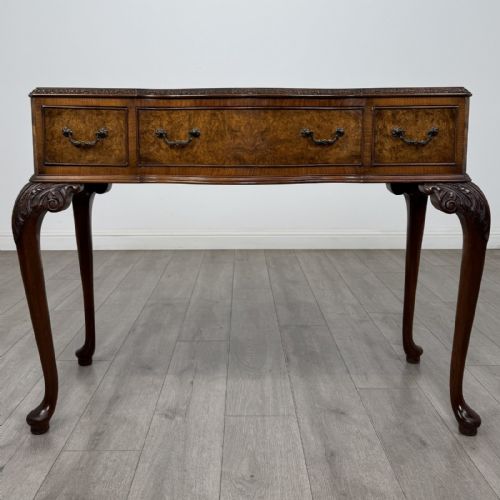
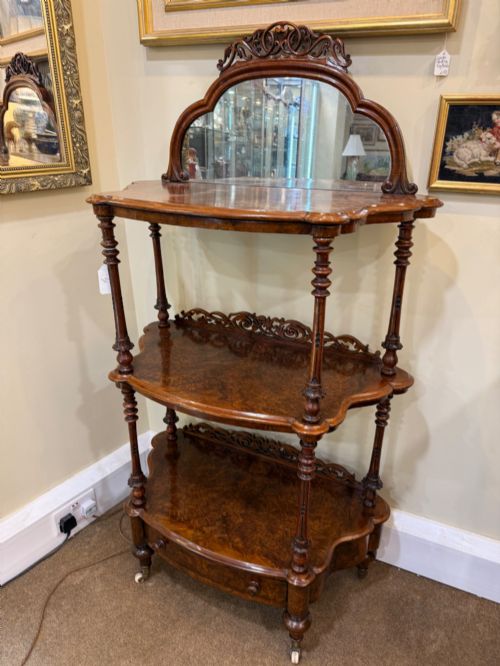
The makers utilised solid walnut and burr walnut for its distinct figuring and warm tone, applying veneers over secondary timbers on large cabinet pieces. Carved elements were worked directly into the dense grain, allowing for crisp relief work on mirror backs, chair frames, and table bases.
Secondary elements incorporated brass hardware, glass tops, leather inserts, and marble surfaces to complete functional items like desks and card tables. French polishing and wax finishes protected the timber while enhancing the natural contrast of the grain.
Current listings feature Victorian, Edwardian, and 18th Century periods, constructed from walnut, burr walnut, marble, and leather.
Distinguishing quality
Quality rests upon the depth and crispness of the carved ornamentation, distinguishing sharp, hand-chiselled foliage and figures from softer, mechanical mouldings. The selection of the timber matters equally, with heavily figured burr walnut commanding attention for its rich patterning.
Structural integrity and the retention of original surfaces separate superior examples from heavily restored pieces. Cohesion between the carved woodwork and the underlying furniture form determines the overall success of the object.
The Antique Walnut Carving Glossary
- Burr walnut
- A highly figured veneer taken from the growth excrescences of a walnut tree. It produces swirling patterns prized by cabinet makers.
- Marquetry
- The art of applying pieces of veneer to a structure to form decorative patterns. Floral and geometric designs appear frequently on bureau and table surfaces.
- Canterbury
- A small stand with divisions for sheet music or books, usually fitted with a low drawer underneath. They often rest on castors for mobility.
- Torchere
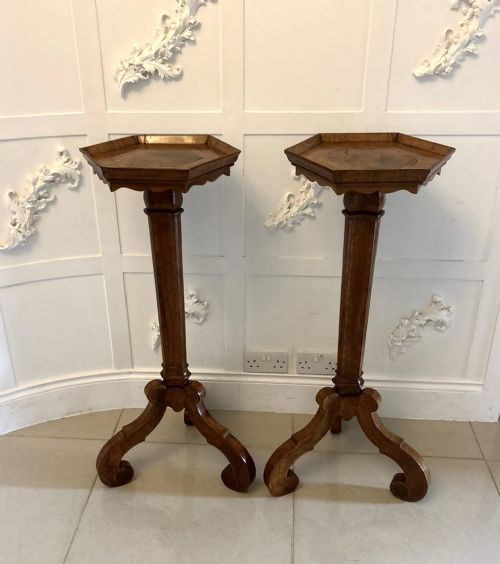
- A tall stand designed to hold a candelabrum or lamp. 18th-century examples often feature carved pedestals.
- Parcel-gilt
- Partially gilded with gold leaf or powder. This technique highlights specific carved details against the dark walnut ground.
Antique Walnut Carving: Frequently Asked Questions
How do I clean antique walnut furniture?
Dust the surfaces regularly with a soft, dry cloth to prevent dirt accumulation. Avoid modern silicone sprays and instead apply a quality beeswax sparingly to nourish the timber.
Keep the pieces away from direct sunlight and strong heat sources to prevent the walnut veneer from drying out and cracking over time.
What is burr walnut?
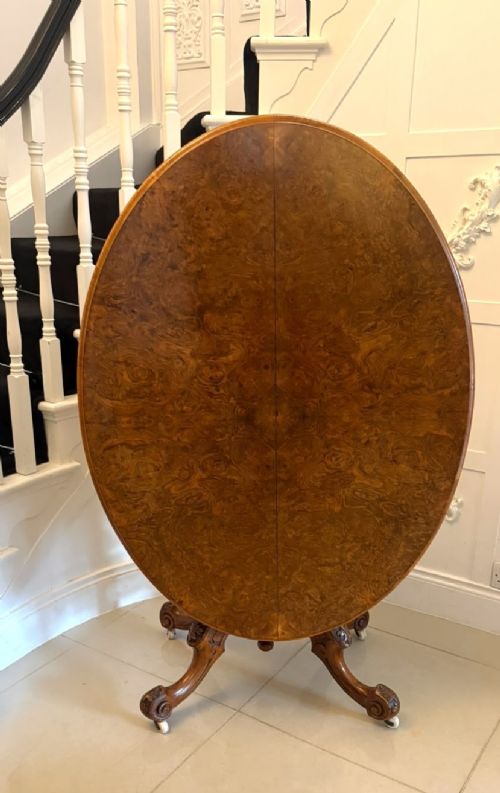
Burr walnut comes from a growth deformity on the walnut tree, resulting in timber filled with intricate swirling knots and eyes. Cabinet makers sliced this wood into thin veneers for decorative surfaces.
Because of its striking visual texture, burr walnut was reserved for the finest Victorian and Edwardian tables, cabinets, and desks.
Are these pieces made of solid walnut?
Many smaller items and carved elements utilise solid walnut, but large flat surfaces like tabletops and wardrobe doors generally employ veneers over a stable secondary wood. This technique prevented warping while displaying decorative grain patterns.
Checking the edges and interior construction reveals whether the timber is solid or veneered.
How do I date a carved walnut table?
Examine the construction methods, leg styles, and secondary timbers used beneath the surface. Characteristics such as tilt-top mechanisms, stretcher bars, and specific revival styles offer strong clues to the decade of manufacture.
Compare the sharpness and style of the carving against documented examples from Victorian, Georgian, and earlier periods.