

Antique Walnut Bracket Feet
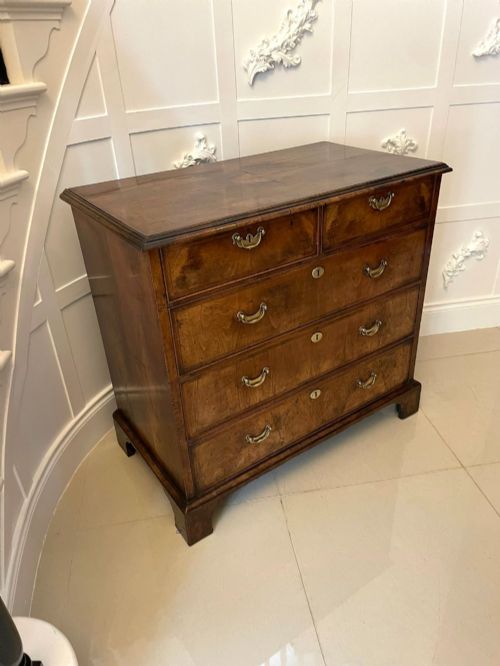
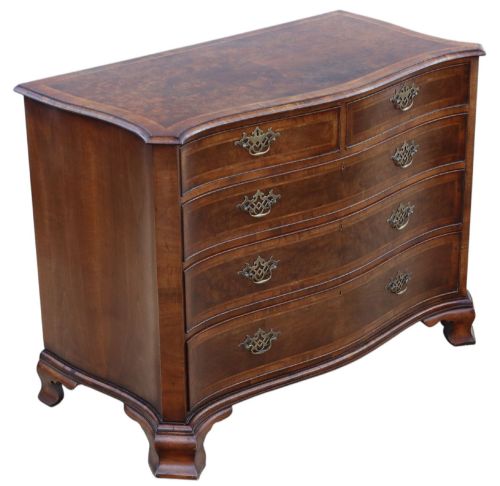
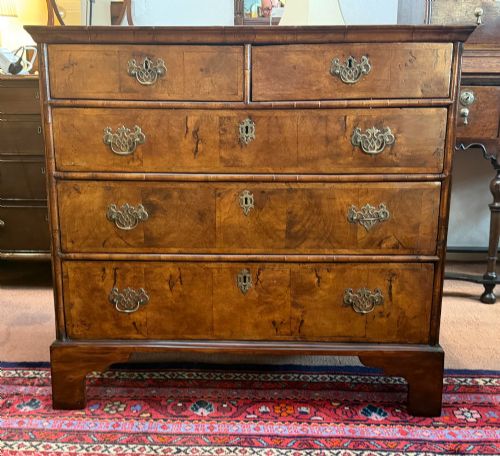
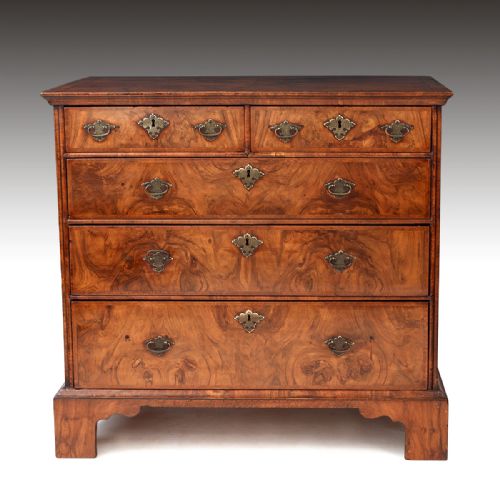
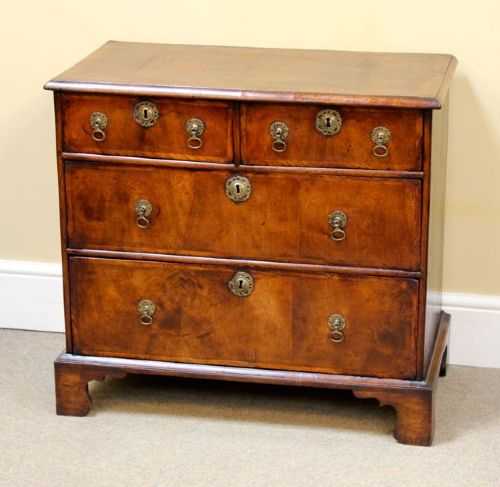
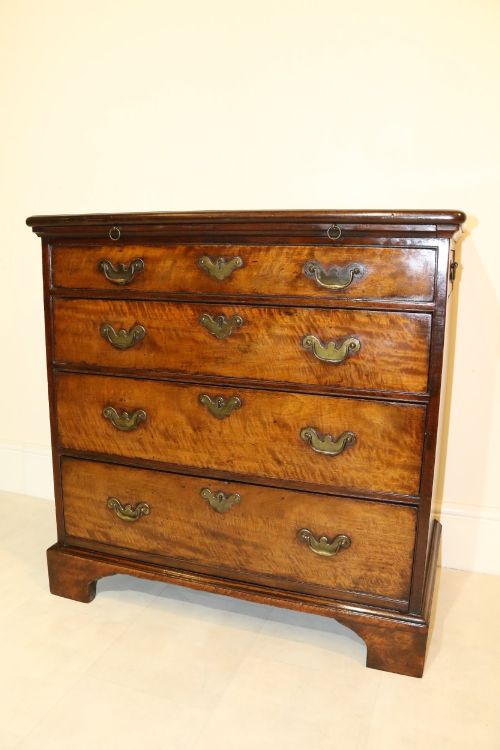
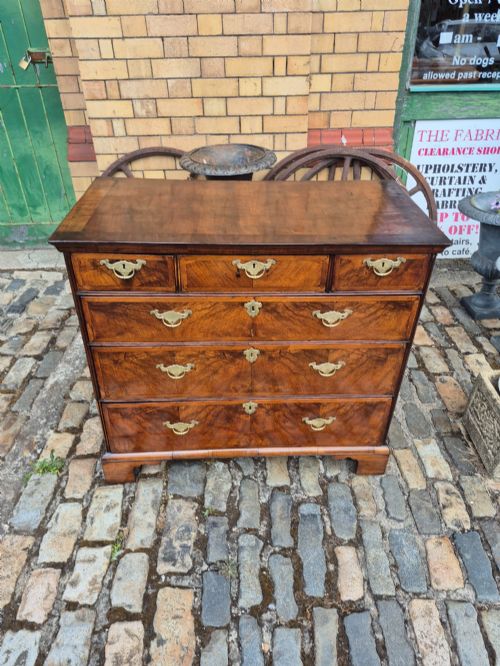
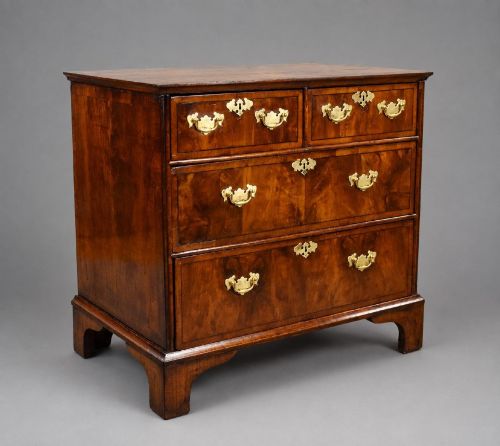
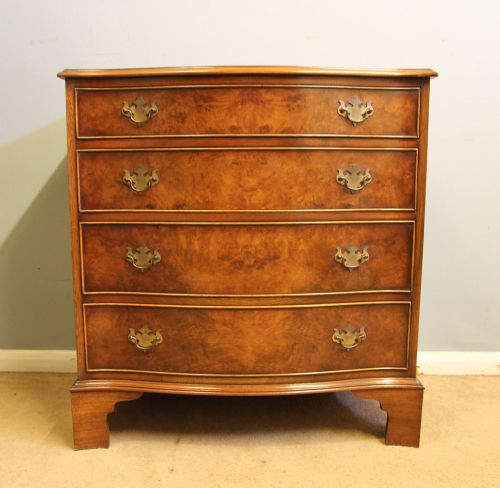
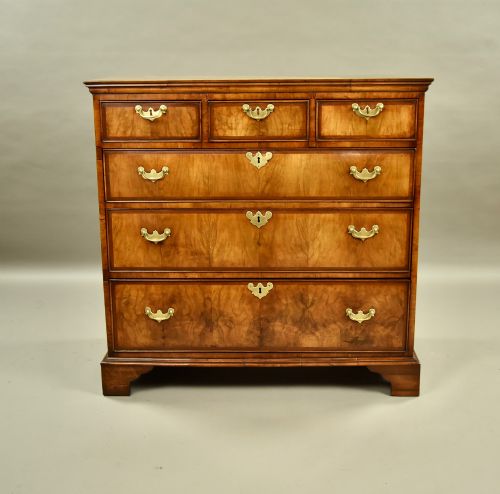
Antique walnut bracket feet anchor chest of drawers, desks, and cupboards from the Georgian and earlier periods, providing solid support and understated linear balance.
Antique Walnut Bracket Feet
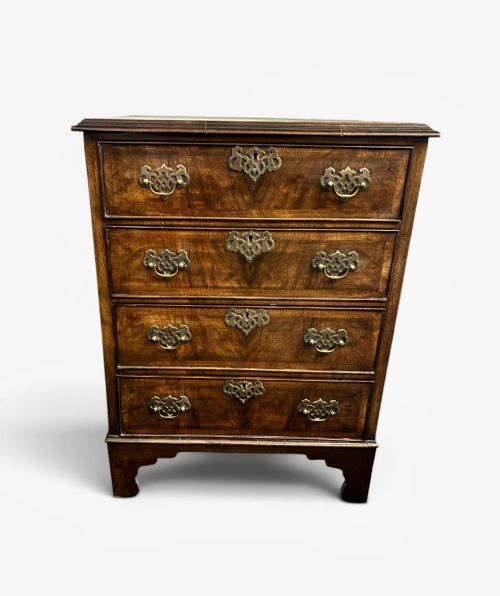
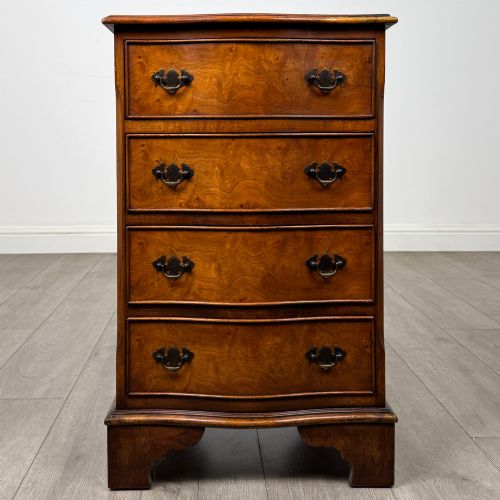
When searching for antique walnut bracket feet, you are looking at pieces of furniture where the base rests upon joined corner supports rather than legs or a plinth. These supports typically feature a simple bracket profile that raises the carcase slightly off the floor while maintaining a stable, grounded stance.
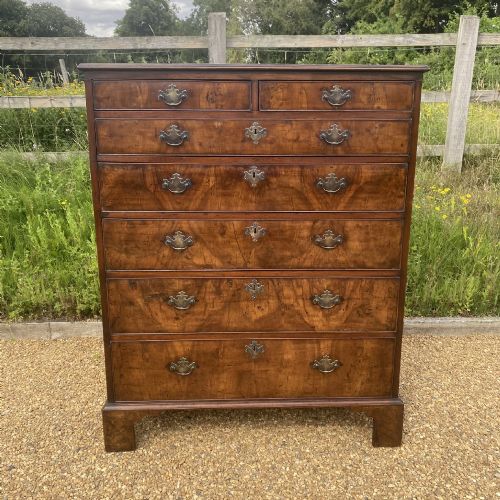
The most common forms you will encounter on this page are chests of drawers, desks, and kneehole desks originating from the 18th century, alongside later revival pieces. These items span periods from William and Mary through to George III, capturing the transition of cabinet-making styles across successive reigns.
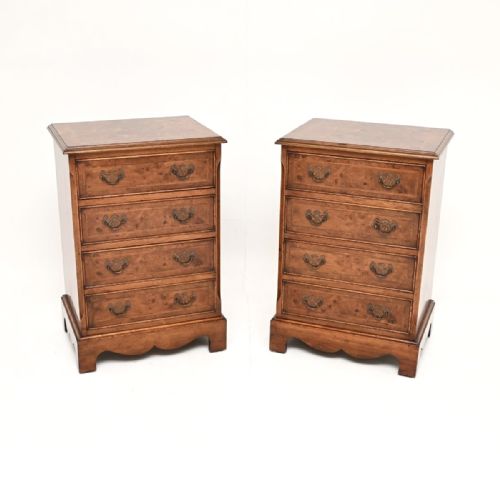
Smaller formats such as miniature chests and bedside tables also appear, showing how cabinet-makers applied these architectural foot designs to objects of varying proportions. Walnut remains the unifying medium, whether expressed through plain timber, burr veneers, or fiddleback figure.
Materials and Construction
Cabinet-makers constructed these pieces primarily using solid walnut, oak, and pine, often applying figured walnut or burr walnut veneers to primary surfaces. Secondary timbers like oak appeared frequently in drawer linings and carcase frames to provide structural rigidity.
Bracket feet themselves were typically mitred at the corners and reinforced with internal gluing blocks to withstand the weight of heavy timber carcases. Brass handles and escutcheons complemented the dark tones of the wood, fastening through the drawer fronts with pins or threaded posts.
Some miniature chests were made by apprentices to prove their skill before joining the guild.
Factors That Separate the Best Examples
Quality rests heavily on the selection of timber figure, such as highly patterned burr walnut or fiddleback grain, paired with symmetrical veneer matching across the drawer fronts. Pieces that retain their original timber and undisturbed bracket feet command greater appreciation than those with extensive timber replacement.
The crispness of the mitres and the integrity of the internal corner blocks on the bracket feet indicate the original maker's skill. Proportions that feel balanced and harmonious, particularly in small or miniature chests, distinguish superior items from standard utilitarian production.
The Antique Walnut Bracket Feet Glossary
- Bracket foot
- A corner foot shaped like a bracket, supporting a piece of furniture with a clean, mitred profile. It lifts the carcase modestly above the floor.
- Burr walnut
- Timber taken from a walnut tree growth or burl, yielding a swirling, highly decorative grain pattern. It was widely used for fine cabinet veneers.
- Kneehole desk
- A writing table featuring a central recess for the sitter's knees, flanked by banks of small drawers. These desks frequently stand upon bracket feet.
- Tallboy
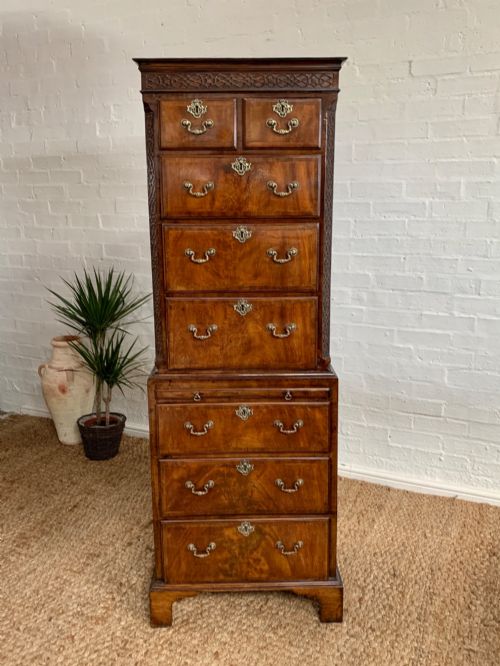
- A tall chest of drawers consisting of two sections stacked one upon the other. They often incorporate bracket feet to stabilise their elevated height.
- Fiddleback walnut
- Timber with a fine, undulating grain resembling the back of a violin. This figure appears in select 18th-century desks and chests.
Antique Walnut Bracket Feet: Frequently Asked Questions
What is a bracket foot on a chest?
A bracket foot is a corner support formed by two pieces of wood mitred together at a right angle. It provides a stable, architectural base without the need for protruding legs.
These supports appear on many 18th-century chests of drawers and desks, keeping the main carcase close to the floor while preventing dampness and uneven wear.
How do I identify a George I walnut chest?
George I walnut furniture often displays rich grain patterns, herringbone stringing, and crossbanded borders on the drawer fronts. The wood tone tends to be warm and deep.
Look for original brass hardware and well-formed bracket feet that match the period's preference for restrained, elegant proportions.
Are walnut kneehole desks rare?
Walnut kneehole desks from the early 18th century are sought after by collectors for their compact size and complex interior drawer arrangements. They represent a high standard of period cabinet-making.
These desks typically feature a recessed cupboard flanked by small drawers, all resting on neat bracket feet.
How should I care for antique walnut furniture?
Keep antique walnut away from direct sunlight and heat sources to prevent the burr veneers from drying out and lifting. Maintain a stable indoor environment.
Apply a traditional wax polish sparingly to nourish the timber and preserve the natural lustre of the aged surface.