

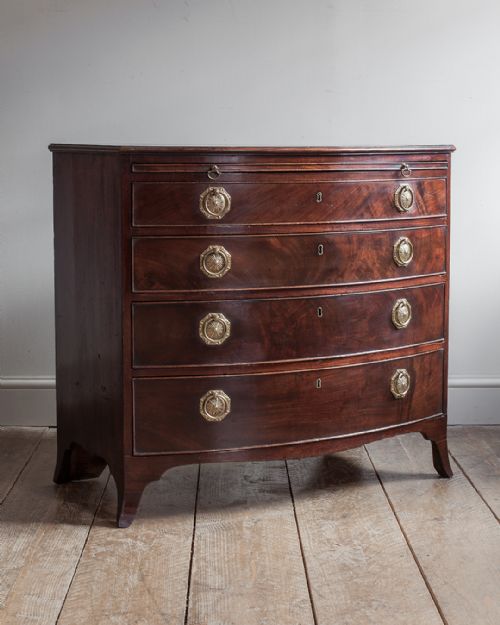
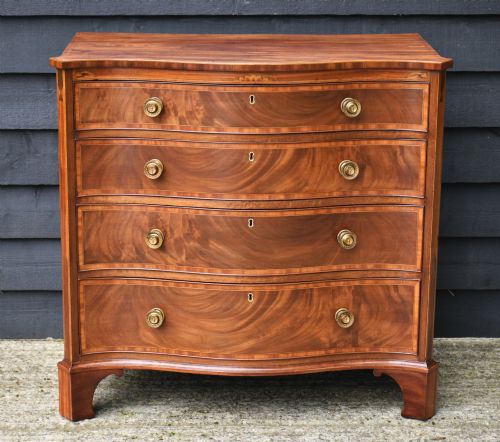
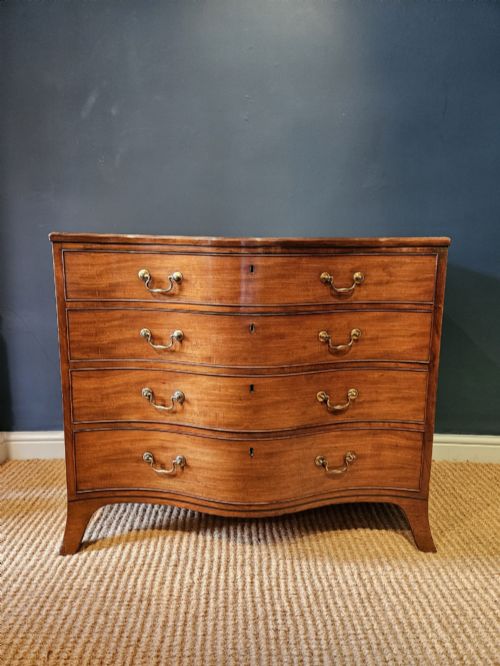
18th Century Bedroom Chest
An 18th century bedroom chest offers timeless storage, uniting period character and practical depth for modern interiors.
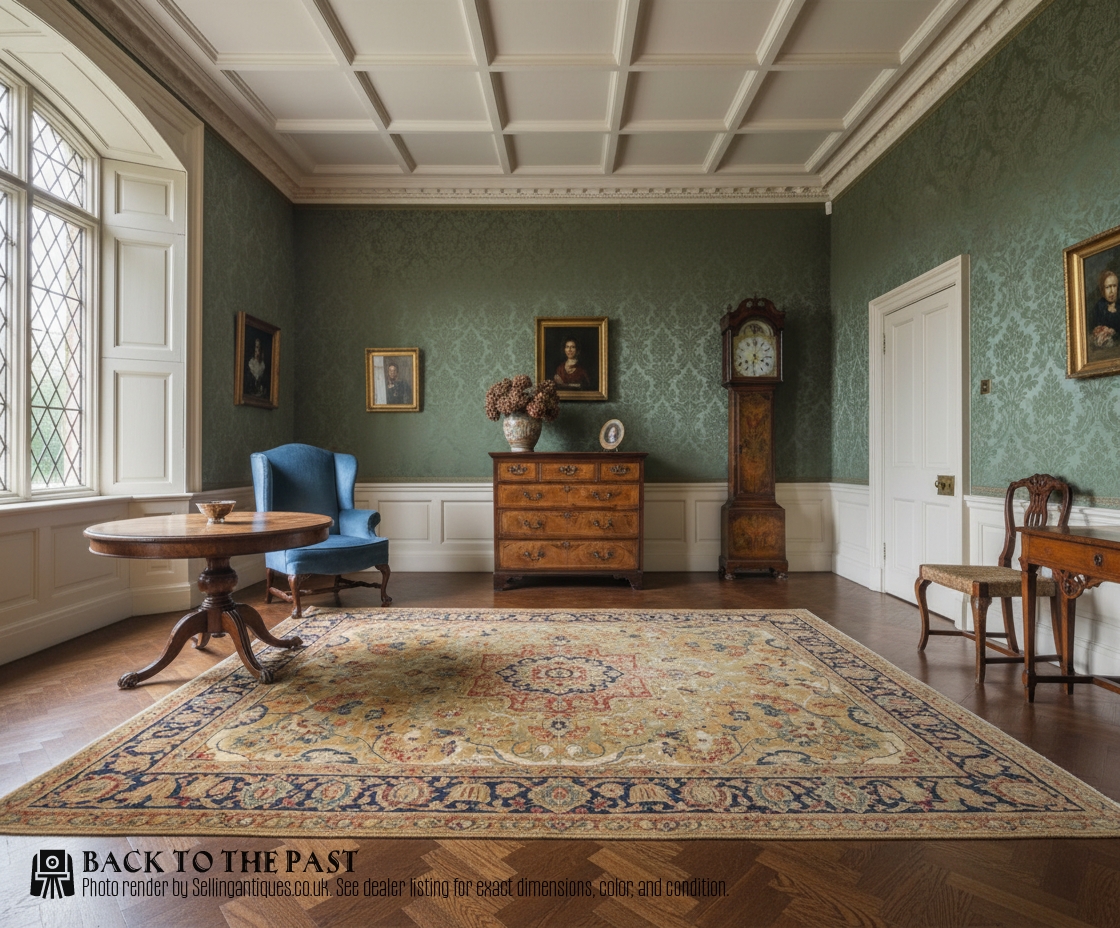
18th Century Bedroom Chest
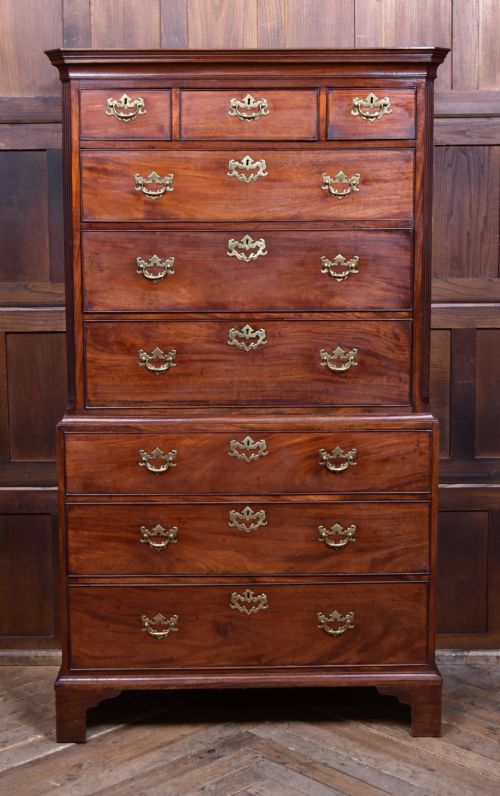
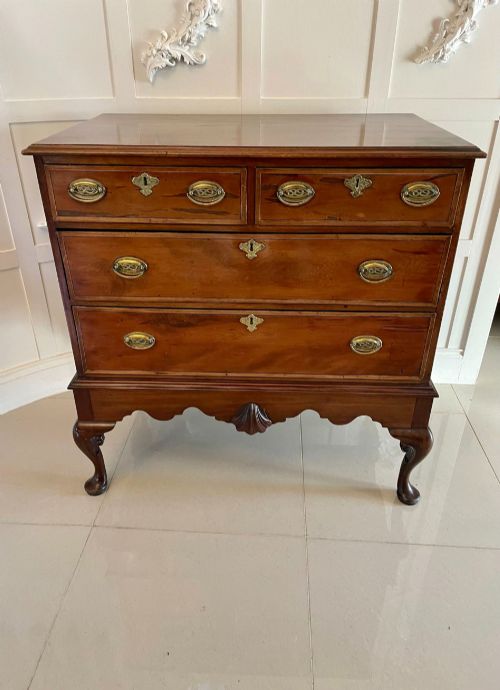
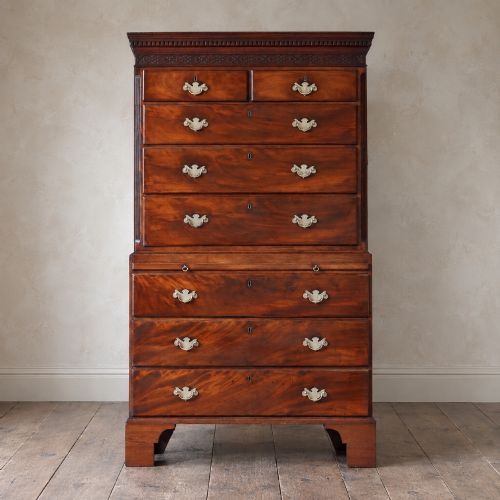
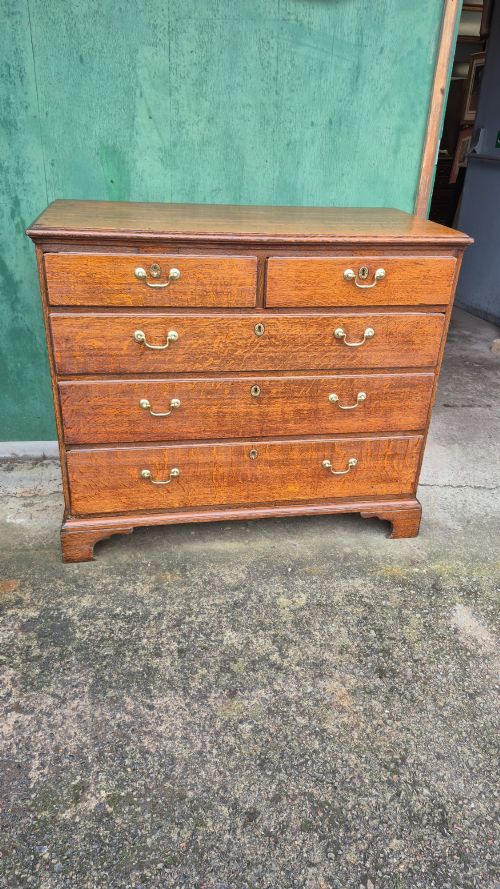
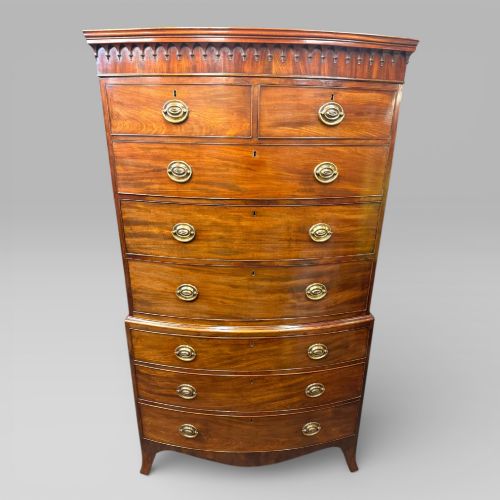
When you search for an 18th century bedroom chest, you encounter sturdy utilitarian storage pieces built primarily during the Georgian, Queen Anne, and George III periods. These items range from modest oak four-drawer chests to grand walnut or mahogany chest on chest designs and tallboys.
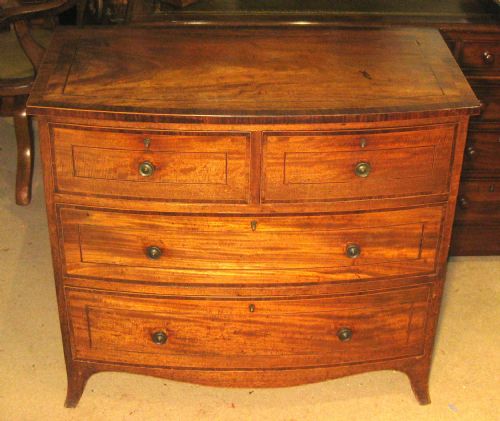
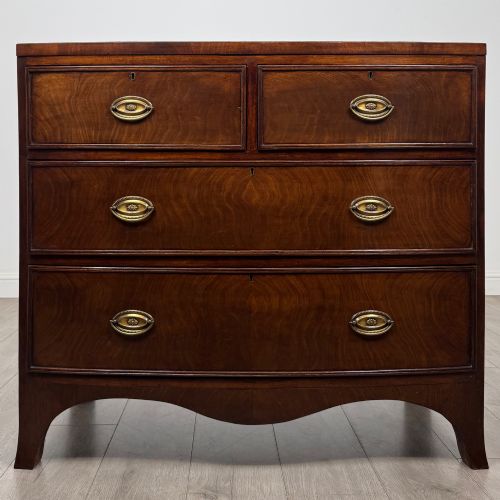
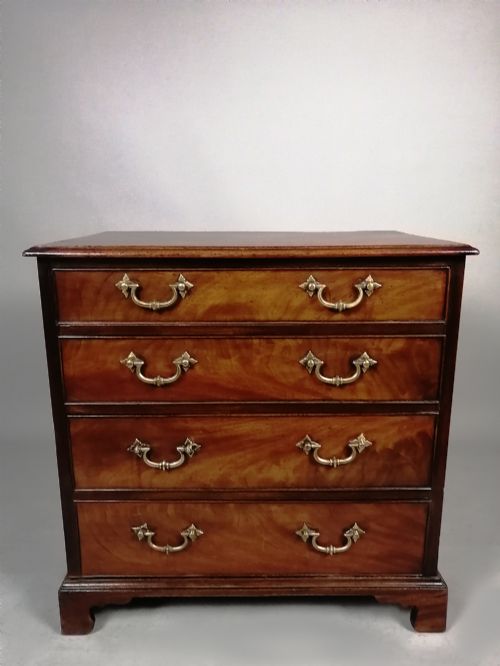
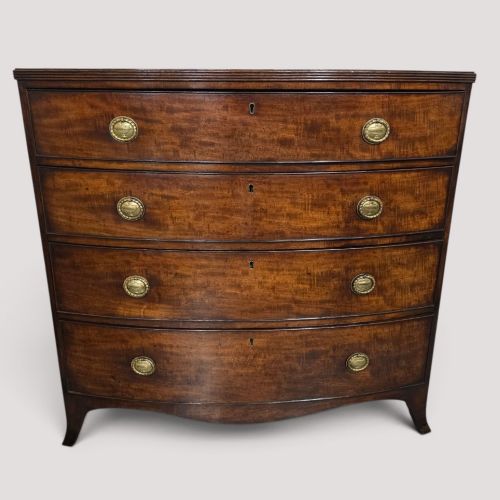
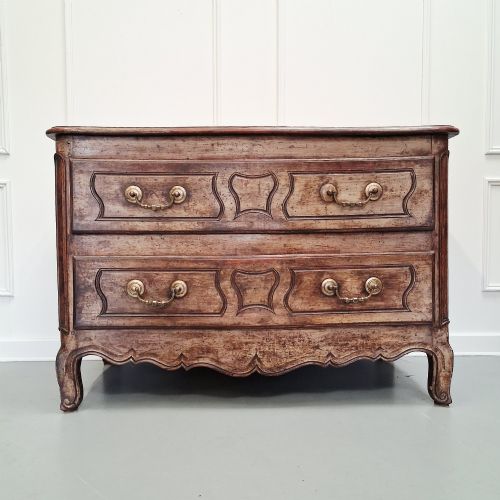
The version you meet most frequently on this page is the Georgian mahogany chest of drawers, often featuring brass handles and a proportion suited to domestic sleeping quarters. Oak and walnut examples also appear regularly alongside French provincial commodes and occasional gentlemens wardrobes.
Makers of this era constructed these pieces to serve daily domestic needs with deep drawers and compartments. Surviving examples demonstrate the evolution of domestic furniture from early solid oak forms to sophisticated veneered designs.
Materials and Construction
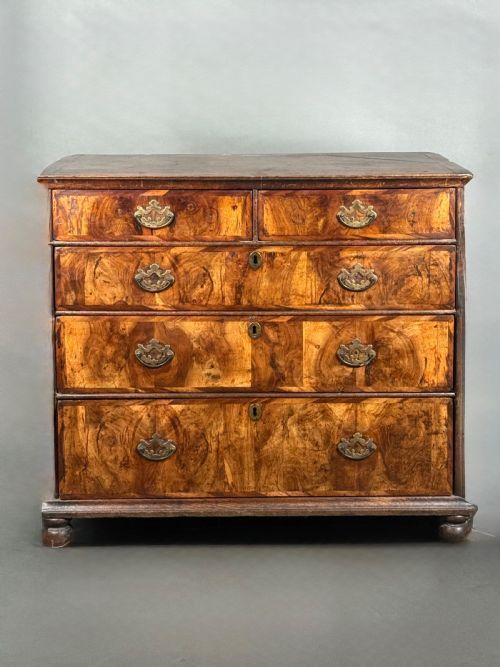
Cabinet makers relied on hardwoods such as mahogany, oak, and walnut, frequently selecting figured veneers and burr walnut to create decorative surfaces on drawer fronts and top boards. Crossbanding in contrasting timbers added refined borders to drawer edges.
Joinery techniques involved hand-cut dovetails for drawer construction and sturdy frame designs that maintained structural integrity over centuries. Brass drop handles and escutcheons secured with traditional pins completed the hardware.
Listings span the Georgian, Queen Anne, and Edwardian periods, utilising mahogany, oak, walnut, burr walnut, and pine.
Assessing Quality and Execution
Quality rests in the selection of timber veneers and the crispness of the hand-cut dovetailing inside the drawers. Pieces with well-matched wood grain and original brass hardware retain a superior visual coherence.
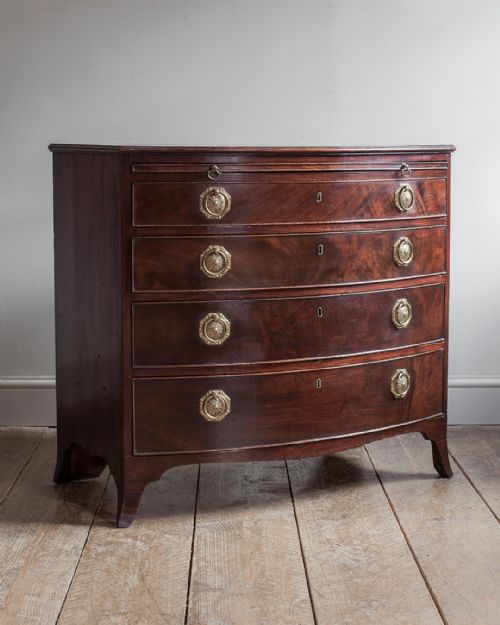
Proportion and form dictate the upper tier of examples, particularly serpentine or oxbow fronts that demand advanced woodworking skill. Simpler oak or pine versions reflect utilitarian origins rather than master cabinet making.
J Moorcroft
The 18th Century Bedroom Chest Glossary
- Chest on chest
- A tall storage unit comprising one chest stacked directly upon a slightly larger lower section, sometimes called a tallboy.
- Brushing slide
- A pull-out shelf integrated above the top drawers, historically used for folding clothes or writing.
- Serpentine
- A front profile curving outward in the centre and inward at the sides in a gentle wave shape.
- Dovetail
- An interlocking joint formed by wedge-shaped fingers, essential for durable drawer construction.
- Crossbanding
- A narrow strip of veneer laid across the grain pattern around the perimeter of a drawer front or tabletop.
18th Century Bedroom Chest: Frequently Asked Questions
What is a tallboy chest?
A tallboy is a vertical storage piece, typically built as a chest on chest, offering substantial drawer capacity within a compact floor footprint.
These pieces rose in popularity during the Georgian era to maximise bedroom storage without expanding outward.
How do I spot a brushing slide?
Look for a thin wooden ledge positioned immediately beneath the top surface moulding of the chest. Pulling this forward reveals a flat surface originally used for folding garments.
Not all chests feature this addition, as it typically appeared on higher-status mahogany and walnut examples.
Are these chests suitable for modern bedrooms?
These pieces provide deep, functional drawers that easily accommodate modern clothing and household linens. Their traditional heights and proportions allow them to function effectively as dressers or bedside storage.
Placing them in contemporary spaces introduces natural timber textures and historical depth.
How do walnut and mahogany pieces differ?
Walnut items generally date from the earlier part of the period, featuring warm tones and highly figured burr patterns. Mahogany grew popular later in the century, offering a denser, darker reddish-brown surface.
Both timbers respond well to traditional wax polishing.