

Antique Walnut Armchairs
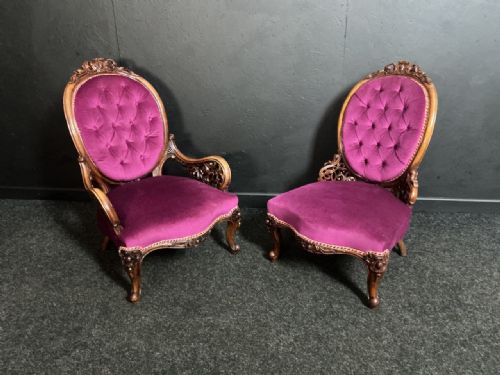
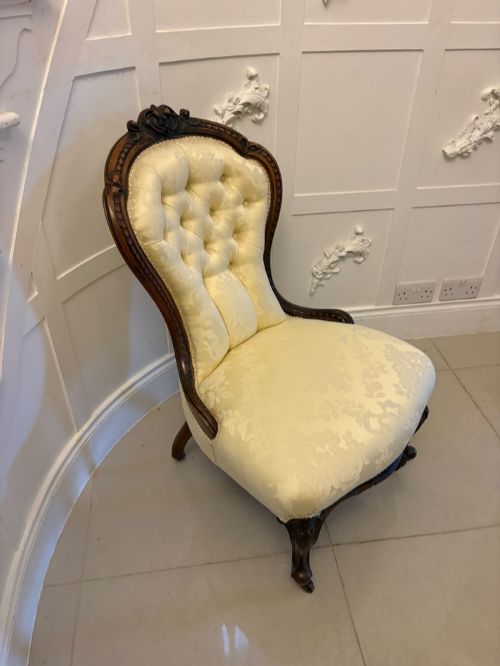
These antique walnut armchairs combine rich timber frames with tactile upholstery, offering both substance and style for domestic spaces.
Antique Walnut Armchairs
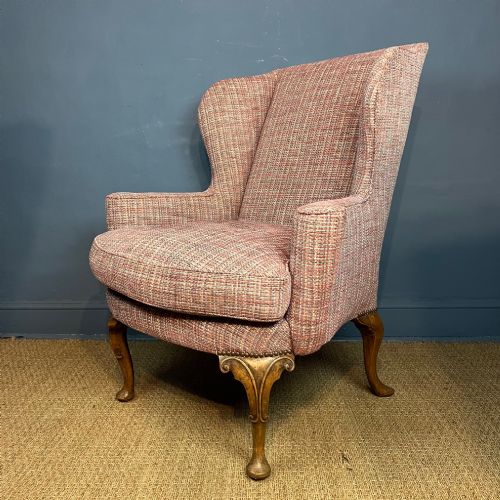
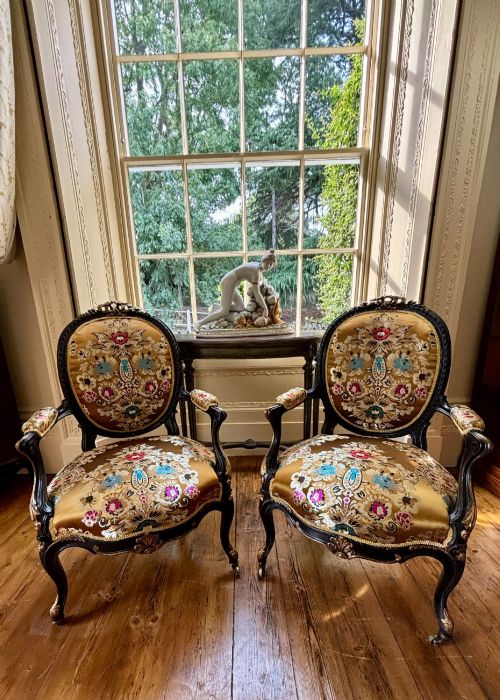
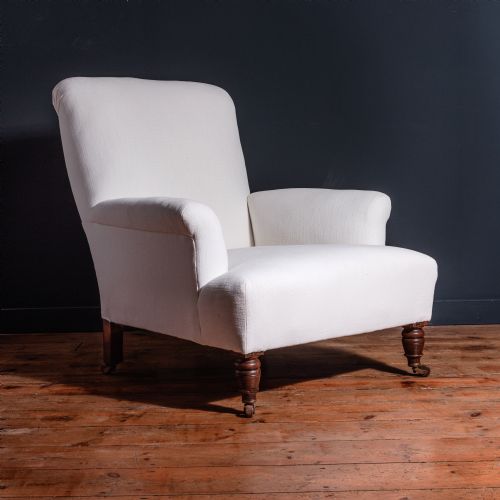
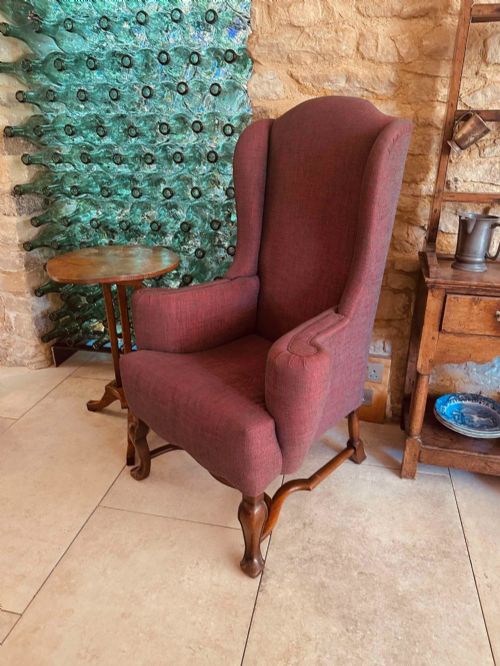
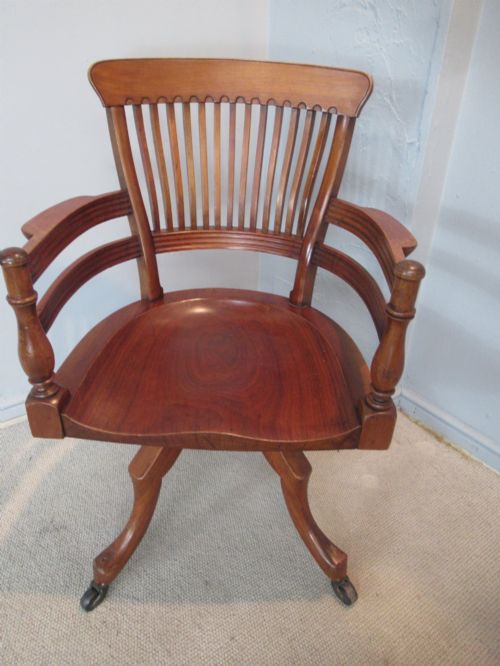
Antique walnut armchairs span centuries of design, covering formal 17th-century Italian Baroque seating, English country house styles, and mid-18th-century French armchairs. Buyers find diverse formats here, from large wing chairs and library seating to revolving desk chairs and salon suites.
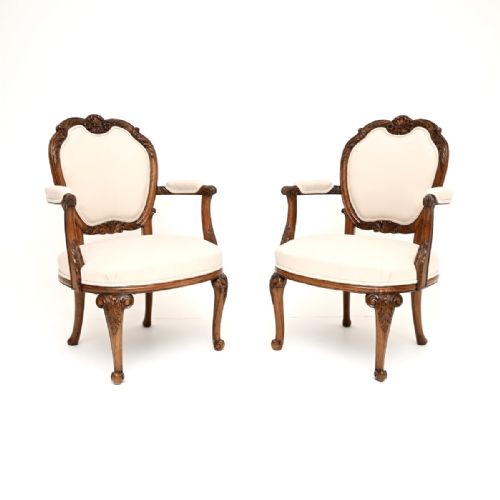
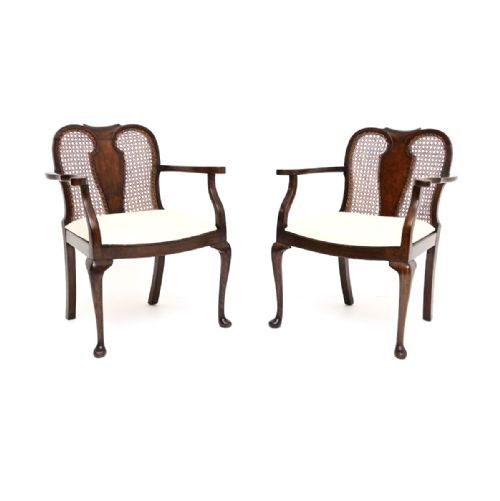
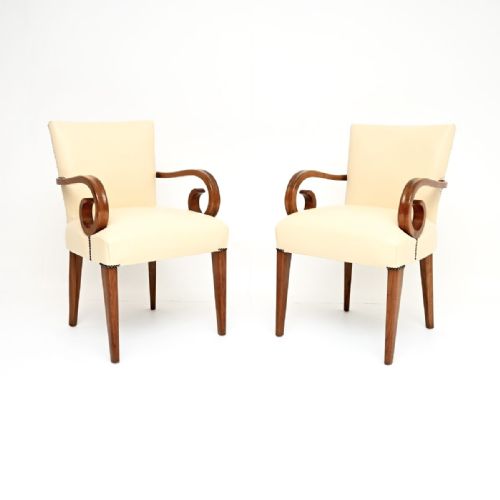
The 19th century and the early decades of the 20th century supply many options, including Victorian dining sets, Art Deco designs, and cane-backed bergere chairs. Continental pieces appear alongside English country house iterations, demonstrating wide regional variation in frame shaping and carving.
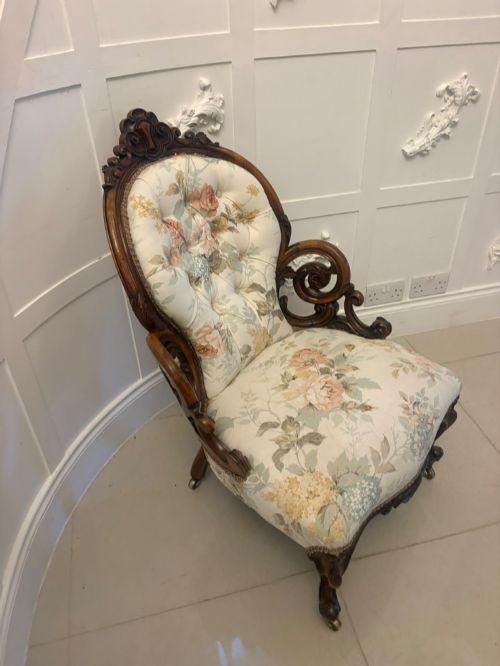
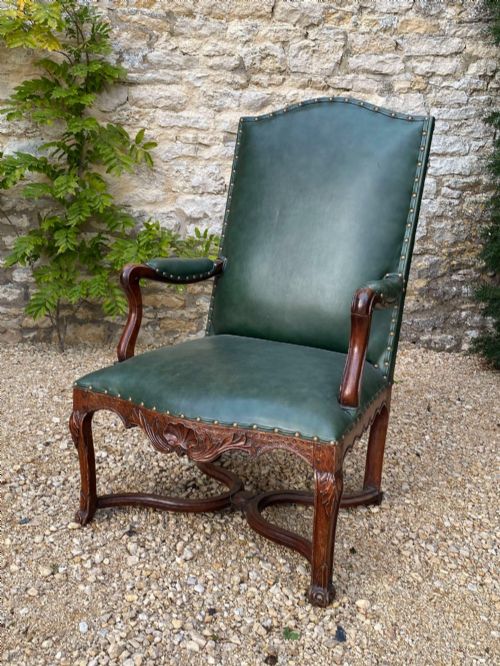
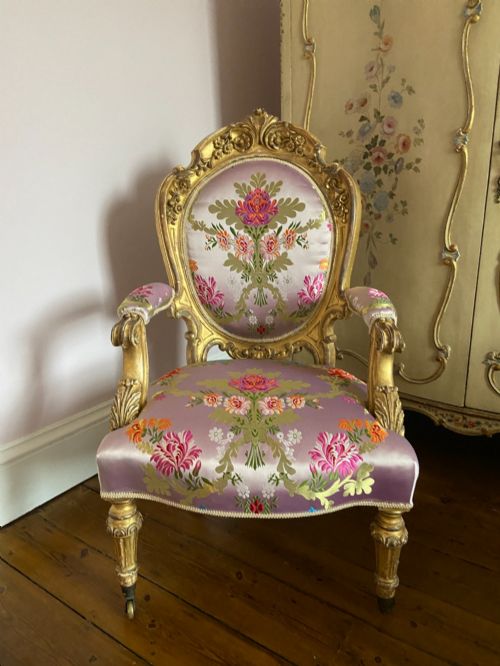
Domestic seating takes multiple functional forms within this selection, ranging from occasional bedroom chairs to high-backed audience chairs and revolving desk chairs. Walnut frames unite these objects, whether upholstered in leather, tapestry, silk, or fitted with split cane panels.
Design and execution
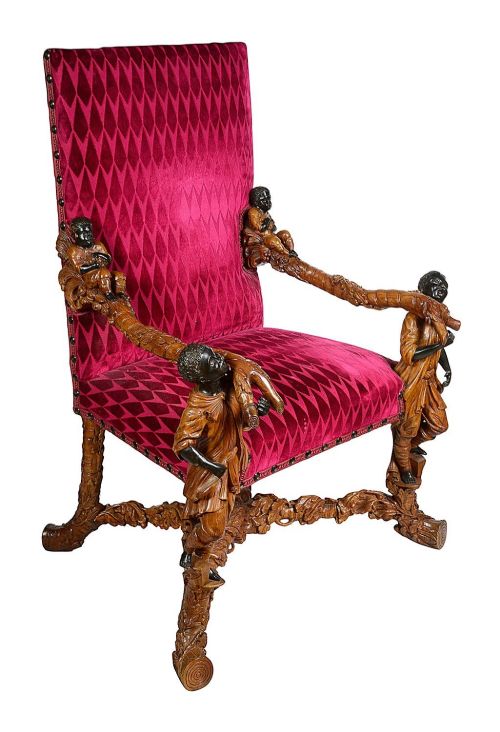
Execution of carved detail dictates much of the distinction between standard production and exhibition quality pieces, such as those after Andrea Brustolon. Crispness in scrollwork, proportions of arms and legs, and the integration of auxiliary materials like gilt wood separate simpler forms from ambitious artisan output.
Condition of the walnut timber and the integrity of applied textiles or cane work influence the character of each seat. Original upholstery fabrics, such as historical tapestry or specialist silk, contrast with later textiles applied during domestic restoration.
Antique Walnut Armchairs Retail Price Guide 2026
Typical asking prices for walnut armchairs among the pieces listed under this phrase on Sellingantiques today, from the lower quarter to the upper quarter. They describe what is for sale here now, not the wider market.
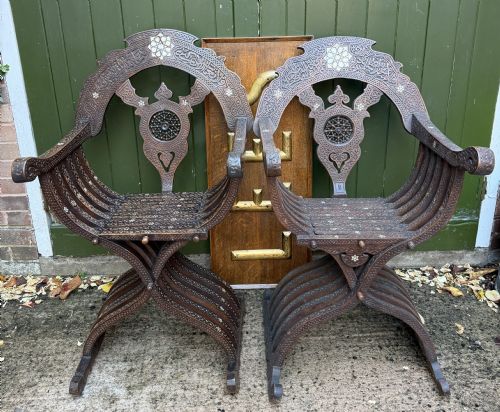
One chair bears mother-of-pearl inlay from around 1900, proving Victorian builders liked a bit of middle-eastern shimmer.
Howard and Sons·Andrea Brustolon·Colefax and Fowler
The Antique Walnut Armchairs Glossary
- Bergere
- An enclosed upholstered armchair with wooden framing exposed around the sides and back. It frequently incorporates cane work panels into the design.
- Baroque
- A flamboyant 17th-century stylistic period characterised by dynamic carving, parcel-gilt surfaces, and grand proportions. Italian examples demonstrate this ornate approach.
- Cane
- Plant material woven into open mesh panels for chair seats and backs. Split cane offers a lightweight alternative to solid wood or upholstered padding.
- Wing armchair
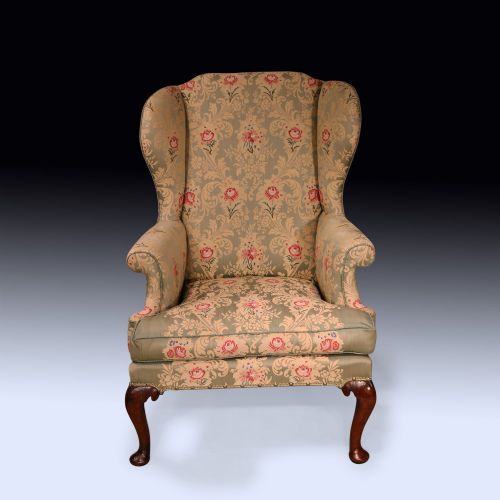
- A high-backed seat featuring protective side panels designed to deflect draughts. These chairs appear across 18th and 19th-century English and French traditions.
- Salon suite
- A coordinated set of seating furniture intended for formal reception rooms. These collections include matching armchairs, occasional chairs, and sofas.
Antique Walnut Armchairs: Frequently Asked Questions
How do I identify a 17th-century walnut armchair?
Seventeenth-century pieces typically display robust turned legs, high panelled or cane backs, and darker, dense walnut timber with visible grain. Carved arm supports and stretcher rails connecting the legs also signal this early period.
Makers of this era employed joinery techniques that pre-date modern industrial fasteners. Examining the underside and joints reveals hand-cut tenons and pegs.
What is a bergere armchair?
A bergere is a French-style armchair featuring an upholstered seat and enclosed sides where the wooden frame remains visible. They often utilise cane panels or loose squab cushions.
Originating in France during earlier monarchies, these chairs continued to influence 19th and 20th-century reproductions and adaptations across Europe.
Where should I place an antique walnut armchair?
These armchairs suit studies, libraries, and drawing rooms, where their wood tones complement traditional wooden furniture and architectural panelling. Library and desk chairs function practically in workspaces.
Avoid placing antique timber and textiles in direct sunlight or beside intense heat sources to prevent the wood from splitting and the fabrics from fading.
How do I care for walnut furniture frames?
Maintain the timber by dusting with a soft cloth and occasionally applying appropriate furniture wax to nourish the grain. Keep moisture away from both the wood and any surrounding upholstery.
Leather and fabric upholstery require separate maintenance depending on the textile. Professional cleaning preserves delicate silks and tapestries.