






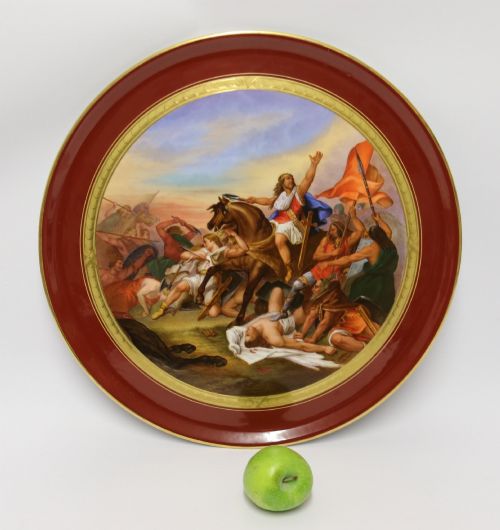
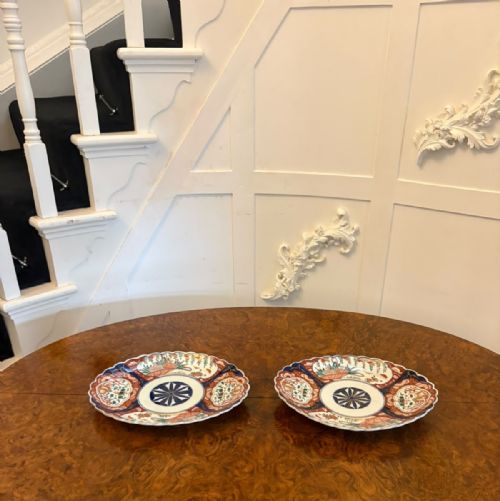
Antique Wall Platter
An antique wall platter brings centuries of decorative scale and fired glaze to a room.
Antique Wall Platter
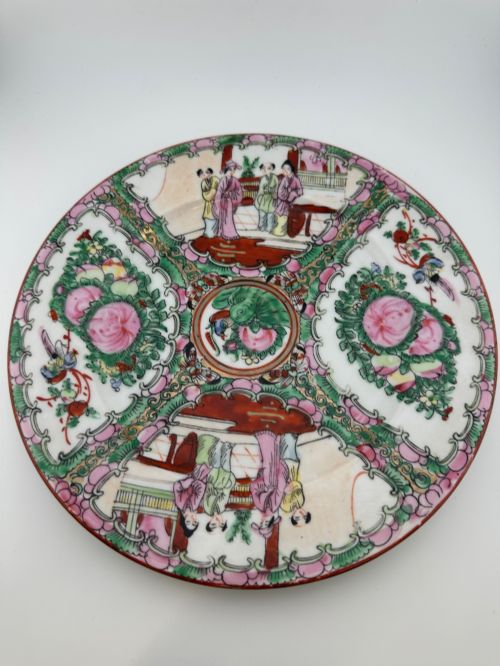
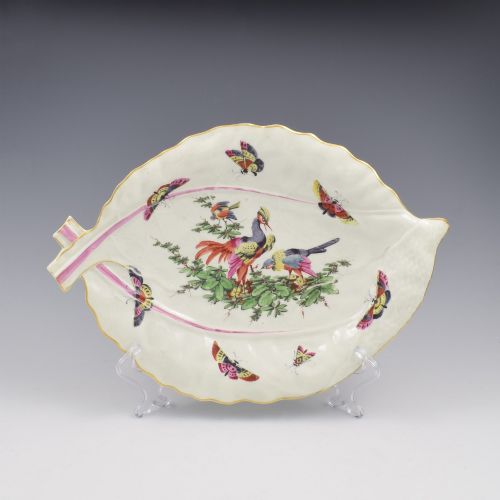
When you search for an antique wall platter, you encounter large display vessels originally made for presentation rather than dining. These pieces include tin-glazed earthenware chargers from Delft, Japanese Imari porcelain chargers, and engraved metal trays from Cairo.
The most common examples on this page date from the seventeenth century through to the early twentieth century, spanning English and Continental earthenware, Asian porcelain, and mixed metal wares.
Forms vary from broad circular dishes to lobed and square plates, designed with integral foot rings or pierced rims for hanging.
Materials and construction
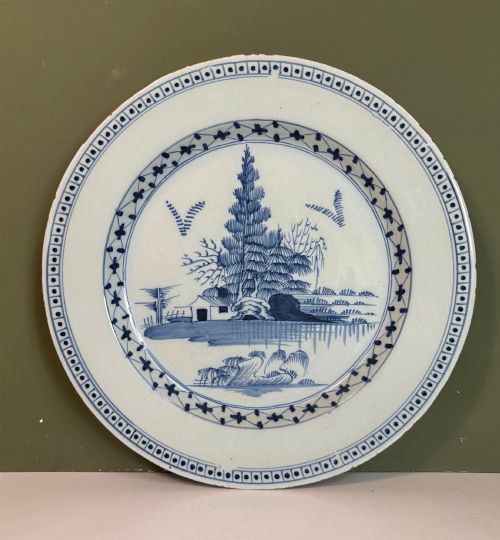
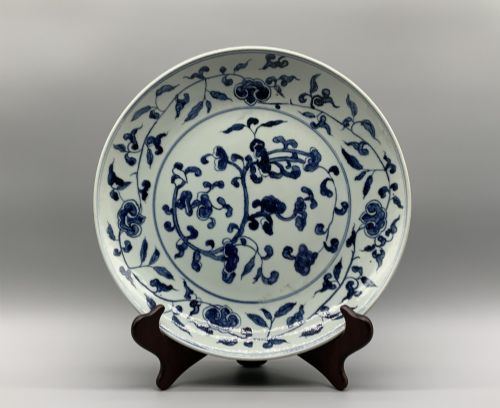
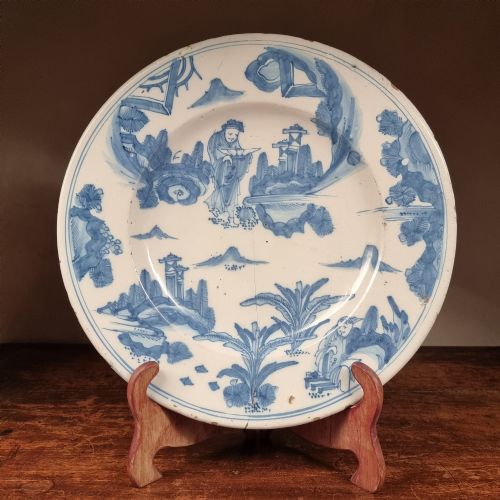
Pottery examples rely on tin-glazed earthenware, porcelain, and ironstone, shaped on the wheel or pressed into moulds before receiving cobalt blue or polychrome painted decoration under the glaze.
Metal chargers utilise brass, copper, and pewter, often decorated through repoussé work, hand engraving, or silver inlay techniques.
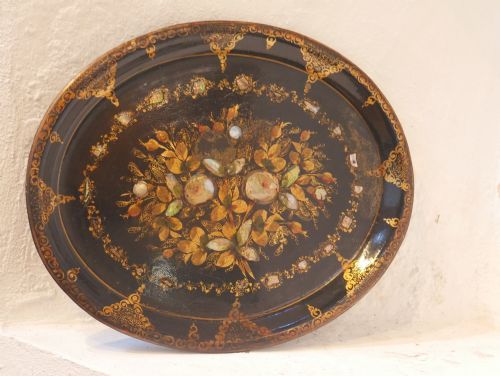
Wood and papier-mâché pieces involve lacquered surfaces, mother-of-pearl inlay, or japanned finishes built up in successive layers.
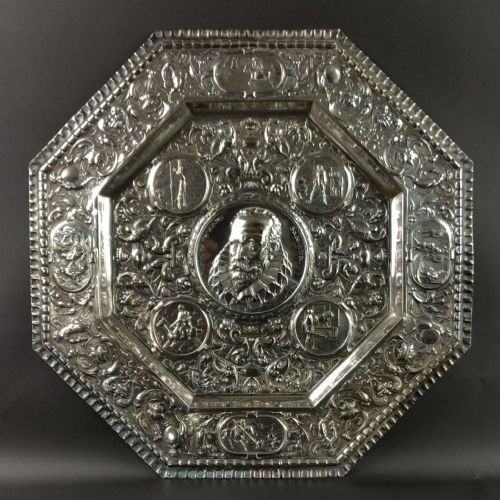
Several copper chargers preserve the stern likenesses of historical figures like Henry IV, watching over the room from the wall.
Judging quality in wall platters
Quality rests in the crispness of the hand-painted brushwork or the depth of the metal repoussé and engraving, where confident execution distinguishes the work.
The stability of the material and the preservation of the original glaze, lacquer, or inlay surface determine the physical integrity of the piece.
John Davenport of Longport·Samuel Smith
The Antique Wall Platter Glossary
- Charger
- A large decorative plate intended for display on a wall or sideboard rather than practical table service. These substantial dishes command visual attention through their generous diameter.
- Tin-Glazed Earthenware
- Pottery covered in an opaque white glaze containing tin oxide, providing a smooth white ground for painted decoration. This technique defines traditional Delftware.
- Cloisonné
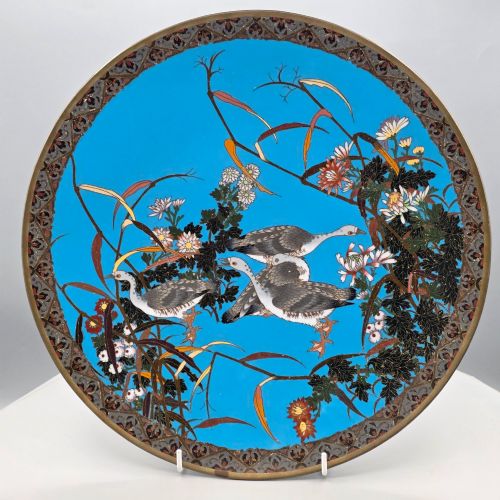
- Metalwork technique where thin wire partitions create compartments on a surface, which are then filled with enamel paste and fired. Japanese examples often depict birds and flowers.
- Repoussé
- Metalworking method where the artisan hammers a design from the reverse side to form a raised relief on the front. This creates tactile portraits and scrollwork on copper and brass.
- Cairo Ware
- Brass or copper vessels featuring intricate silver and copper inlay work produced in Egypt during the late nineteenth century. These pieces display dense Islamic geometric and calligraphic motifs.
Antique Wall Platter: Frequently Asked Questions
How do I hang a heavy antique wall platter safely?
Most antique metal and ceramic chargers require specialised wall fixings distributed evenly beneath the rim or base. Ensure any wire or spring hanger utilises coated grips to prevent scratching the glaze or metal.
Verify that the wall anchor secures directly into solid masonry or studwork to support the considerable weight of large porcelain and brass pieces.
How do I distinguish English Delftware from Dutch Delftware?
English and Dutch tin-glazed earthenware share similar blue and white palettes, but subtle differences in the clay body and glaze composition offer clues. English bodies often appear slightly coarser under the unglazed foot ring.
Motifs on Dutch pieces frequently reflect Chinese Kangxi porcelain influences, while English workshops often adapted these designs with local interpretations.
What is Cairo Ware?
Cairo Ware refers to nineteenth-century Islamic metalwork, typically made from brass and engraved with elaborate geometric patterns. Artisans then hammered silver and copper wire into the incised lines.
These decorative trays and chargers became popular during the Grand Tour period, appealing to collectors seeking Middle Eastern craftsmanship.
How do I care for antique lacquer and papier-mâché platters?
Keep organic trays and papier-mâché pieces away from direct sunlight and high humidity to prevent the lacquer from cracking or warping. Dust gently with a dry, soft cloth without applying liquid polishes.
Maintain stable indoor temperatures to protect the delicate wooden foundations and mother-of-pearl inlays from environmental stress.