
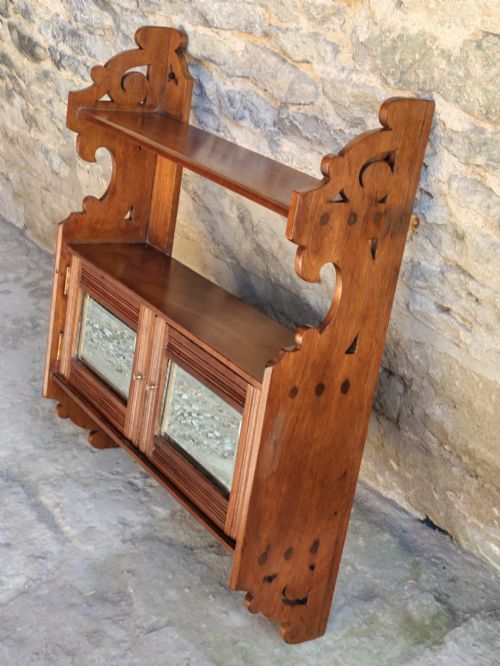

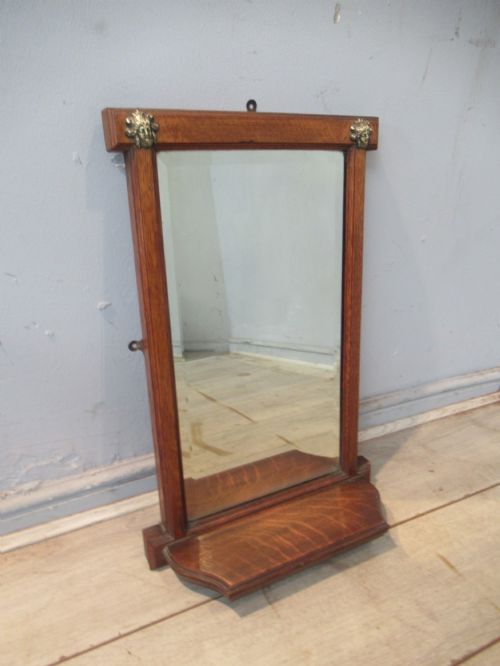


Antique Wall Mounted Mirrors
These antique wall mounted mirrors bring depth and historic character to a room, offering practical reflection alongside period craftsmanship.
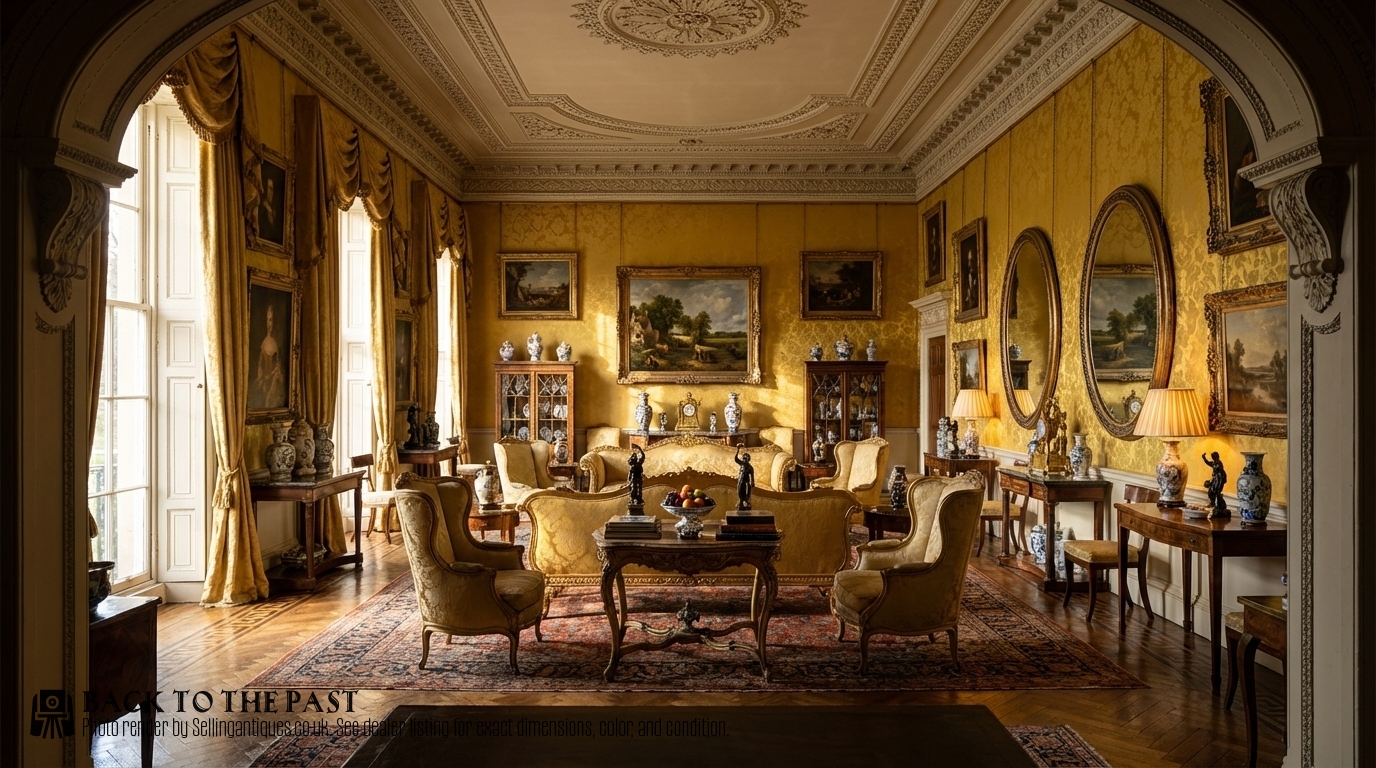
Antique Wall Mounted Mirrors
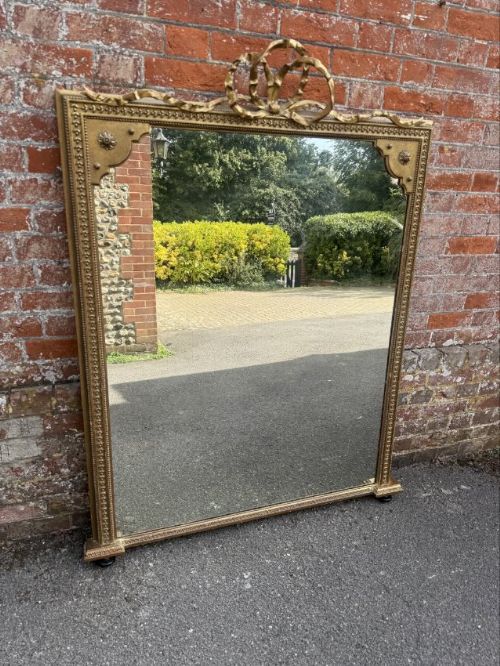
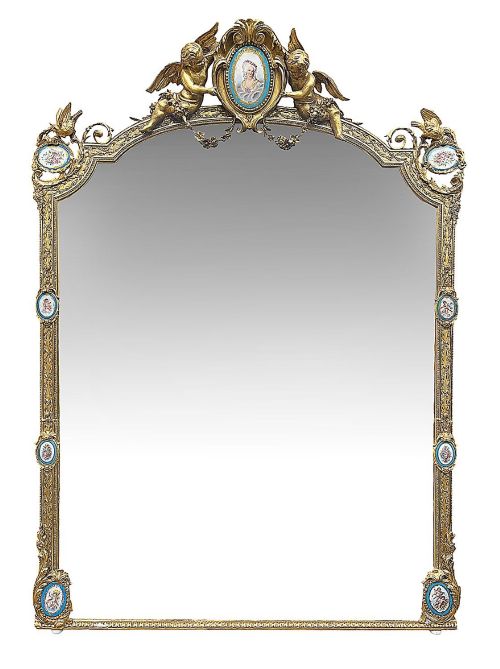
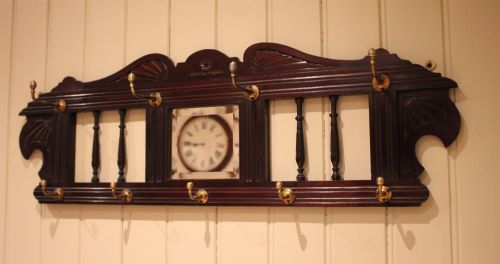
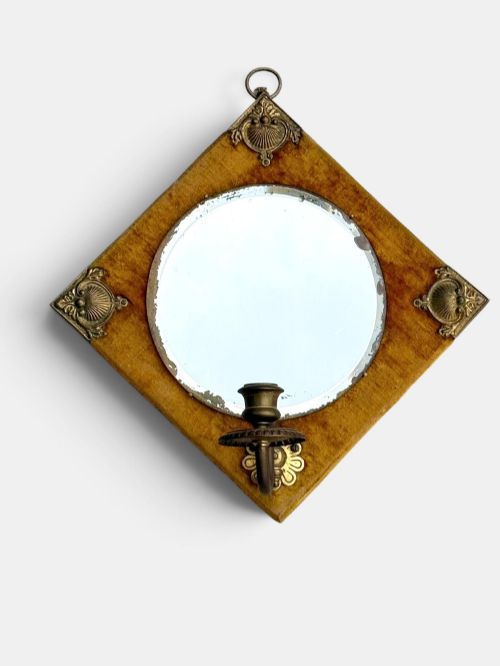
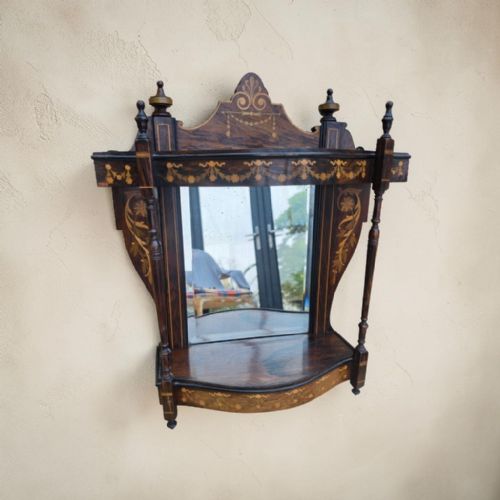
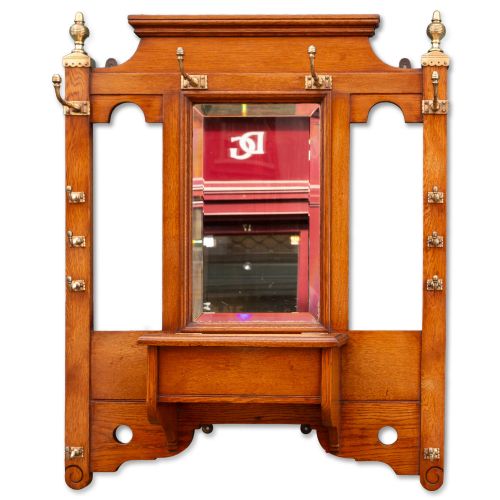
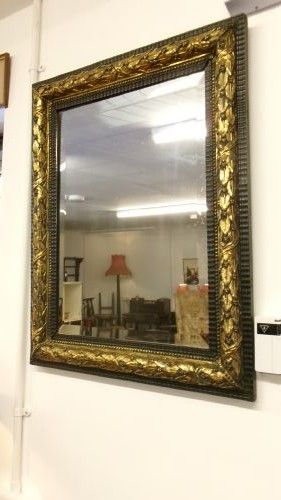
When searching for antique wall mounted mirrors, buyers encounter a diverse selection of wall hanging forms spanning the nineteenth and early twentieth centuries. The pieces available include dedicated wall mirrors, giltwood convex mirrors, overmantels, and multifunctional items that combine mirrors with shelves, hat hooks, or small cabinets.
Styles on this page reflect the aesthetic shifts from Victorian and Regency designs through to Edwardian, Art Deco, and Arts and Crafts movements. Materials range from traditional timbers such as mahogany, walnut, and oak to decorative applications of giltwood, brass, and ormolu.
Quality Variations
The standard of a piece often rests upon the crispness of its carved ornamentation, such as the detail found on eagle mounts or giltwood frames, compared to softer, more mechanical mouldings. Superior cabinet work shows through in the selection of figured timbers like burr yew-wood or walnut and the precise integration of auxiliary elements like shelves and brass mounts.
Originality of components also dictates standing, with original mirror plates, backboards, and matching hardware commanding greater interest among collectors. Well-preserved finishes that retain their original patination demonstrate better survival through the periods of manufacture represented on the page.
Listings span multiple eras from the 18th century to the 1940s, featuring woods like mahogany, walnut, and oak alongside brass, giltwood, and ormolu.
Town and Emanuel
The Antique Wall Mounted Mirrors Glossary
- Convex mirror
- A round mirror with a curved glass surface that provides a wide-angled reflection of the room. These frequently feature giltwood frames and eagle crests.
- Overmantel mirror
- A large wall-mounted mirror designed to hang specifically above a fireplace mantelpiece. They often display domed tops and extended horizontal proportions.
- Ormolu
- Gilded bronze or brass applied as decorative mounts on furniture and mirror frames. The technique was popular during the Regency and Empire periods.
- Portmanteau
- A combined hall stand incorporating a mirror, coat hooks, and sometimes umbrella stands or small ledges. They served as functional entryway furniture in larger homes.
- Cushion mirror
- A mirror featuring a frame with a rounded, convex profile resembling a cushion. These often incorporate metal mounts and originate from French workshops.
Antique Wall Mounted Mirrors: Frequently Asked Questions
How do I hang a heavy antique mirror?
Heavy wall-mounted pieces require secure fixing directly into wall studs or the use of appropriate heavy-duty masonry anchors. The weight distribution should be supported by strong brackets or wire rated well above the mass of the timber and glass.
Ensuring the hanging hardware engages with the structural core of the wall prevents movement and protects the historical frame from undue strain.
Where should I place a convex mirror?
Convex mirrors excel in hallways, living rooms, and dining spaces where their wide-angle reflection can capture natural light and the breadth of an interior. Positioning them opposite a window maximises their ability to brighten smaller spaces.
Placing them at eye level ensures the distorted perspective functions effectively as both a decorative focal point and a practical optical feature.
What is an overmantel mirror?
An overmantel mirror is a large wall-mounted looking glass specifically proportioned to sit above a fireplace mantel. These pieces historically filled the visual space between the fireplace and the ceiling, reflecting light from windows across the room.
They frequently feature architectural elements like domed tops, giltwood frames, or classical motifs that complement the surrounding interior woodwork.
How do I clean antique mirror glass?
Cleaning requires a soft microfiber cloth and a mild, ammonia-free glass cleaner applied to the cloth rather than directly onto the mirror. Spraying liquid directly risks seeping behind the silvering or into the wooden frame joints, causing degradation over time.
Gentle wiping preserves the delicate surface of older glass plates and prevents damage to the surrounding gilt or wooden borders.
Are these mirrors suitable for bathrooms?
Certain pieces, such as Edwardian shaving mirrors and small cloakroom cabinets with integrated shelves, were originally designed for functional spaces. However, high humidity can affect antique wood finishes, unsealed mirror backing, and brass mounts.
Placing them away from direct water contact and ensuring adequate room ventilation helps protect the original materials from moisture damage.