





Antique Wall Medallions
Antique wall medallions encompass framed intaglios, cast bronze plaques, and central textile motifs designed to bring historical depth and classical relief to interiors.
Antique Wall Medallions
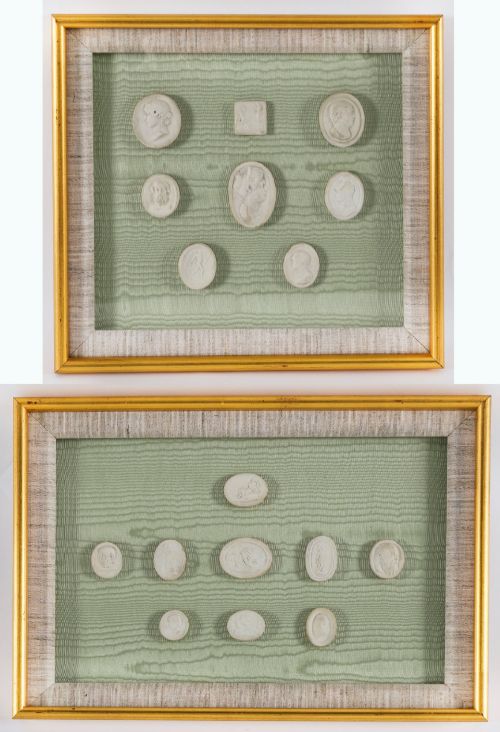
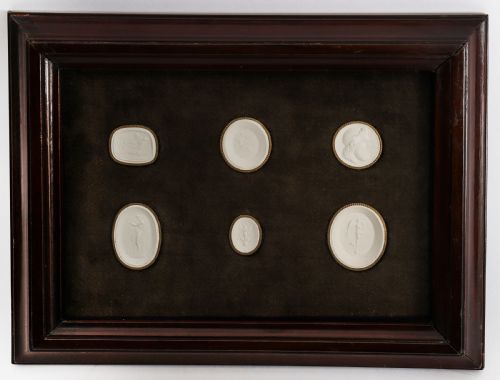
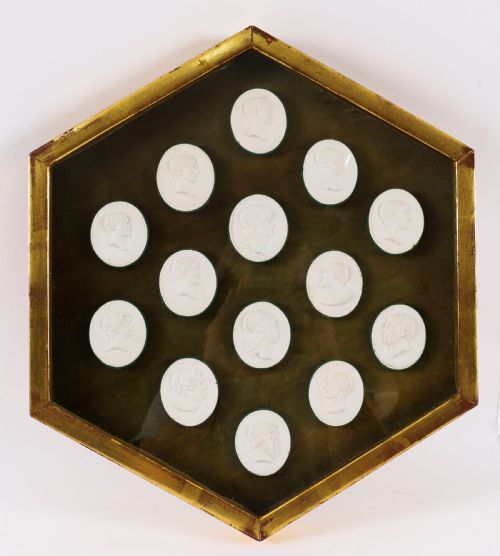
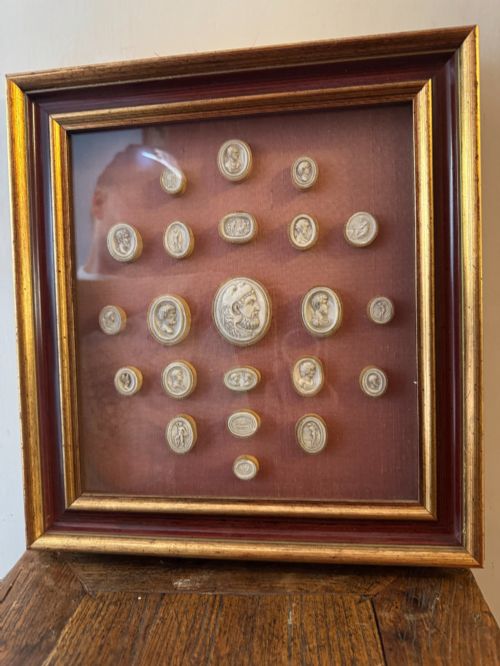
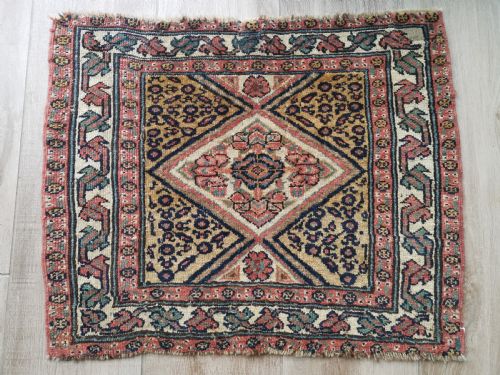
When searching for antique wall medallions, buyers encounter a diverse selection of decorative items intended for wall display, ranging from European grand tour plaster casts to Persian textile panels featuring central motifs. These objects bridge the gap between architectural salvage, fine art, and decorative crafts produced across multiple centuries.
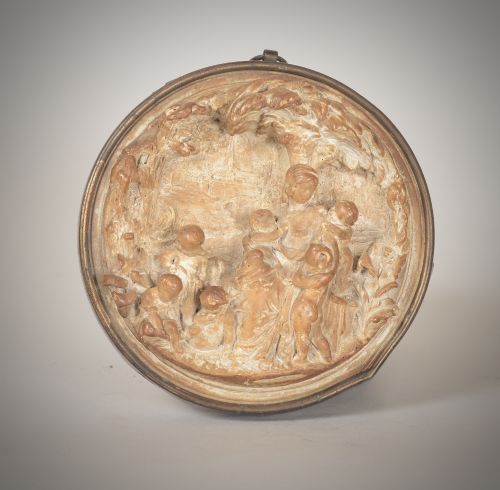
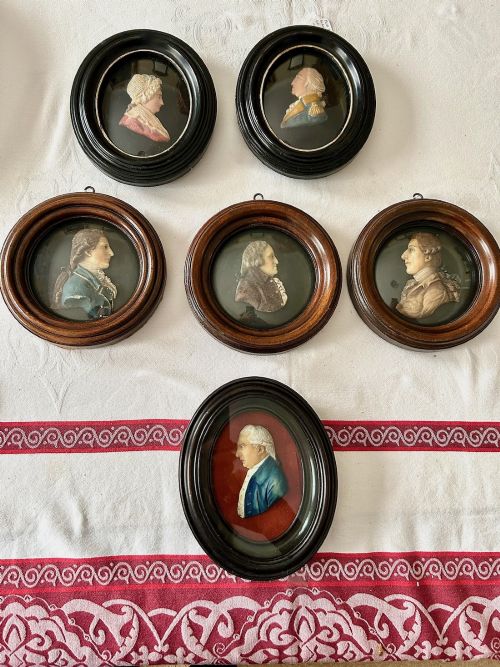
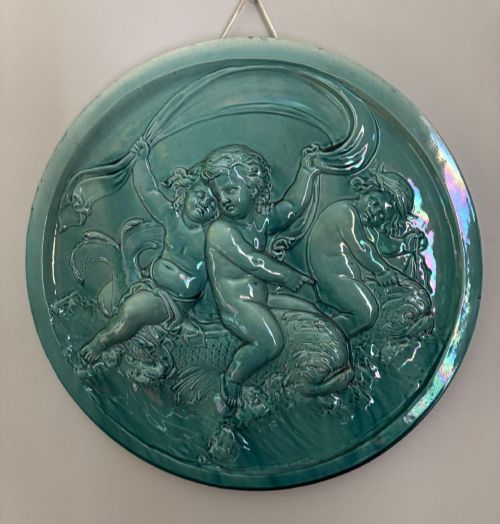
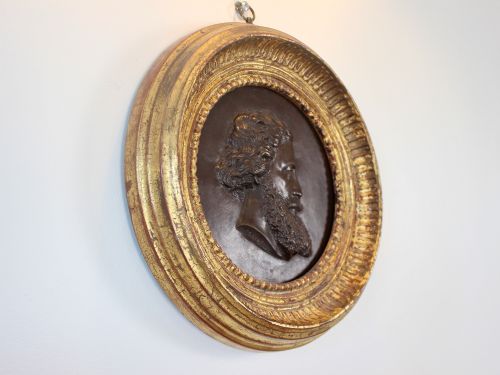
The pieces most frequently met on this page include framed collections of classical intaglios, cast bronze portrait plaques, and embroidered fabric medallions from various cultural traditions. Such works reflect the diverse ways historical makers translated classical sculpture, portraiture, and heraldry into wall-hanging formats.
Originating from periods spanning the eighteenth through the early twentieth centuries, these items carry the aesthetic signatures of movements such as the neoclassical revival, Victorian ornamentation, and international exhibitions. Buyers select them to anchor gallery walls or add texture and narrative to period rooms.
Materials and methods of construction
The construction of these wall ornaments relies heavily on traditional casting, carving, and textile arts as recorded in the listings. Makers utilised gypsum plaster, pressed glass paste, and bronze to create sharp relief profiles, often mounting delicate casts within dedicated timber frames.
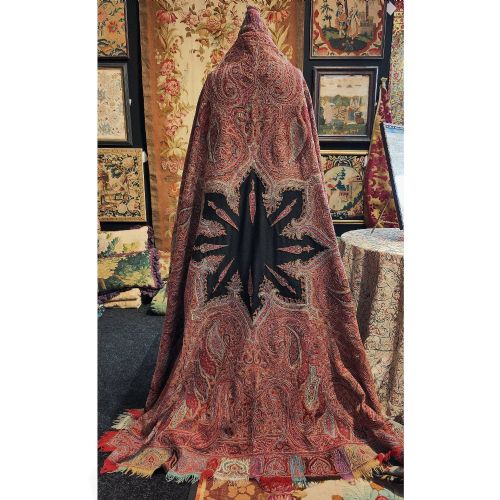
Textile examples incorporate fine silk embroidery on wool or felt grounds, alongside woven wool rug panels featuring distinct central medallion layouts. Woodcarvers worked with oak and gesso to produce architectural elements and gilt frames, pairing organic materials with metallic leaf finishes.
Grand tour travellers spent months carefully gluing tiny plaster noses back onto their souvenir intaglios after bumpy carriage rides across the Alps.
Measures of distinction
Quality in these pieces is dictated by the crispness of the casting detail and the integrity of the original mounting. Intaglios and plaster reliefs retain their value when the edges remain sharp and the composition of the framed collection demonstrates deliberate curation rather than random assemblage.
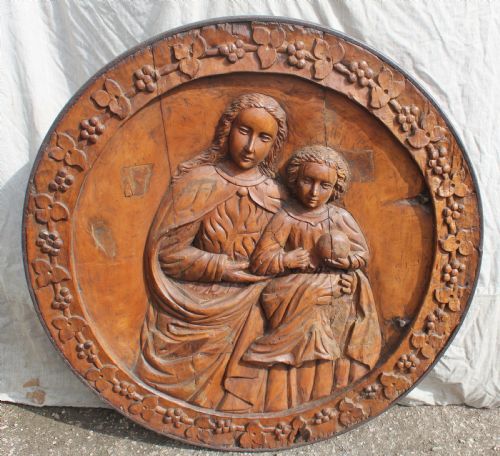
In cast metal and carved wooden plaques, excellence shows in the depth of the chisel work, the legibility of signatures, and the preservation of original patination. Textile medallions succeed through the precision of the needlework and the harmonious balance of natural dyes within the central design.
Clement Messier·Giovanni Liberotti·Gustav Grohe·Smith, Beck and Beck
The Antique Wall Medallions Glossary
- Intaglio
- A gem or other gemstone or plaster cast carved in intaglio, where the design is incised below the surface. These were popular keepsakes during the grand tour period.
- Plaque
- A flat ornamental plate, typically made of bronze, ceramic, or wood, designed to be fixed to a wall. They often commemorate notable figures or mythological scenes.
- Suzani
- A type of embroidered tribal textile from Central Asia, frequently featuring large central floral or star medallions worked in silk on a cotton or felt ground.
- Cameo
- A method of carving an object such as a engraved gem, item of jewellery, or plaque featuring a raised relief image. They were frequently executed in shell, stone, or glass paste.
- Gesso
- A plaster mixture used as a smooth base for painting or gilding on wood surfaces. It provides the foundation for ornate frame mouldings.
Antique Wall Medallions: Frequently Asked Questions
What are grand tour intaglios?
Grand tour intaglios are small-scale classical relief carvings made of plaster, wax, or glass paste that nineteenth-century travellers collected across Europe. They served as portable encyclopedias of classical art and mythology.
Mounted in custom frames, these collections allowed owners to display ancient sculpture aesthetics within domestic interiors.
How were bronze portrait plaques displayed?
Bronze portrait plaques were cast to commemorate historical figures, literary icons, or family members during the nineteenth and early twentieth centuries. They were typically fitted into brass or wooden frames for wall mounting.
These heavy pieces brought a sense of solemnity and academic gravitas to libraries, studies, and formal reception rooms.
What is a bagface medallion?
A bagface medallion is the front panel of a tribal storage bag, woven in wool using traditional Persian or Anatolian knotting techniques. These panels feature distinct central geometric or floral motifs.
Removed from their original utility as sacks, they function as small decorative rugs or wall hangings showcasing regional weaving styles.
How do I care for framed plaster casts?
Framed plaster casts require dry, stable environments away from direct sunlight and high humidity to prevent the plaster from softening or discolouring. Dusting should be done gently with a soft, dry brush.
Opening the frame is discouraged unless necessary, as the delicate wax or gypsum components are easily abraded by touch.