



Brass Portrait Frame
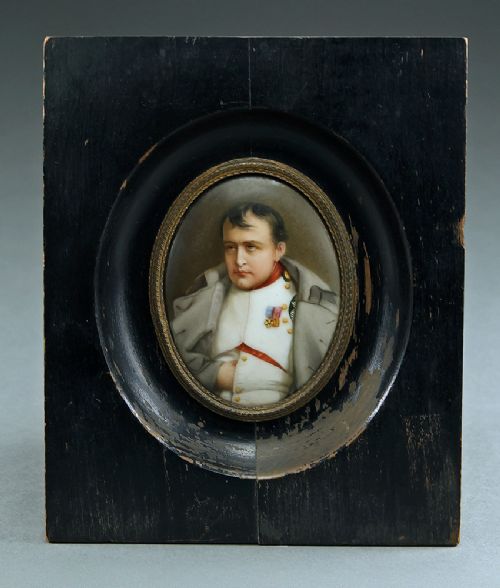
A brass portrait frame holds small-scale likenesses with a dignity that larger canvases miss, bringing intimate Regency and Victorian craft to a mantelpiece.
Brass Portrait Frame
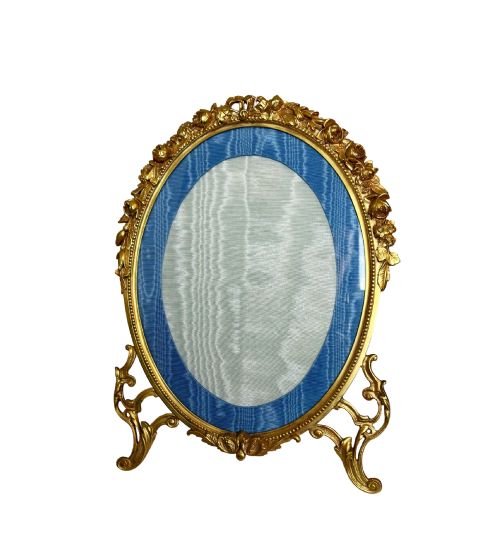
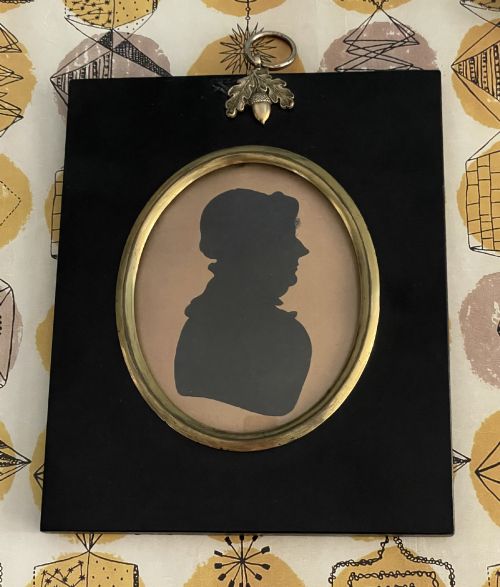
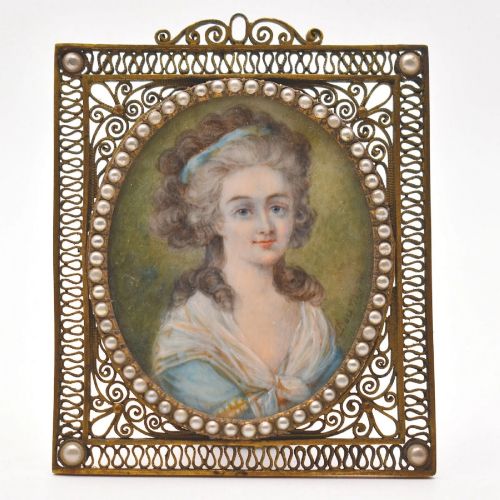
When you search for a brass portrait frame, you encounter enclosures designed to display small painted, silhouetted, or moulded likenesses. The offerings span Georgian austerity, Regency elegance, Victorian elaboration, and the cleaner lines of Edwardian and Art Deco design.
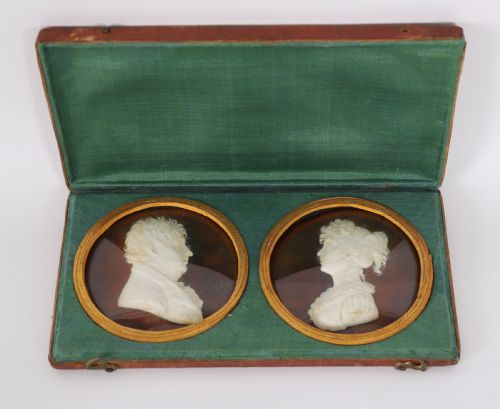
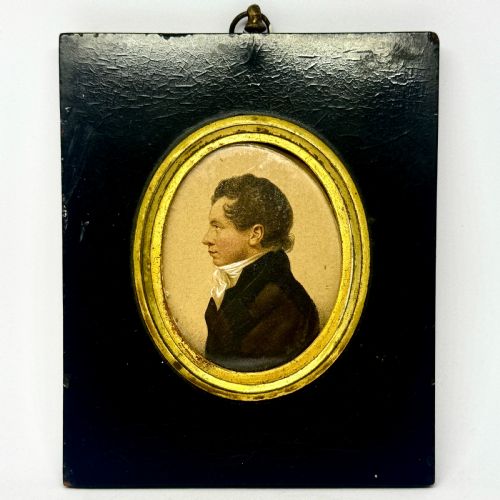
Most examples combine cast metal surrounds with protective glass, housing everything from cut paper silhouettes to hand-painted watercolours on paper, ivory or card, and occasional enamel or wax plaques.
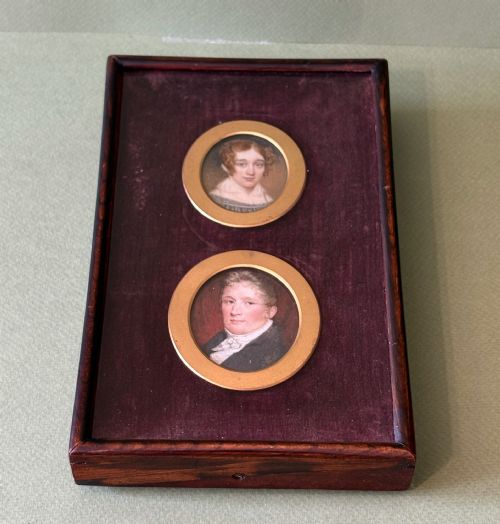
The objects function equally as standing desk ornaments and wall-hanging plaques, often encountered in pairs or small matched sets rather than isolated pieces.
How they were made
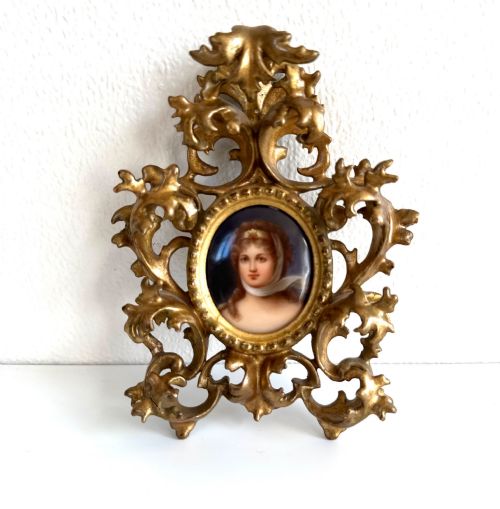
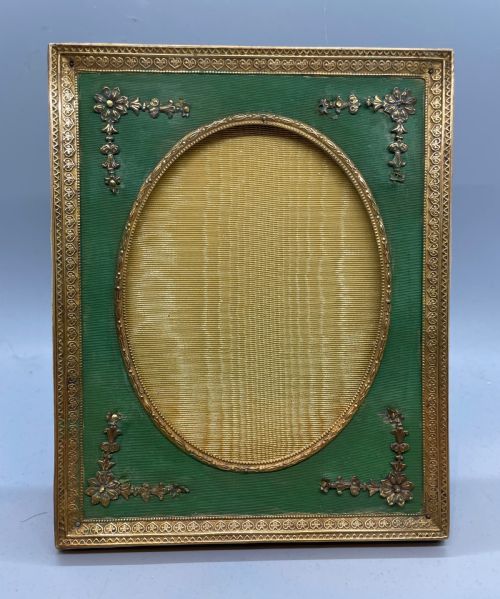
Foundries shaped the metal housings using casting and stamping methods, yielding both simple spun brassbezels and heavily chased ormolu and gilt bronze mounts. Makers frequently incorporated glass panels to shield delicate watercolours, plumbago drawings, and paper silhouettes from dust and atmospheric moisture.
Interior elements relied on traditional miniature painting techniques, including fine watercolour, gouache, and enamel fired on copper or ceramic bases. Silhouettes were cut from paper, painted on plaster or card, or cast in white glass paste and wax relief.
Several frames preserve the strict gaze of Georgian children caught mid-pose before photography existed.
What varies in quality
The refinement of the cast metal mount establishes the baseline of quality, separating crisp, hand-chased ormolu and deep repoussé work from soft, mass-produced stampings. Heavier gauge brass and secure backing plates indicate superior original construction.
Artistic execution within the aperture dictates the ultimate value. Finely observed brushwork in a watercolour miniature or the precise cutting of an early silhouette commands greater respect than mechanical reproduction or hesitant amateur draftsism.
George Atkinson·James Gillespie·Thomas London·J. Deacon·Susie Lassam·Boin Taburet·John Miers·Emma Kendrick
The Brass Portrait Frame Glossary
- Ormolu
- A gilded bronze or brass mounting technique common in decorative French and English frames. It provides a rich, durable golden surface.
- Plumbago
- A drawing executed in graphite, taking its name from the Latin for lead ore. These monochromatic works appear frequently in eighteenth-century settings.
- Repoussé
- A metalworking technique where the design is hammered into relief from the reverse side. This method creates tactile, three-dimensional borders on metal frames.
- Silhouette
- A portrait profile filled in with a solid dark colour, typically cut from paper or painted. The form gained immense popularity during the Georgian and Regency eras.
- Gilt metal
- Base metal treated with a gold-coloured wash or leaf. It offers the visual warmth of solid gold at a fraction of the material cost.
Brass Portrait Frame: Frequently Asked Questions
What is a brass portrait frame?
A brass portrait frame is a metal enclosure built specifically to house and display small-scale artwork, photographs, or silhouettes. These objects range from simple, utilitarian desk stands to ornate, cast-metal display pieces.
They appear across multiple historic periods, reflecting changing aesthetic preferences from Georgian restraint to the decorative excess of the late nineteenth century.
How do I date a brass portrait frame?
Dating relies on examining the construction methods of both the metal mount and the internal artwork. Georgian and Regency examples often feature hand-cut silhouettes or watercolours, while Victorian and Edwardian pieces lean toward stamped brass, easel backs, and photography.
Stylistic cues in the surrounding metalwork, such as Rococo revival scrolls or Art Nouveau floral motifs, provide further chronological markers.
Were these frames meant for walls or desks?
Both formats exist within the historical record. Many smaller examples include hinged easel stands intended for placement on a desk, dressing table, or mantelpiece.
Others feature integrated suspension loops or rings designed to hang flush against a wall, frequently arranged in decorative groupings or pairs.
How should I care for antique brass frames?
Antique brass benefits from minimal intervention, retaining its aged patina rather than aggressive polishing that strips historical depth. Keep the pieces away from direct sunlight and damp environments to protect fragile internal elements like paper silhouettes and watercolours.
Dust the metal gently with a soft, dry cloth and avoid liquid cleaners that might seep behind the glass and damage the artwork.