
Antique Wall Hooks
These antique wall hooks offer sturdy utility and rich period character, fastening hallways and cloakrooms with brass, wood, and iron.
Antique Wall Hooks
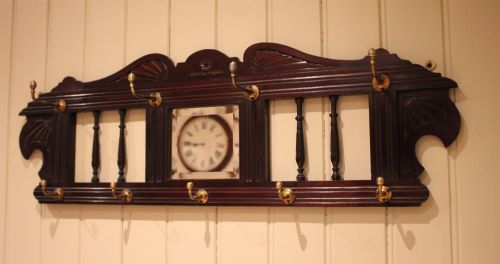
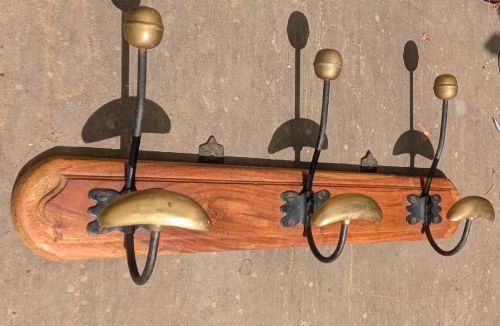
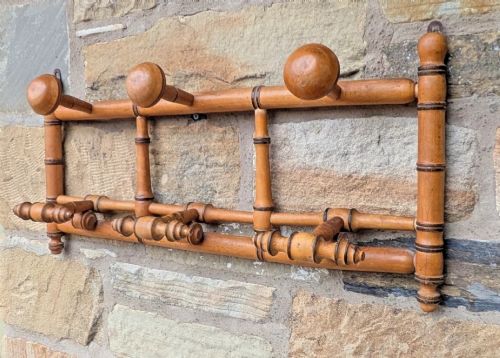
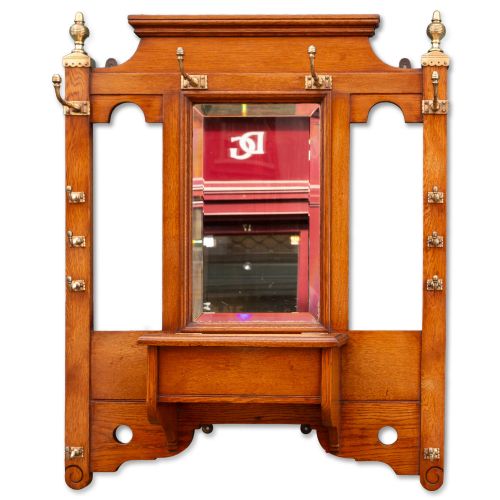
Antique wall hooks primarily present as mounted coat racks, individual hooks, and combination hall stands originating from the Victorian, Edwardian, and late nineteenth-century periods.
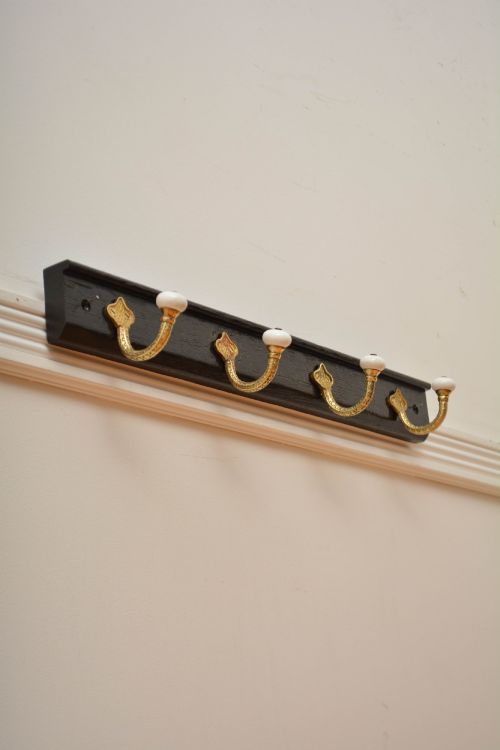
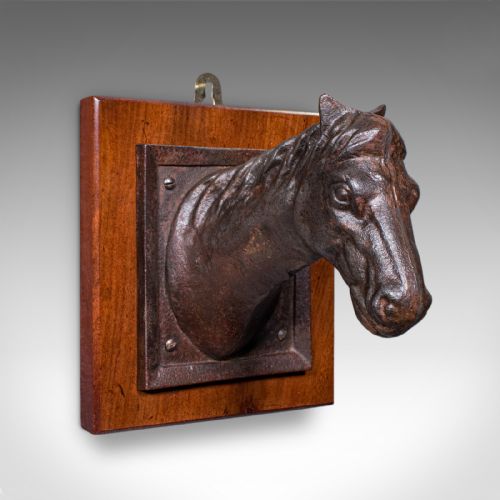
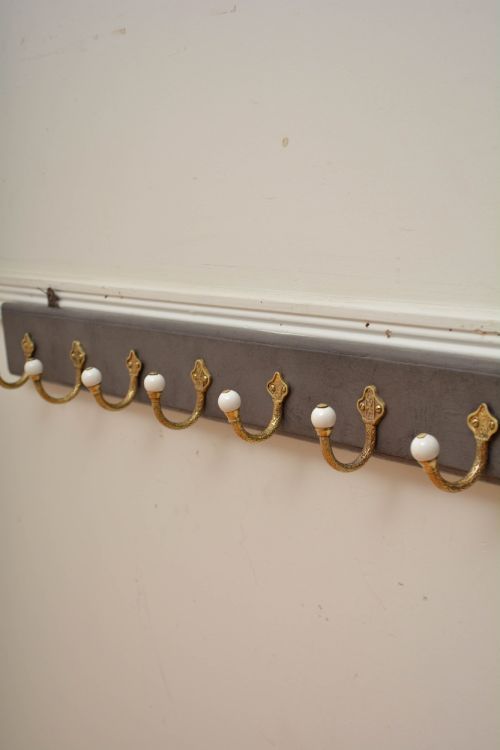
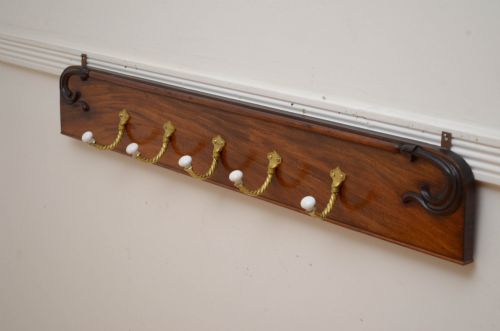
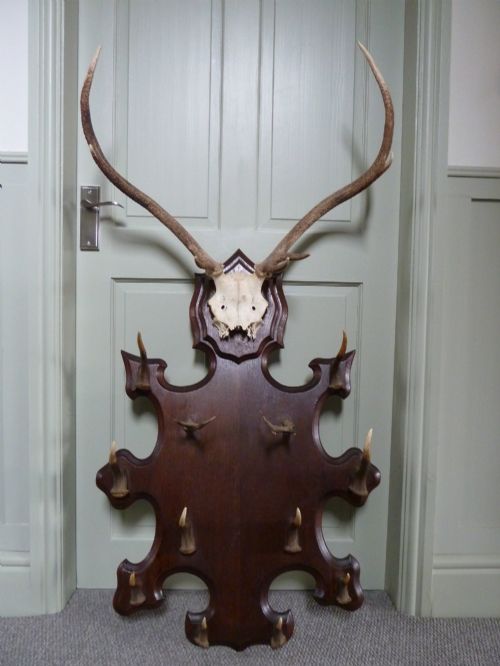
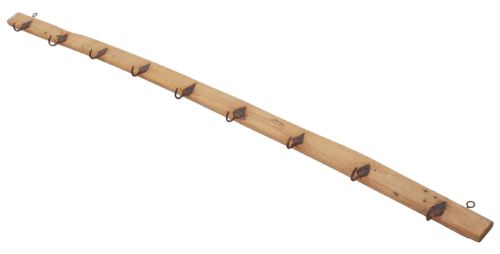
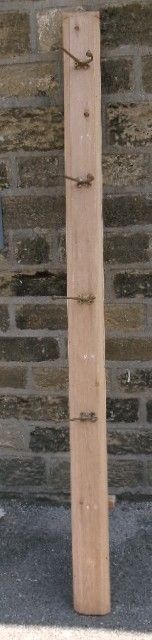
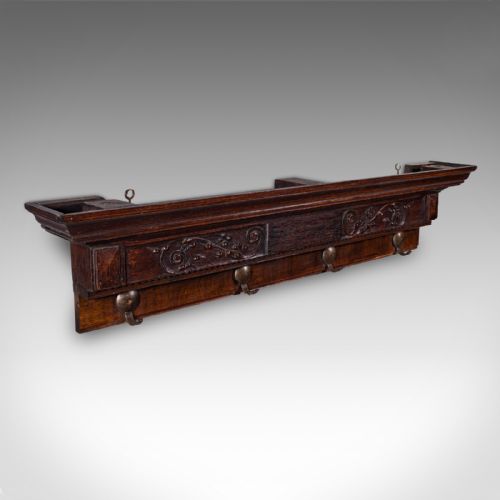
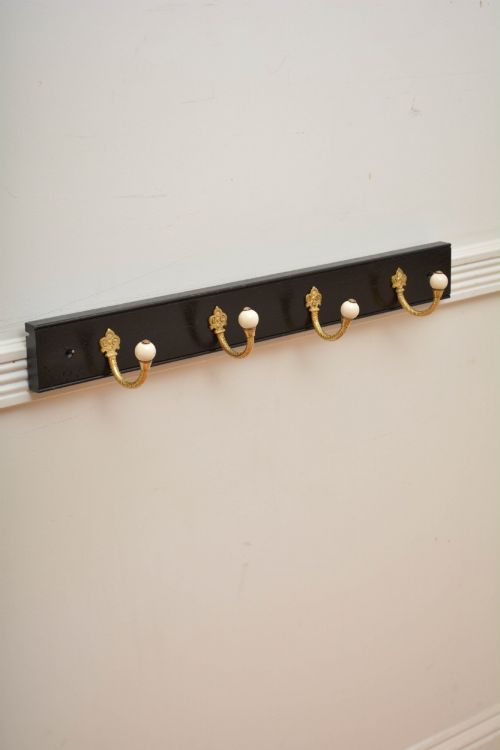
Buyers frequently encounter timber backboards fixed with cast brass, ceramic, or iron hooks, alongside mounted equestrian pieces and taxidermy variants.
The selection ranges from simple functional cloakroom rails to decorative French chateau and Black Forest carvings designed for prominent reception spaces.
Standard and Craftsmanship
Quality rests upon the heft and casting detail of the metalwork, distinguishing finely moulded brass plates and robust iron from lighter utilitarian stampings.
The integrity of the timber backboard and the original security of the fixing points separate superior workshop pieces from later assemblages.
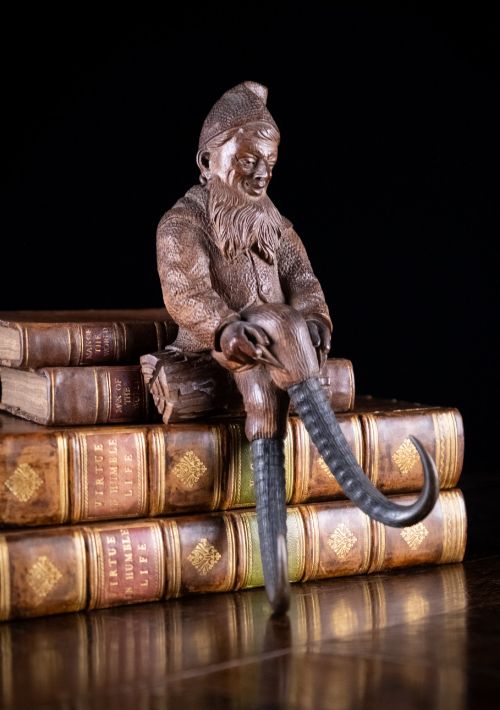
Keep an eye out for whimsical Black Forest gnome and nude figures hiding amongst the sturdy cloakroom ironmongery.
The Antique Wall Hooks Glossary
- Ebonised
- Wood treated to mimic the dark, dense appearance of ebony. This finish was widely favoured during the Victorian era for contrast against polished brass.
- Portmanteau
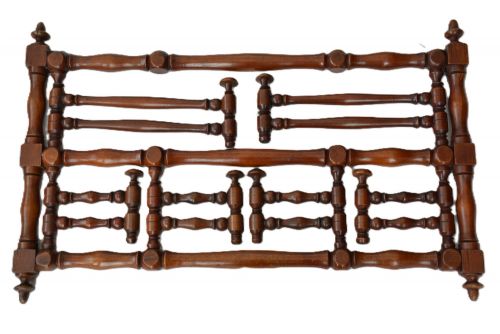
- A combined wall-mounted rack incorporating hooks for garments alongside storage for hats and accessories. These pieces typically served busy entrance halls.
- Black Forest
- Carved wooden items originating from central Europe, known for naturalistic motifs involving animals, foliage, and figurative subjects. They display high sculptural skill.
Antique Wall Hooks: Frequently Asked Questions
How do I secure an old coat rack?
Heavy timber racks require sturdy wall fixings aligned with the internal framing or solid masonry plugs to safely bear the weight of winter garments.
Distributing the load evenly across multiple original screw holes ensures the old wood does not split under stress.
Where were these hooks traditionally used?
These items were installed in entrance halls, cloakrooms, and servants' quarters to receive heavy coats, hats, and everyday accessories.
Grand reception spaces utilised decorative brass and carved wood, while kitchens and utility rooms employed simpler iron and pine versions.
How do I distinguish Victorian from Edwardian styles?
Victorian pieces generally favour heavier timber, dark ebonised finishes, and ornate cast brass combined with ceramic elements.
Edwardian designs often shift towards lighter oak and walnut tones with simpler, cleaner profiles suited to smaller entrance spaces.
Can these hold heavy winter coats?
Solid hardwood backboards fitted with substantial cast brass or iron hooks easily support heavy coats and bags when mounted properly.
Checking the stability of the hook attachments to the wooden rail ensures the piece remains secure during daily use.