




Antique Wall Hanging Portraits
Antique wall hanging portraits capture likenesses across centuries in glass, wood, paper, metal, and textile.
Antique Wall Hanging Portraits
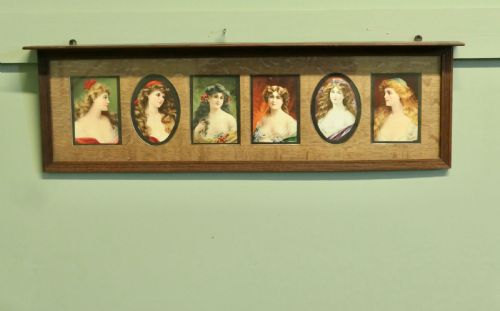
When you search for antique wall hanging portraits, you encounter a diverse range of objects intended for display at eye level, including framed miniatures, silhouette studies, relief plaques, painted scrolls, and woven rugs.
The selections span from the eighteenth century through the early twentieth century, taking in Georgian, Victorian, and Regency periods alongside Qing Dynasty and Qajar works.
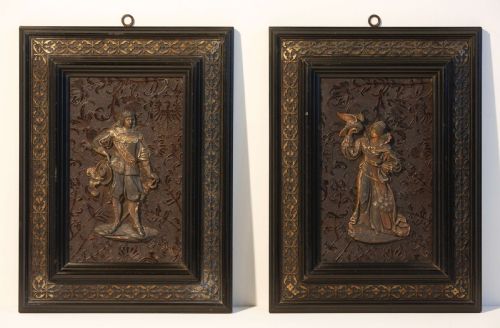
The most common forms on this page include framed portrait miniatures, silhouette studies in ebonised frames, and cast bronze or plaster relief plaques designed to hang directly upon a wall.
Materials and methods
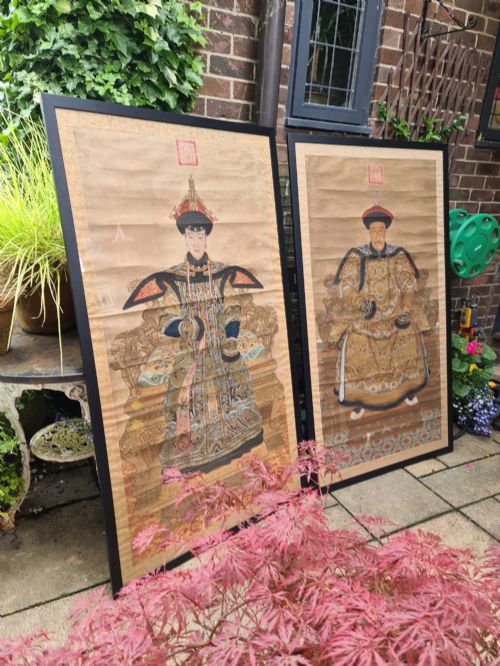
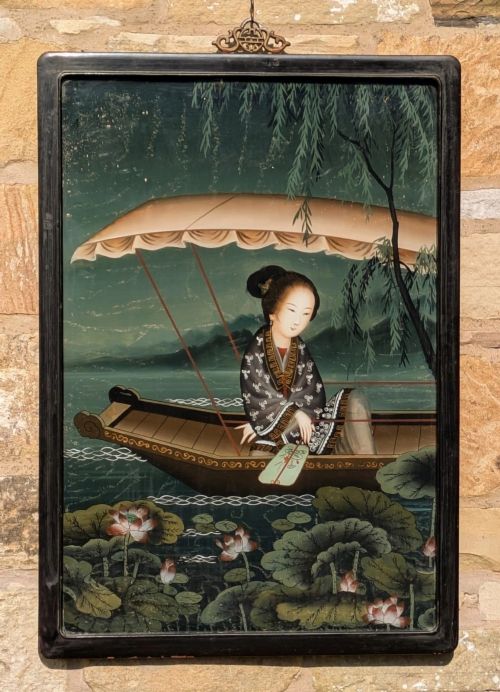
Makers utilised traditional artistic media such as watercolour on paper, plumbago, reverse painting on glass, and oil or ink on silk and paper scrolls.
Framing and mounting involved carved walnut, ebonised wood, gilt and gesso, brass, and copper, alongside hand-knotted wool and silk used in textile portrait rugs.
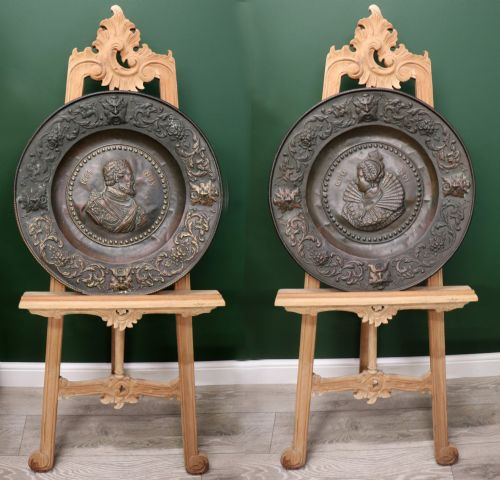
Relief works were cast in bronze, gilded bronze, white metal, and bronzed plaster, while glass prints utilised moulded dome fronts to house the portraits.
Regency ladies gaze out from behind convex dome-fronted glass, while Persian rugs preserve the likeness of the last Tsar.
Judging quality in portrait pieces
Quality rests upon the precision of the likeness and the fineness of the handwork, whether in the delicate brushstrokes of a miniature watercolour or the intricate knotting of a pictorial rug.
The integrity and originality of the surrounding frame, whether carved walnut, gilt gesso, or ebonised wood, greatly influence the overall standing of the piece.
Materials dictate the depth of the object, as seen in the contrast between simple printed reproductions and hand-painted reverse glass works or cast metal reliefs.
George Atkinson·N Millett·Mohtasham Kashan
The Antique Wall Hanging Portraits Glossary
- Plumbago
- A drawing executed in graphite, taking its name from the Latin word for lead. These works offer fine monochrome detail in early portraiture.
- Silhouette
- A portrait profile filled in with a solid dark colour, typically cut from paper or painted upon card or glass. They gained immense popularity during the Georgian and Regency eras.
- Reverse painting on glass
- A technique where the artist paints directly onto the reverse side of a glass panel, viewed from the front to create a glossy finish.
- Relief plaque
- A wall hanging piece where the portrait subject is sculpted to project from a flat background. These are commonly cast in bronze, plaster, or metal.
- Ancestral scroll
- A hanging textile or paper scroll depicting family lineage or revered figures, often produced in China during the Qing Dynasty.
Antique Wall Hanging Portraits: Frequently Asked Questions
How do I hang a heavy portrait plaque?
Relief plaques cast in bronze, brass, or plaster require secure wall fixings suited to their weight, often utilising heavy-duty picture hooks or anchored screws.
Ensure the hanging wire or integrated loop at the rear is robust enough to support the full mass of the metal or wood frame safely.
Where should I display silk or paper portraits?
Paper miniatures, watercolours, and silk scrolls are sensitive to direct sunlight and high humidity, which can cause fading or degradation over time.
Position these pieces away from south-facing windows and maintain a stable indoor climate to preserve the delicate pigments and fibres.
How are woven portrait rugs displayed?
Pictorial rugs, such as hand-knotted Mohtasham Kashan examples depicting historical figures, are typically hung using a specialised sleeve or mounting clips.
This method distributes the weight evenly across the textile without damaging the wool and silk weave during exhibition.