

Antique Wall Hanging Panel
When you search for an antique wall hanging panel, you are looking at centuries of textile artistry, carved timber, and metalwork created to transform interior spaces.
Antique Wall Hanging Panel
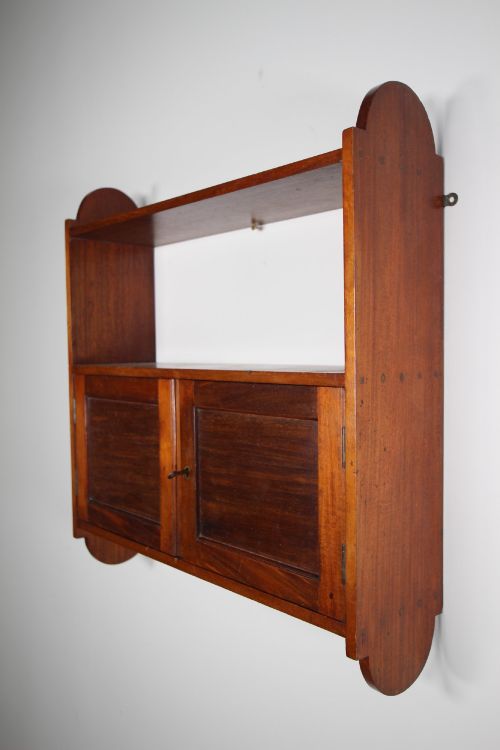
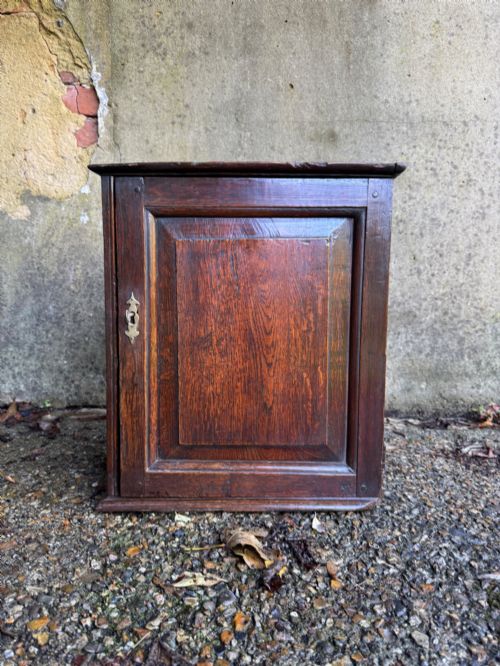
An antique wall hanging panel encompasses a diverse array of items designed for vertical display, ranging from woven Central Asian tribal embroideries and European tapestries to carved wooden architectural elements and framed mirrors. On this page, you are most likely to encounter textiles such as Uzbek suzanis and crewelwork alongside seventeenth and eighteenth-century oak cupboards, pine panels, and wrought iron screens.
The material origins of these objects span domestic British cabinetry, French needlework, and nomadic tribal work from Central Asia. Whether purchasing a framed textile or a carved wooden cabinet intended for wall suspension, buyers find pieces that once served practical storage roles or ceremonial dowry functions now repurposed as primary wall art.
How they were made
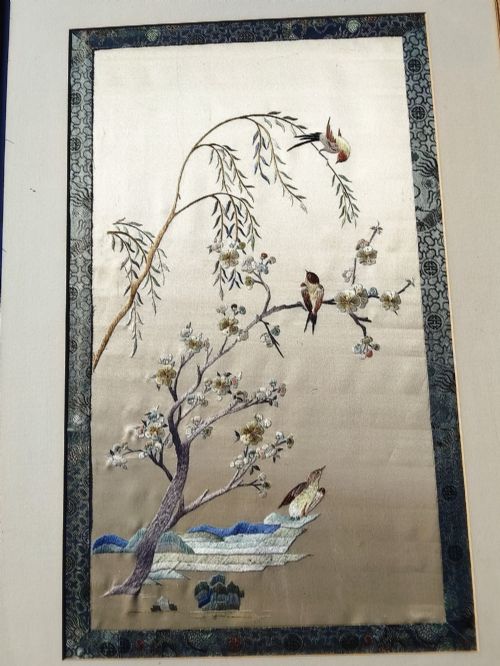
The construction of these pieces relies heavily on traditional textile techniques and joinery, combining wool, silk, and cotton embroidery threads stitched onto linen or cotton foundations. Woven items like Suzanis and tapestries demonstrate fine needlework, often utilising laid-and-couched stitches or intricate needlepoint.
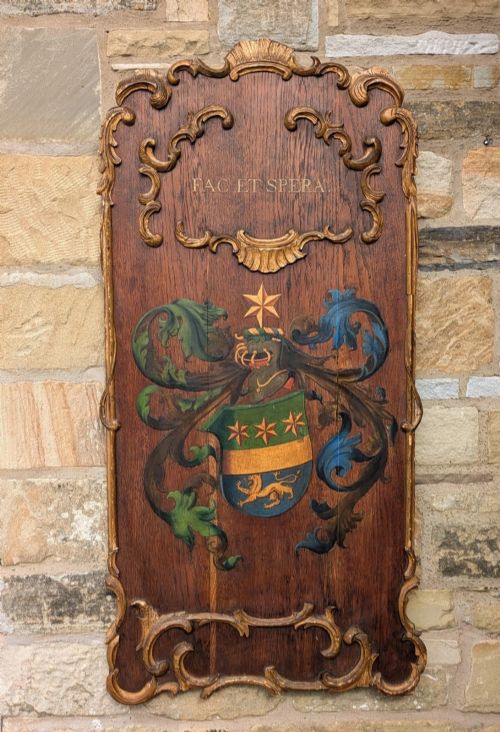
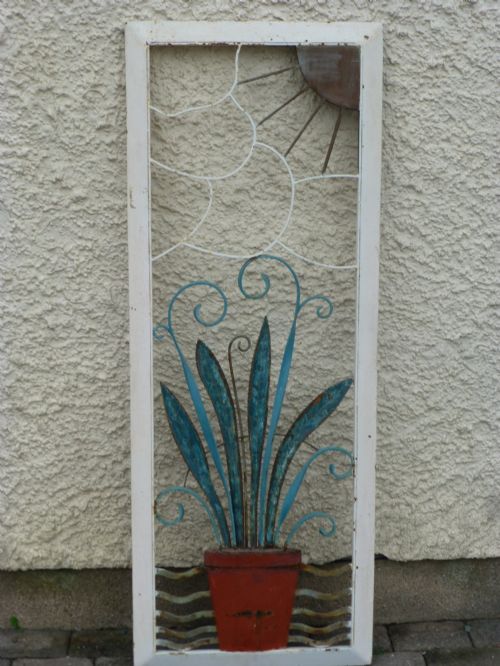
Wooden items employ robust carpentry methods typical of oak, pine, and mahogany, featuring hand-carved reliefs, panelled doors, and dovetail joints. Architectural ironwork and bronze elements utilise forging and casting techniques, shaping durable metals into decorative scrolls and screens.
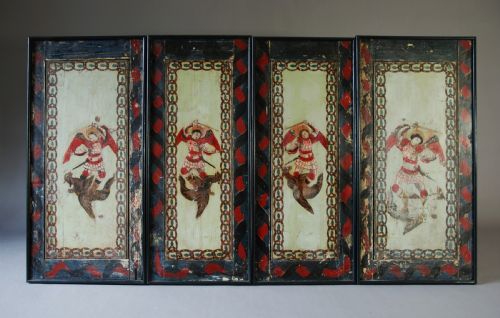
St Michael vanquishes dragons across twelve naive pine panels, reminding us that medieval saints make surprisingly diligent interior decorators.
What varies in quality
Quality in these panels is determined by the fineness of execution, whether through the tightness and complexity of needlework stitches in tribal embroideries or the depth and precision of hand-carved details in timber and stone. Pieces that retain their original structural integrity, vibrant natural dyes, and unaltered surfaces command greater regard among collectors.
The origin and authenticity of materials also define the grade of a piece, distinguishing between utilitarian items and masterworks created by skilled workshops or tribal artisans. Conservation history matters greatly, with preference given to items retaining contemporary backing, original framing, or authentic period mounts.
Raymond Subes
The Antique Wall Hanging Panel Glossary
- Suzani
- A type of embroidered tribal textile originating from Tajikistan, Uzbekistan, and other Central Asian nations, traditionally made by brides as part of their dowry. They typically feature bold floral motifs on cotton or silk foundations.
- Crewelwork
- A form of surface embroidery using wool yarn on a heavy linen or cotton twill fabric. This technique creates textured, multicoloured designs popular in seventeenth and eighteenth-century European textiles.
- Tapestry
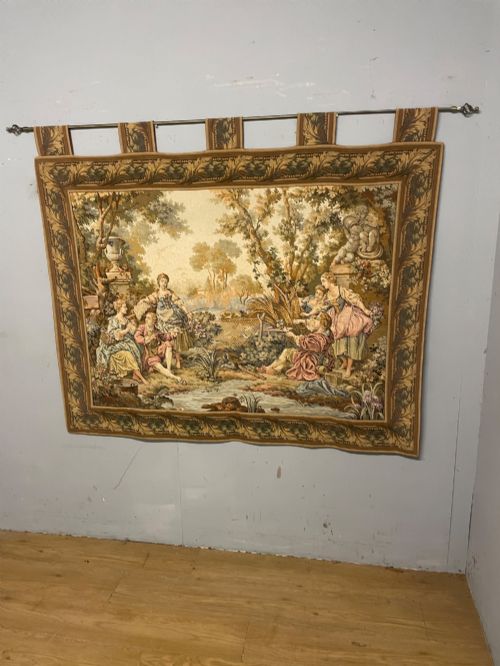
- A form of textile art woven on a vertical loom, where coloured weft threads are beaten tightly over warp threads to form pictorial or decorative designs. Fragments and borders of these woven panels are frequently mounted for display.
- Spice cupboard
- A small wooden wall-hung cabinet fitted with internal small drawers or shelves, designed during the seventeenth and eighteenth centuries in oak or mahogany. These items combined functional kitchen storage with decorative domestic joinery.
- Asmalyk
- A pentagonal trapan or hanging produced by Turkmen tribes, traditionally used to decorate camel gear during wedding processions. These wool and silk embroidered pieces now function as decorative wall hangings.
- Verdure
- A style of European tapestry featuring predominant landscape foliage, trees, and animals in green and earthy tones. These panels were designed to bring natural scenes into interior stone rooms.
Antique Wall Hanging Panel: Frequently Asked Questions
How were antique wall hanging panels originally used?
Many of these pieces served practical or cultural functions before becoming decorative art. Textiles like suzanis and asmalyks were created as dowry items or ceremonial furnishings in Central Asian households.
Wooden cabinets and cupboards provided secure storage for spices and valuables in early British homes, while tapestries insulated stone walls against draughts.
How do I care for antique textile wall hangings?
Protect delicate silk and wool embroideries from direct sunlight to prevent fading and degradation of natural fibres. Ensure the hanging weight is distributed evenly across a proper linen backing or mounting board rather than pulling on individual stitches.
Maintain stable indoor humidity levels to protect both the organic textile fibres and any accompanying wooden frames.
How can I tell the age of a carved wooden panel?
Examine the tool marks and construction methods visible on the reverse and joinery of the wood. Hand-sawn boards, pegged joints, and timber shrinkage patterns typically indicate seventeenth or eighteenth-century origin.
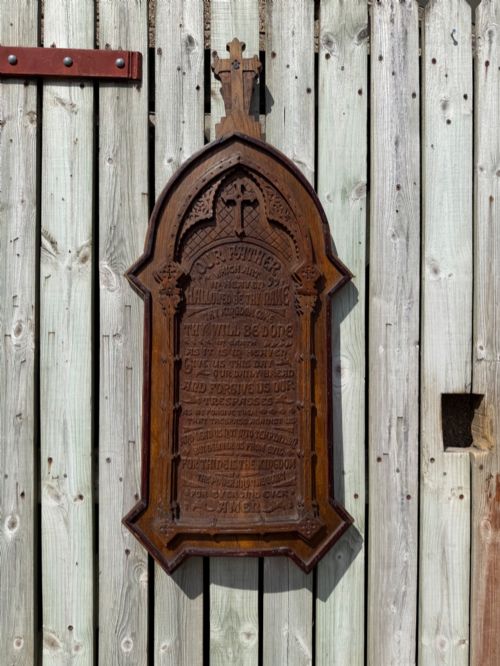
Compare the carving style, such as Gothic Revival motifs or French Baroque scrolls, to established period design vocabularies.
What is the difference between a suzan and a crewelwork panel?
Suzan panels originate from Central Asia and feature vibrant silk embroidery stitched onto cotton foundations in geometric and large floral patterns. They reflect nomadic tribal traditions and marriage customs.
Crewelwork panels are European in origin, utilising wool yarns on heavy linen twill to create dense, textured botanical designs typical of the seventeenth and eighteenth centuries.