
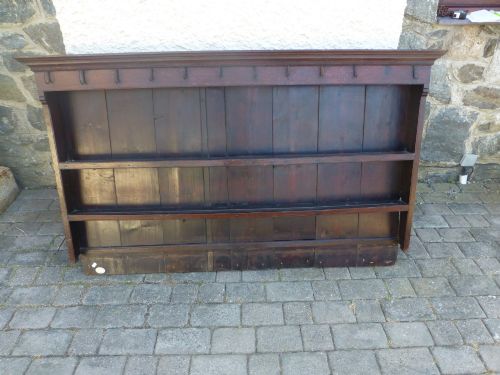
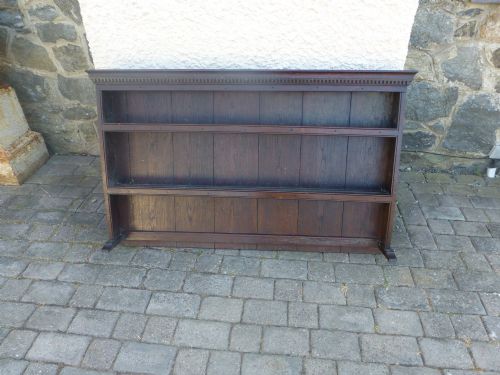
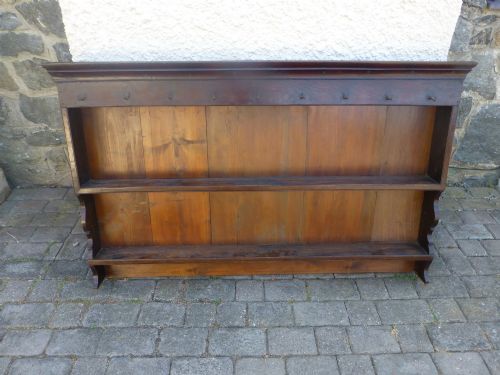
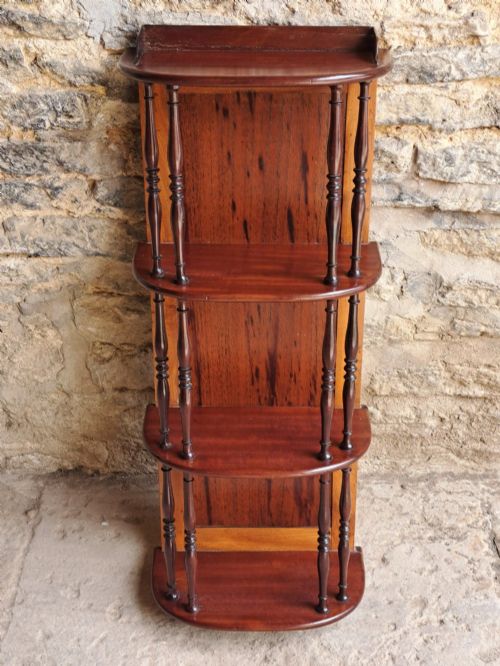

Antique Wall Hanging Display
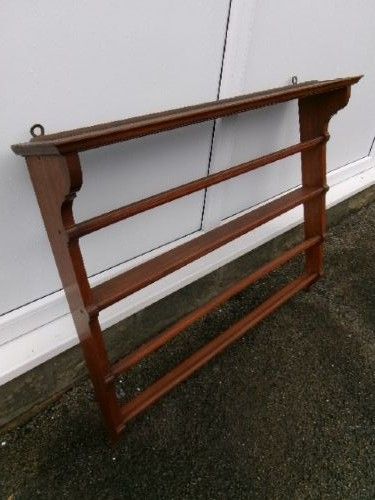
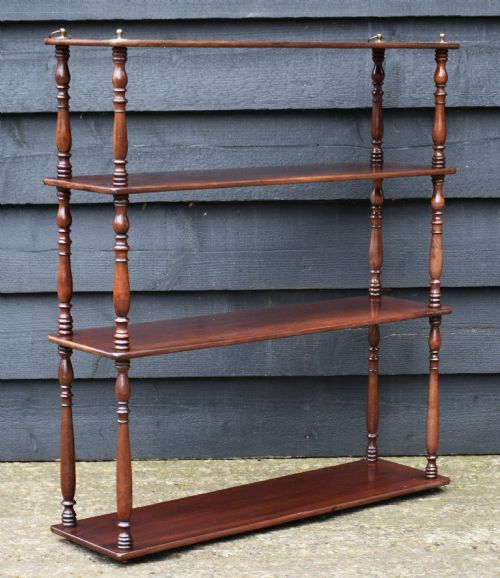
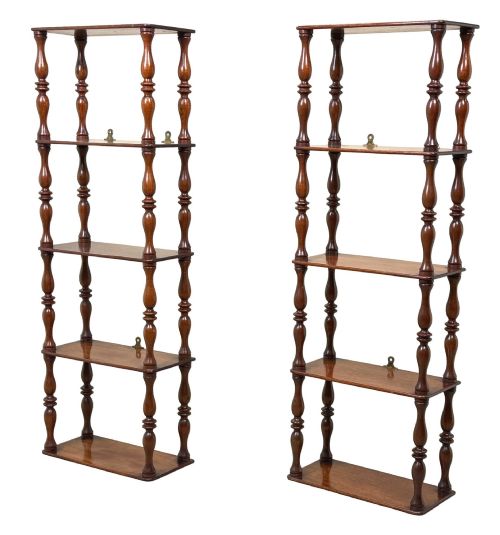
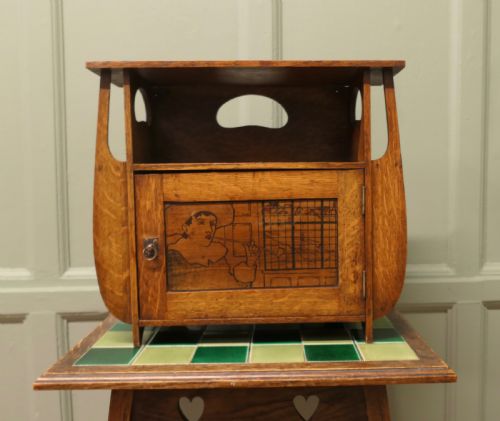
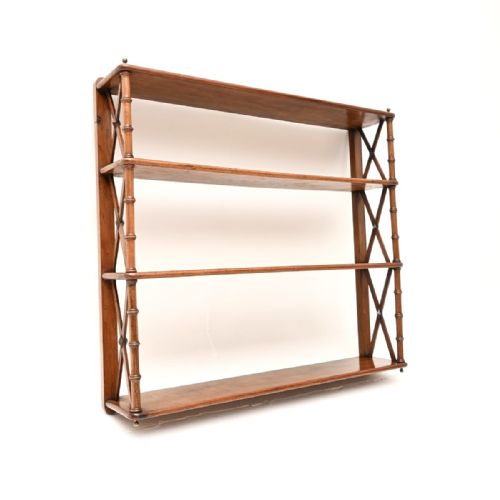
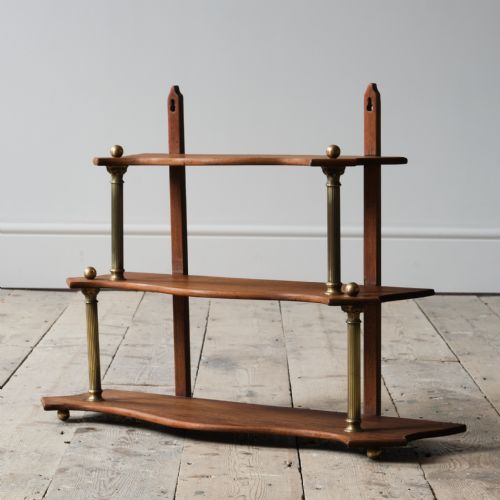
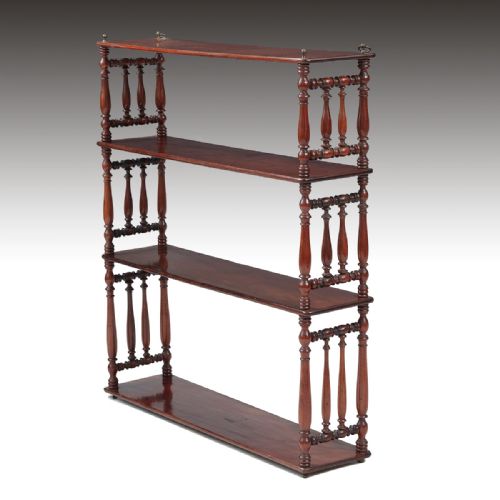
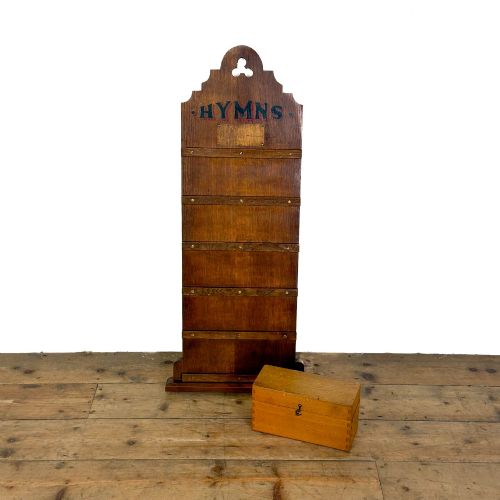
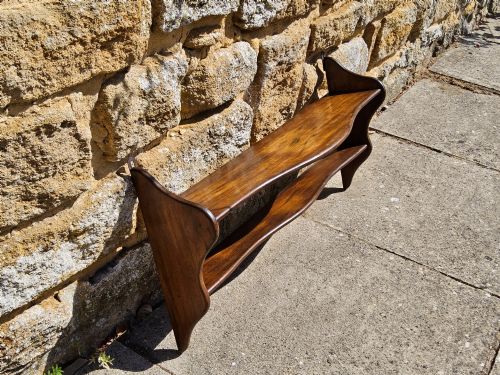
These pieces for an antique wall hanging display bring together timber shelving, corner cupboards and plate racks designed to utilise vertical space.
Antique Wall Hanging Display
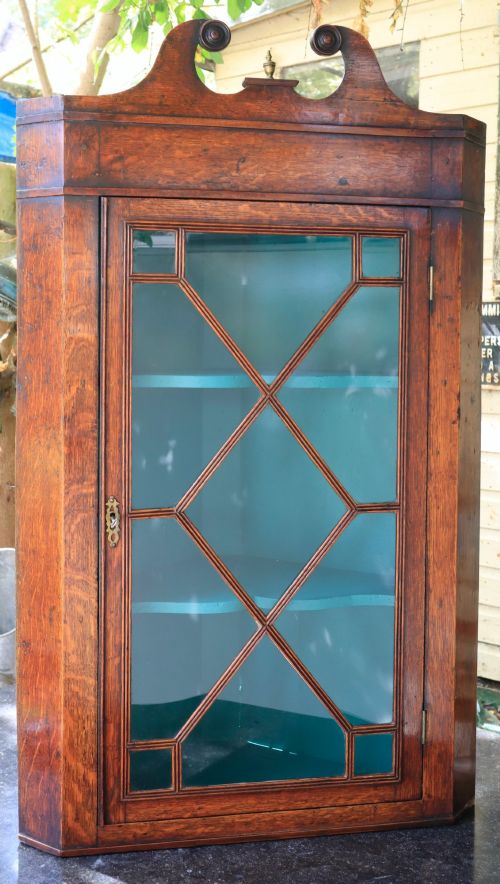
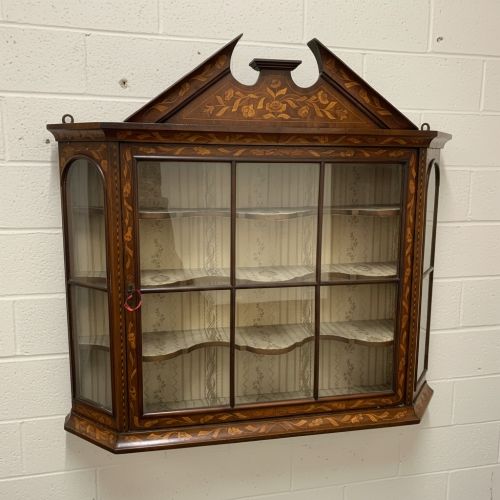
When you search for an antique wall hanging display, you encounter a variety of timber structures designed to be fixed directly to a wall rather than stood upon the floor. These items range from open hanging shelves and plate racks to enclosed corner cupboards and glazed display cabinets.
The versions most frequently met on this page date from the eighteenth and nineteenth centuries, spanning periods such as the Georgian, Victorian and Regency eras. They utilise forms originally built for kitchens, parlours and libraries to hold books, ceramics or decorative objects.
Makers constructed these fixtures primarily in regional workshops using domestic and imported hardwoods. Their forms reflect the domestic habits of earlier centuries, providing compact storage that keeps surfaces clear while exhibiting prized possessions.
How they were made
Joiners and cabinet makers built these hanging fixtures using solid timbers such as mahogany, oak, walnut and pine, often complemented by brass fixings and glass panels. Workshops relied on traditional joint work, such as dovetailing and mortise and tenon joints, to ensure the framework could support the weight of books and ceramics while suspended.
Surface finishes vary according to period and origin, including polished mahogany, waxed oak, painted wood and intricate marquetry or inlay. Glazed doors on cabinets feature timber glazing bars holding small panes of glass, whilst open plate racks incorporate shaped wooden rails to secure crockery.
Listings feature oak, mahogany, walnut and pine timbers across Georgian, Victorian and Regency periods.
What varies in quality
The distinction between standard utility items and finer pieces lies in the selection of timber and the sophistication of the joinery. Superior examples display carefully matched grain patterns, precise inlay work, and robust structural framing that maintains stability over centuries of wall mounting.
Decorative detailing also marks the difference across the range, separating plain functional kitchen racks from sophisticated parlour bookcases. Pieces featuring marquetry, carved mouldings, original painted surfaces or fine brass hardware demonstrate greater workshop skill during their manufacture.
George Edmund Street·John Moyr Smith·William Yale
The Antique Wall Hanging Display Glossary
- Delft rack
- A wooden wall rack designed specifically to display plates and charger dishes upright against the wall. These typically feature slotted rails or wooden battens to hold ceramic edges securely.
- Corner cupboard
- A cabinet built with an angled footprint specifically to fit into the internal corner of a room. They save floor space and often feature curved or bow front doors.
- Marquetry
- Decorative veneer work formed by fitting together small pieces of tinted wood, ivory or metal to create pictorial designs on cabinet doors and panels.
- Gothic Revival
- A nineteenth-century architectural and decorative style that revived medieval forms, characterised by pointed arches, tracery and dark finishes.
- Diorama
- A three-dimensional scene enclosed within a glazed case, commonly depicting maritime subjects like sailing vessels racing at sea.
Antique Wall Hanging Display: Frequently Asked Questions
How do I hang an antique wall cabinet safely?
These wall-mounted fixtures require secure attachment to solid masonry or internal wall studs using appropriate brackets suited to their substantial timber weight.
Because eighteenth and nineteenth-century hardwoods are heavy, professional installation ensures the piece supports the load of books or ceramics without pulling away from the wall.
What rooms suit an antique wall shelf best?
Kitchens, hallways and living rooms accommodate these hanging shelves effectively by providing storage without occupying valuable floor space.
Open plate racks suit dining spaces for displaying ceramics, whilst enclosed glazed cabinets protect books and decorative objects in sitting rooms.
How do I tell a Georgian hanging shelf from a Victorian one?
Georgian pieces from the eighteenth century typically display restrained classical proportions, premium mahogany or oak timbers, and straightforward architectural mouldings.
Victorian items often introduce darker ebonised finishes, revival styles like Gothic architecture, or more elaborate decorative turning and satin birch veneers.
What is the difference between a plate rack and a bookcase?
Plate racks feature shallow open shelves with front retaining rails or plate grooves designed to hold ceramic dishes upright at an angle.
Bookcases provide deeper flat shelves intended for stacking volumes horizontally or vertically within an open frame or behind glazed doors.