


Antique Wall Art Print
When sourcing an antique wall art print, collectors encounter centuries of graphic skill, from Georgian mezzotints to early twentieth century advertising posters.
Antique Wall Art Print
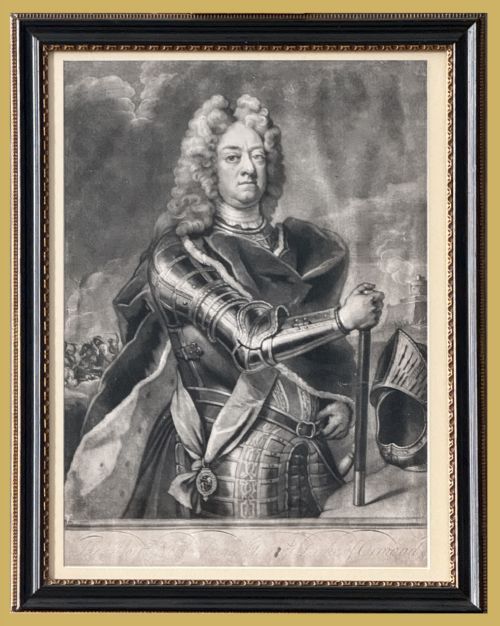
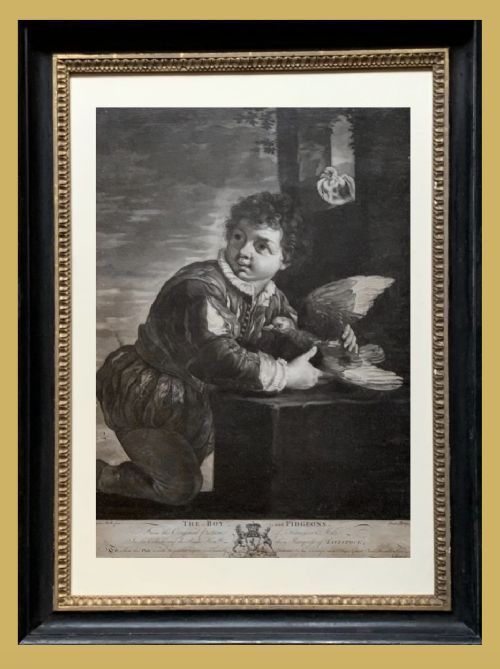
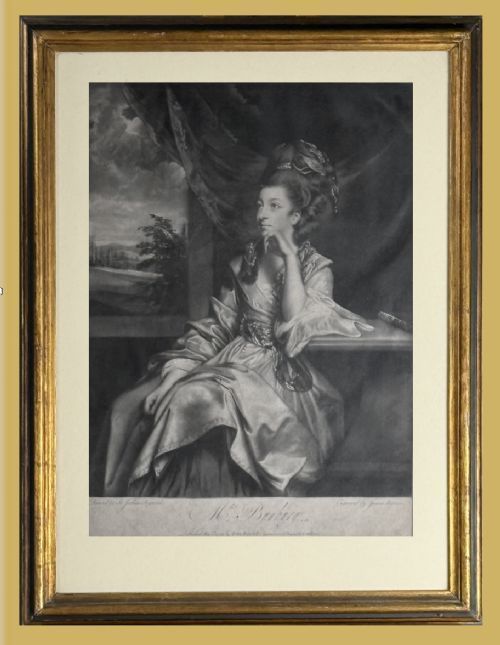
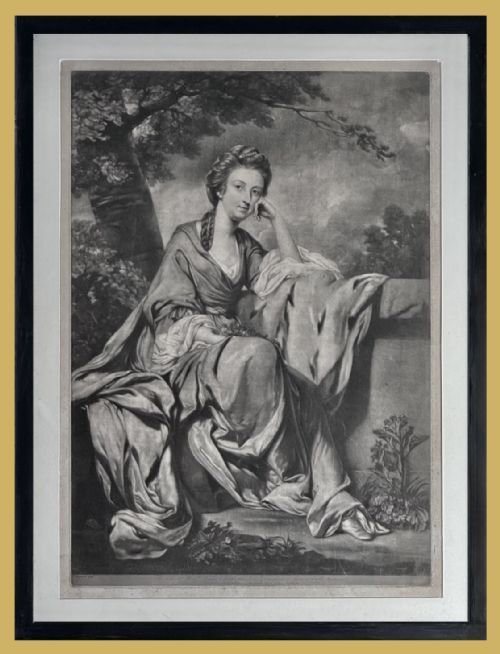
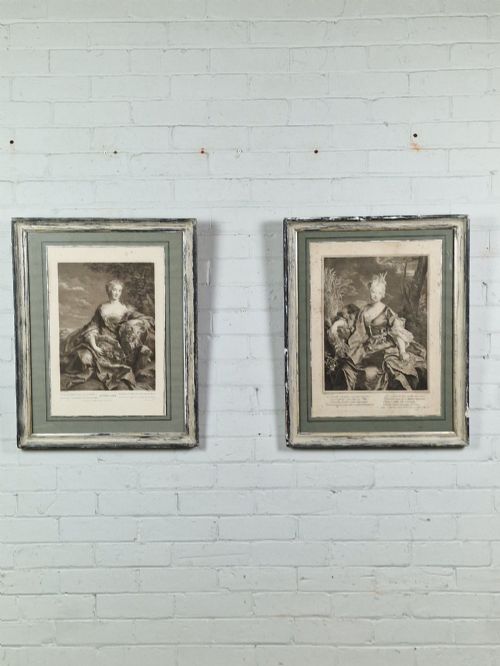
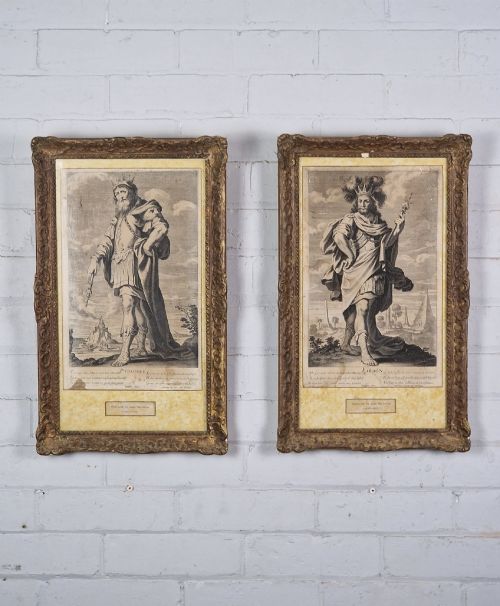
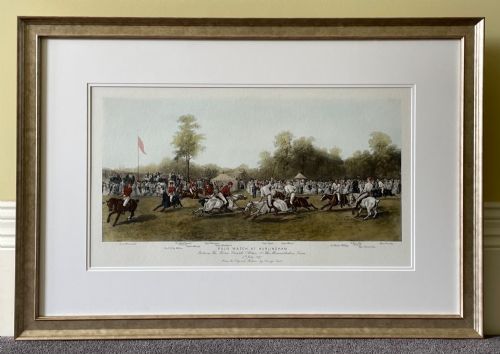
An antique wall art print encompasses a wide variety of works on paper, ranging from formal eighteenth century mezzotint portraits to nineteenth century lithographs and early twentieth century railway posters. Buyers searching for an antique wall art print frequently find framed or unframed engravings, woodblock prints, and watercolours that reflect periods such as the Georgian and Victorian eras.
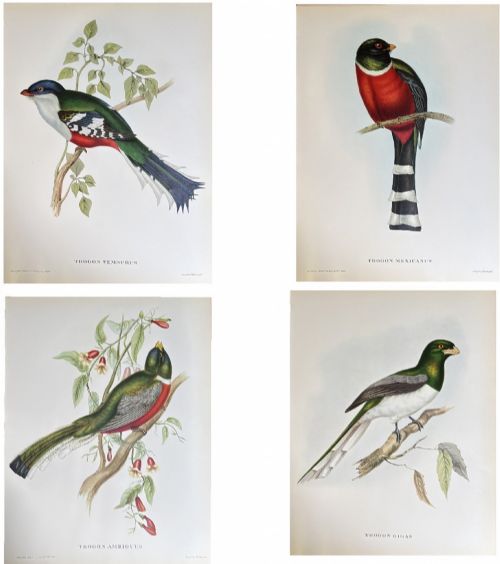
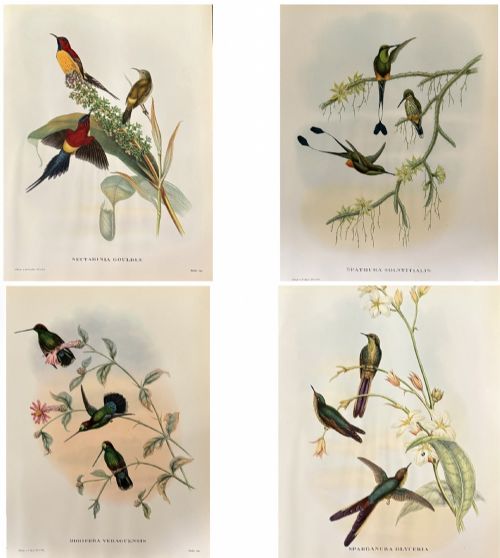
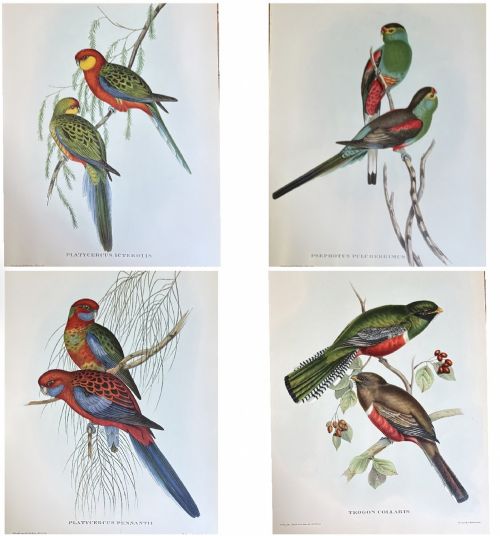
The selection includes specific documentary and artistic genres, such as natural history bird prints, architectural plates, and anatomical studies alongside traditional fine art reproductions. Many examples arrive encased in period oak or gilt wood frames, preserving the paper beneath glass for domestic display.
How they were made
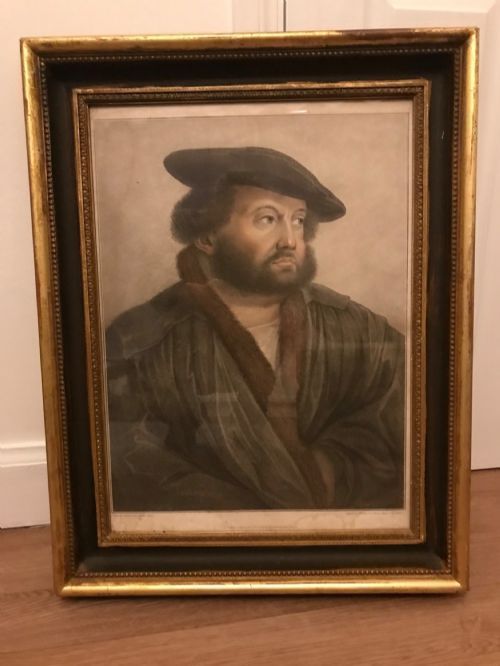
The creation of these works relies fundamentally upon paper, ink, and wood, employing traditional printmaking techniques like mezzotint, stipple engraving, lithography, and woodblock printing. Many early examples feature hand colouring applied directly to the printed surface using watercolour pigments.
Framing materials traditionally include oak and gilt wood, frequently incorporating gold leaf accents and protective glass panels to shield the delicate paper and watercolour mediums from environmental damage.
Materials documented across the inventory include paper, glass, wood, ink, gold leaf, watercolour, gilt wood, and oak.
What varies in quality
Quality in these works is determined by the clarity of the impression, the strength and subtlety of the ink, and the precision of any hand applied watercolour detailing. Early strikes from copper plates yield crisp lines and deep tonal gradations that fade in later impressions.
The integrity of the materials also dictates value, with well preserved paper free from excessive toning, alongside authentic period frames constructed from oak or gilt wood rather than modern replacements.
John Simon·Michael Dahl·John Boydell·James Watson·Sir Joshua Reynolds·Edward Fisher·Francesco Bartolozzi·Jean Mariette·John Smith·Thomas Murray·Sebastiaan Vrancx·Alfred Young Nutt·Hokusai·François Nicolas Martinet·Charles Spooner·Peter Lely·Samuel Cooper·Valentine Green·W Dickinson·Andrew Bell·Marcellin Auzolle·Thomas Frye·Richard Purcell
The Antique Wall Art Print Glossary
- Mezzotint
- A printmaking process of the intaglio family where the plate is roughened uniformly to produce rich dark tones and subtle graduations of light. It became the dominant method for reproducing oil portraits during the eighteenth century.
- Stipple engraving
- A technique that uses dots of varying density and size to create tonal effects and flesh tones rather than continuous lines. It was particularly popular for delicate portraiture.
- Lithography
- A planographic printing process based on the repulsion of oil and water, enabling artists to draw directly onto a limestone slab. It revolutionised poster art and illustrated plates in the nineteenth century.
- Woodblock print
- Relief printing where an image is carved into a block of wood, leaving the printing parts raised above the removed areas. Japanese masters elevated this technique into intricate multicolour compositions.
- Oleograph
- A type of chromolithography textured to imitate the surface texture and appearance of an oil painting. They gained popularity for domestic wall decoration in the late nineteenth and twentieth centuries.
Antique Wall Art Print: Frequently Asked Questions
How do I care for antique prints?
Keep framed pieces away from direct sunlight to prevent the ink and any hand applied watercolours from fading over time. Maintain stable indoor humidity levels to protect the paper and the wooden frames.
Ensure that the glass does not press directly against the paper surface to avoid condensation damage. Professional framing using acid free backing materials preserves the longevity of the work.
Are these works original prints?
The inventory comprises genuine period pieces produced during the stated centuries rather than modern facsimile reproductions. Techniques such as mezzotint and engraving were pulled directly from historical plates.
Individual sheets bear the physical characteristics of their era, including chain lines in the paper and period impression quality. Documentation within the titles identifies the original artists and engravers.
How are periods identified?
Periods are determined by the active dates of the printmaker, the style of the engraving technique, and the physical characteristics of the paper. Georgian and Victorian examples exhibit specific typographic styles and publishing conventions.
Stylistic movements such as Neoclassical or Art Deco provide further chronological markers. Secondary evidence often includes historical sitters with known biographical dates.
Can I hang these in bright rooms?
Direct sunlight causes irreversible fading to historical ink, watercolour, and paper over extended periods. Position prints on walls that receive indirect ambient light rather than harsh sunbeams.
Utilising conservation grade UV filtering glass offers an extra layer of protection for sensitive works. Regular rotation of pieces also minimises prolonged light exposure.