



Antique Village Painting
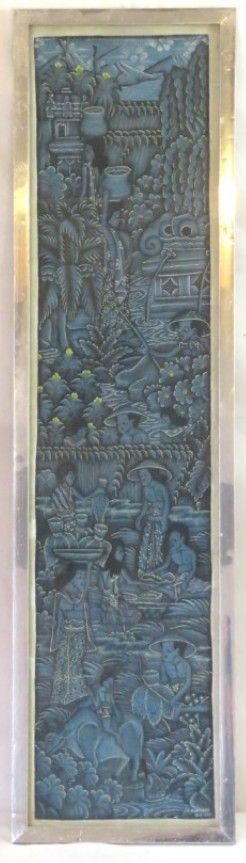
An antique village painting captures the quiet streets, rural cottages and community life of past centuries through the eyes of artists past.
Antique Village Painting
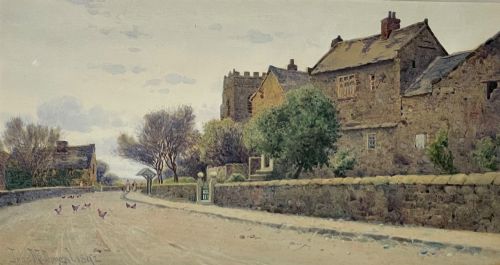
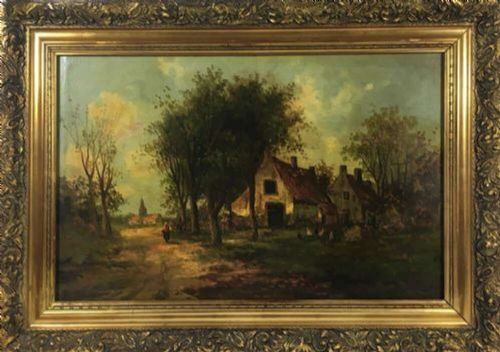
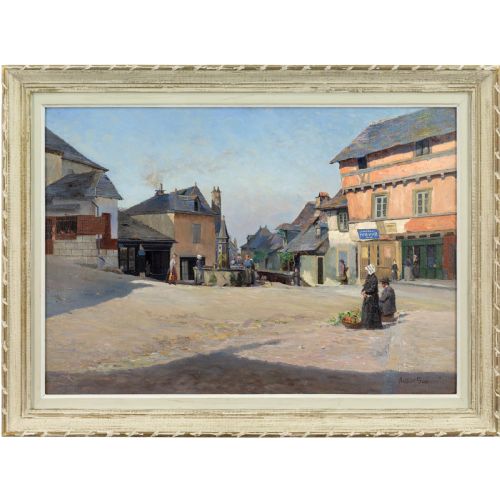
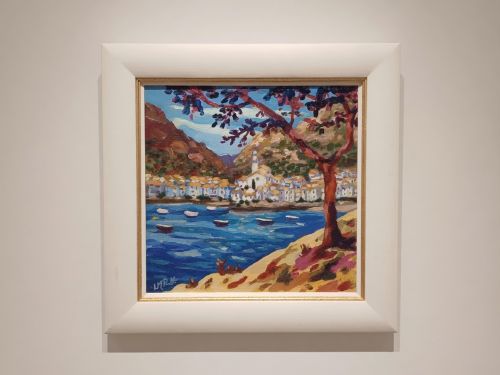
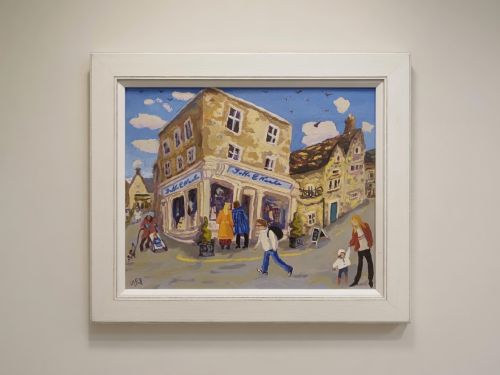
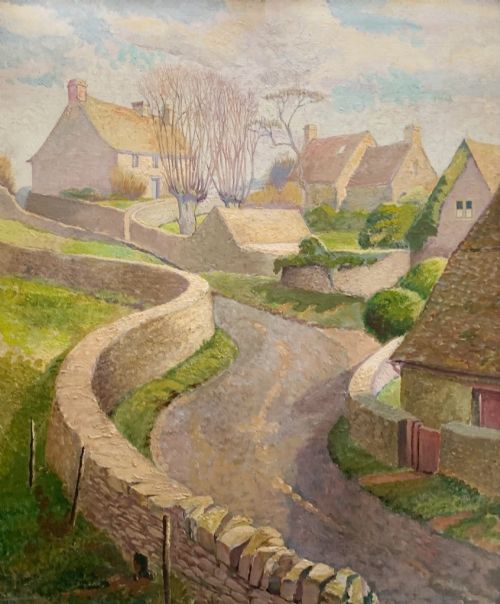
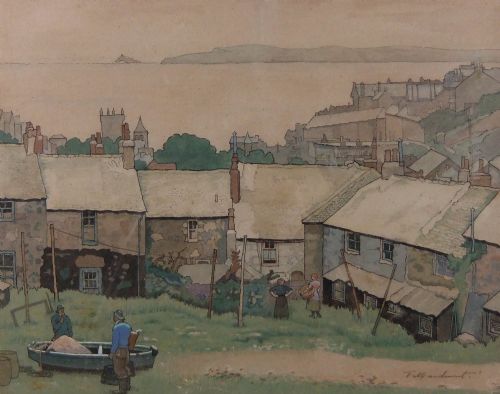
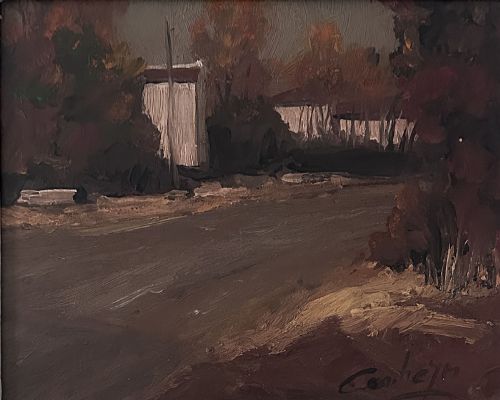
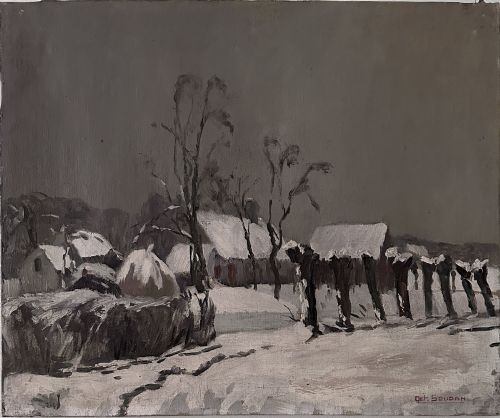
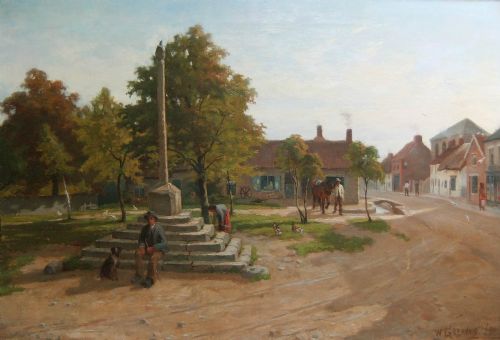
An antique village painting portrays rural settlements, country lanes, and rustic architecture from periods spanning the Victorian era through the mid-twentieth century. Buyers searching this phrase will find framed works depicting British, European, and occasionally colonial village scenes, capturing everything from quiet snow-covered hamlets to bustling market squares.
The selections available range from detailed topographical watercolours recording specific locations in Yorkshire, Sussex, and Scotland to broader Impressionist and folk art interpretations of rural life. Smaller works on paper and card sit alongside substantial oil canvases on wood panel and stretcher frames.
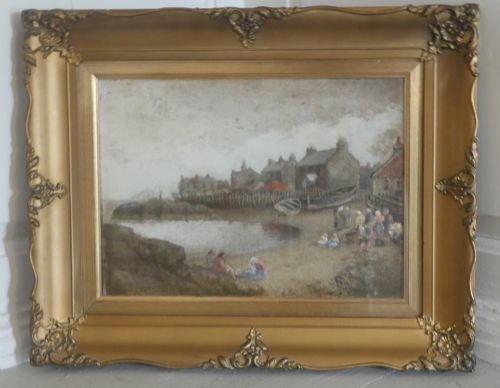
Many of these pieces document local industries, coastal fishing communities, and agricultural landscapes that have since transformed entirely. They offer a direct window into vernacular architecture and historical rural dress through signed studio pieces and unsigned school works alike.
How they were made
Artists painted these scenes using oil on canvas, wood panel, or board, applying heavy pigments that built rich surface textures and deep tonal shadows. Alternatively, many works utilise watercolour and gouache on paper or linen, relying on fluid washes and precise pen or pencil underdrawing to define village cottages and figures.
Supports varied according to the period and scale of the work, with heavy linen canvases stretched over wooden frames for oils, and robust watercolour papers mounted behind glass for works on paper. Gesso and carved wooden frames, often gilded, completed the construction and protected the edges of the painted surface.
Artists occasionally hid stray farmyard geese and mischievous ponies into quiet country corners to reward attentive viewers.
What varies in quality
The distinction between ordinary and exceptional works rests on the artist's command of light, atmospheric perspective, and topographical accuracy. Superior paintings demonstrate a confident handling of pigment and brushwork that brings depth to rustic stone walls, foliage, and figures without relying on stiff formulas.
Material preservation heavily influences overall quality, separating works retaining their original stable grounds, vibrant pigments, and period frames from those suffering heavy fading, foxing, or unrecorded retouching. Stronger provenance and clear artist attribution further elevate the standing of individual pieces.
John McDougal·Arthur Gué·Thomas Maidment·William Greaves·John Holland·Paul Élie Gernez·Gaston Cornil·George Turland Goosey·Fred Lawson·Arthur Tucker·David Teniers II·Charles Vickers·James Watson·George Gregory·Frederick G. Coulridge·John Edward Bale·Robert Hollands Walker·Joseph W. Milliken·Frank Wood·John Syer·David Thomson Muirhead·Franz De Paula Ferg·Jacob Van Der Does II·David Bates·Alfred Conquest
The Antique Village Painting Glossary
- Watercolour
- A painting method where fine pigment is suspended in a water-soluble binder and applied to paper. It produces transparent washes that capture delicate atmospheric light.
- Gouache
- An opaque water-based medium containing pigment mixed with a binding agent and white filler. It allows artists to add solid highlights and dense colour passages over watercolour washes.
- Gesso
- A traditional paint mixture consisting of a binder mixed with chalk, gypsum, or pigment. It is applied to wooden panels or canvas to create a smooth, absorbent surface for oil painting.
- Topographical
- Depicting a specific, identifiable real-world location with geographical and architectural accuracy. These paintings serve as historical visual records of villages and landscapes.
- Folk Art
- Artistic work created within a traditional culture by self-taught or untrained makers. These pieces often feature charming perspective quirks and direct narrative focus.
Antique Village Painting: Frequently Asked Questions
How do I date an antique village painting?
Dating relies primarily on artist signatures, framing styles, and the clothing or architecture depicted within the scene. Costume details and building types often narrow down the decade of creation.
Paper stock, stretcher construction, and old handwritten labels on the reverse provide further clues. Comparing the piece to documented works by the same hand confirms the timeline.
Where should I hang a village oil painting?
These works suit traditional reception rooms, studies, and hallways where natural light enhances the painted textures. Avoid direct sunlight to protect pigments from fading over time.
Keep paintings away from damp exterior walls and excessive heat sources like radiators. A stable indoor climate preserves both the canvas and the original frame.
What is the difference between oil and watercolour village art?
Oil paintings feature heavy, buildable pigments on canvas or panel, offering rich depth and robust durability. Watercolours use translucent washes on paper, presenting a lighter and more immediate atmosphere.
Oils generally require framing under simple wooden mouldings, while watercolours need glass protection to shield the paper from atmospheric moisture and dust.
How do I care for a framed village painting?
Dust frames gently with a soft, dry brush and avoid using chemical cleaners on painted surfaces. For works on paper behind glass, ensure the seal remains intact to block moisture.
Period frames require careful handling to preserve original gilding and gesso decoration. Professional conservators should address any structural issues with canvas tension.