


Antique Architectural Picture
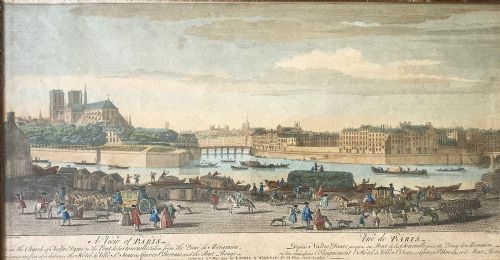
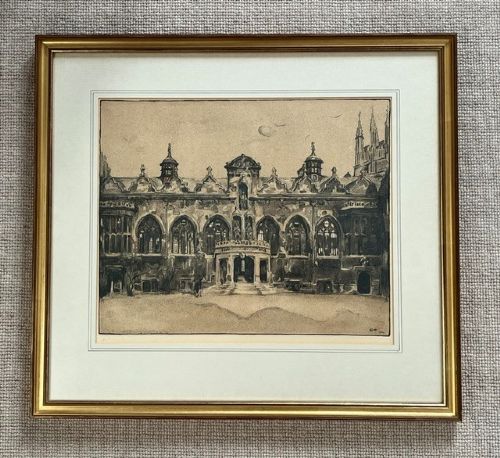
An antique architectural picture captures historic facades, monuments, and townscapes on paper or canvas, offering a tangible window into past landscapes.
Antique Architectural Picture
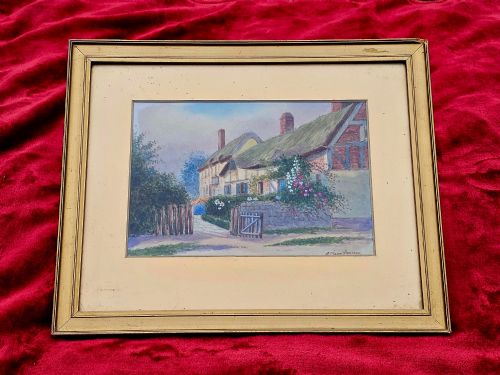
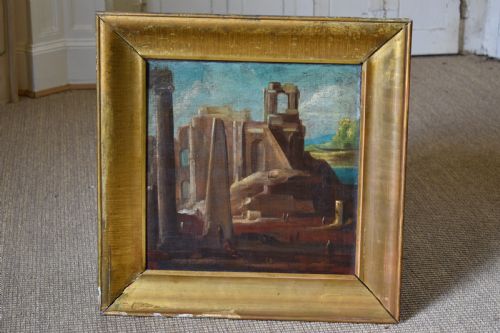
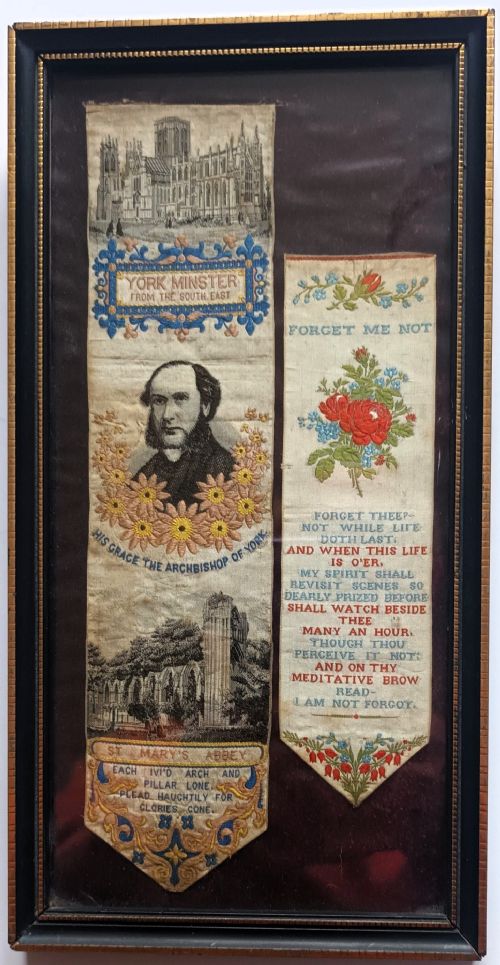
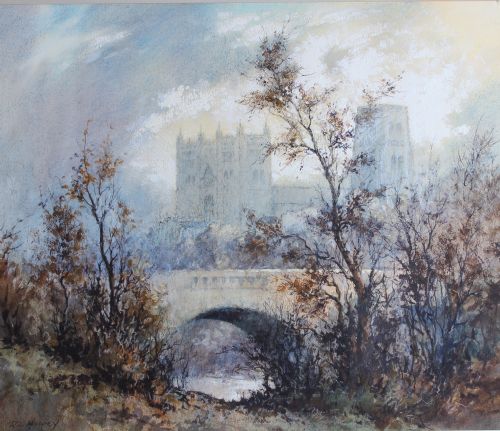
An antique architectural picture brings together structural subjects and historic streetscapes, capturing cathedrals, classical ruins, and urban landmarks. When searching for an antique architectural picture, buyers encounter mediums ranging from detailed engravings to atmospheric watercolours and oil paintings.
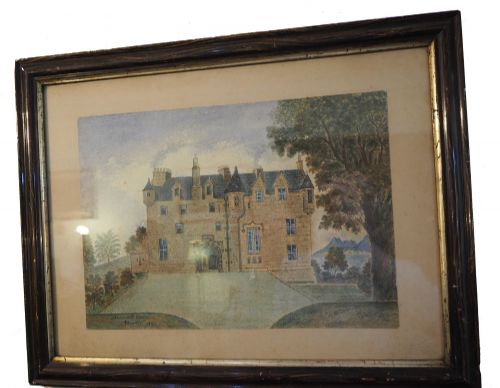
The selections span multiple periods, from Georgian and Victorian works to early twentieth-century depictions. Many pieces focus on specific sites, recording domestic buildings, grand European vistas, and British town views.
These works often function as historical records of structures that have since changed or vanished entirely. Framed depictions of urban landscapes and ancient monuments provide a distinct visual anchor for an interior.
Materials and methods
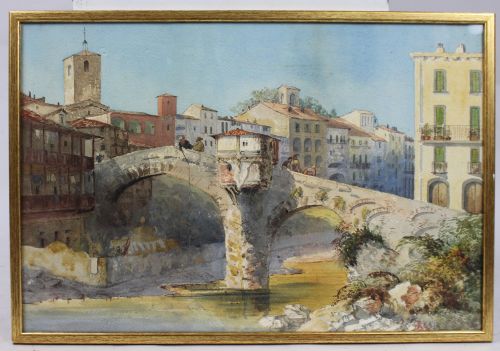
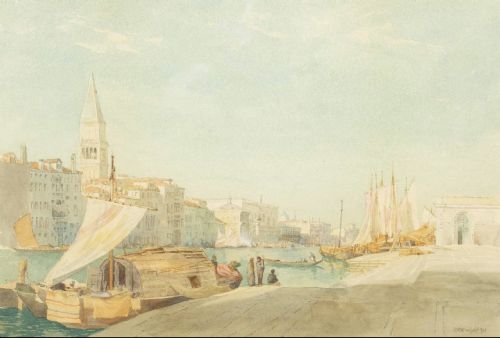
Paper and canvas serve as the primary grounds for these works, supporting mediums such as watercolour, oil paint, and ink. Artists utilised watercolour and pencil for precise topographical detail, while oils on canvas or board allowed for broader atmospheric effects.
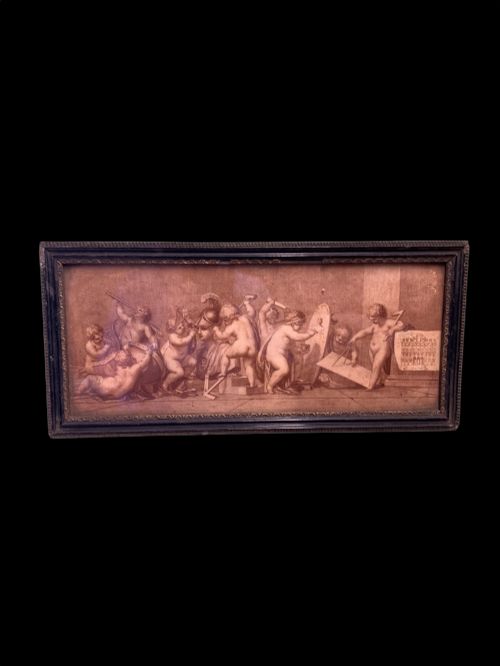
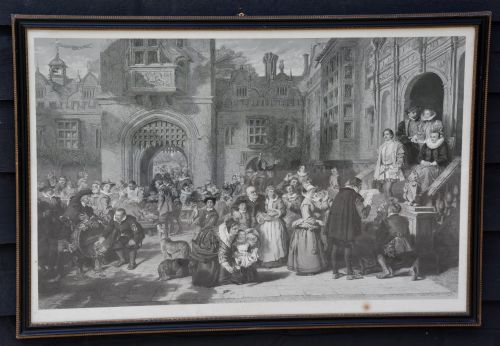
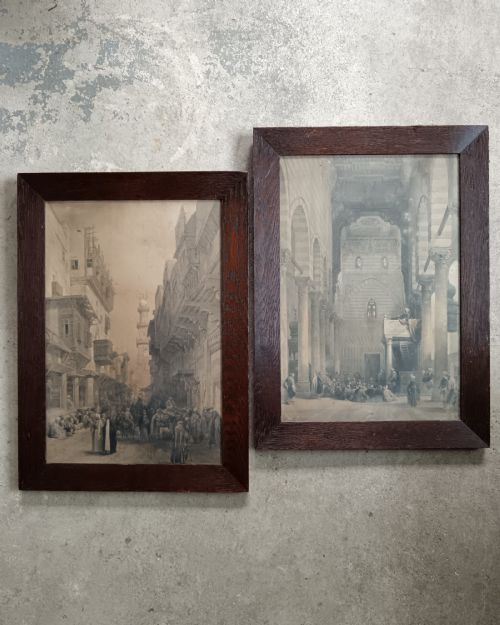
Engravings and lithographs rely on printed impressions on paper, sometimes enhanced with original hand colouring. Frames of the period frequently utilise wood, giltwood, and gold leaf to house and protect the artwork.
Represented styles span Victorian, Edwardian, Georgian, Neoclassical, Impressionist, Early 20th Century British, Grand Tour Neoclassical, and Mid-20th Century British.
Distinctions in execution
The precision of perspective and the handling of light separate standard topographical records from more accomplished artistic interpretations. Works by trained artists often demonstrate superior command of scale and proportion within complex urban compositions.
The integrity of the original framing, such as period Hogarth frames or bespoke gilt wood surrounds, contributes to the overall cohesion of the piece. Preservation of the paper or canvas surface, free from heavy fading or intrusive restoration, defines the condition standard.
Sir William Nicholson·A Marie Parsons·David Roberts·Louis Haghe·Alfred George Morgan·Fred Lawson·Sir Thomas Newenham Dean·Frederick Tully Lott·William George Meadows·Lewis J Wood·George Whyatt·Joseph W Milliken·Denis William Reed·Edith E Caswall
The Antique Architectural Picture Glossary
- Lithograph
- A print made from a planographic process in which the image is drawn on limestone or a metal plate with a greasy medium. This technique allows for subtle tonal gradations and fine lines.
- Watercolour
- A paint consisting of pigment suspended in a water-based solution, typically applied to paper. It permits translucent washes that capture shifting light and atmosphere.
- Engraving
- A print produced by cutting lines directly into a metal plate with a burin. The resulting incisions hold ink to create sharp, highly detailed linear imagery.
- Giltwood
- Wood that has been coated with a thin layer of gold leaf or gold paint. It frequently appears on period picture frames.
- Grand Tour
- A traditional trip of Europe undertaken by upper-class European young men of sufficient status. Artworks produced during these journeys typically recorded classical ruins and foreign monuments.
Antique Architectural Picture: Frequently Asked Questions
What periods do these pictures cover?
The available selection spans the eighteenth, nineteenth, and mid-twentieth centuries. Works range from Georgian engravings to Edwardian and later twentieth-century watercolours.
Each period brings distinct stylistic approaches to depicting buildings and urban environments, reflecting contemporary tastes in topography and landscape.
Are these works hand painted or printed?
The category includes both original painted works and printed editions. Original watercolours, oils, and pastels exist alongside period engravings and lithographs.
Printed items often feature original hand colouring applied after the initial impression was pulled.
How were these framed originally?
Many pieces retain their original surrounds, including period wood frames, giltwood mouldings, and specialised maker-stamped frames. These housings often date directly to the creation of the artwork.
Original frames provide context regarding how the pictures were displayed in period interiors.
What subjects do these depictions show?
Subjects focus primarily on built environments, including cathedrals, European capitals, street scenes, and country houses. Architectural elements range from classical ruins recorded on the Grand Tour to British townscapes and institutional buildings.
Many pieces document specific locations across England, Scotland, France, and Italy.