
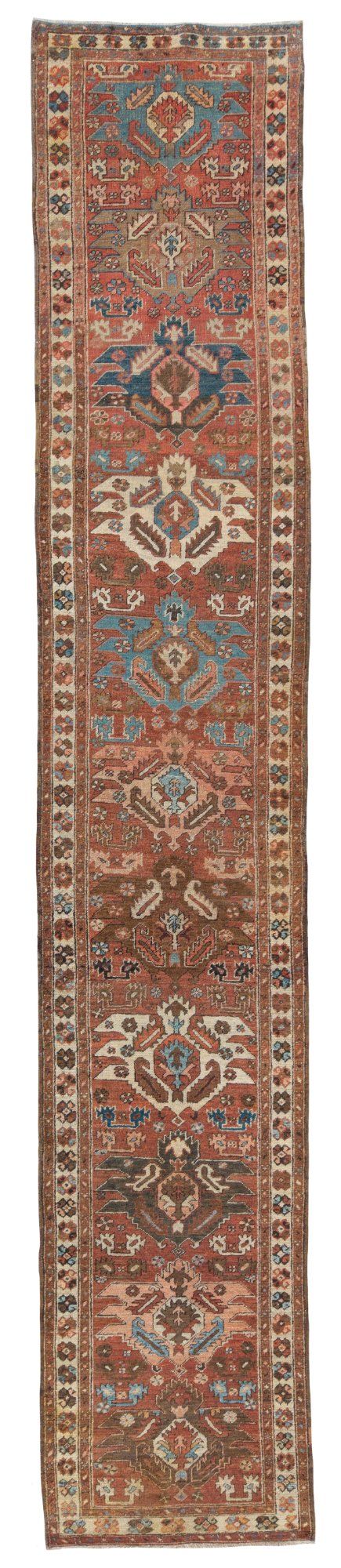
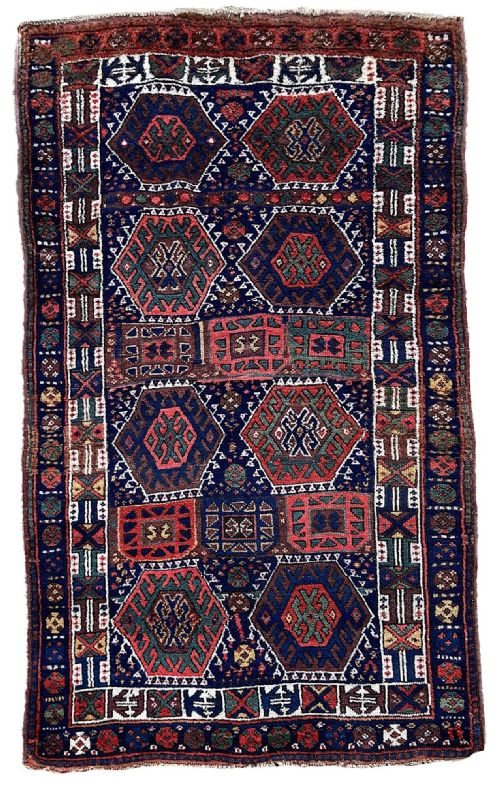


Antique Village Carpet
An antique village carpet brings regional history and pattern into a room through hand-knotted wool and natural dyes.
Antique Village Carpet
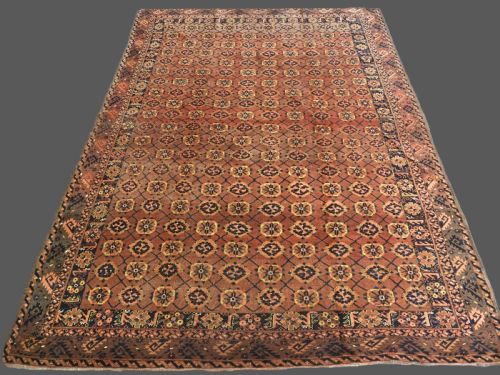
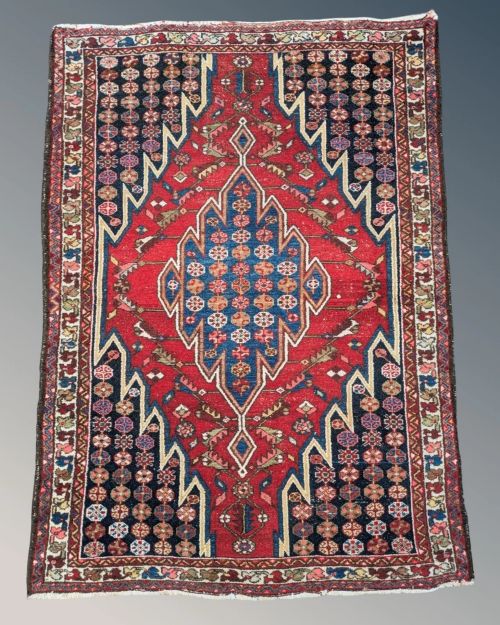
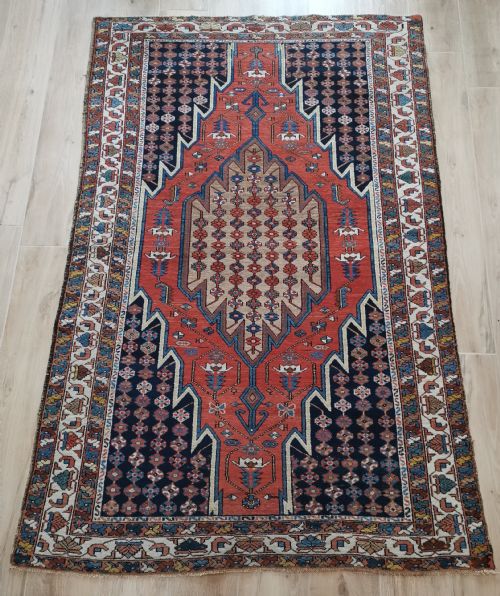
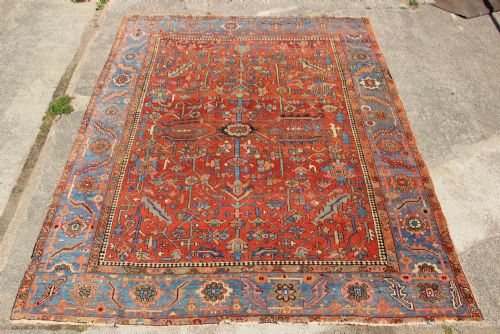
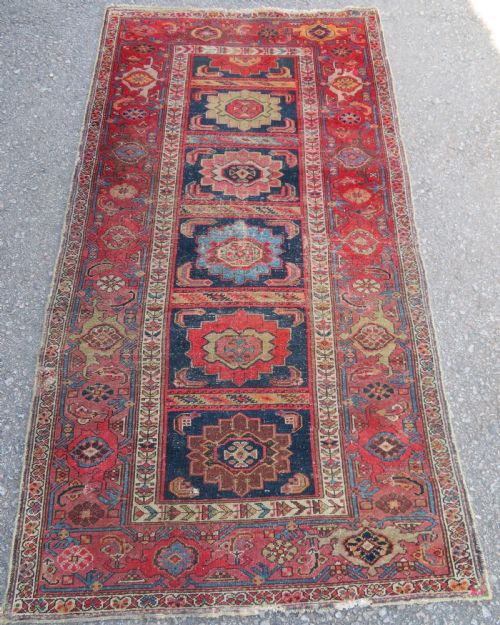
An antique village carpet encompasses floor coverings produced in traditional settlements across Persia, the Caucasus, Anatolia, and Afghanistan during the nineteenth and early twentieth centuries. These pieces reflect local heritage through distinctive tribal and regional motifs rather than formal urban designs.
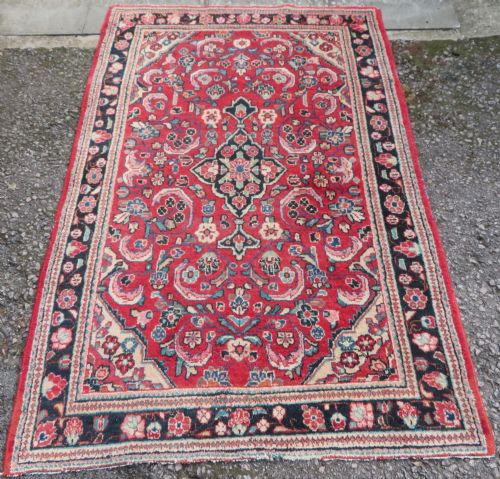
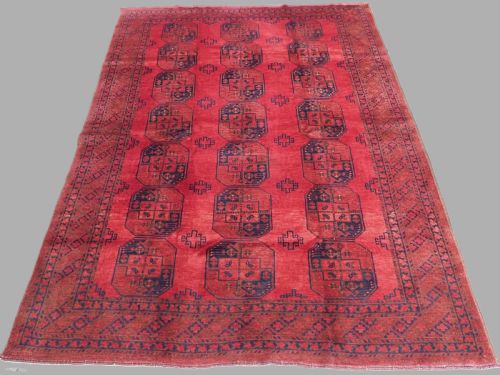
Buyers frequently encounter formats ranging from smaller scatter rugs and runner rugs to room-sized carpets originating from production centres such as Heriz, Malayer, Hamadan, and Bakshaish. Afghan and Caucasian village examples also appear regularly alongside Persian tribal types.
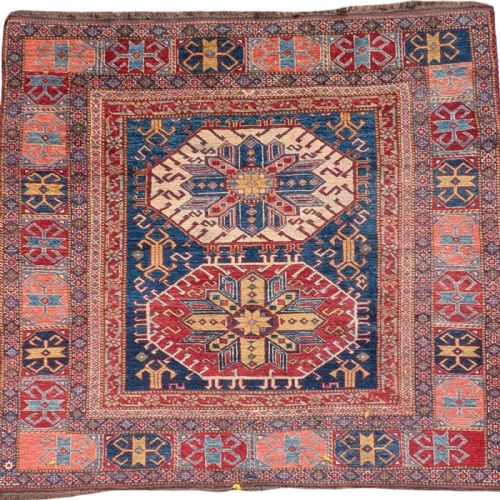
The aesthetic relies on geometric medallions, repeating field patterns, and abstracted floral elements rendered by local weavers working within traditional community frameworks.
Materials and Construction
Production relies primarily on hand-spun wool for the pile, coupled with cotton warps and wool or cotton wefts to create a durable foundation. The natural wool provides a dense, heavy pile that responds well to traditional floor use.
Weavers utilised natural dyes derived from plants and minerals, yielding warm reds, deep blues, and camel grounds that mellow gracefully over decades. The dyeing process creates subtle tonal shifts known as abrash across the wool field.
Antique Village Carpet Retail Price Guide 2026
Typical asking prices for village carpet among the pieces listed under this phrase on Sellingantiques today, from the lower quarter to the upper quarter. They describe what is for sale here now, not the wider market.
Listings span several decades of production from the late nineteenth century through the 1930s, featuring wool, cotton, and natural dyes.
Assessing Quality and Merit
The distinction between standard examples and exceptional pieces rests upon the vibrancy and depth of the natural dyes, alongside the artistic handling of the design. Weaving precision and wool quality also play a central role in overall character.
Pieces retaining balanced proportions, intact original kilim ends, and deep wool pile command greater appreciation among collectors. The harmony of the colour palette ultimately determines the visual impact of the woven surface.
The Antique Village Carpet Glossary
- Abrash
- A natural variation in colour across the wool field caused by changes in dye batches or hand-spun yarns. This characteristic is widely valued by collectors for the visual depth it imparts.
- Warp
- The foundational vertical threads stretched tightly on the loom before knotting begins. Cotton warps provide structural stability to the finished rug.
- Weft
- The horizontal threads passed across the warps after each row of knots is secured. These threads bind the structure together firmly.
- Kilim end
- The flat-woven portion at the top and bottom of a rug, protecting the knots from fraying. Original ends indicate a complete survival of the piece.
- Medallion
- A large central ornamental motif set within the field of the carpet. Village weavers often adapt these geometric or floral shapes from regional tradition.
Antique Village Carpet: Frequently Asked Questions
What is an antique village carpet?
An antique village carpet is a hand-knotted floor covering made in a rural community or tribal workshop, typically dating from the nineteenth or early twentieth century. These pieces rely on local designs and traditional techniques passed down through generations.
Unlike urban workshop carpets, village examples often display charming irregularities and deeply personal interpretations of classic motifs. They offer a direct link to the specific region and weavers who produced them.
How do I care for my rug?
Living with an antique village carpet involves gentle regular vacuuming without a rotating brush bar to protect the wool pile. Professional cleaning should be undertaken periodically by specialists familiar with antique textiles.
Keep the rug out of direct, prolonged sunlight to prevent natural dye fading. Using a suitable underlay helps prevent slipping and reduces friction between the floor and the cotton foundation.
How are different regional types told apart?
Distinguishing regional types relies on identifying specific structural traits, palette choices, and characteristic border designs. Persian village carpets often feature distinct medallion structures, whereas Caucasian examples lean into bold geometric compartmentalisation.
Examining the knotting style, edge finishes, and foundation materials provides further clues to provenance. Local workshops often maintained specific colour combinations that help pinpoint their origin.
Were these rugs used daily?
These textiles were created as practical furnishings for domestic life, serving as floor coverings, seating areas, and prayer mats within traditional households. Their robust construction using hand-spun wool ensured they could withstand generations of daily family use.
As a result, surviving examples carry the patina of active history, with wear patterns reflecting how families lived with and moved these functional objects.